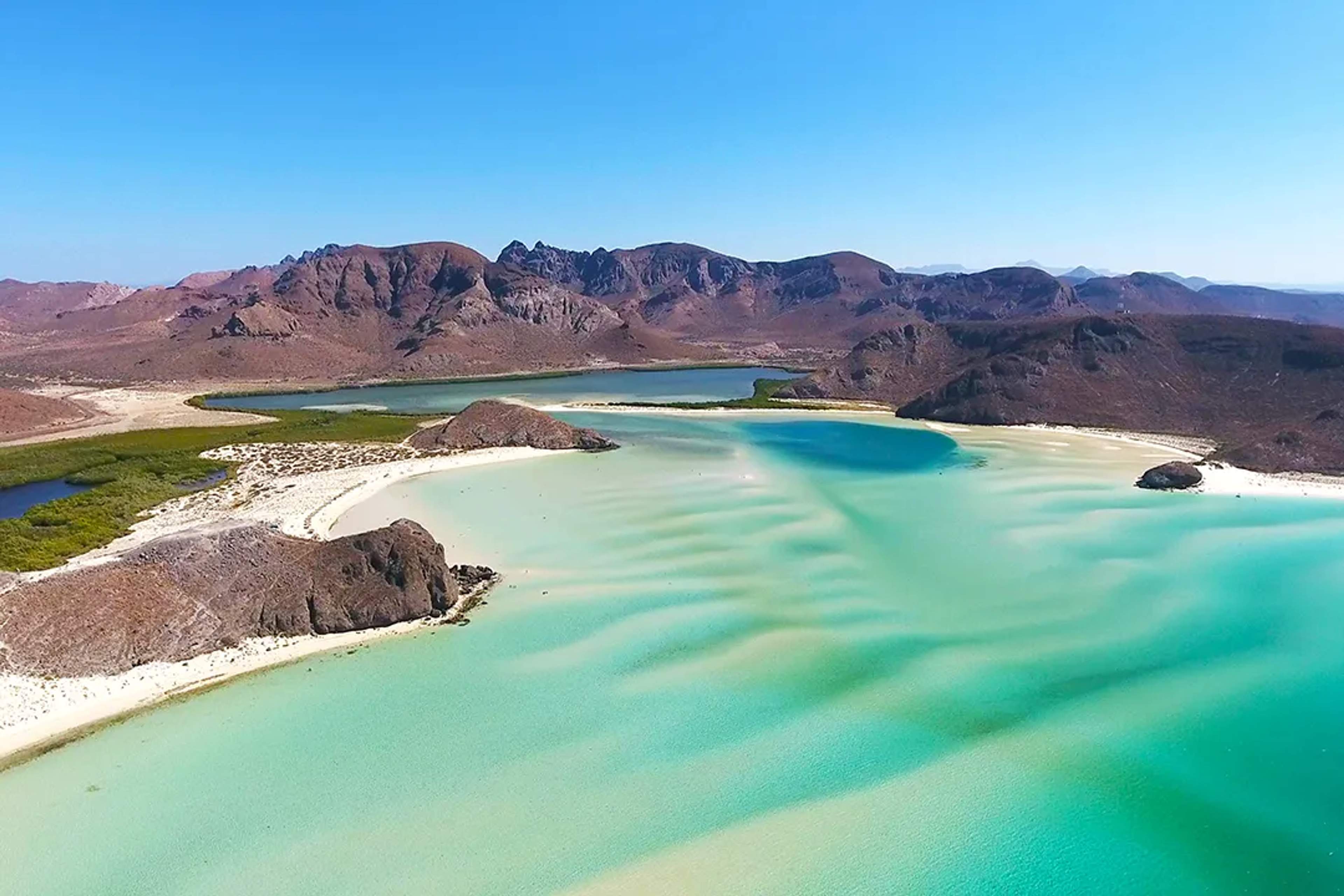
Cabo San Lucas sits at the southern tip of the Baja Peninsula, a destination with more range than most travelers expect. Granite headlands rise from turquoise bays, ancient coral reefs shelter hundreds of marine species throughout the Sea of Cortez, and Sonoran Desert canyons roll down to wide Pacific beaches.
With warm, sunny days and cooler, breezy nights nearly year-round, the region draws adventure seekers and travelers looking to slow down in equal measure. But the real draw lies beyond the resort pool, in the living reefs, the desert outback, and the colonial towns that give Los Cabos its character.
Landmarks Worth Seeing Up Close
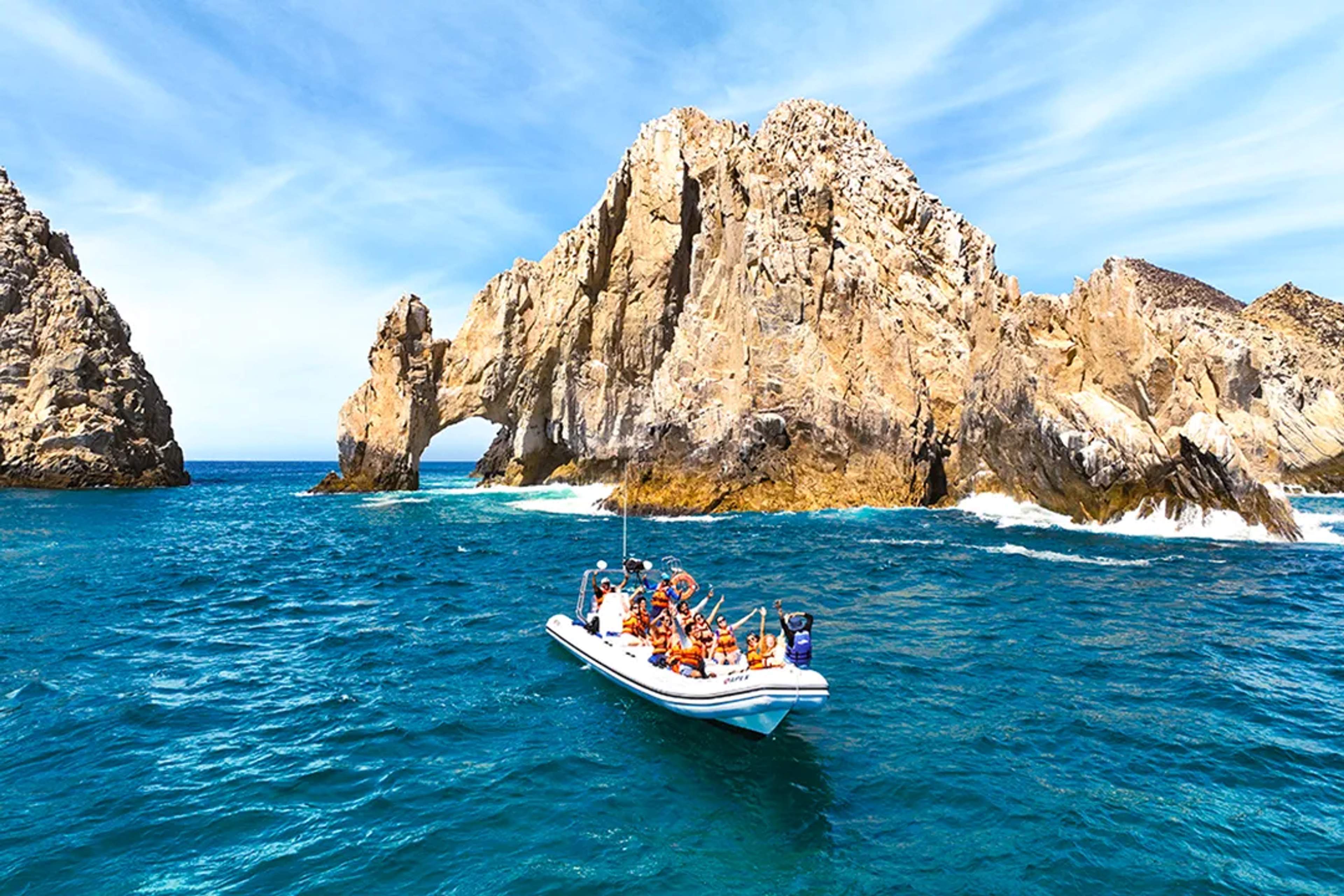
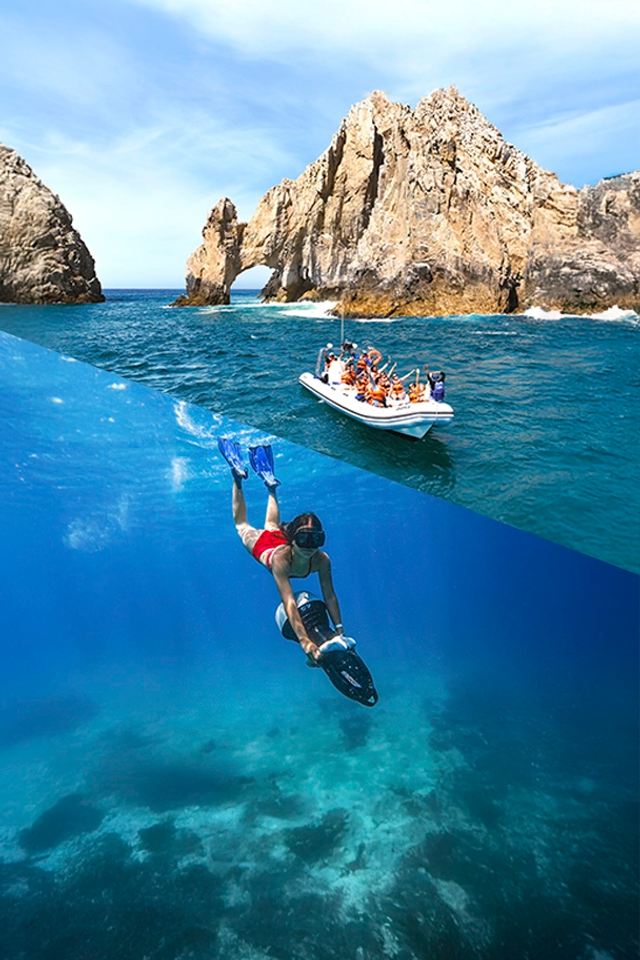
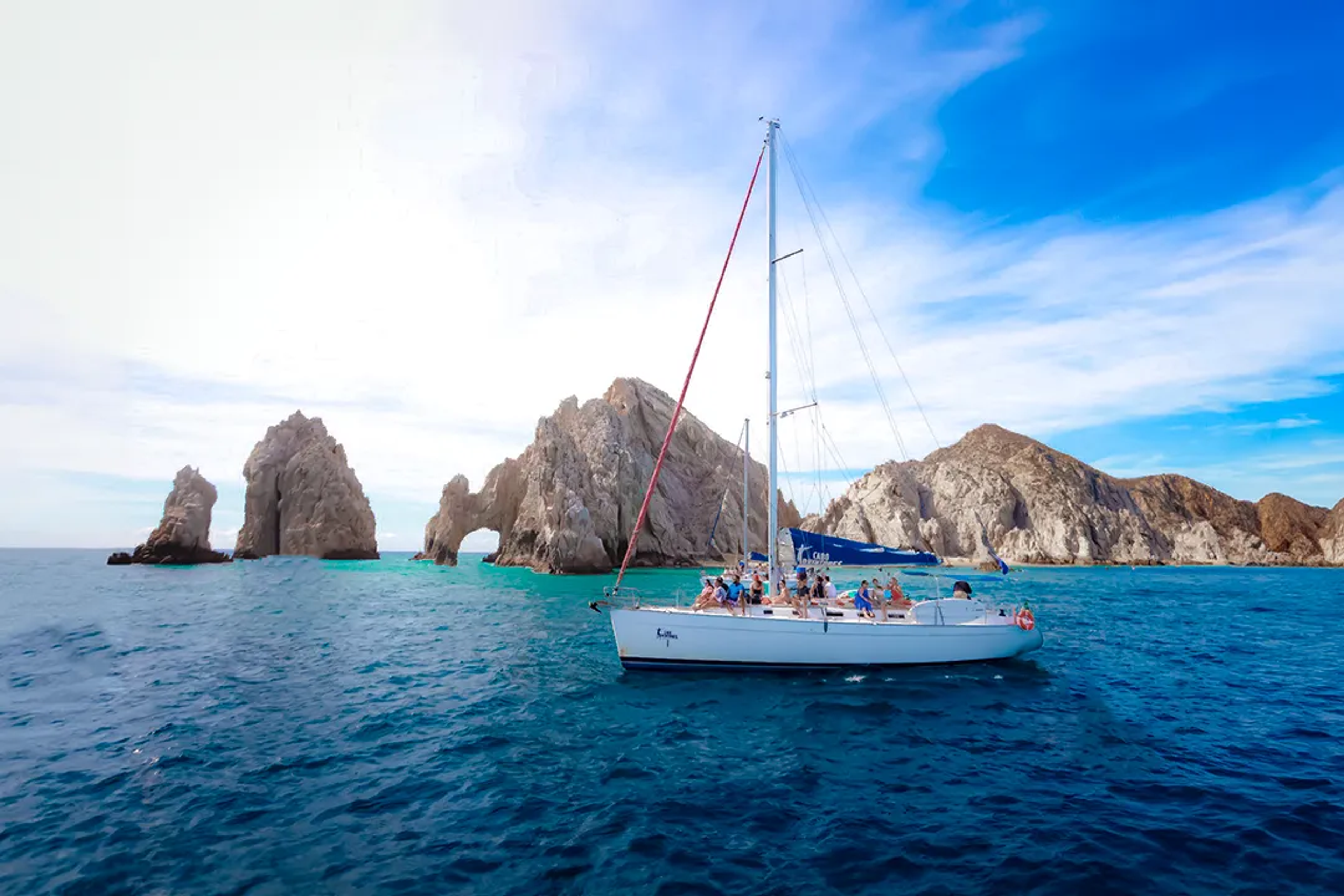
El Arco, the iconic rock arch at Land's End, stands three stories above the point where the Pacific meets the Sea of Cortez. The granite here belongs to a 115-million-year formation, shaped over millennia by wind and wave erosion into the arch visible today.
Accessible by boat, the arch views include sea lions basking on nearby rocks, and beneath the surface, underwater sand cascades drop 100 meters into submarine canyons.
Just around the headland, Lover's Beach (Playa del Amor) provides a sheltered cove for swimming and snorkeling among massive rock formations. The Cabo Snorkel & Land's End Arch tour reaches both landmarks by speedboat, with stops for kayaking and paddleboarding in the surrounding bays.
On the opposite side, Divorce Beach faces the open Pacific. Its powerful waves and dramatic surf make it better suited for photography and contemplative walks than swimming.
A Living Reef and Protected Waters
Cabo Pulmo National Park
About two hours east of Cabo San Lucas, Cabo Pulmo National Park protects one of North America's only living coral reefs, approximately 20,000 years old. After the local fishing community voluntarily stopped harvesting in the 1990s, fish biomass increased by 463% over a decade, making it one of the most dramatic marine recovery stories on record.
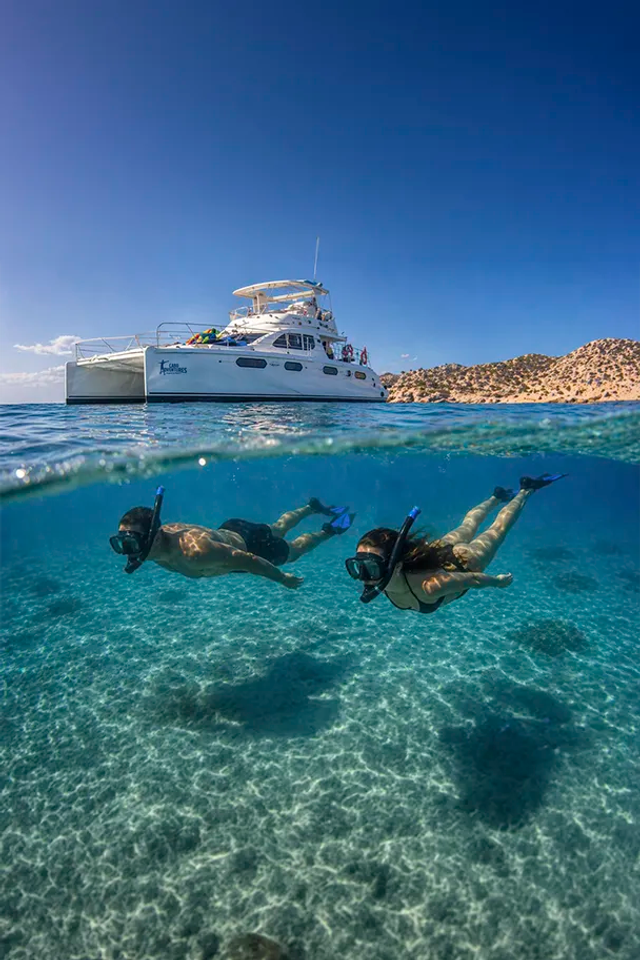
Snorkelers swim alongside sea turtles, bull sharks, and dense schools of tropical fish across reef substrate at depths between 2 and 20 meters. The Cabo Pulmo Snorkeling Expedition includes round-trip transportation, guided snorkeling, and a Baja-style lunch, a full-day commitment that rewards the drive.
The Sea of Cortez
The broader UNESCO status of the Sea of Cortez reflects extraordinary biodiversity, including 891 fish species, 39% of all marine mammal species on Earth, and one-third of the world's cetacean species.
The same waters create some of the highest marine productivity on the planet, visible in the sheer density of life at every snorkeling and diving site along the coast.
When Whale Watching Is at Its Best
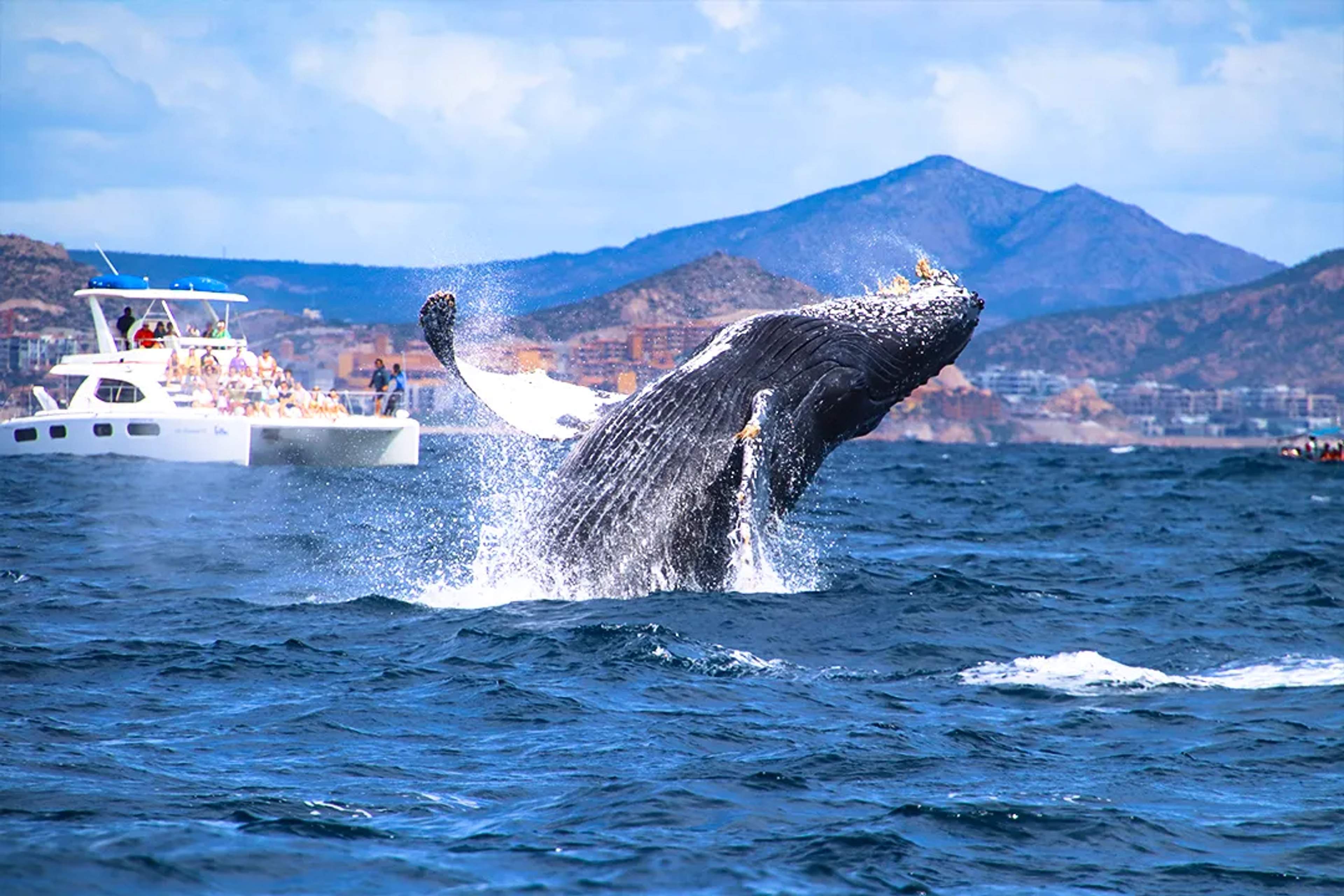
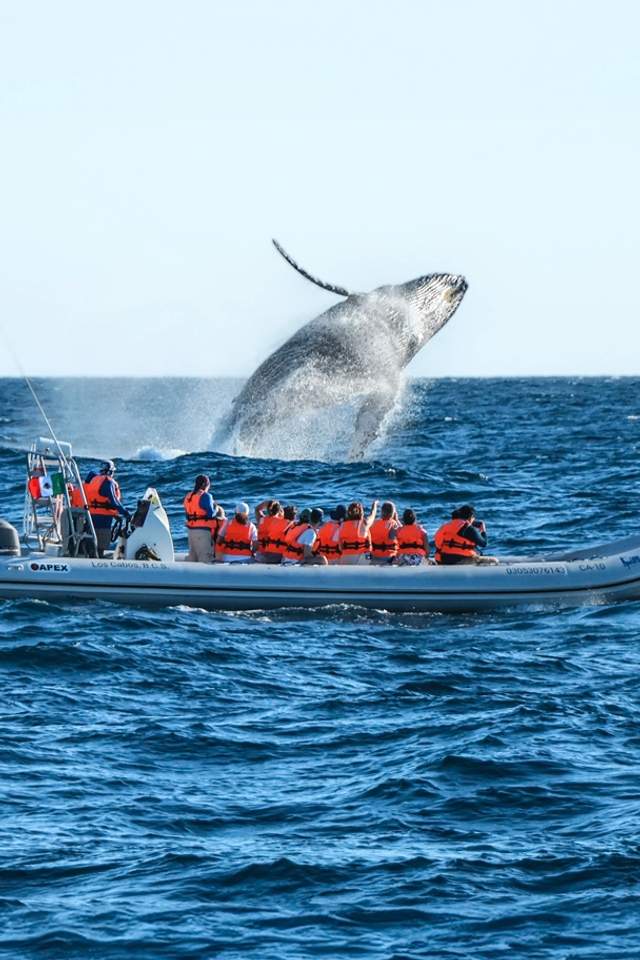
From December through April, gray whales migrate to the warm waters off Baja California Sur to breed and give birth, with peak visibility from January through March. Humpback season begins in January, with activity extending through spring and into May.
The Whale Watching tour uses custom-built rigid inflatable boats equipped with hydrophones, letting you hear whale songs in real time while watching breaches, tail slaps, and spouts from close range. Sightings often include pectoral fin slaps and, with the hydrophones, the complex vocalizations that travel for miles beneath the surface.
Swimming with Whale Sharks
One important clarification for travelers: whale sharks don't gather in Cabo San Lucas itself. These gentle giants congregate in La Paz Bay, roughly two hours north, where the Whale Shark tour takes place.
Previous snorkeling experience is recommended before signing up, as swimming alongside a 40-foot animal in open water calls for genuine comfort in the sea.
Tierra Sagrada: Your Base for Desert and Coast Adventures
Tierra Sagrada sits 40 kilometers north of Cabo San Lucas, near Cerritos and Todos Santos, along a stretch where canyons open onto the Pacific coastline. This is the home base for most of the region's desert and coast adventures, where four ecosystems converge into a compact area.
You can pick a single activity or unlock the whole property with a full-day pass, depending on how much you want to fit in.
The Full-Day Option
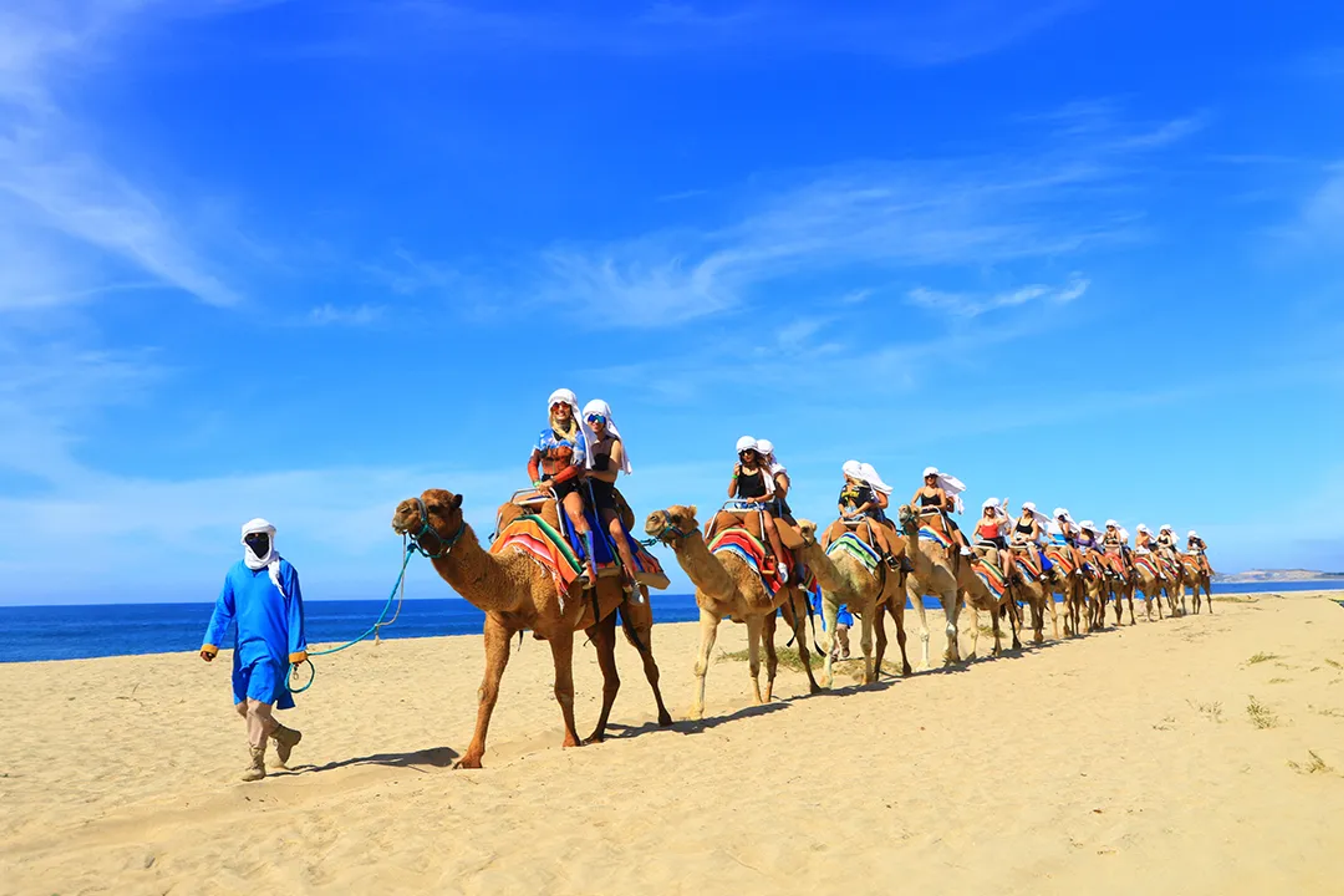
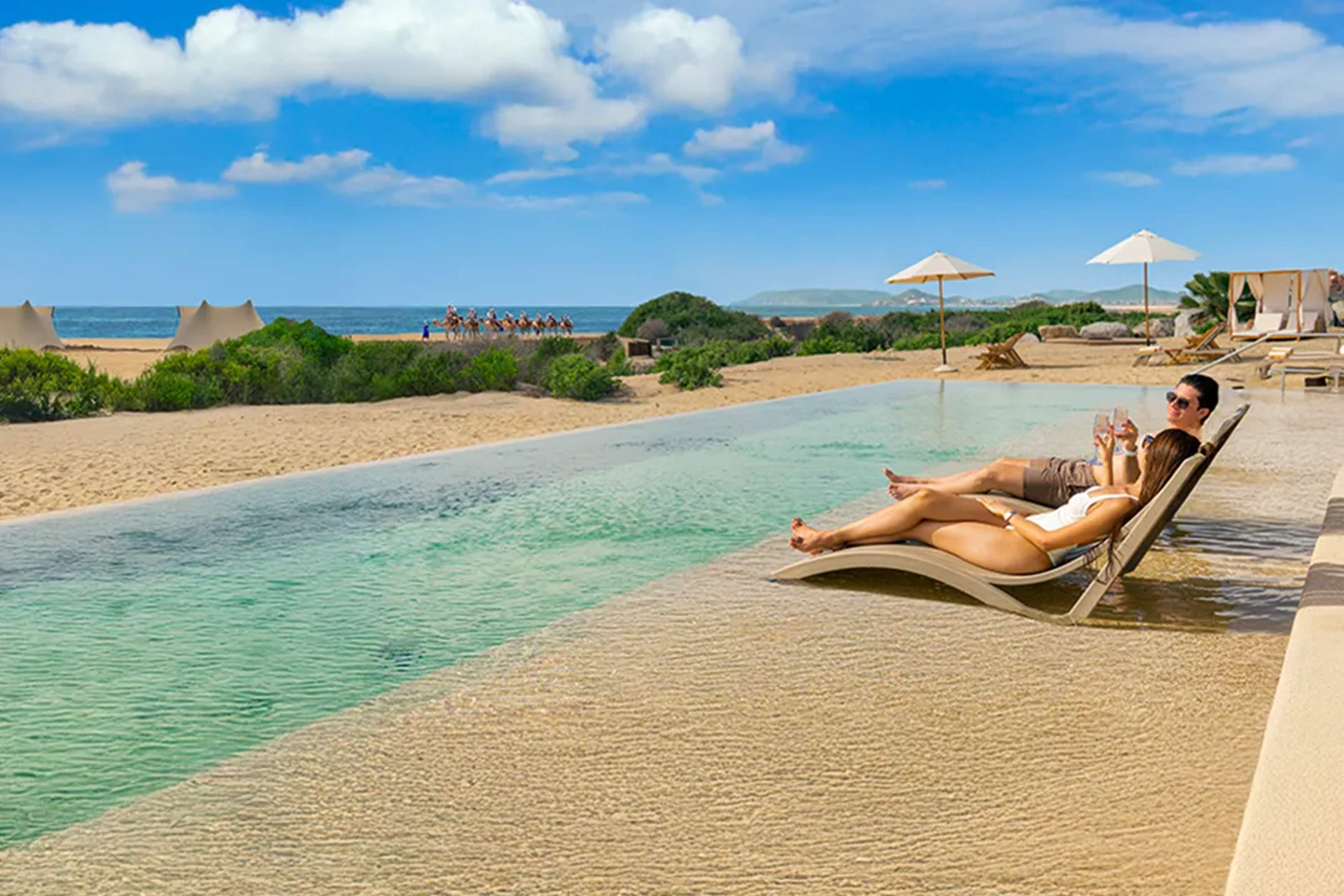
The Tierra Sagrada All Inclusive Park Pass covers six hours of activities in one venue: camel rides along the beach, ATV and UTV circuits through canyon terrain, electric bike trails across desert and coast, plus a beach club with infinity pool, jacuzzi, hammocks, and fire pits.
An authentic Baja buffet, tequila and mezcal tastings, and unlimited drinks round out the day. Round-trip transportation from select Los Cabos hotels is included with advance booking.
For families, the Kids Adventure Park offers gem mining, a petting zoo, burrito rides, a mini zipline, and an art studio. Adults get the tastings while kids stay engaged independently, and the Pacific beach on the property functions as an active sea turtle preserve.
Pick Your Adventure
Prefer to focus on one thing? Each experience is also available on its own.
Off-Road Trails: The Off-road UTV tour winds through canyons, rocky paths, and sandy desert trails with 360-degree panoramic mountain views, paired with an authentic Baja buffet and tequila and mezcal tasting. Drivers must be 18 or older with a valid license; riders as young as eight can participate.
Ziplines and Aerial Adventure: The Outdoor Adventure 4x4 + Cabo Zipline + Rappel tour takes place in a UNESCO-protected biosphere reserve. The circuit includes a "Superman" zipline stretching over 4,000 feet, described as Mexico's longest and fastest, plus rock wall climbing, rappelling, suspension bridge crossings, and a UTV driving course. Canyon views from 100 feet up are hard to ignore.
Electric Biking: For desert terrain without the engine noise, the Electric Biking Beach and Desert Adventure uses fat-tire e-bikes across cactus-lined trails, hilly terrain, and Pacific coastline. The 4 PM departure adds a sunset campfire, a quieter way to end a day in the outback.
Camel Rides: The Outback & Cabo Camel Ride covers the desert-to-ocean trek, a guided nature walk, a traditional Mexican buffet, and mezcal and tequila tastings. The camels live at a rescue sanctuary on the property, many from circus backgrounds, with tour revenue funding their ongoing care. Interestingly, camels actually originated on this continent before migrating to Asia and Africa millions of years ago, so their presence here is less of a novelty than a return.
Colonial Towns Worth the Trip
San José del Cabo and the Thursday Art Walk
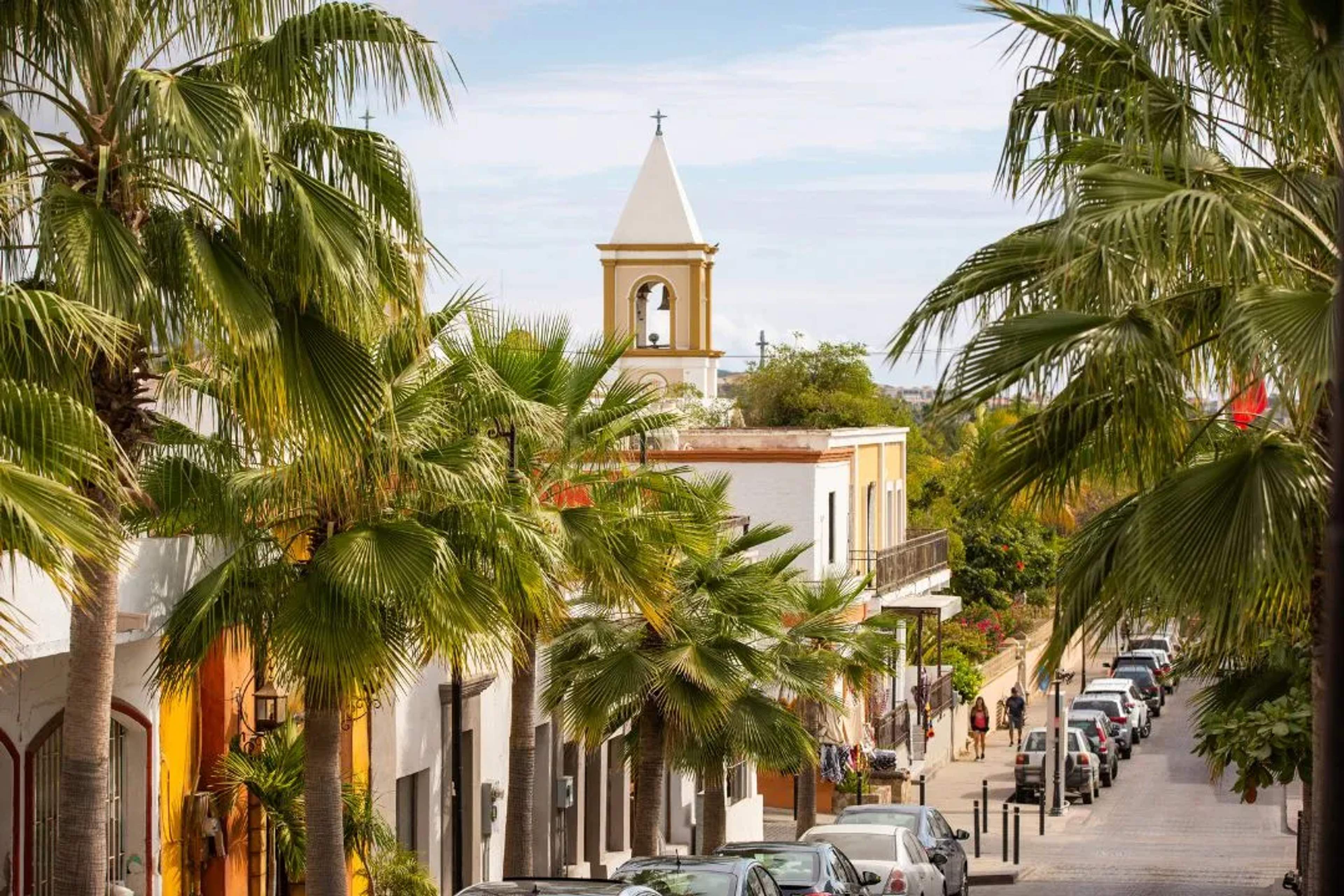
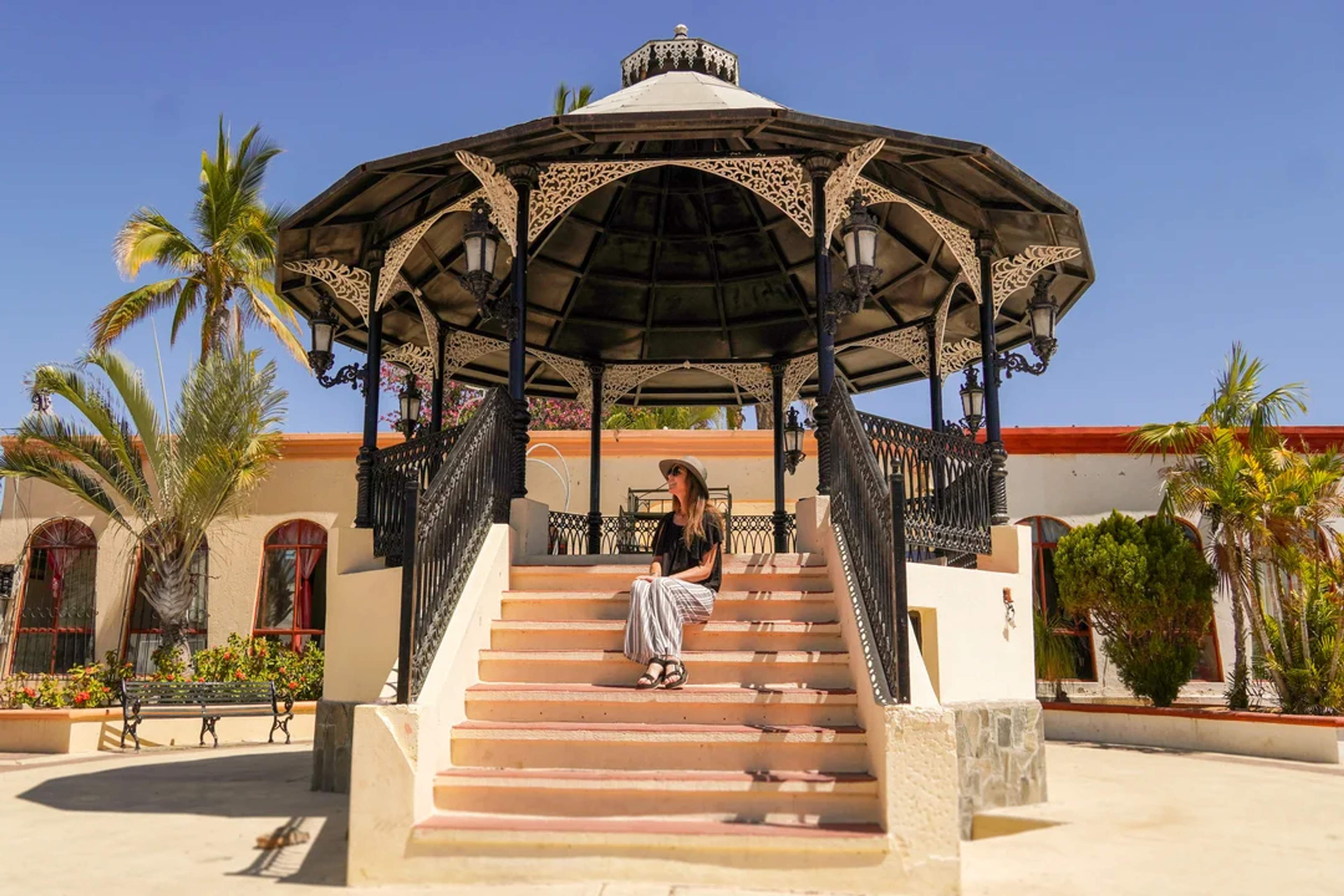
San José del Cabo's historic center is built around the 1730 Iglesia San José, founded by Padre Nicolás Tamaral on the site of a Pericú settlement called Añuití. The mission's twin-spired, sand-colored church anchors Plaza Mijares, where century-old Indian laurel trees shade cobblestone streets.
Art Walk runs every Thursday evening from November through June. Galleries open their doors, street vendors set up along the colonial core, and restaurants fill the plaza. It's free, unhurried, and genuinely local.
Families, couples, and solo travelers mix with residents. The Art & Wine Evenings in San Jose del Cabo tour adds wine pairings, gallery visits including one built from recycled materials, and stops at a cigar-making shop.
Todos Santos
About an hour north of Cabo San Lucas, Todos Santos holds a federal Pueblo Mágico designation, Mexico's recognition of towns with exceptional cultural and historical significance. The town overlooks the Pacific, with architecture dating to its 19th-century sugar mill era.
The famous Hotel California, opened in the 1940s by a Chinese immigrant known as El Chino, draws visitors despite having no actual connection to the Eagles song. The band has publicly denied any link. A guided day trip covers the historic center, a pearl cultivation visit, a hand-woven blanket factory, and a traditional Mexican buffet with tequila tasting.
What to Do with Kids in Cabo
Dolphin Programs
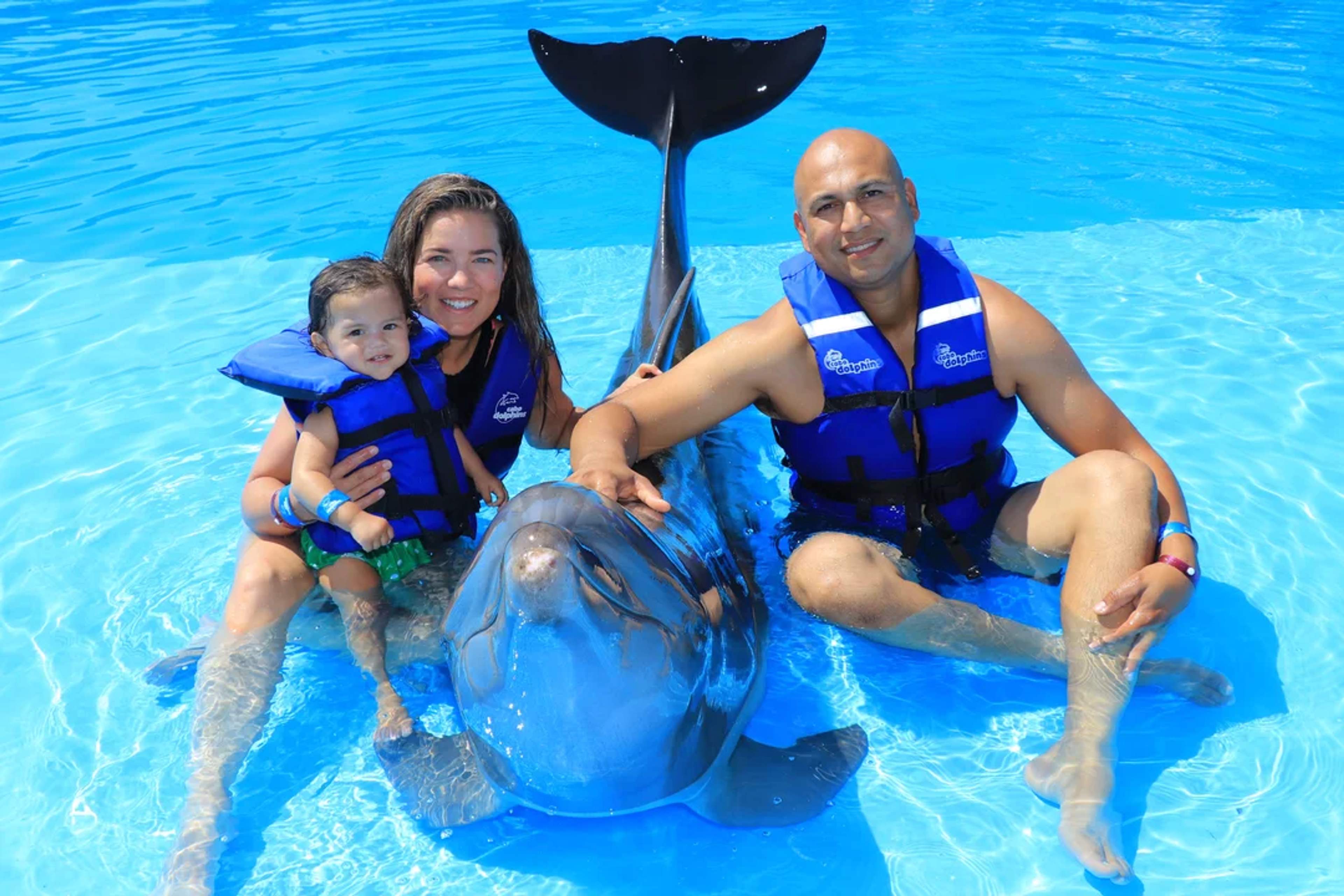
The Cabo Dolphin Encounter takes place at an American Humane Certified facility, with shallow-water platforms suitable for toddlers and non-swimmers. Children as young as one year old can participate with an accompanying adult. Knowledgeable trainers guide the interaction, covering dolphin behavior and communication through hand signals.
For older kids and adults wanting more time in the water, deeper interactive sessions give participants a closer look at these marine mammals.
Snorkeling for Families
Chileno Bay and Palmilla Beach along the hotel corridor offer calm, clear waters ideal for younger snorkelers. Both are protected marine areas with reef species visible close to shore, no boat tour required.
One practical note: many Cabo San Lucas beaches have strong surf unsuitable for young children. Families with small kids should prioritize Medano Beach for calm, swimmable water close to the Marina district.
Planning Notes That Help
When to go: December through April brings dry skies, daytime highs around 27–30°C (low 80s°F), and peak whale season. May and November bring excellent conditions with fewer crowds and better rates. July through October is hotter and humid with hurricane risk peaking in September, but warmer ocean temperatures, lower prices, and uncrowded dive sites draw a dedicated following.
Timing your days: Major attractions near the marina see more foot traffic on days when cruise ships are in port. Weekday mornings tend to be quieter for snorkeling, boat tours, and cultural sites. Activities like whale watching and whale shark swims are seasonal, so build your itinerary around what's available during your travel window.
What to carry: Pesos are the local currency and recommended for taxis, tips, and small purchases. Carry small bills, as drivers may not have change. Taxis typically operate on a cash-only, negotiate-before-you-ride basis.
Los Cabos rewards the traveler who steps beyond the beach towel. From 20,000-year-old coral reefs to desert canyons older than memory, the region's depth matches its beauty, and the best way to see it is to get out there.