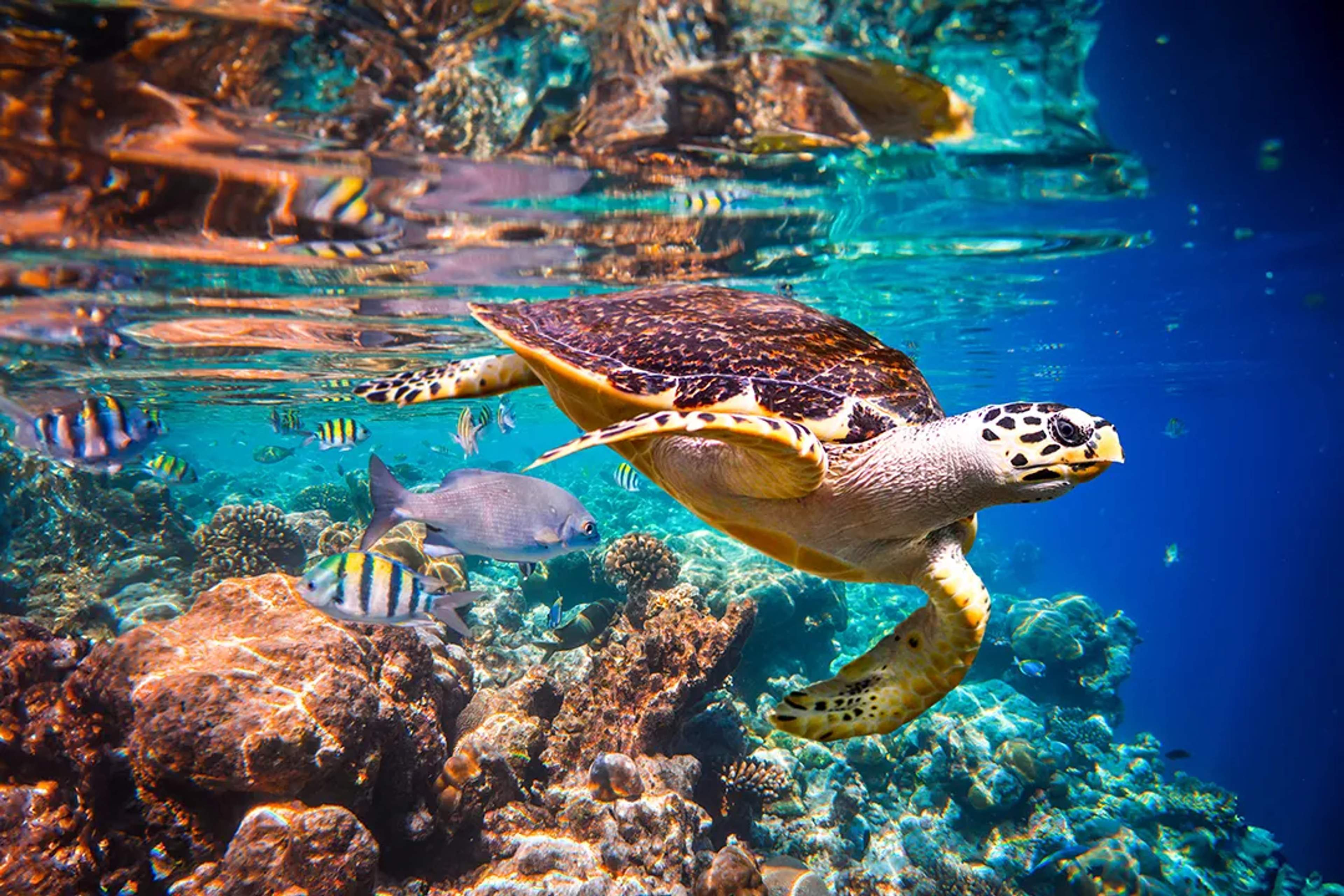
Few coastlines pack as much marine life into one stretch of water as the Sea of Cortez. Cousteau called it the world's aquarium, and a single day on the water usually explains why.
This guide walks through the wildlife and the spots that make the gulf worth the trip. Expect calm bays, deeper channels, and a wildlife calendar that shifts month by month.
What is the Sea of Cortez? Where is the Sea of Cortez?
The Sea of Cortez, also called the Gulf of California, is a marginal sea of the Pacific with about 4,000 kilometers of coastline and 160,000 square kilometers of surface area. Its waters touch four Mexican states, Baja California, Baja California Sur, Sonora, and Sinaloa, with shallow shelves in the north and deeper basins in the south.
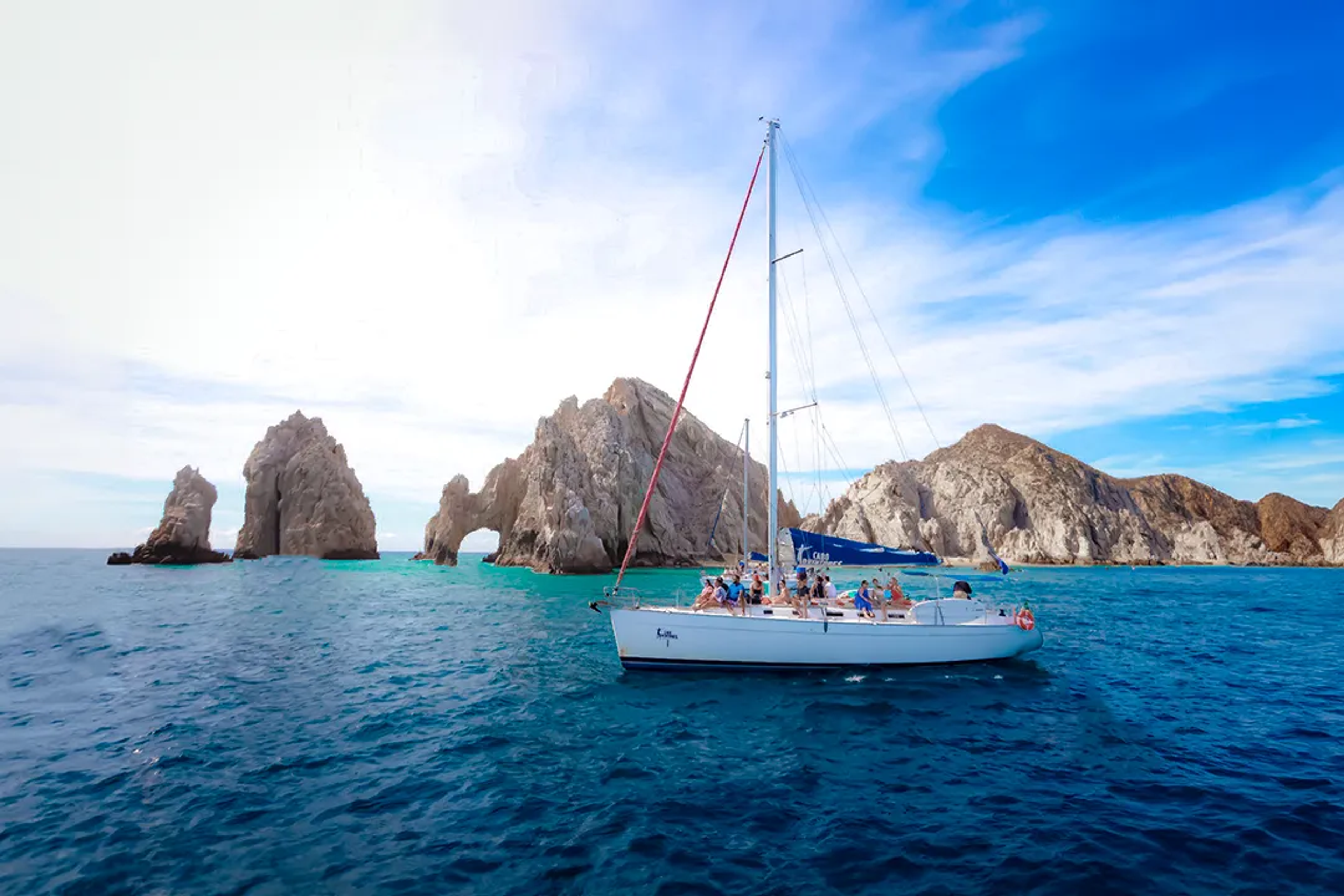
Most travelers base themselves in Los Cabos at the southern tip, where the Gulf meets the Pacific at Land's End in Cabo San Lucas. That divide matters for swimming. The gulf side has sheltered bays and sandy bottoms like Médano Beach, while the Pacific side runs heavy swells at Divorce Beach and Solmar, better for sunsets than swims.
Lifeguards use color-coded flags on the main beaches, and conditions can shift throughout the day.
Best Spots and Things to Do in the Sea of Cortez
The gulf covers thousands of miles of coastline, so choose by pace. Calm bays and sandy beaches suit families and casual swims, sheltered coves suit snorkeling and paddling, and offshore sites open up for divers. The sections below group the highlights so you can build a day around them.
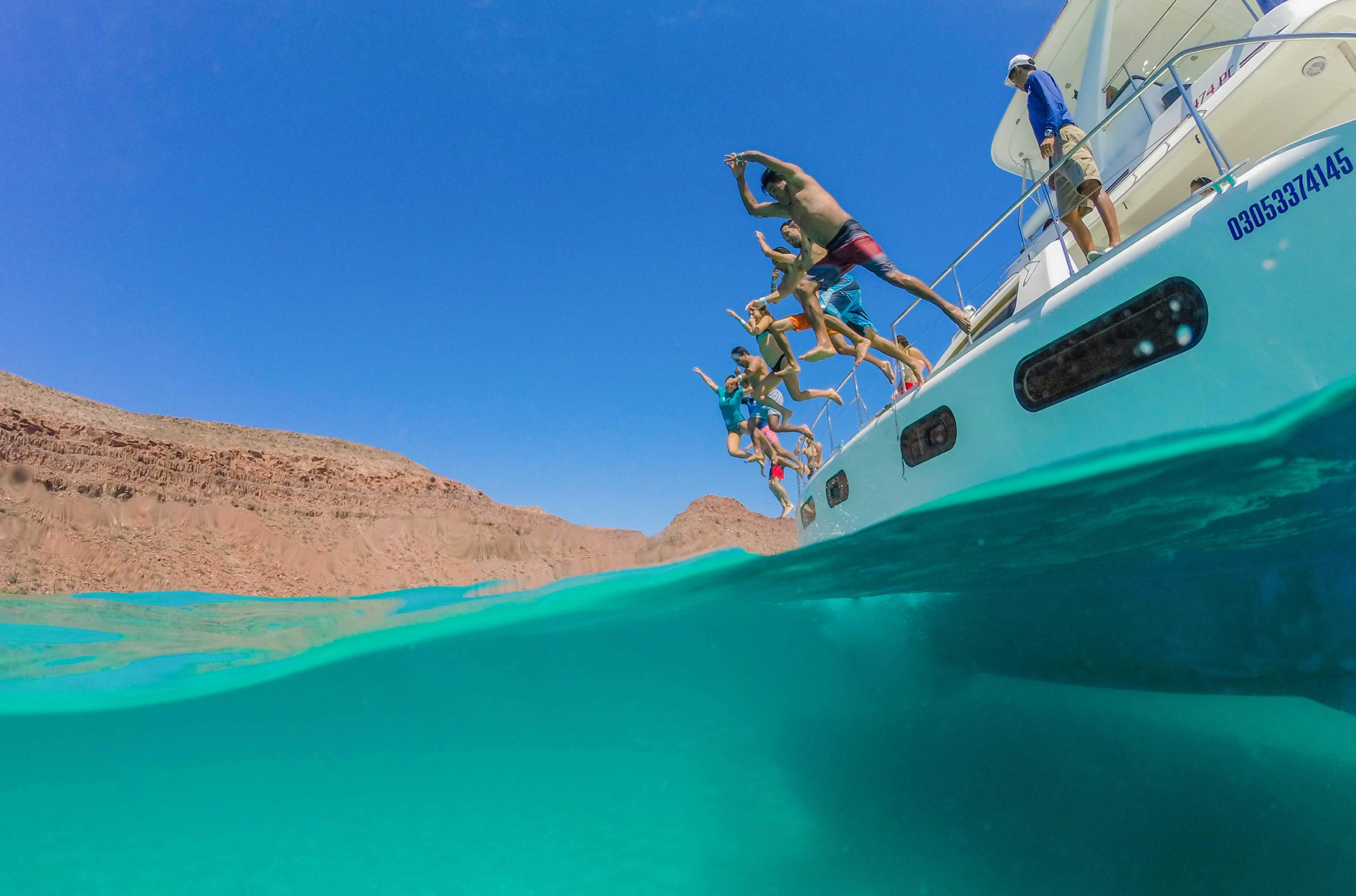
Snorkel and Dive the Gulf's Underwater Highlights
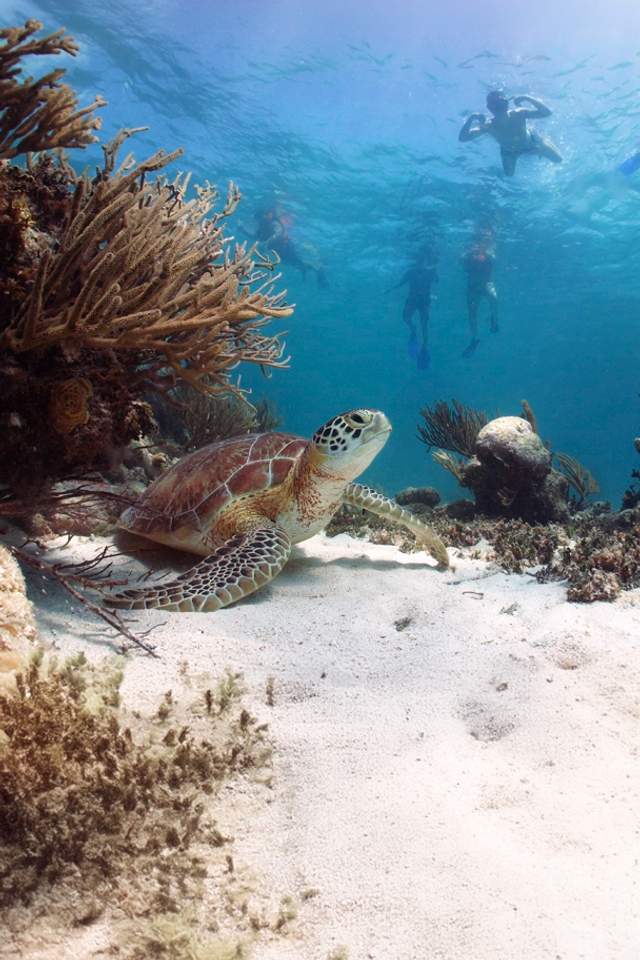
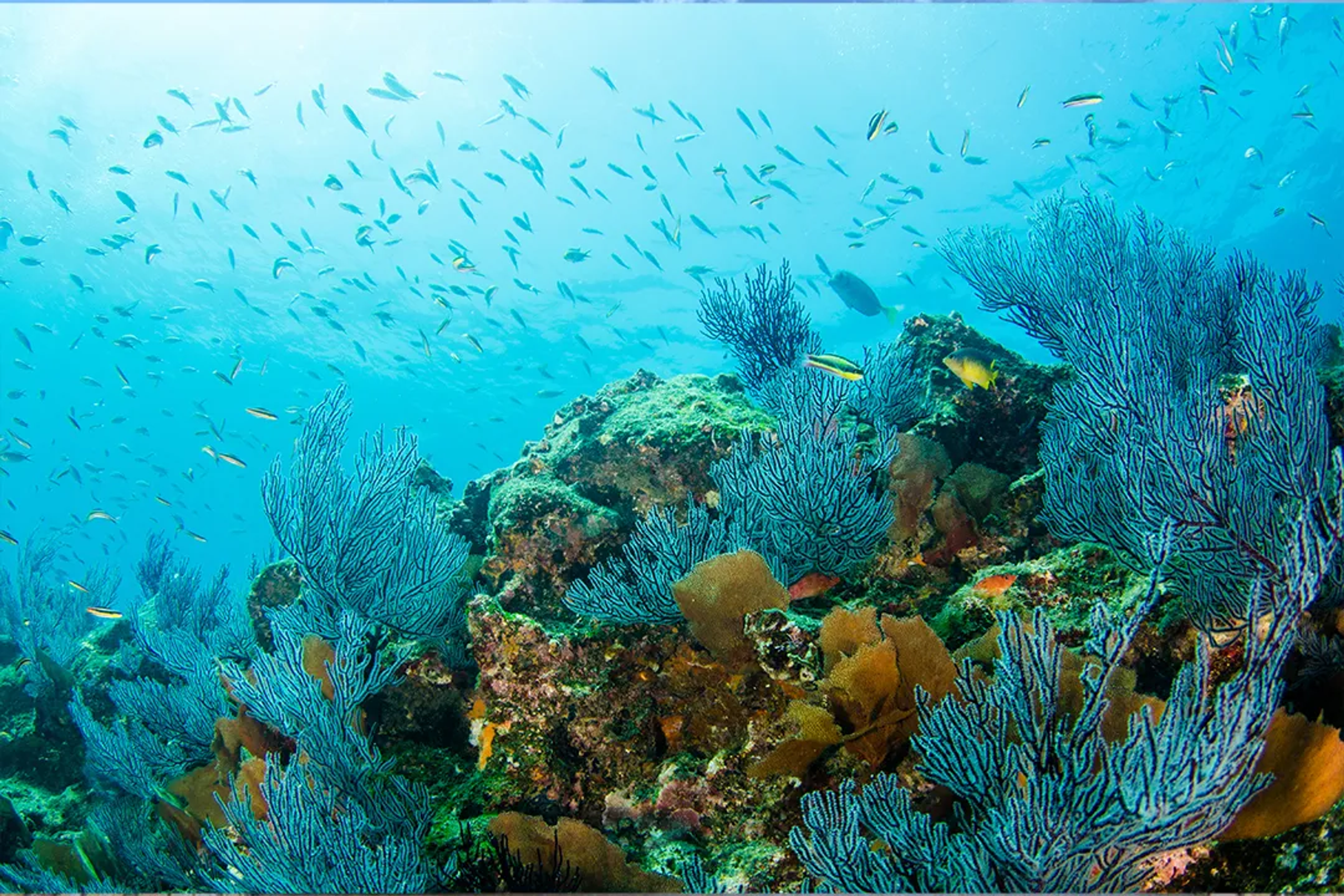
Float above a 20,000-year-old coral reef while sea turtles glide beneath you and sea lions cruise past in the shallows. Cabo Pulmo Snorkeling Expedition handles the drive, the park permit, and the guide requirement, so beginners can focus on the water.
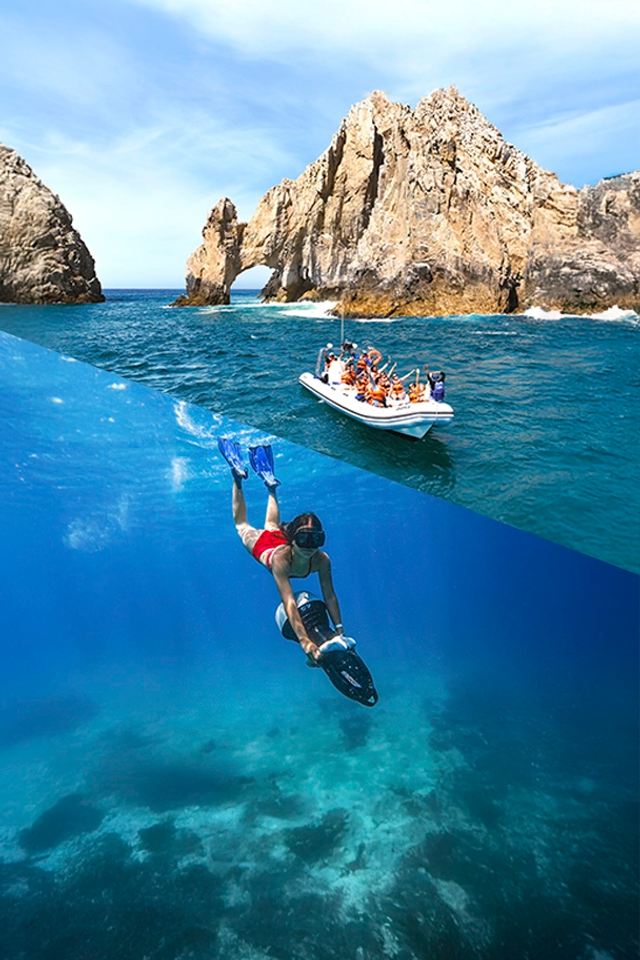
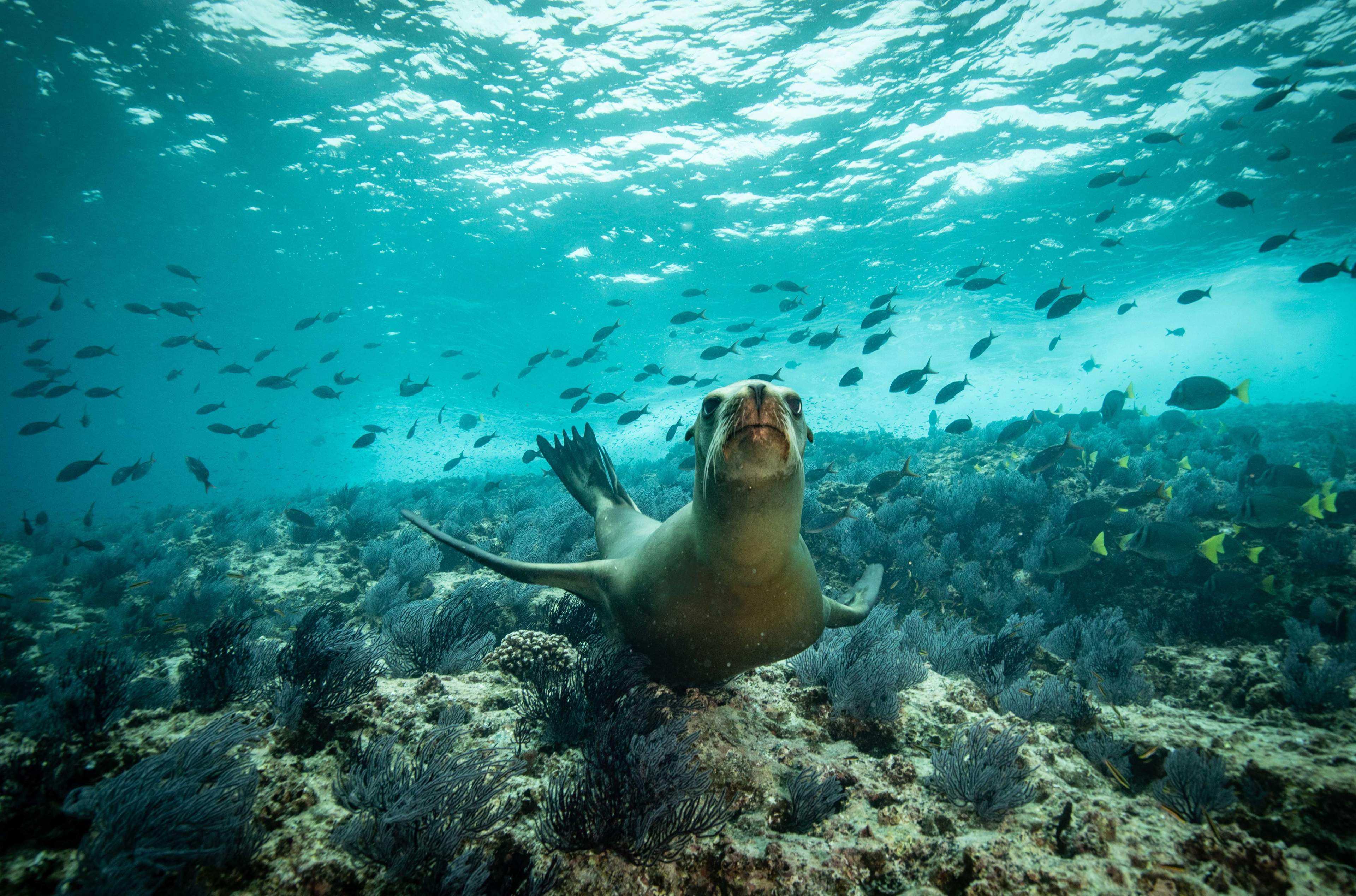
Closer to town, drop into the blue at the base of the Arch, where sea lions dart past your fins, and Neptune's Finger rises from the seabed. Cabo Scuba Diving at Land's End is open to certified divers only.
Beaches, Hikes, and Off-Road Escapes
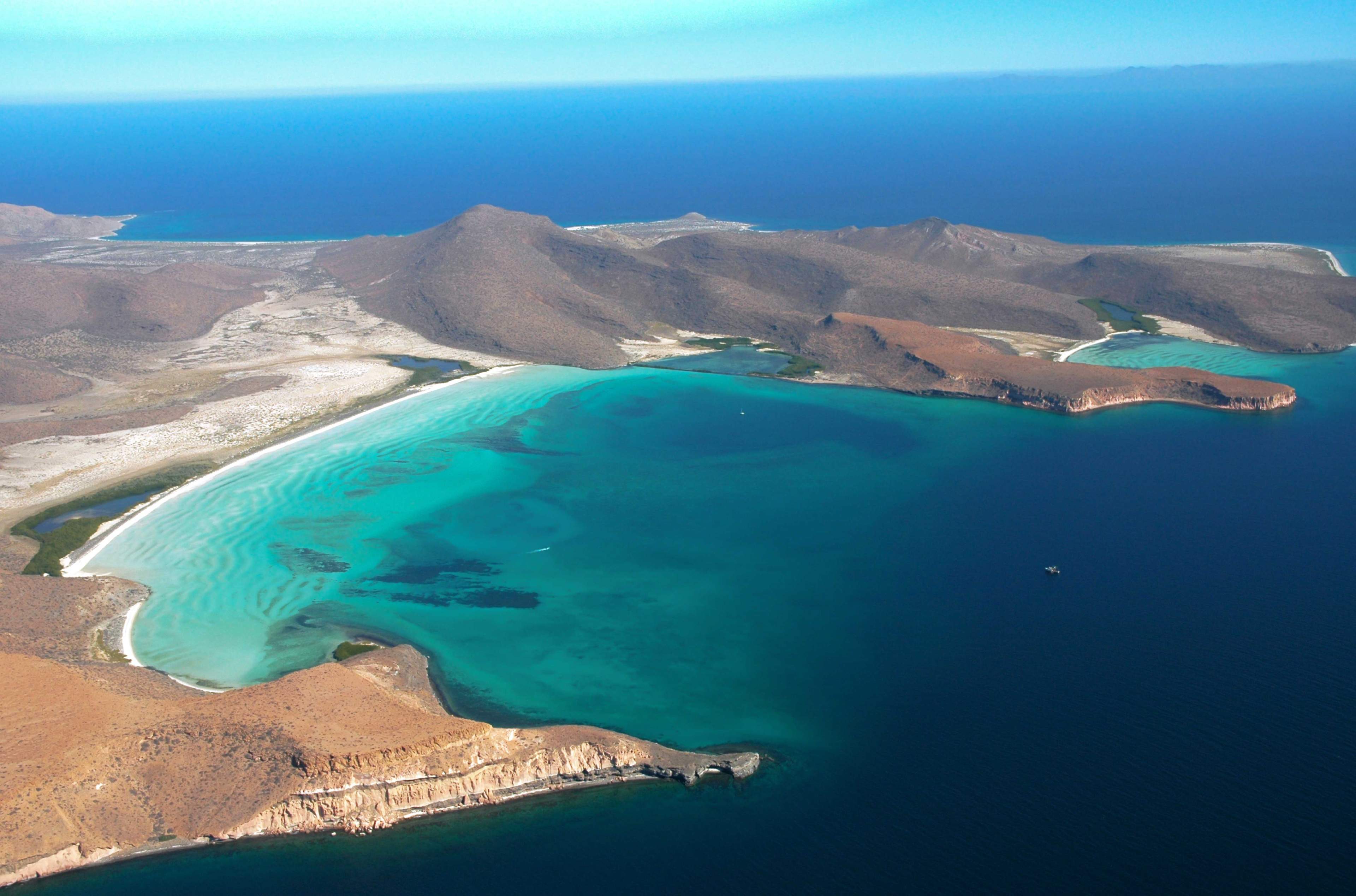
Palmilla near San José del Cabo is a protected cove, while Balandra near La Paz uses timed entry to keep the beach quiet. Inland, Cañón de la Zorra and the Sol de Mayo waterfall offer hiking and a swimmable pool in the Sierra de la Laguna, and off-road tracks on the East Cape run through arroyos toward the coast.
Sail, Speed, and Paddle Past Land's End
Mornings tend to bring flatter water and lighter winds before boat traffic builds near the Arch. Médano Beach anchors the water sports scene with rentals on the sand, while the coves near La Paz suit paddlers looking for quieter water.
Speed past Land's End into a sheltered cove for snorkeling on Cabo Arch Tour & Snorkeling, a family-friendly day for ages five and up. For a slower pace, Luxury Cabo Sailing trades speed for a French-made catamaran, gourmet bento lunch, and open bar.
Family-Friendly Bays and Protected Reefs
Chileno Bay offers snorkeling straight from the beach, with reef fish over the rocks and showers that families appreciate. Santa María Bay nearby is a designated marine preserve with coral, tropical fish, and rays close to shore. Farther out, Isla Espíritu Santo north of La Paz receives guided snorkeling trips from the city.
Dive Sites for Every Experience Level
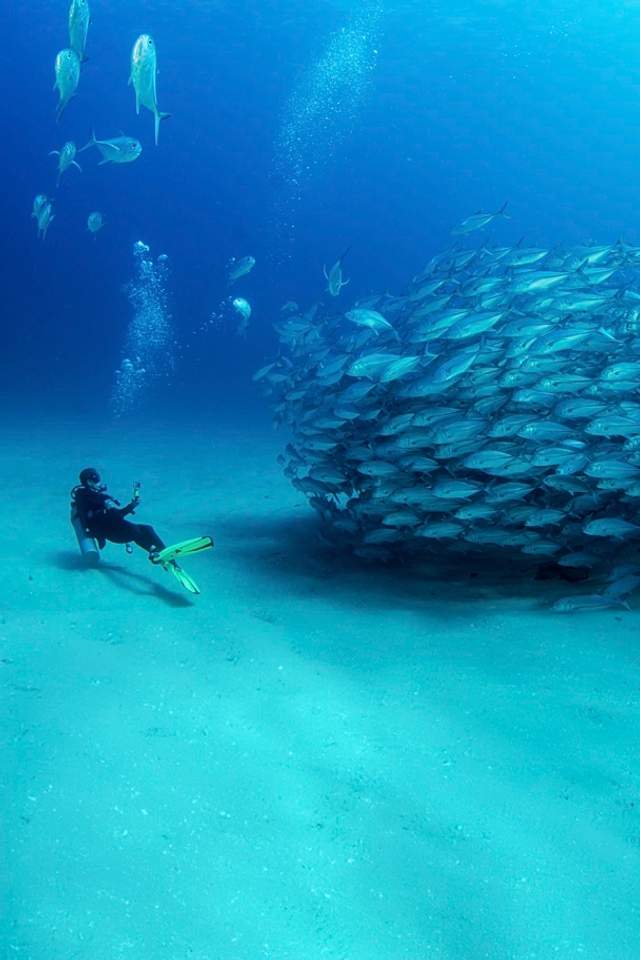
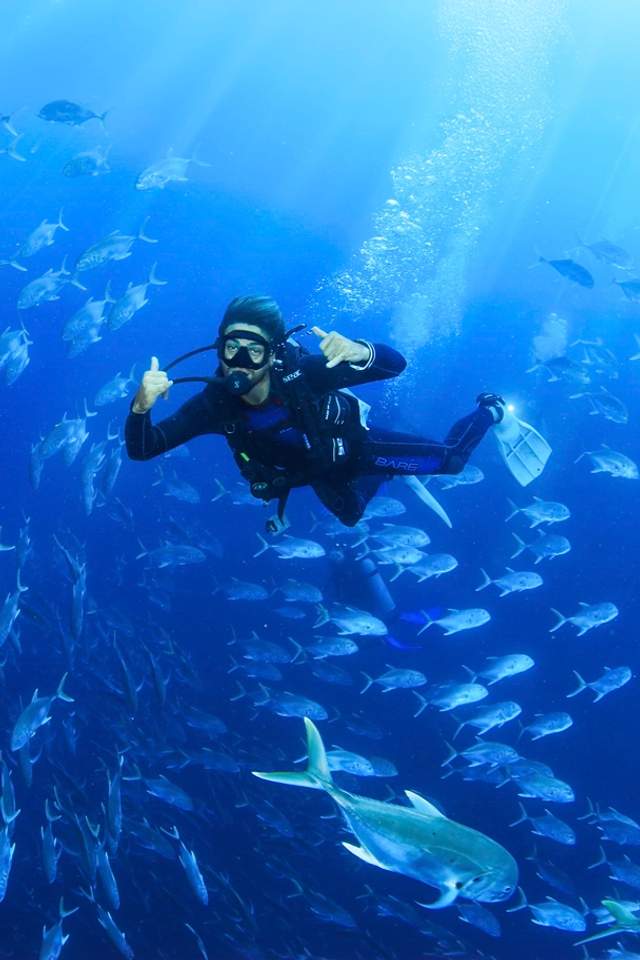
Dive sites near Cabo San Lucas begin a short boat ride from the marina. Pelican Rock suits a range of levels, the Sand Falls are advanced, and Gordo Banks off San José del Cabo demands open-ocean experience.
Near La Paz, Los Islotes can suit beginners, while the Salvatierra wreck is intermediate and El Bajo requires more experience for its open water and currents. At Cabo Pulmo, guide-led dives may bring bull sharks into view.
Day Trips, Overnight Bases, and Cruises
From Cabo San Lucas, Cabo Pulmo runs about two hours each way as a full-day outing, and La Paz sits 2 to 2.5 hours out.
Loreto is not a practical day trip at 6 to 7 hours by road, but it works as a separate base for blue whales. Small-ship expedition cruises of 7 to 12 nights suit travelers chasing remote islands.
Marine Life in the Sea of Cortez
The gulf supports thousands of fish and mammal species, some 5,000 micro-invertebrates, and more than 900 islands that nest thousands of seabirds. Depending on the season, a day on the water can bring whales, rays, sea lions, and sharks.
Humpbacks visit Los Cabos in winter under Mexico's whale-watching regulations, gray whales calve in Pacific lagoons, and blue whales winter near Loreto.
Whales Off Cabo in Winter
Watch humpbacks breach and tail-slap on their winter migration, and hear their songs through hydrophones lowered into the water. A marine specialist calls out the behavior in real time on Cabo Whale Watching, which runs from custom rigid inflatable boats built for close, low-impact viewing.
Swimming with Whale Sharks Near La Paz
Whale sharks gather seasonally inside a protected refuge in La Paz Bay under Mexican rules that keep the encounter snorkel-only, guide-led, and small in group size. Winter water runs cool enough that a wetsuit is useful.
Swim alongside the largest fish in the ocean as it filters plankton through the shallows on La Paz Whale Shark Tour, which covers round-trip transport, wetsuits, and a Baja-style lunch after the swim.
Rays, Sea Lions, and Year-Round Encounters
Munk's devil rays, known as mobulas, gather in the gulf in late spring and early summer, with a smaller window at the start of winter. California sea lions occupy the rocks at Land's End year-round, with pups visible in winter, and the larger rookery at Los Islotes receives snorkelers outside the summer breeding closure.
Dolphins are present year-round, while divers head to El Bajo for hammerheads in autumn.
Travel to the Sea of Cortez, A UNESCO World Heritage Site
World Heritage status has not stopped tourism in the gulf. Permits, park rules, licensed guides, and conservation fees help balance continued use with preservation, and Mexico's protected-area agency oversees activities in protected parks.
Cabo Pulmo's reef recovered through decades of community-backed protection and is rebuilding after recent bleaching. Coral recovery takes years, while fish, turtles, and sharks continue to return. Following beach flags, park instructions, wildlife-distance rules, and guide requirements helps preserve the same experience for future visitors.
The Eastern Pacific hurricane season runs from late spring through autumn. Boat trips pause when conditions require it and resume after the weather clears, so keep your plans flexible during that window.
Planning Your Sea of Cortez Trip
The gulf rewards travelers who show up ready to look, listen, and follow the guide's lead. What you find on any given day depends on the season and the swell, which is part of why the same coastline keeps drawing people back.
Pick a window that matches the wildlife you want to see. Browse our Sea of Cortez adventures when the dates start to firm up.
Frequently Asked Questions About the Sea of Cortez
What is the best time of year to visit the Sea of Cortez?
November through April offers dry weather and the broadest mix of humpbacks, whale sharks, and sea lion encounters. Travelers focused on warm water and diving conditions often prefer July through November. July through October also carries the greatest hurricane risk, so flexible plans are important.
Can you swim safely in the Sea of Cortez?
Yes, at protected gulf-side beaches such as Médano, Palmilla, Chileno, and Santa María when local flags permit swimming. Conditions on the Pacific side are different. Beaches such as Divorce Beach and Solmar can have dangerous surf and currents, so visitors should remain out of the water there.
Should Cabo travelers visit La Paz or Loreto overnight?
La Paz can be managed as a long day trip, but an overnight is more comfortable for whale shark trips, Espíritu Santo, or an early Balandra entry. Loreto requires a separate stay because it is approximately 6 to 7 hours from Cabo by road. It is the stronger choice for travelers specifically seeking blue whales and Loreto Bay National Park.