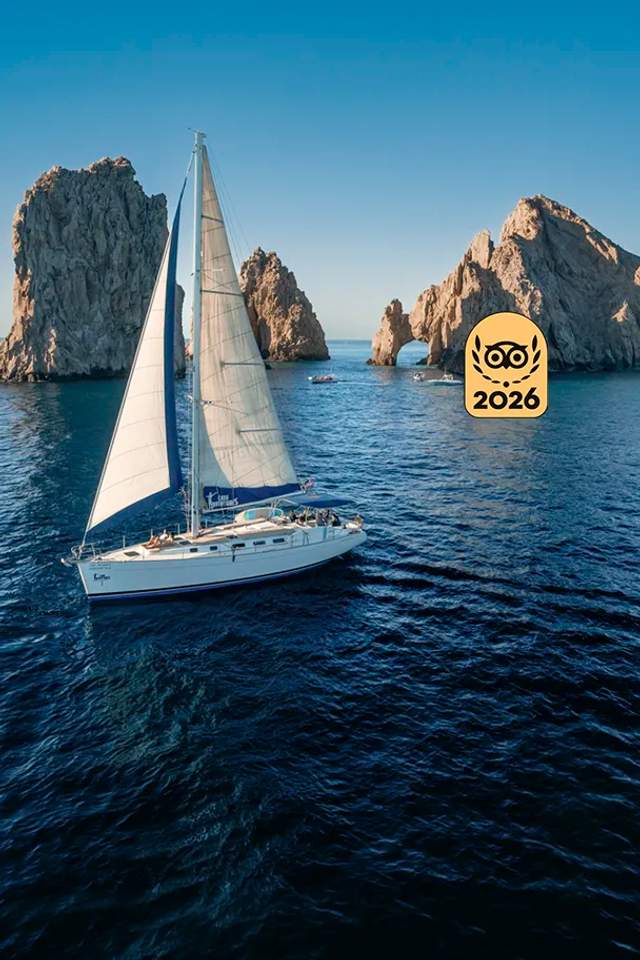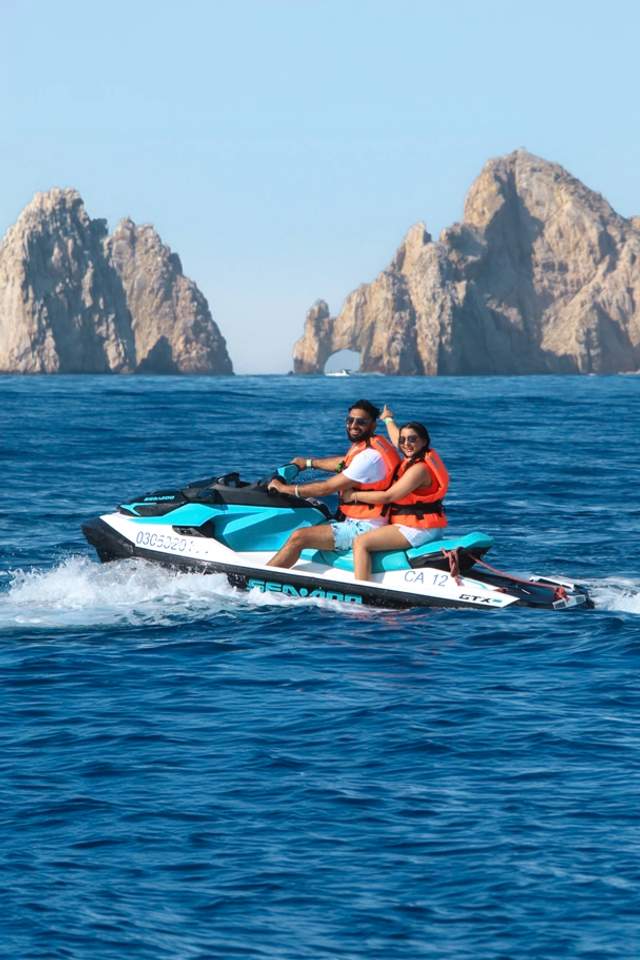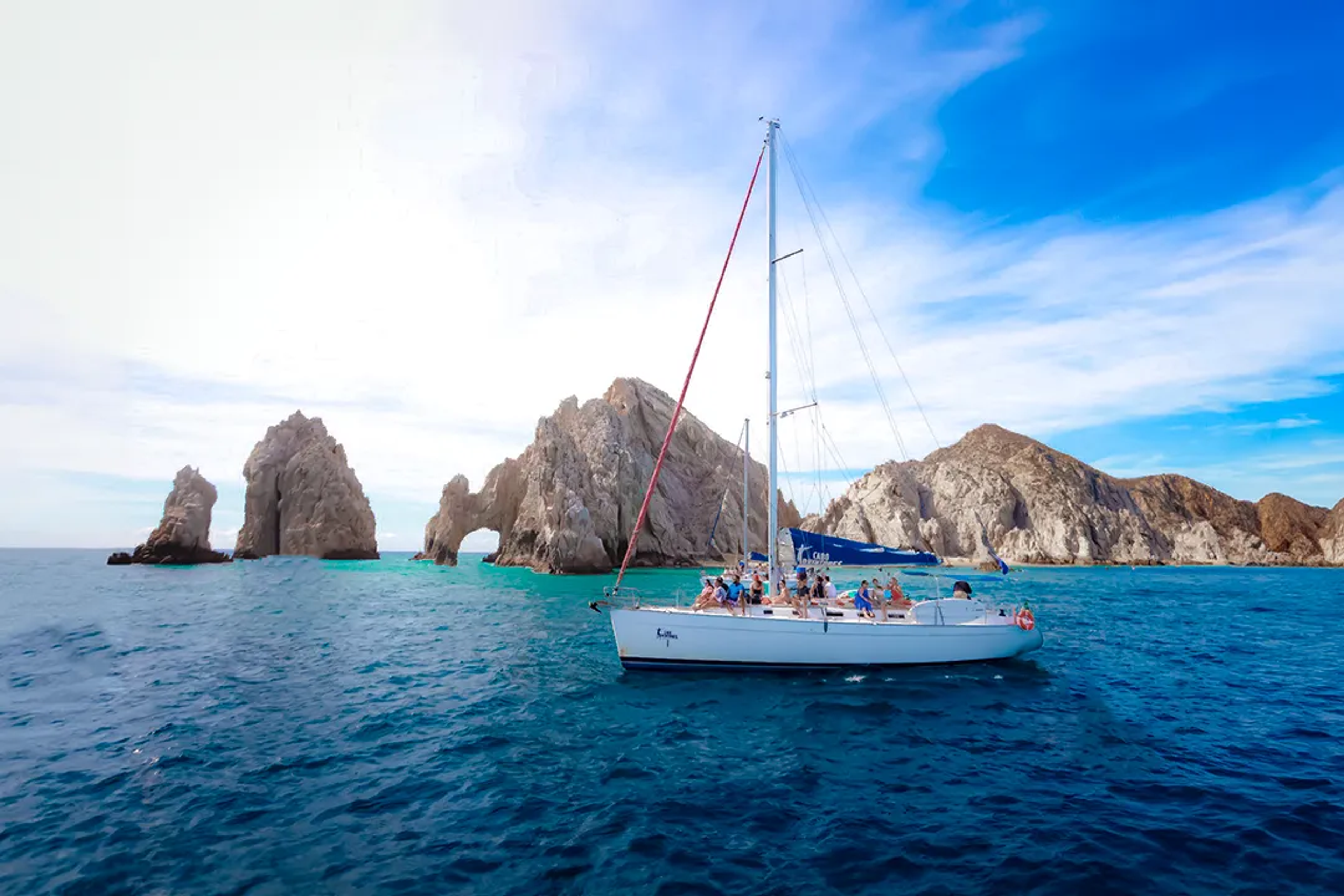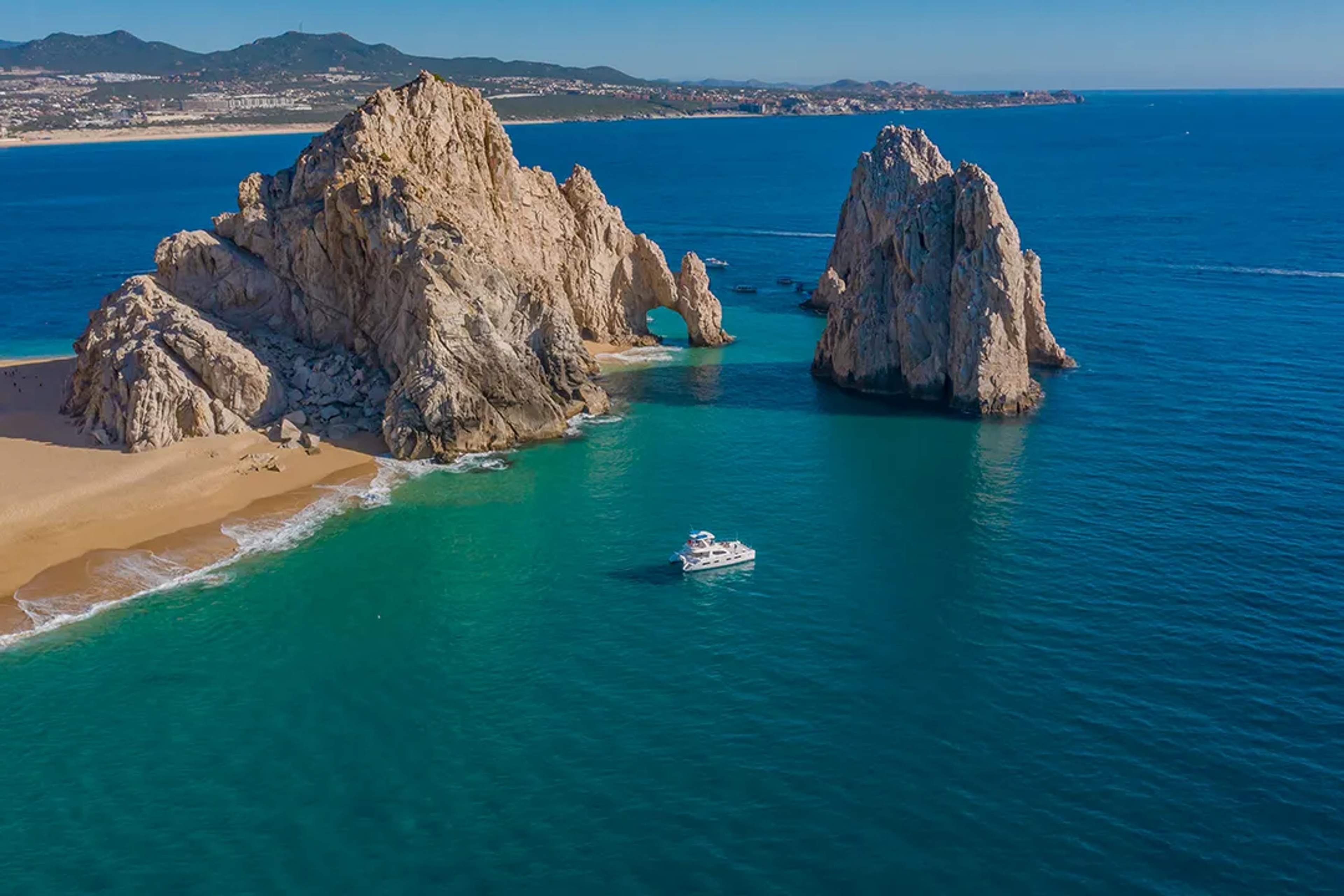
El Arco stands as Cabo's most iconic landmark, first appearing as a shadowy silhouette underwater before transforming into a towering granite cathedral as your boat approaches. Sea lions call from sun-warmed rocks nearby, creating a perfect photo opportunity. Here, at the tip of Mexico's Baja California Peninsula, the Pacific Ocean meets the Sea of Cortez, creating unique hydrological conditions found nowhere else on Earth.
This remarkable convergence defines Cabo's top sightseeing attractions, from diverse marine ecosystems to stunning coastal formations that have drawn visitors for generations. The meeting of cooler Pacific waters with the warmer Sea of Cortez generates nutrient-rich upwellings that support extraordinary biodiversity in these protected waters.
Cabo's Most Iconic Natural Landmarks
El Arco and Land's End
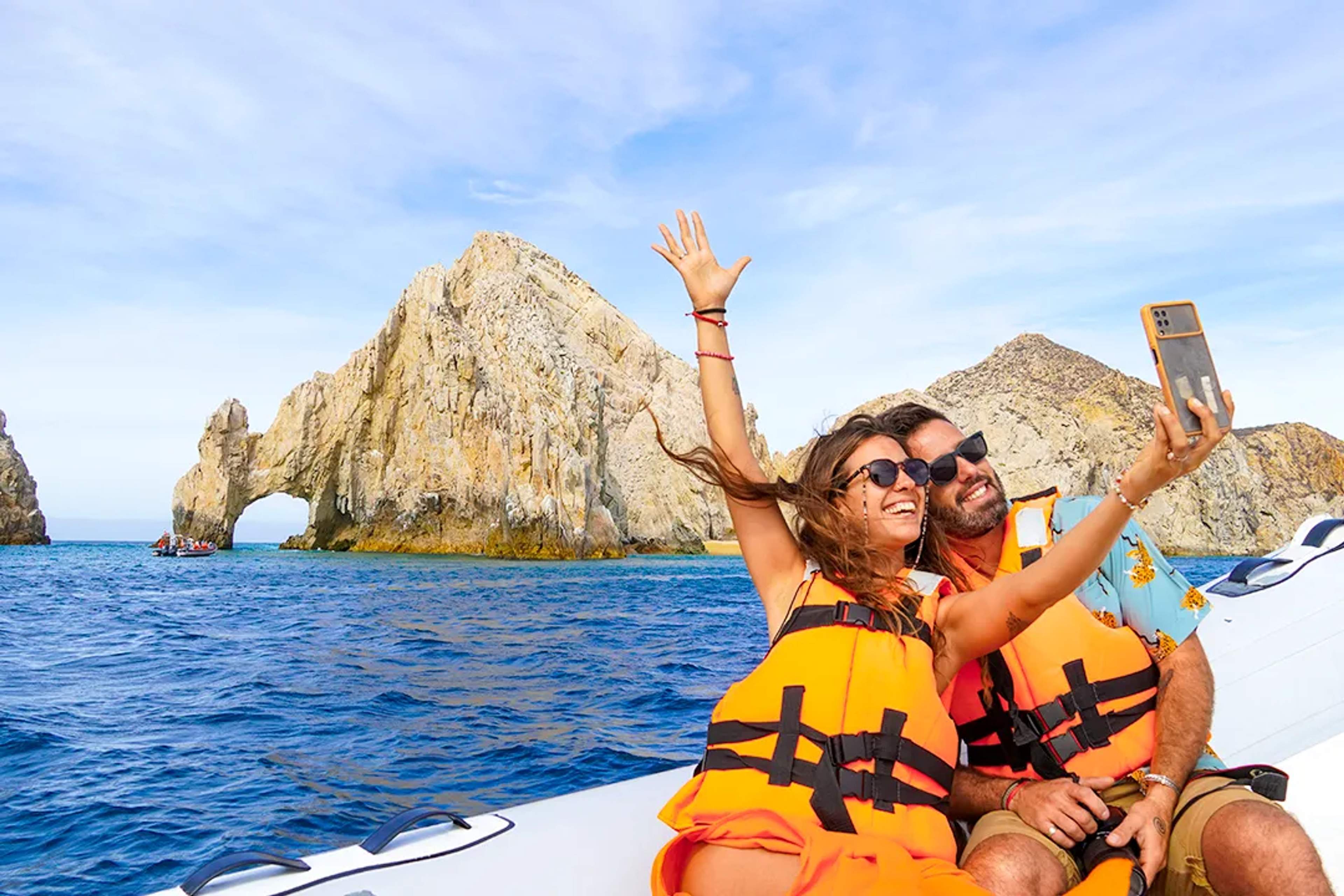
The granitic rock formation known as El Arco stands at the precise point where the Pacific Ocean meets the Sea of Cortez. These structures spent millions of years being sculpted by wave action into the distinctive arch that defines Land's End.

Early morning provides the clearest light for photography. Sunset transforms the granite into warm gold tones, though choppy water conditions can make boat approaches less comfortable for families with young children.
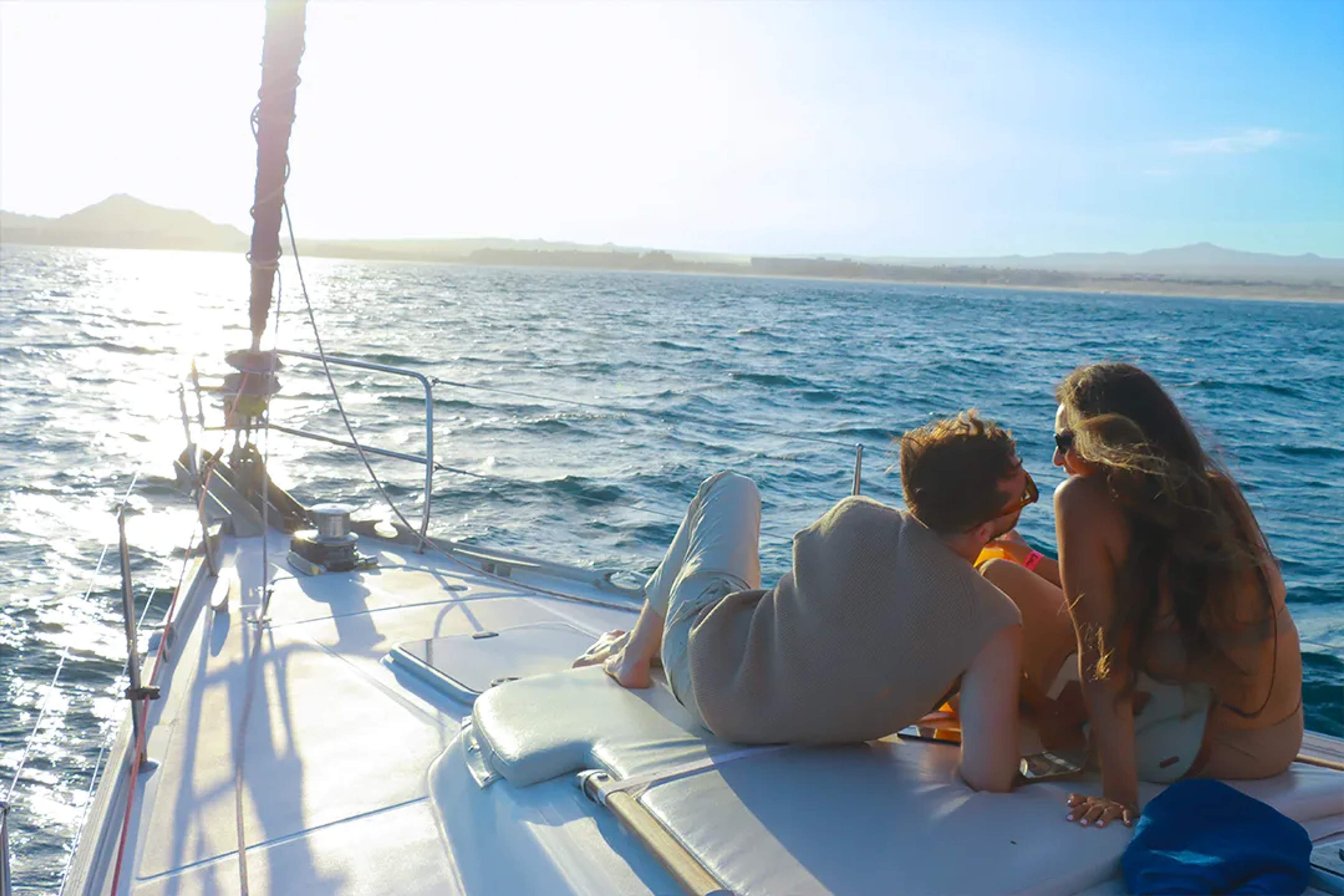
The Luxury Day Sailing tour passes Land's End during optimal lighting conditions, combining arch viewing with snorkeling at protected bays along the Sea of Cortez coast.
Lover's Beach and Divorce Beach
Lover's Beach nestles within a protected cove between towering granite formations on the Sea of Cortez side of Land's End. The massive rock walls shield the beach from strong currents, creating one of Cabo's few truly swimmable shorelines with calm, inviting waters.
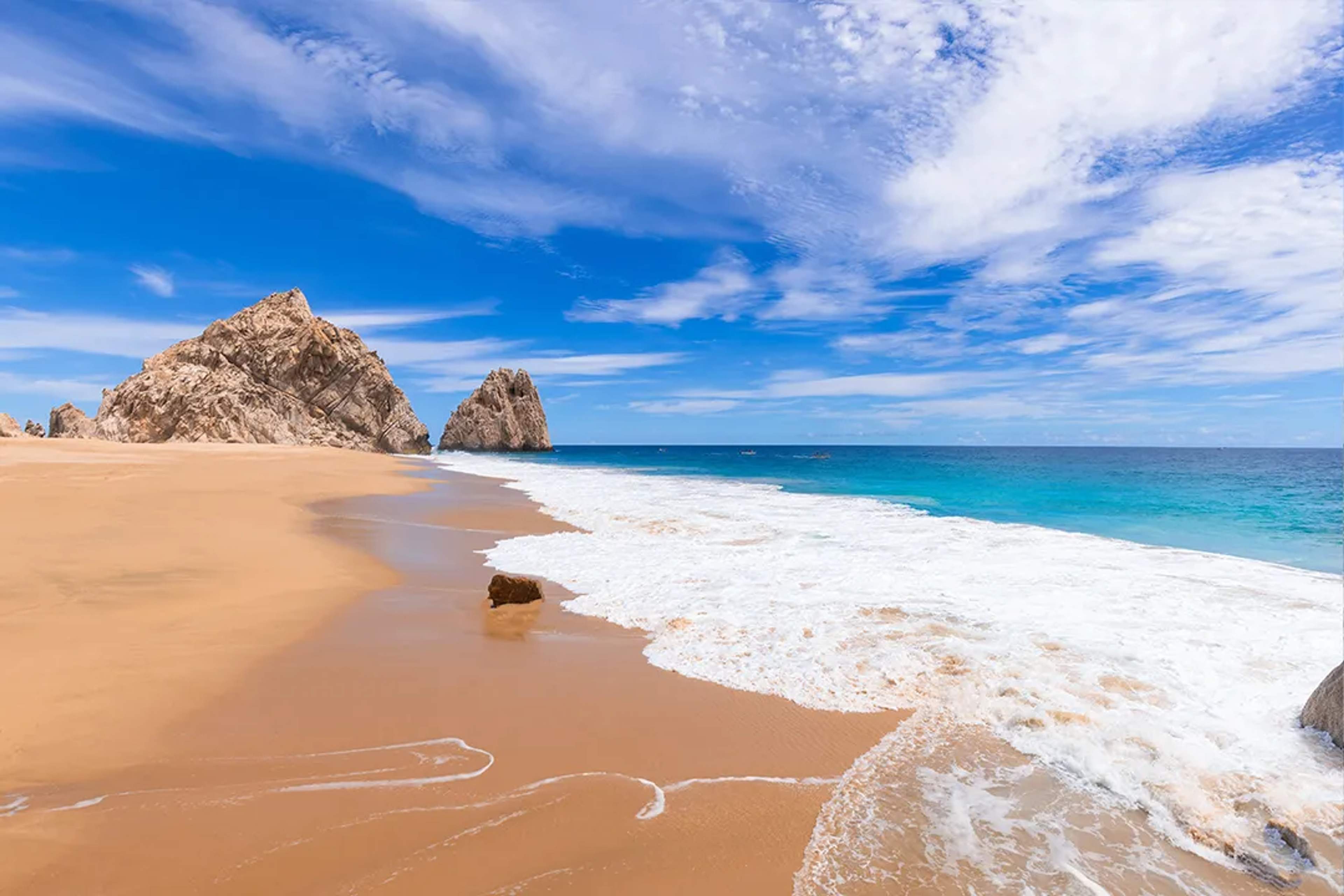
Consistently ranked as the most popular yet serene swimming beach in the region, Lover's Beach offers a tranquil escape. However, a short walk across the narrow strip of sand leads to Divorce Beach, which faces the treacherous Pacific Ocean. Los Cabos beaches along the Pacific side feature powerful rip currents, dangerous waves, and have seen numerous fatalities.
Remember this crucial safety rule: Sea of Cortez side for safe swimming; Pacific Ocean side for photography only; never enter the water.
Medano Beach
Medano Beach stretches along downtown Cabo San Lucas with reliable protection from Pacific swells, creating the area's primary swimming beach for families. The wide sand expanse accommodates beach volleyball courts, rental chair setups, and water activity outfitters providing kayaking and paddleboarding equipment.
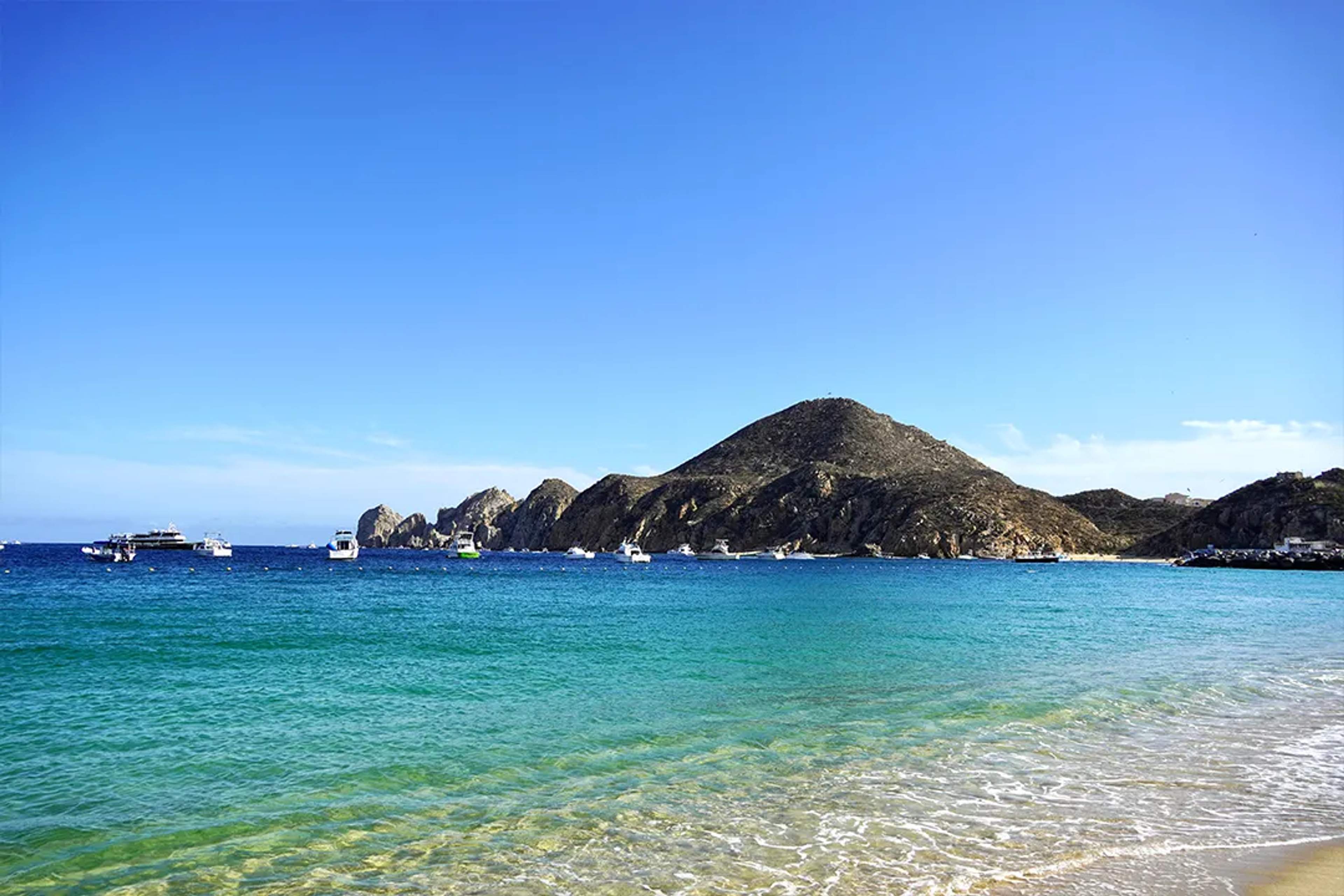
Proximity to the marina district means restaurants and facilities sit within walking distance. Water conditions remain consistently calmer on the Sea of Cortez side than on Pacific-facing beaches. Beach clubs provide organized amenities for travelers seeking structured beach day setups with food service and equipment rentals included.
Marine Life and Ocean Sightseeing
Whale Watching Opportunities
Seasonal whale populations create remarkable marine wildlife viewing opportunities. December through April brings multiple species to the region:
- Humpback whales arrive for mating, calving, and nursing in the Sea of Cortez waters
- Gray whales migrate past heading to breeding lagoons 300-400 kilometers north
- Peak southbound migration occurs from December through January
- Northbound return with newborn calves happens from February through April
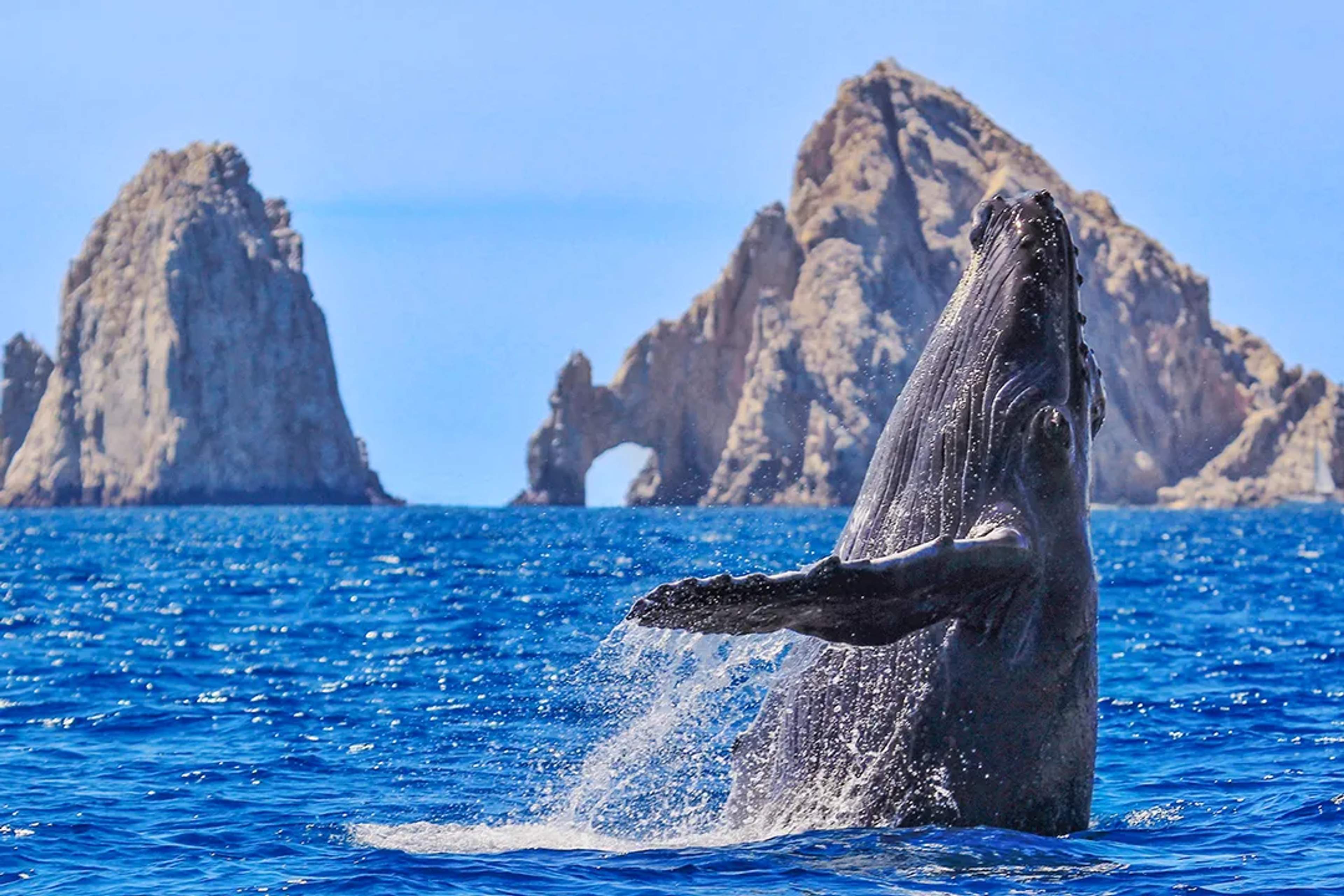
Professional guides position vessels to observe breaching, tail slapping, spy-hopping, and mother-calf interactions while practicing responsible whale watching. Our Whale Watching tours operate throughout the December-April season, with peak viewing during January to March.
Cabo Pulmo National Park
Cabo Pulmo National Park protects a coral reef system approximately 60 miles north of Cabo San Lucas. This northernmost coral reef in the eastern Pacific, approximately 20,000 years old, ranks as one of the oldest and most important reef systems in the American Pacific.
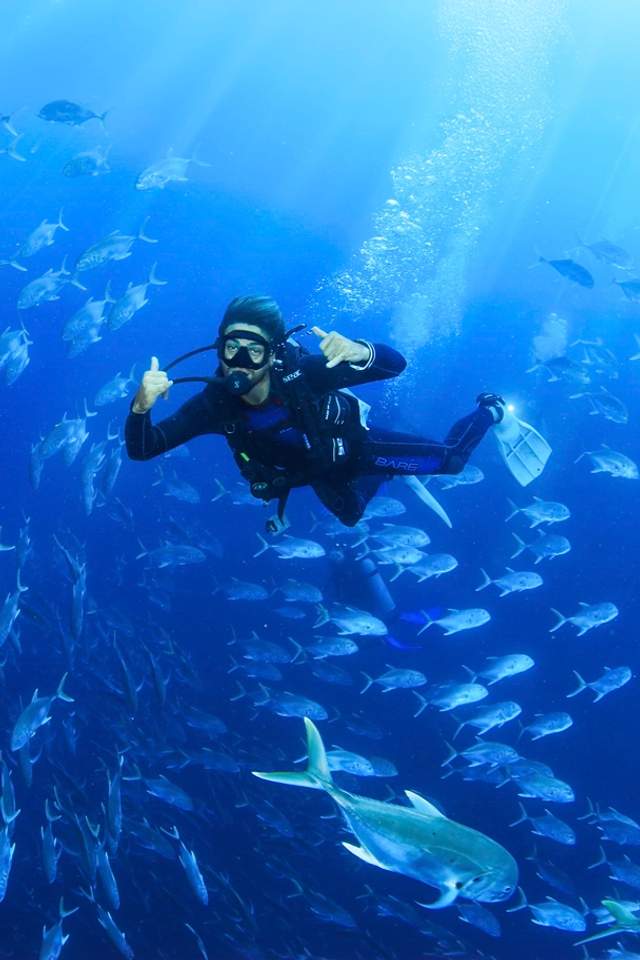
The strict no-fishing protection implemented in 1995 resulted in a 463% increase in fish biomass between 1999 and 2009. Marine life recovery has created exceptional diving conditions:
- Large schools of trevally and bull sharks during seasonal periods
- Multiple sea turtle species nesting and feeding
- Dense concentrations of tropical reef fish
- Rays gliding over sandy channels between coral heads
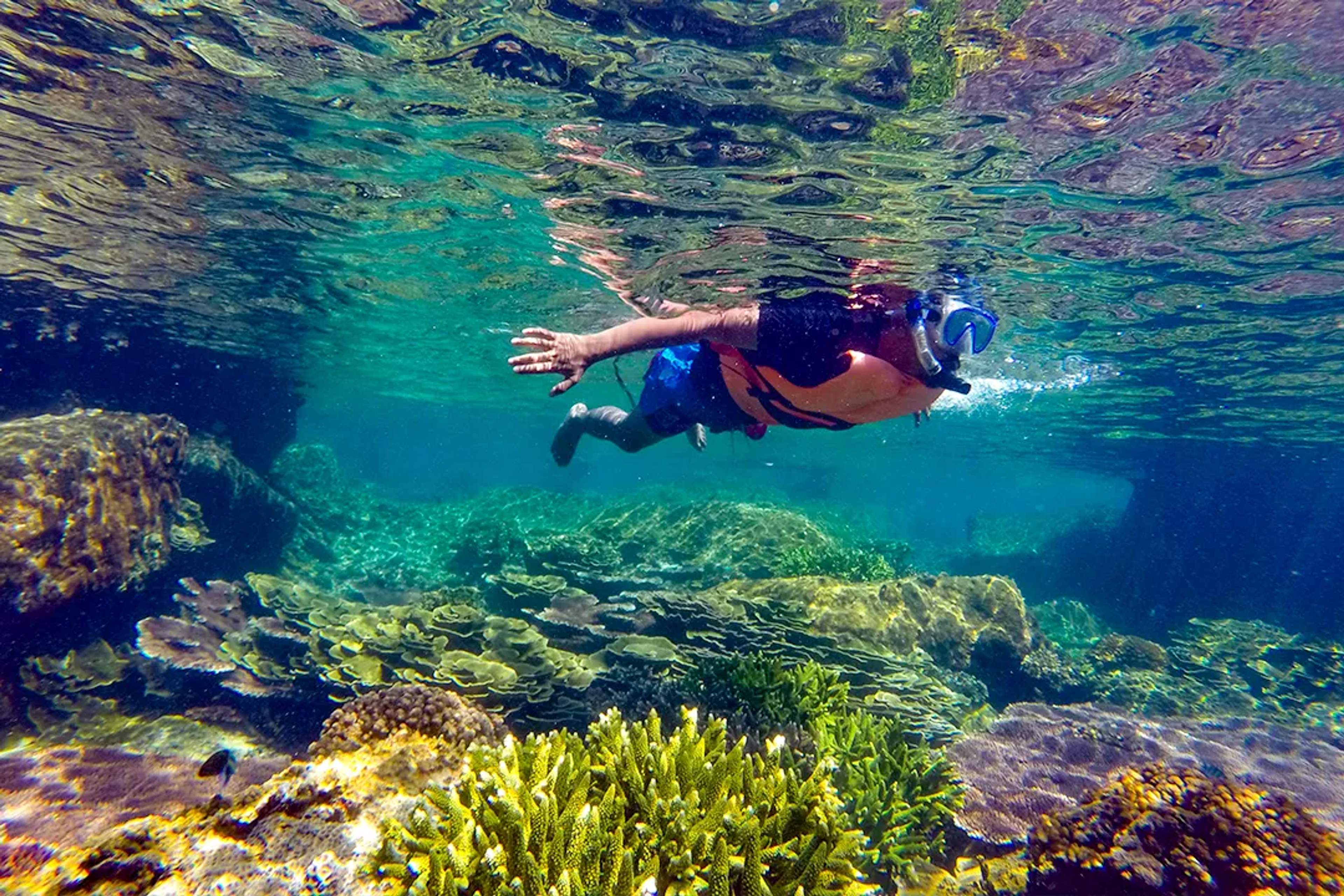
October through November typically provide peak visibility conditions, though the park remains accessible year-round. The Cabo Pulmo Snorkel Expedition tour provides transportation, professional guides, and equipment for accessing this UNESCO World Heritage Site.
Visiting Cabo Pulmo directly supports the local fishing community, which has chosen long-term ocean health over short-term catches; your tour payments validate their sacrifice.
Cultural and Historic Sights in San José del Cabo
Mission of San José del Cabo
The historic mission stands in the historic downtown district near Plaza Mijares. Founded in 1730, the mission represents the southernmost Jesuit establishment on the Baja California Peninsula.
Spanish colonial architecture frames the interior tile mural depicting the violent 1734 Pericú revolt against Spanish missionaries. The mission remains an active parish with free public access during daylight hours, providing insight into Spanish colonial evangelization efforts and indigenous resistance to religious impositions. Our Los Cabos Arch and City Tour offers you a chance to see this iconic site and explore the culturally rich city of San Jose.
Art Walk and Gallery District
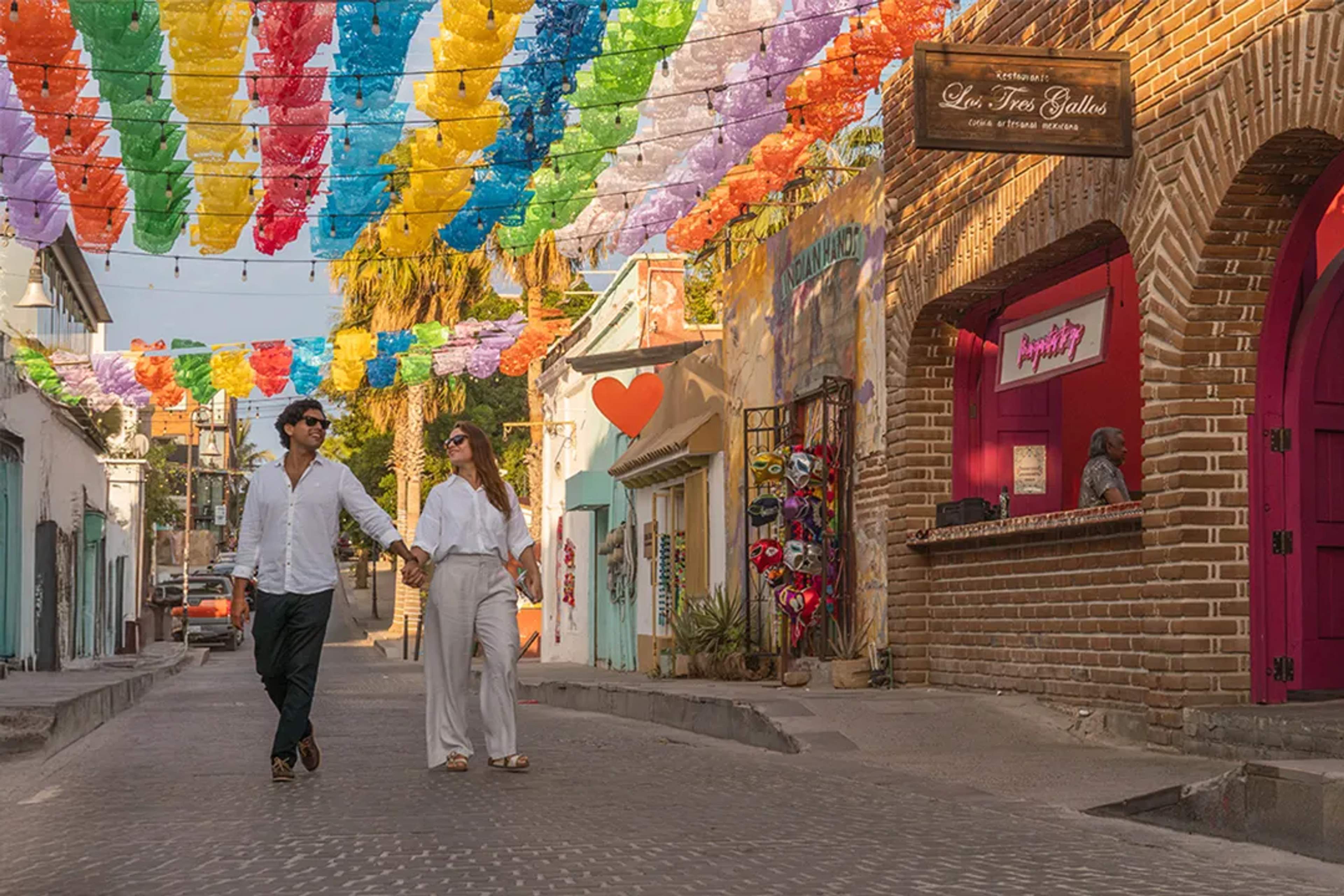
The Thursday evening Art Walk operates November through June from 5:00-9:00 PM, transforming the Gallery District behind the mission into a pedestrian-friendly cultural event. This tradition dates to 2006 when gallery owners formed the District Gallery Association and blocked traffic to create weekly public art access.
Dozens of galleries open with wine, exhibiting work by Mexican and international artists connected to the Sea of Cortez environment. Street musicians perform throughout the district while visitors wander between colonial courtyards and contemporary exhibition spaces. Restaurant reservations for Thursday evenings require advance booking.
Art & Wine tour offers a complete cultural evening with a guided downtown stroll, wine tastings paired with appetizers, visits to multiple galleries, a stop at a local cigar-making shop, and free shopping time. Your bilingual expert guide provides transportation from most Los Cabos hotels, ensuring a seamless Art Walk experience.
Marina District
The Marina district connects Cabo San Lucas attractions through waterfront promenades where luxury yachts dock and pelicans hover over fishing boat cleaning stations. This central hub serves as the departure point for water-based activities and provides elevated views of El Arco from the breakwater at sunset.
Nearby Pueblos Mágicos and Day Trips
Todos Santos: Pacific Coast Artist Community
Todos Santos sits approximately 50 miles north along the Pacific coast, accessible via a scenic highway requiring approximately one hour driving time. This historic town received its Pueblo Mágico designation in 2006 from Mexico's Tourism Ministry, recognizing its cultural heritage value.
The town's economy transitioned from 19th-century sugar mill operations to a contemporary arts focus. Multiple sugar mills operated during peak production years in the late 1800s.
The last facility closed in 1965, ending agricultural dominance and allowing artistic communities to establish a presence in historic buildings. Art galleries and craft studios occupy former colonial structures throughout the compact downtown area.
Hotel California sits on the main street, a local landmark since 1950, with no official connection to the famous Eagles song. Our Magical Todos Santos tour handles transportation logistics and provides guided visits through the historic Pueblo Mágico district.

Pacific Coast Scenic Drive
The highway connecting Cabo San Lucas with Todos Santos follows a dramatic Pacific coastline with waves crashing against rocky outcrops. Los Cerritos Beach provides surfing conditions along the route.
Surf forecasting indicates optimal conditions when northwest swells combine with offshore winds, creating waves typically measuring 4 feet, suitable for intermediate and advanced surfers. The drive takes approximately one hour each direction, with multiple viewpoint stops available.
Best Viewpoints for Sunset and Scenery
Strategic Photography Locations
The marina breakwater at sunset allows walking access to unobstructed western horizon views as the sun descends behind El Arco. Pacific-facing beaches north of town provide dramatic wave action photography despite dangerous swimming conditions.
The contrast between the treacherous Pacific surf and the calm Sea of Cortez waters visible from elevated positions illustrates why this coastline possesses such distinctive characteristics. Luxury Sunset Sailing positions passengers offshore where Land's End appears silhouetted against golden hour light, eliminating land-based viewpoint access challenges while providing optimal photographic perspectives.
Arriving at viewpoints 30 minutes before sunset allows time to establish position before the brief period of peak color intensity.

Experience Cabo's Natural Wonders with Cabo Adventures
The convergence of two oceans creates something extraordinary at Land's End—a marine sanctuary Jacques Cousteau called the "World's Aquarium." While most visitors glimpse only the surface, the real Cabo reveals itself beyond resort boundaries.
Reserve your place on a guided expedition where professional marine guides position you at the precise moment when sea lions approach, granite formations glow golden at sunset, and hidden coves become accessible. Book your tour today and discover why the meeting of two oceans creates the most memorable sightseeing in Mexico.