Warm, dry air greets you the moment you step off the plane, and long sleeves get traded for sandals before you reach the hotel. Sunshine is the baseline here, the breeze off the Sea of Cortez keeps afternoons pleasant, and the desert holds its warmth well past sunset.
Understanding Cabo weather is the first step to planning a trip that fits your pace, whether that means slow mornings on the water or late, unhurried dinners outside. The sections ahead break down what to expect and how the calendar shapes your days on the peninsula.
The Average Temperature in Cabo
Summer and early autumn run the hottest, with peak highs around 93 to 95°F and July to August lows around 79 to 80°F. Plan outdoor time for the morning or after 4 p.m., and keep water and a hat close by.
Winter days are noticeably cooler but still comfortable. Expect highs near 80°F, and pack a light sweater or jacket for evenings, since desert temperatures drop quickly after sunset.
August is the hottest month of the year, while late January and early February are the coolest stretch. If you want the sweet spot for outdoor adventures, aim for spring, when sunny days and warm water line up without the summer heat.
Ocean temperatures peak from July into early November, which is prime time for long swims and snorkel trips. Even in the cooler months, the water stays comfortable enough for shorter dips, especially at midday.
Cabo Weather by Month
Cabo stays warm year-round, but the season shapes what you pack, when you go out, and how much you might pay. Cabo San Lucas also runs a bit hotter and drier than San José del Cabo, which helps when choosing a hotel zone.
December to April
Highs sit in the upper 70s to mid-80s, and lows drop into the low to mid 60s. Days are sunny, evenings cool off quickly, and demand is high, so book hotels and popular tours weeks in advance.
Pack a light sweater or jacket for evenings on the marina, along with a swimsuit for daytime pool and beach time. For a closer look at each month, see:
- Cabo weather in December
- Cabo weather in January
- Cabo weather in February
- Cabo weather in March
- Cabo weather in April
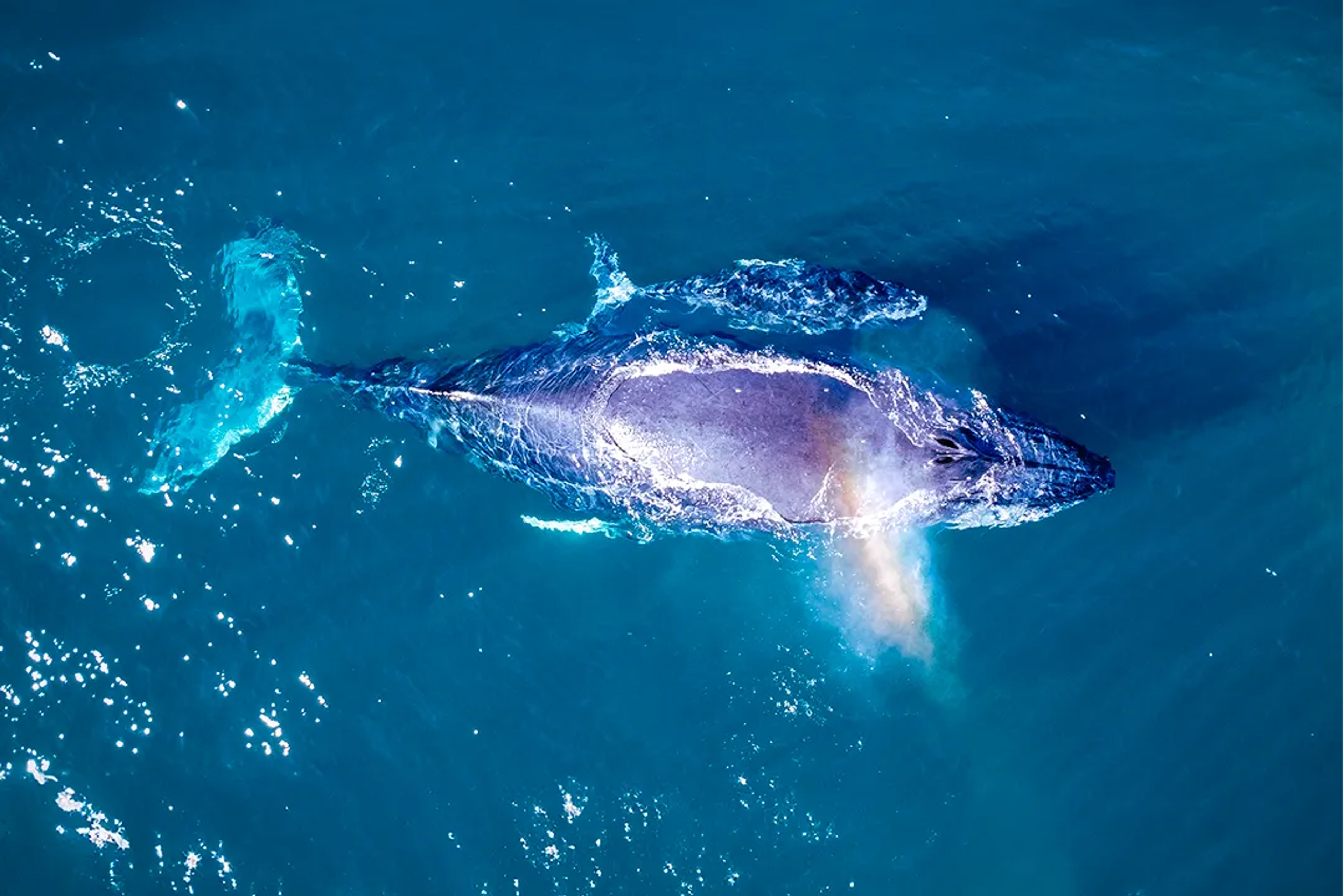
Our top pick for this season: Winter is when the Sea of Cortez turns into a highway for humpback, gray, and blue whales, and calm morning water makes sightings feel almost routine. Our Cabo Whale Watching trip runs on custom rigid inflatables with hydrophones on board, so you get close to the action and hear the songs beneath you.
May to June
Highs climb to around 90 to 92°F, humidity stays low, and rain is almost unheard of. Water temperatures are warm enough for long snorkel and swim sessions, and evenings are mild enough to leave the sweater behind.
This stretch also tends to bring better hotel rates than winter, which makes it a strong pick for travelers with flexible dates. For a closer look at each month, see:
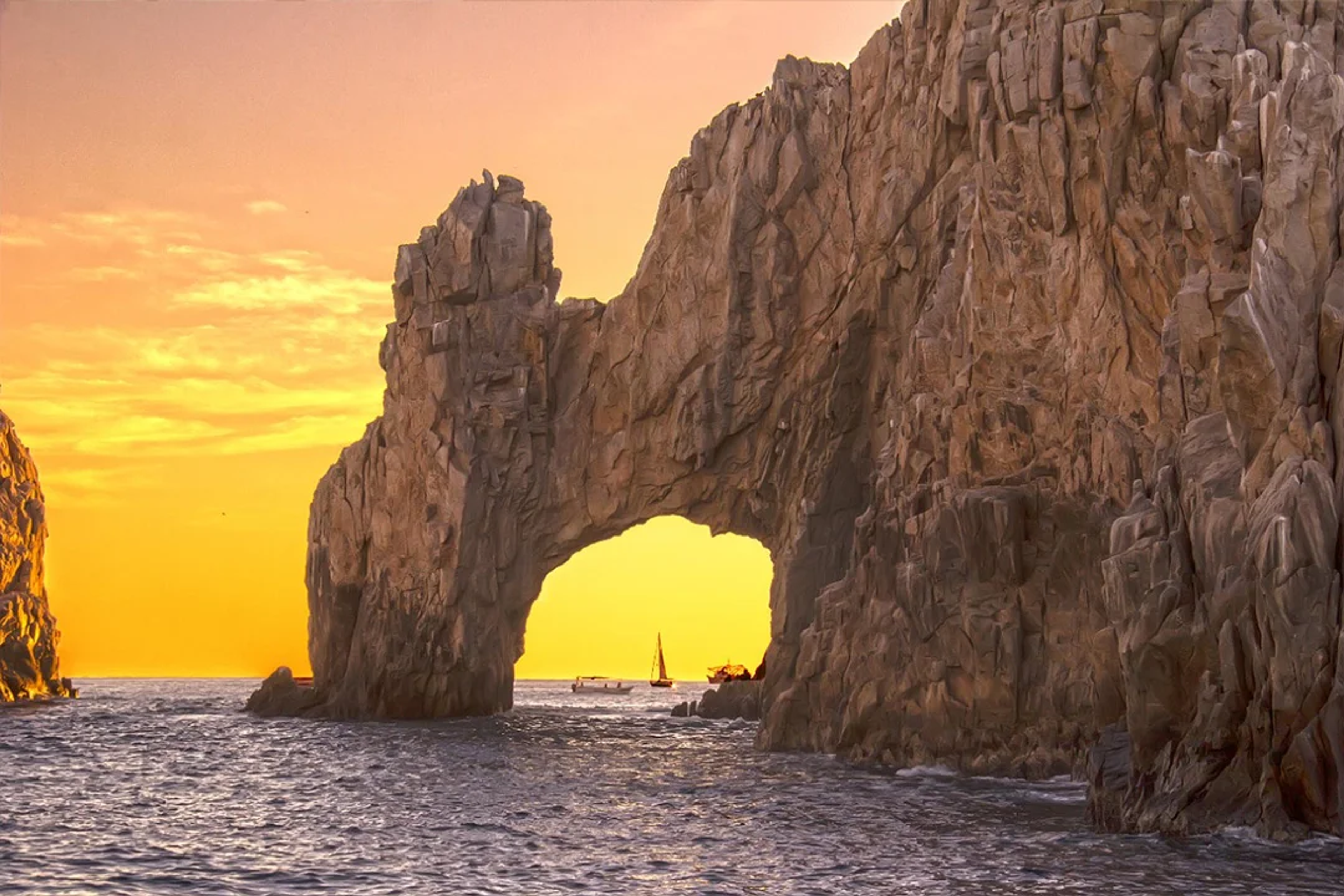
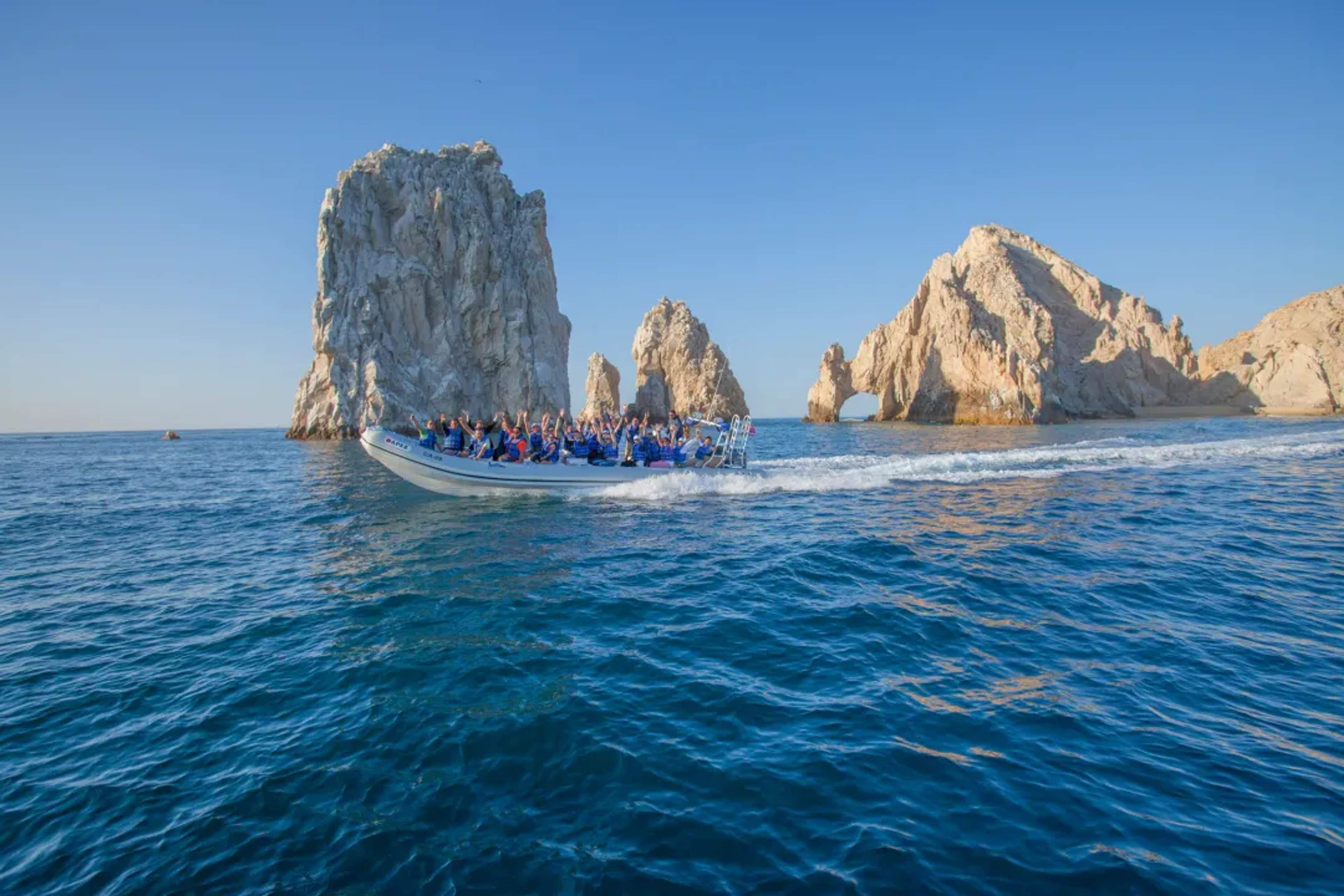
Our top pick for this season: Late spring brings clear skies and calm water, which is exactly when the reefs come alive. On the Cabo Arch Tour & Snorkeling, a speedboat takes you past the Arch and Land's End before dropping anchor at protected bays for snorkeling, kayaking, and paddleboarding alongside sea turtles and rays.
July to September
Expect the hottest, most humid stretch of the year, along with occasional short rain showers. The official Hurricane season in Cabo runs from May 15 through November 30, with peak activity in late August and early September.
Book morning tours to beat the afternoon heat, keep travel insurance in mind, and check the forecast in the days before departure. Hotel rates often drop during this window, which appeals to travelers who don't mind muggier afternoons. For a closer look at each month, see:
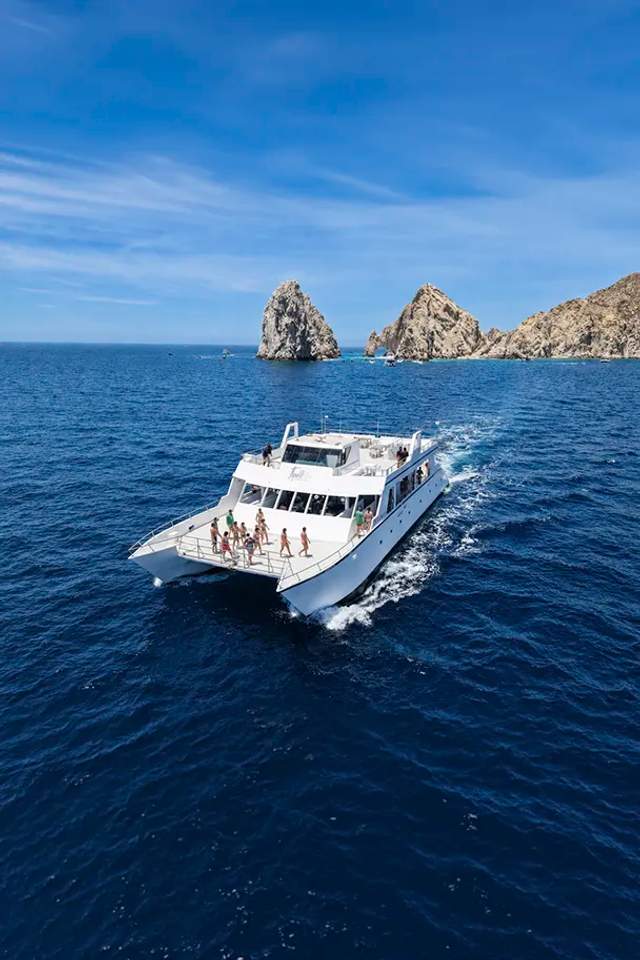
Our top pick for this season: Summer afternoons run hot, so the best plan is to save the fun for golden hour. The Los Cabos Luxury Sunset Sail cruises past the Arch and Lover's Beach aboard a French-made catamaran, with open bar, gourmet appetizers, and cool ocean breezes that make the heat a non-issue.
October to November
Early October can still feel warm and humid, but conditions cool and dry out steadily through November. Rates trend upward as peak season approaches, so booking a few weeks ahead often pays off.
Water is still at its warmest during this stretch, which makes it a strong window for snorkeling, sailing, and whale watching once the season begins. For a closer look at each month, see:
Our top pick for this season: Autumn, when the water is warmest, and visibility is high in Chileno Bay and other protected coves. Our Luxury Cabo Snorkeling in Two Bays takes a Leopard Powercat past the Arch and Pelican Rock with two snorkel stops, paddleboards, open bar, and fresh bento box lunches on board.
The Cabo Rainy Season
Cabo's rainy season lands in late summer, with most of the year's precipitation falling in August and September. Annual totals average 8 to 11 inches, and much of that falls during a handful of storms rather than steady daily rain.
For trip planning, this means downpours are usually short, and even during the wet months you can expect plenty of sun between showers. Pack a compact rain jacket if you travel in August or September, and keep tour bookings flexible in case a storm shifts your schedule. If avoiding rain is the priority, aim for April or May, when weeks can pass without a single drop.
Your Trip, Whenever You Land
Whatever month lands on your calendar, Cabo tends to meet you halfway. The days are long, the desert edges up against the ocean, and the rhythm of a trip here has a way of slowing down without ever feeling empty.
Once your dates are set, the fun part is figuring out how to fill them. Browse the full lineup on our tours page and pick the days that match the trip you're picturing.
Frequently Asked Questions
Does Cabo weather affect what I should wear on a sunset cruise?
Yes, and it matters more than most travelers expect. Even in the hottest months, the breeze picks up once the boat leaves the marina, and temperatures drop noticeably after sunset. A light layer over your daytime outfit works well from December through April, when evenings cool into the 60s. On the Los Cabos Luxury Sunset Sail, a wrap or long-sleeve shirt keeps you comfortable from golden hour through the ride back to shore.
Is the water in Cabo warm enough for snorkeling year-round?
Cabo weather keeps ocean temperatures swimmable year-round, though the experience shifts with the calendar. From July through November, water sits at its warmest and most inviting, ideal for longer sessions without a wetsuit. Cooler months still allow for shorter dips, especially at midday when the sun peaks. On the Cabo Arch Tour & Snorkeling, protected bays offer calmer conditions and slightly warmer pockets, making winter snorkeling more comfortable than open-water swims might suggest.
How windy does it get in Cabo, and does it affect boat tours?
Wind patterns shift with the seasons and can influence how the day on the water feels. Late fall through early spring brings occasional north winds that stir up the Pacific side, while the Sea of Cortez stays calmer and more protected. Summer mornings are typically glassy, with breezes building through the afternoon. Boat departures generally happen early to take advantage of the calmest conditions, and captains adjust routes toward sheltered bays when the wind picks up unexpectedly.