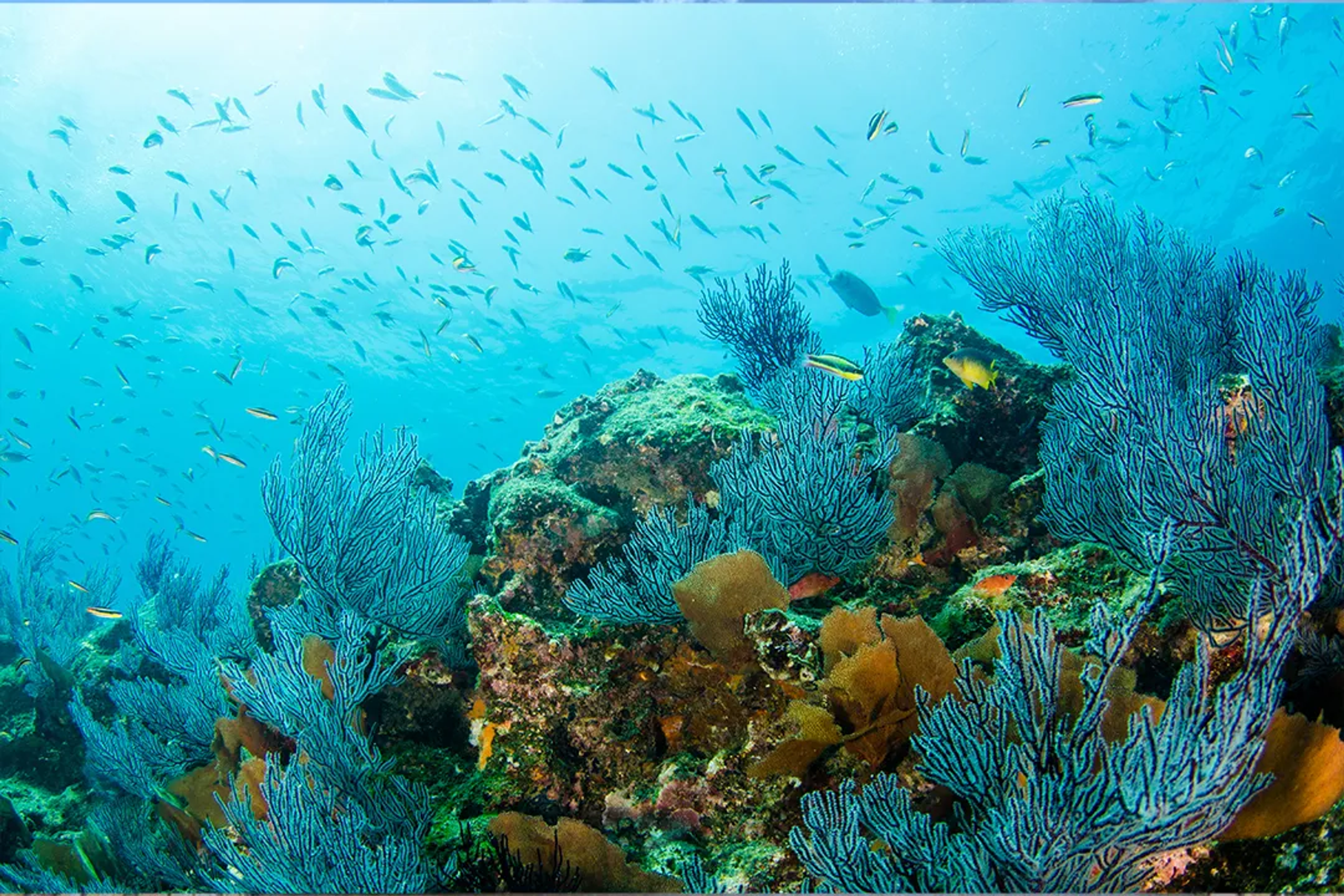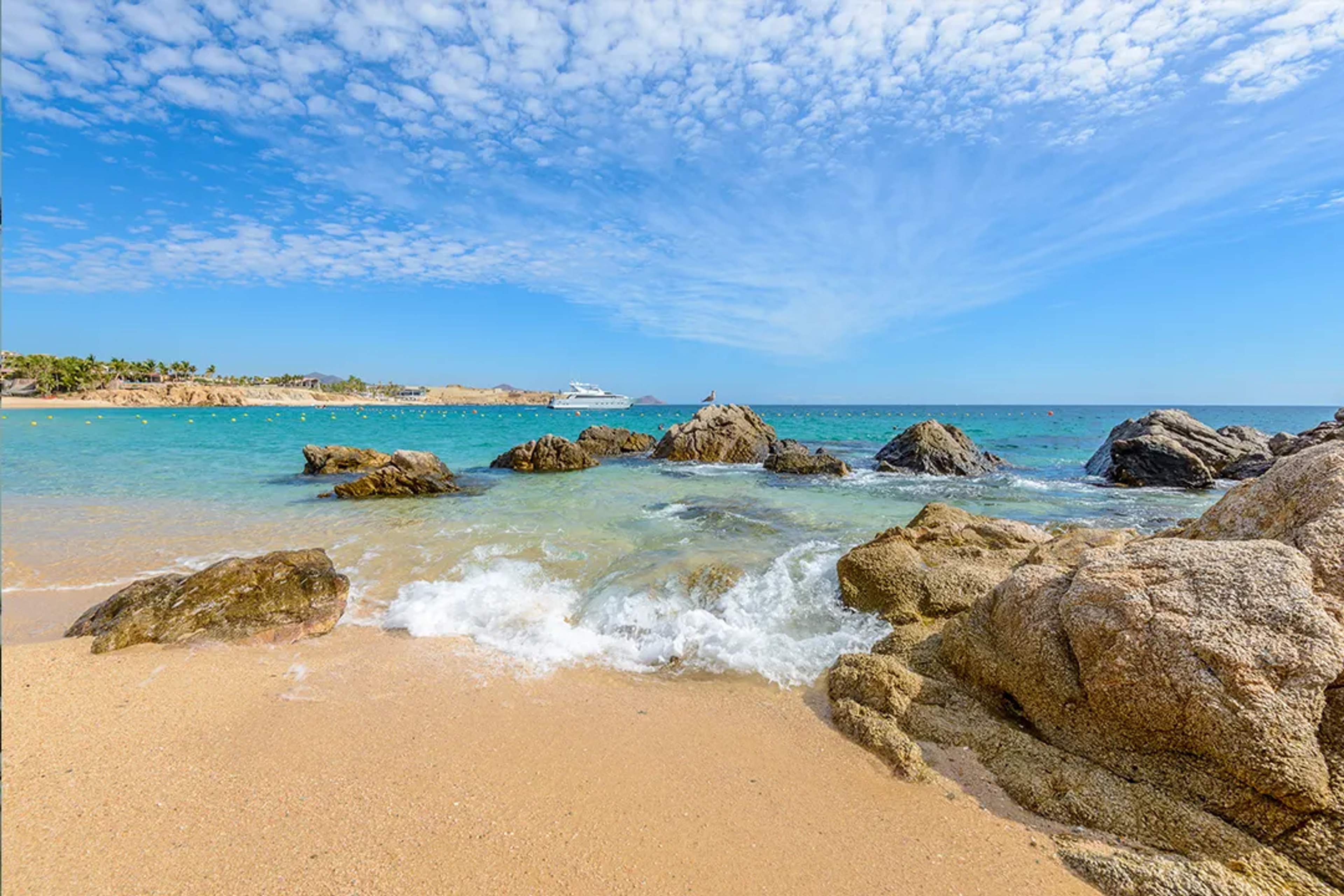
Over 5,000 marine species inhabit the Sea of Cortez's rocky coastline, but finding spots where you can reach healthy reef formations without a long boat ride narrows the options considerably. Chileno Bay manages both: coral communities sit just beyond the shoreline, close enough that you're swimming among Panamic sergeant majors and parrotfish within minutes of entering the water.
The bay's protected cove structure shields it from Pacific swells that churn up sediment at exposed beaches, maintaining visibility of 51-60 feet when neighboring spots cloud up during weather shifts. For travelers planning underwater time in Los Cabos, Chileno Bay removes most of the variables that turn snorkeling into a gamble elsewhere along the corridor.
Why Chileno Bay Draws Snorkelers to Cabo
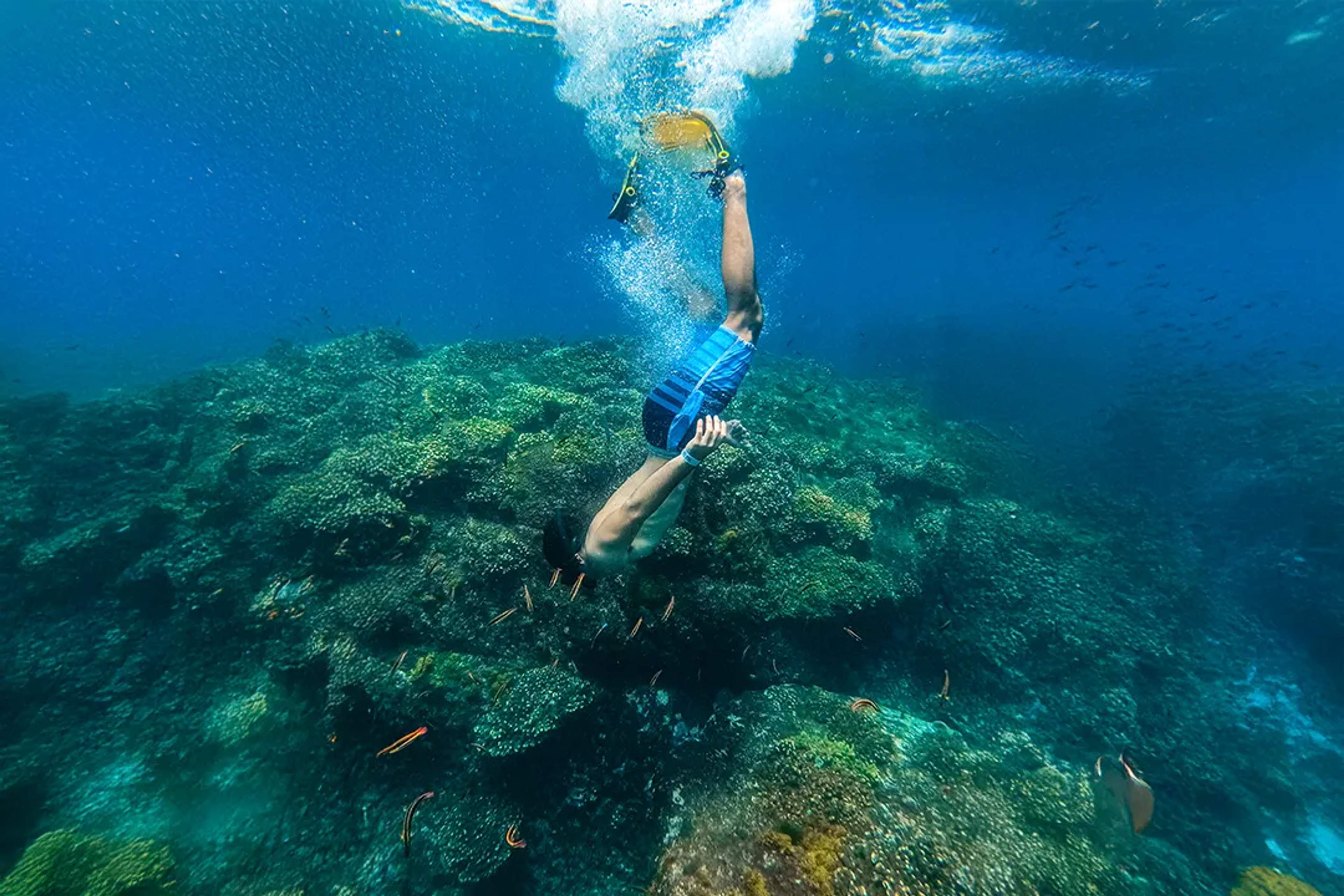
Protected geography determines everything about Chileno Bay's snorkeling conditions. The cove structure creates a natural barrier against wave action and strong currents that affect open-coast locations, maintaining calm, clear water that makes extended sessions practical rather than exhausting. This protection proves especially valuable in the Sea of Cortez, where water conditions can shift dramatically between sites on the same day.
Boulder fields concentrate marine life in shallow, accessible zones. The reef sits close enough to shore that you can reach productive snorkeling areas within a few fin kicks of the beach entry, eliminating the long surface swims required at many other locations.
Water temperature supports year-round snorkeling, ranging from 72.9°F in spring months to 81.1°F during summer. The Sea of Cortez's exceptional salt content creates noticeable buoyancy that reduces physical effort, making floating easier for all skill levels.
What You'll See in Your Chileno Bay Snorkeling Adventure
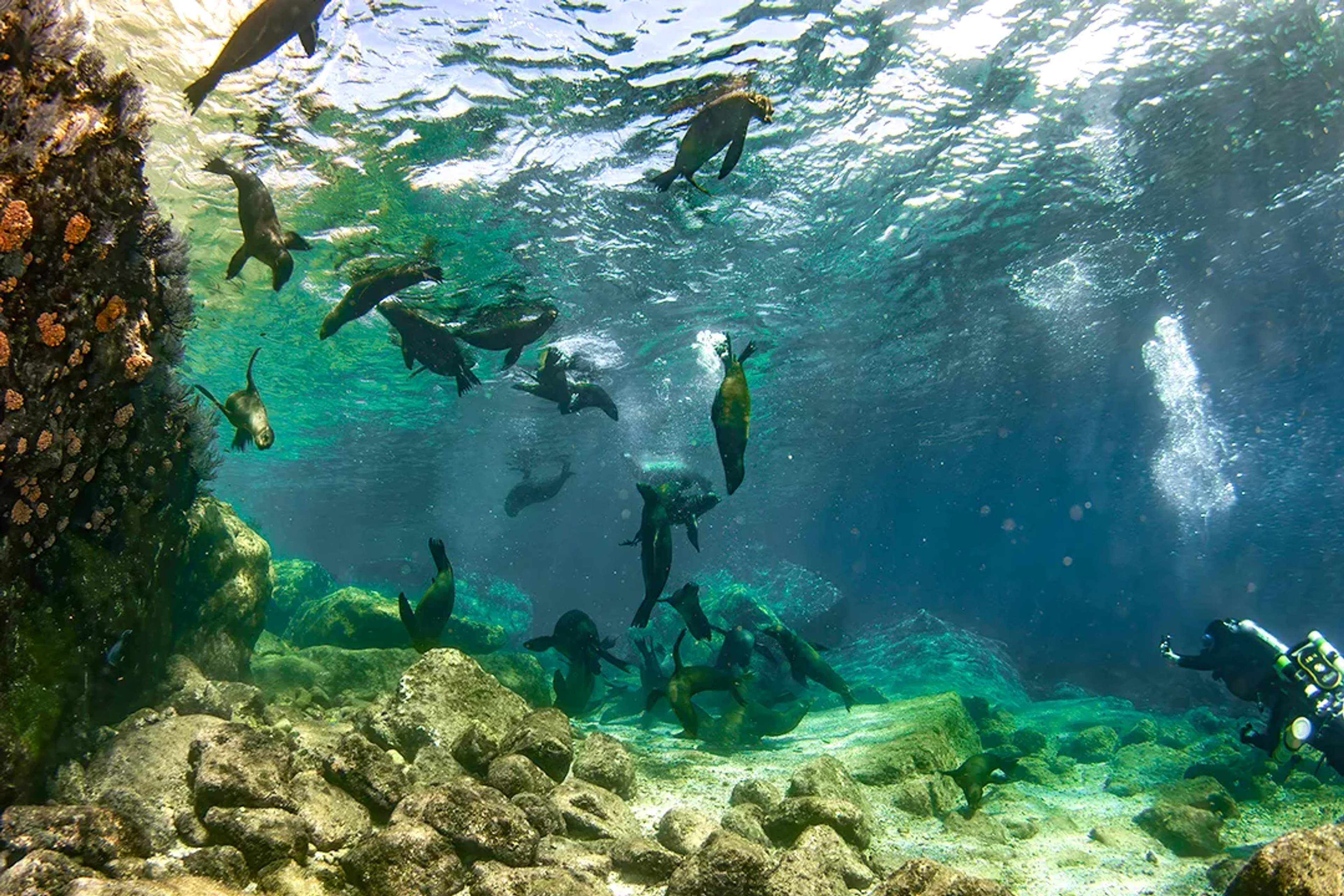
Marine Life at Chileno Bay
- Panamic sergeant majors patrol the rocky areas in schools, their distinctive black-and-yellow striped pattern making them immediately recognizable. These fish dominate the boulder fields, where their territorial behavior creates constant movement as they defend feeding areas.
- Parrotfish work the reef surfaces with their fused-tooth beaks, grazing on algae in audible scraping patterns. Their constant movement keeps them in predictable areas during a snorkeling session.
- King angelfish and endemic Cortez angelfish both patrol these reefs. The Cortez angelfish is found nowhere else on the planet, only in the Sea of Cortez.
- Threebanded butterflyfish move in schools through the same areas, creating mixed-species aggregations around productive feeding zones.
- Cortez rainbow wrasses dart constantly around boulder formations in their distinctive elongated bodies.
Visibility and Water Conditions
Visibility at Chileno Bay typically ranges from 51-60 feet on average days, with optimal conditions during calm weather periods from July through November. This clarity lets you spot fish before your presence alters their behavior, unlike murkier locations where visibility drops to just a few feet.
Water temperature patterns follow predictable seasonal cycles. March through May offers the coolest conditions at 72.9°F, requiring wetsuit consideration for extended sessions. Summer from June through September delivers the warmest water at 81.1°F, allowing snorkeling in just swimwear and a rash guard for sun protection.
Calm conditions define most days inside the bay's protected structure. Waves above 3 feet (1 meter) create challenging snorkeling conditions even within the cove, while waves above 4 feet 9 inches (1.5 meters) make the water unsafe.
Getting to Chileno Bay
Beach Access vs. Boat Access
Driving to Chileno Bay takes approximately 15 minutes from downtown Cabo San Lucas along the Corridor highway. The beach provides paved parking and boardwalk access that makes shore entry straightforward for families and independent travelers who prefer controlling their own schedules.
This independence comes with trade-offs. Parking availability varies seasonally, making early morning arrival advisable during busy months. Shore access connects you with nearshore reef areas that provide regular sightings of sergeant majors, parrotfish, angelfish, and butterflyfish. However, boat-based access can reach deeper sections with different marine life concentrations not available from the beach.
Boat access spreads snorkeling activity across broader reef zones. Reaching the bay by water positions you in less-trafficked sections away from the beach concentration, where schools of fish and feeding patterns remain less disturbed by human presence.
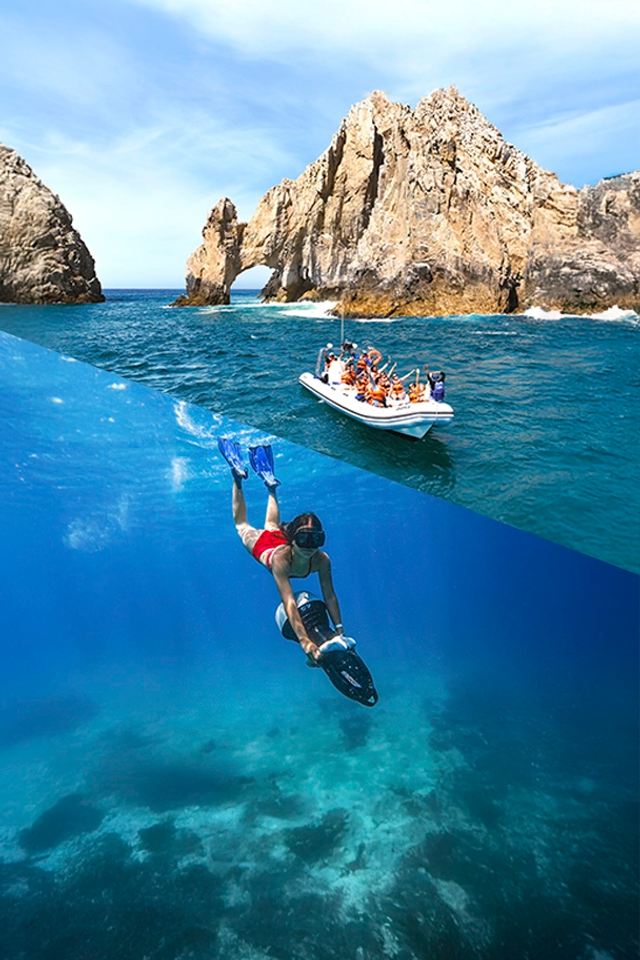
Combining Chileno Bay's calm conditions with other snorkel sites in a single morning gives you different underwater environments without choosing between them. We structure the Cabo Snorkel & Land's End Arch tour to move between Chileno Bay and Santa Maria Beach as conditions and marine life dictate, alternating between protected bays to build confidence and more dynamic locations where sea lions approach snorkelers.
Arriving by Private Charter
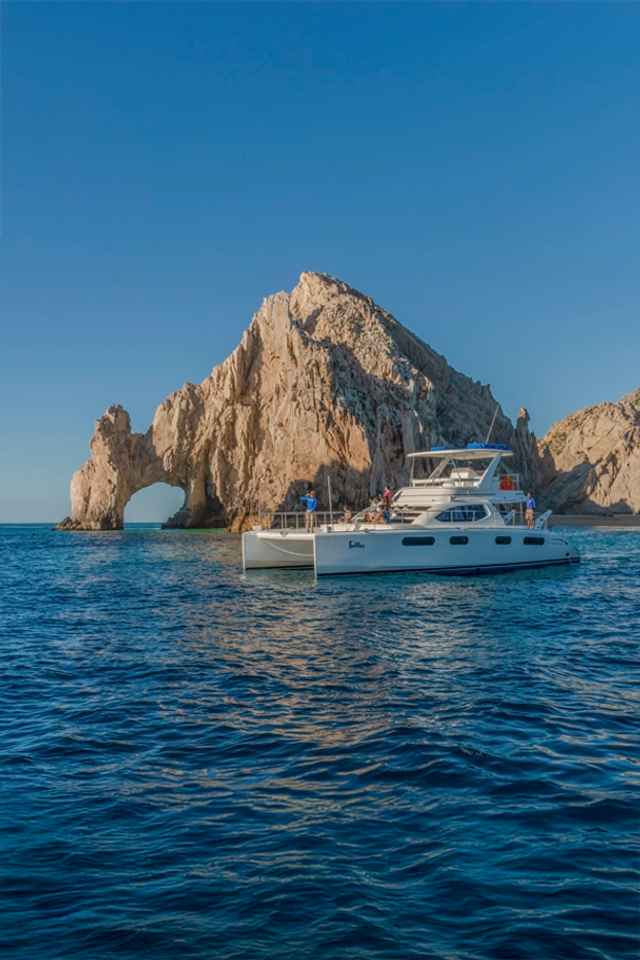
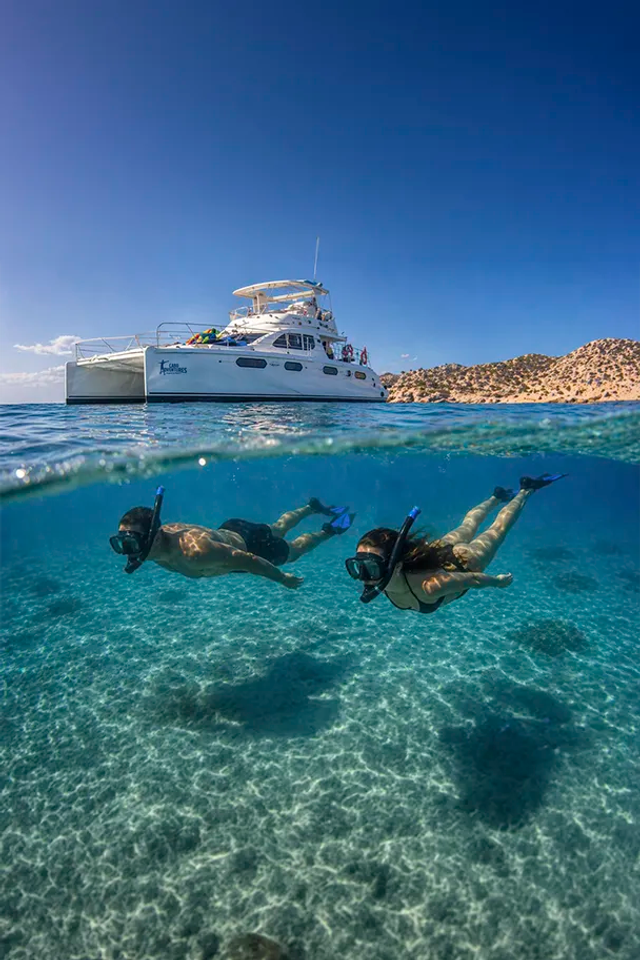
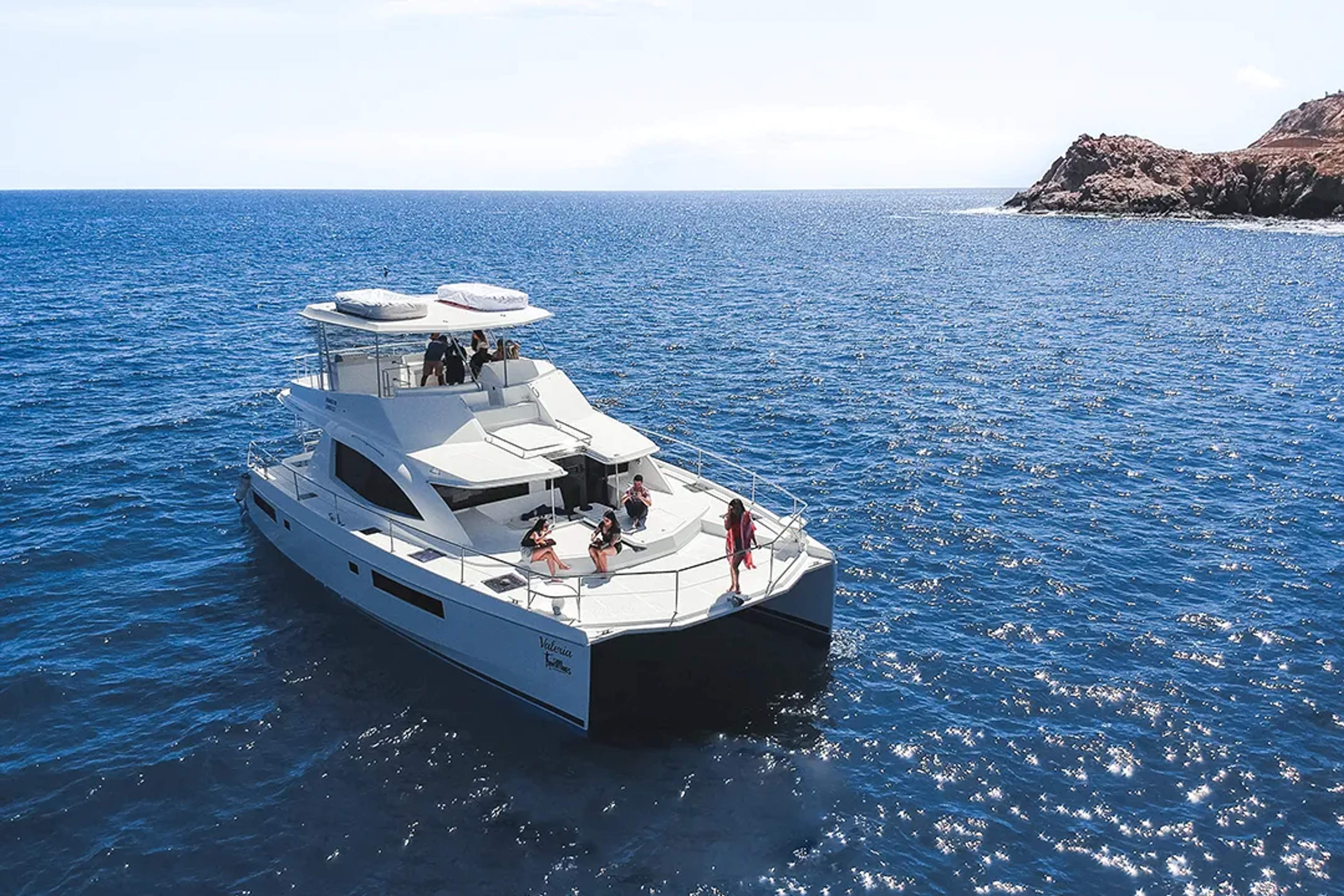
Snorkeling on your own timeline, arriving when conditions peak, extending sessions when marine life activity justifies it, removes the scheduling constraints that group tours impose. Private charter options deliver this flexibility, with sailboats and catamarans functioning as floating bases that let you combine Chileno Bay and Santa Maria Beach in a single outing without fixed departure slots limiting your water time. The boat serves as a platform for alternating between snorkeling sessions, deck time for warming up between water entries, and moving between locations without returning to shore between each spot.
Landing at Chileno Bay by boat means your group occupies reef sections beyond shore-access zones, creating the quieter underwater environment that couples and families with older children particularly value.
Tips for Your Chileno Bay Snorkel
July through November delivers the warmest water and peak clarity. November through May marks the dry season when weather stability and optimal visibility coincide most consistently, though spring months are cooler at 72.9°F. Morning sessions generally provide calmer conditions before afternoon winds develop, though Chileno Bay's protected structure buffers wind effects better than exposed locations.
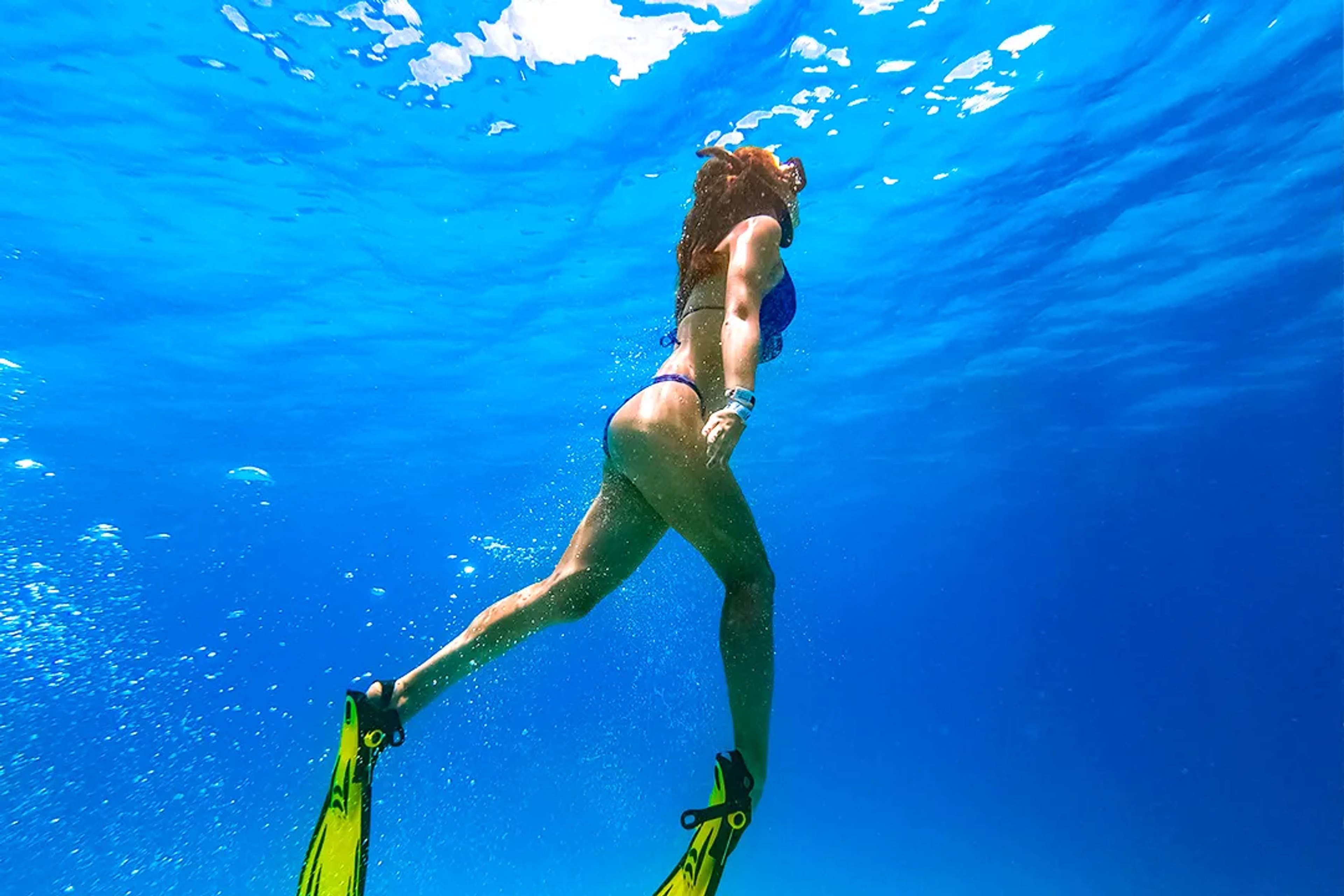
Skill level requirements remain minimal. The proximity of reef formations to shore means beginners reach productive snorkeling areas without extended surface swimming. The Sea of Cortez's high salt content creates noticeable buoyancy that reduces the effort required to stay comfortable at the surface. Shallow depth transitions and calm water conditions support confidence-building for families with young snorkelers.
What to bring:
- Swimwear
- Comfortable clothes
- Towels
- A light sweater (in winter months)
- Biodegradable sunscreen
- A hat or another form of sun protection
- Extra cash for photos, gratuities, and souvenirs
Parking can fill up quickly during busy months, so arriving early in the morning or during late afternoon typically offers less congested conditions than mid-day periods when resort visitors and tour groups are most active.
The combination of protected conditions, documented coral communities, and shore accessibility makes Chileno Bay function as Cabo's steadiest snorkeling destination for travelers with varying experience levels and time constraints. Whether you're arriving by beach access for independent exploration or approaching by water to reach quieter reef sections, the bay's natural advantages deliver consistent underwater encounters that justify its position on your Los Cabos itinerary.
Frequently Asked Questions
Is Chileno Bay good for beginner snorkelers?
Yes, Chileno Bay is one of the best spots in Los Cabos for beginners. The protected cove structure keeps water calm with minimal currents, and reef formations sit close to shore so you don't need to swim far. The Sea of Cortez's high salt content also creates extra buoyancy, making it easier to float comfortably at the surface.
How deep is the water at Chileno Bay?
The snorkeling areas at Chileno Bay feature shallow depth transitions, starting from wading depth near shore and gradually deepening as you move toward the boulder formations. Most of the productive reef zones where fish congregate remain in comfortable depths for snorkelers, typically ranging from 6 to 15 feet, allowing you to observe marine life without diving down.
What's the best time of year to snorkel at Chileno Bay?
November through May offers the driest weather and most consistent visibility, though spring water temperatures are cooler (around 72.9°F). July through November provides the warmest water (up to 81.1°F) and peak clarity. For the calmest conditions on any given day, morning sessions before afternoon winds develop are ideal.