Cabo doesn't shut down when the first clouds roll in. Yes, hurricane season officially stretches from May 15 to November 30, with September historically packing the most punch. That window also delivers emptier beaches, relaxed dive sites, and room rates that dip well below high-season highs.
This guide is your tide chart for those dates, with clear facts about local Cabo San Lucas weather patterns, tested preparation tips, and ocean-ready backup plans for the occasional downpour. Cabo Adventures has logged every wave from past seasons; together, we'll help you plan your next trip safely.
What Hurricane Season Looks Like in Cabo San Lucas
Weather drives every decision on the Sea of Cortez. The Eastern Pacific generates an average of 15 named storms each season, but only a handful track north enough to affect Cabo's granite point.
The cold California Current flowing southward from Alaska along the U.S. and northern Baja California coasts suppresses sea surface temperatures below the threshold storms need to survive. The North Pacific High pressure system also steers most storms westward into open ocean, where they fizzle out far from shore.
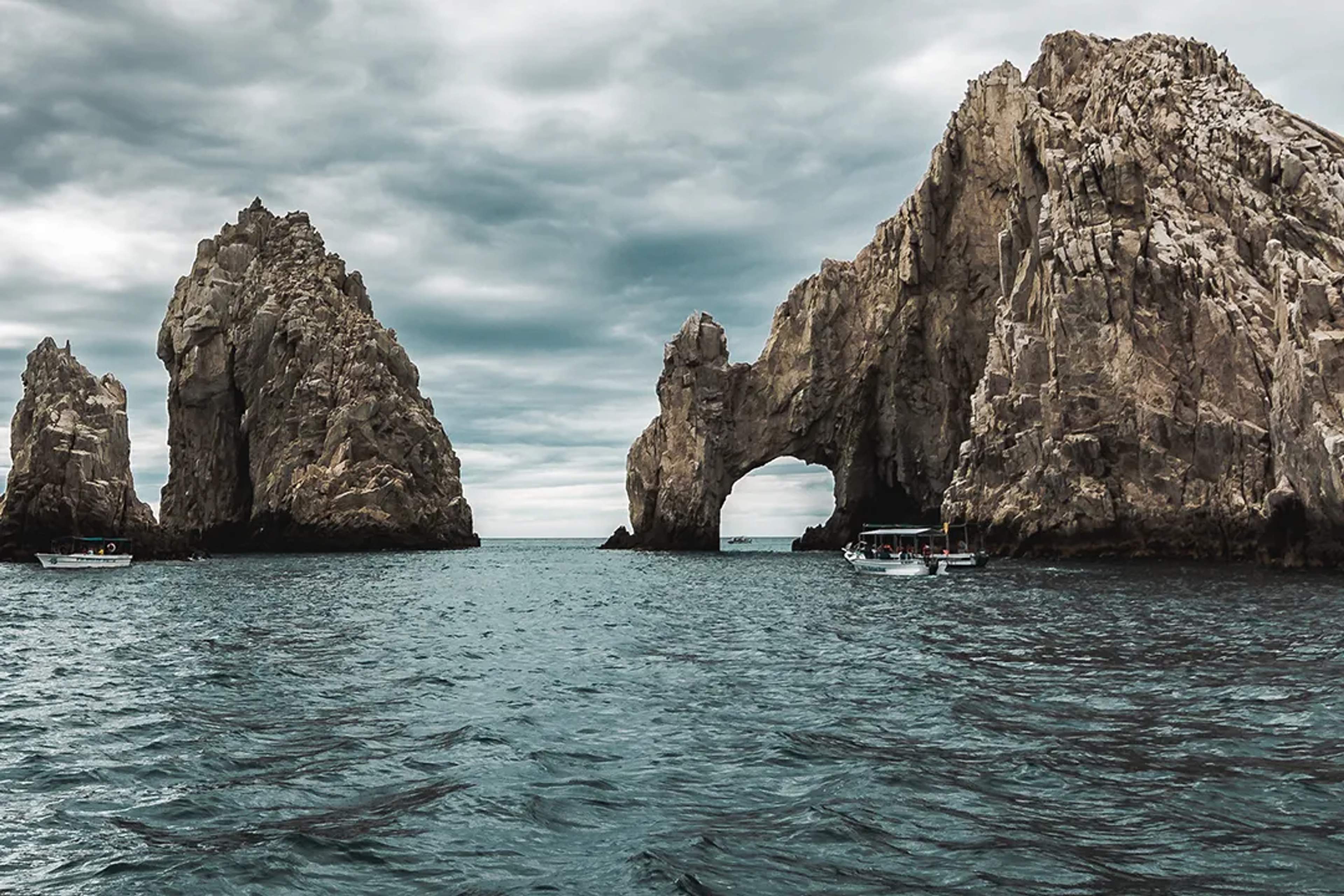
That said, the southern tip of the peninsula is the first point of contact for any storm that does track northward. Major hurricane landfalls in the region remain rare on a multi-decade scale, but hurricane-intensity landfalls near Cabo have recurred across recent decades. Since Hurricane Odile hit in 2014, resorts and emergency officials have formalized more coordinated preparedness measures. Hurricane Norma's Category 1 landfall just 15 miles from Cabo San Lucas in October 2023 tested those investments: hotels reported minimal structural damage, and SJD airport reopened within approximately 12 hours.
This means you get a destination that knows how to handle storms, fewer crowds, and off-season rates that leave more budget for diving and fresh seafood.
Can You Visit Cabo During Hurricane Season?
Yes. Smart planning lets you dive exceptional waters between these dates. September brings peak activity when warm surface water fuels storms, so book flexible flights, secure rooms with hurricane guarantees, and buy travel insurance before any storm gets named.
In September 2025, 11 Los Cabos hotels earned formal Temporary Safe Shelter certification from the Municipal Civil Protection Directorate, meeting strict safety requirements for sheltering guests during severe weather. Cabo Adventures cancels or reroutes outings the moment conditions turn unsafe, then reschedules you when the weather clears. Most seasons pass with nothing more than brief downpours that wash the desert clean and create spectacular sunsets.
Cabo Hurricane Season at a Glance
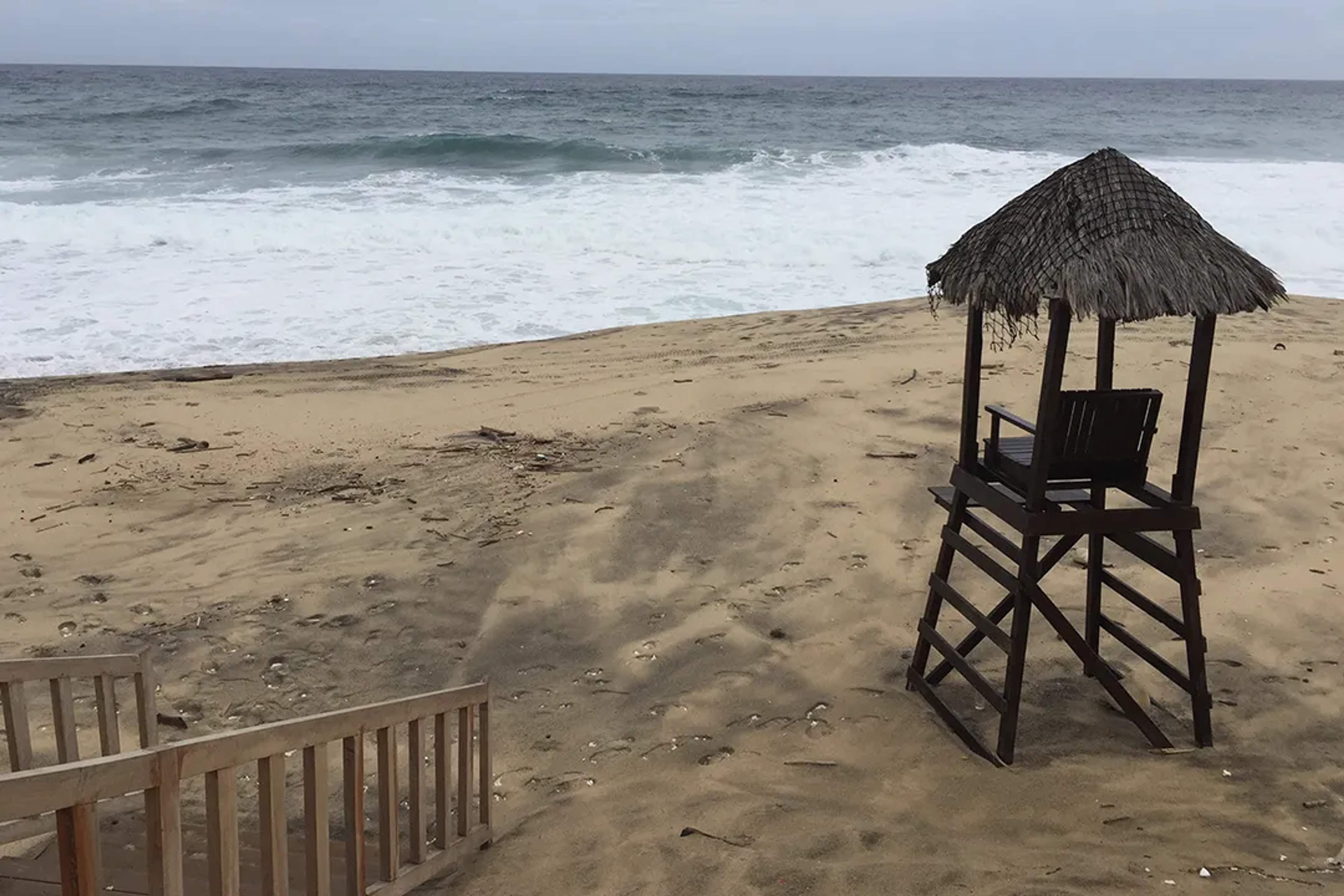
The season runs from May 15th through November 30th, peaking from late August through September when sea temperatures are at their highest. According to NOAA, waters west of Cabo San Lucas reach approximately 83°F (28.3°C) in September, well above the 80°F threshold that sustains hurricane strength. Most days stay sunny; storms typically arrive as intense squalls that clear quickly.
Notable systems that shaped today's safety protocols include: Hurricane Odile (2014), Tropical Storm Lidia (2017), and more recently Hurricane Norma (2023) and Hurricane Lorena (2025). September delivers the year's heaviest rainfall, averaging approximately 3 to 5 inches depending on the climate baseline, though it rains on only 3-4 days in an average month.
Hurricanes form when warm water, low wind shear, and moist air combine in the Eastern Pacific, then typically track westward across open ocean. Local airports, marinas, and the Cabo Adventures team monitor conditions closely, so you'll know about developing systems long before swells reach Médano Beach. The California Current and steering patterns from the North Pacific High push most storms westward into the open Pacific, where they dissipate over cooler water, leaving only impressive lightning displays for those safely anchored in the bay.
Safety Prep Checklist for Hurricane Season
Preparation is about understanding the ocean, not avoiding it. Experienced marine guides don't call off a trip at the first sign of weather. We read the sea in ways resort staff can't. Here are a few tips to help you stay safe out there.
- Book flexible travel. Choose refundable airfares and resorts that advertise a "hurricane guarantee." When a storm is forecast, airlines often issue change waivers, though policies and timing vary between carriers.
- Buy travel insurance early. Standard plans cover medical evacuation and trip interruption, but only if the policy is purchased before a storm is named. Once the National Hurricane Center names a system, it becomes a foreseen event, and new policies will exclude coverage for that storm. Cancel For Any Reason (CFAR) add-ons, purchased within the first 14-21 days of your initial deposit, are the only option that still applies after a naming.
- Track the weather like a skipper. Add the National Hurricane Center site, Windy app, and Mexico's Servicio Meteorológico Nacional to your phone and enable alerts.
- Pack for wet contingencies. A waterproof phone pouch, portable power bank, laminated passport copy, cash, first-aid kit, and prescriptions live in a dry bag that doubles as your grab-and-go kit.
- Learn your resort's drill. On check-in, ask staff where shelter areas are and how the property communicates updates. Properties that earned the 2025 Temporary Safe Shelter certification run formal shelter-in-place plans. Hurricane-rated windows and backup generators at Los Cabos resorts vary by property, so asking your specific hotel about their storm preparations before you book is worth the effort.
Smart Booking and Budget Hacks
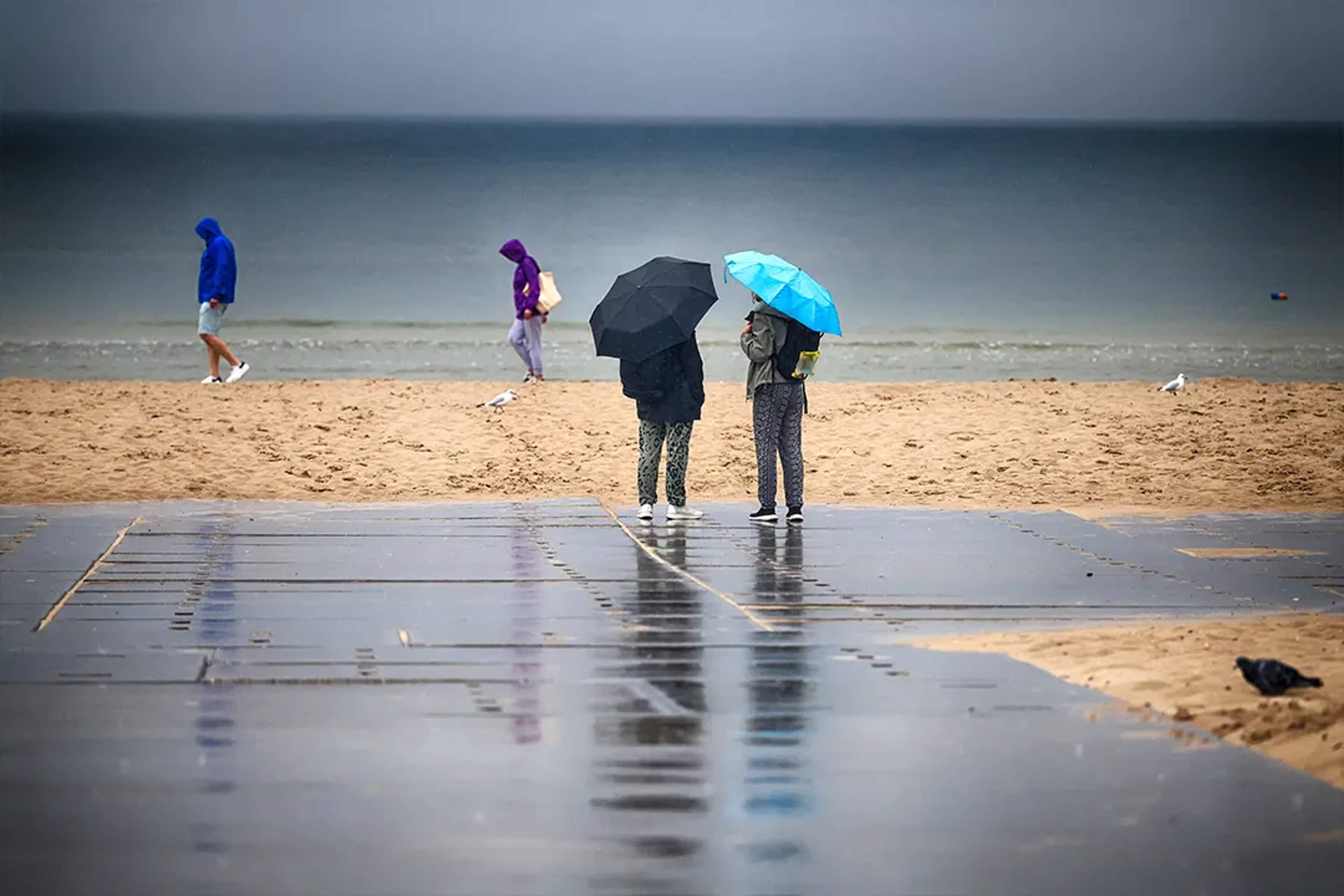
Storm season thins the crowd and fattens your wallet. September is often one of the most budget-friendly times to visit, with fewer crowds and lower pricing across the region. Hotel rates in May-June and September-October often drop thanks to softer demand. Pair those deals with fare-tracking tools and airlines known for fee-free changes when storms loom.
Book your tours with Cabo Adventures when full refunds apply if weather cancels departures; that flexibility is worth more than any resort credit. Packaging tours and rooms under one confirmation also simplifies rebooking if you decide to shift dates.
What Happens If a Storm Forms?
Pacific systems graduate from Tropical Depression to Tropical Storm before earning the Hurricane title and a Category 1-5 badge. When a severe weather event is forecasted to impact Baja, some airlines may waive change penalties, but policies and timing vary between airlines and are not governed by a universal 72-hour rule.
Resorts may activate parts of their emergency hierarchy at Category 1, such as in-room updates and preparing sandbags, but assigning guests to reinforced shelter zones is typically reserved for more severe storms.
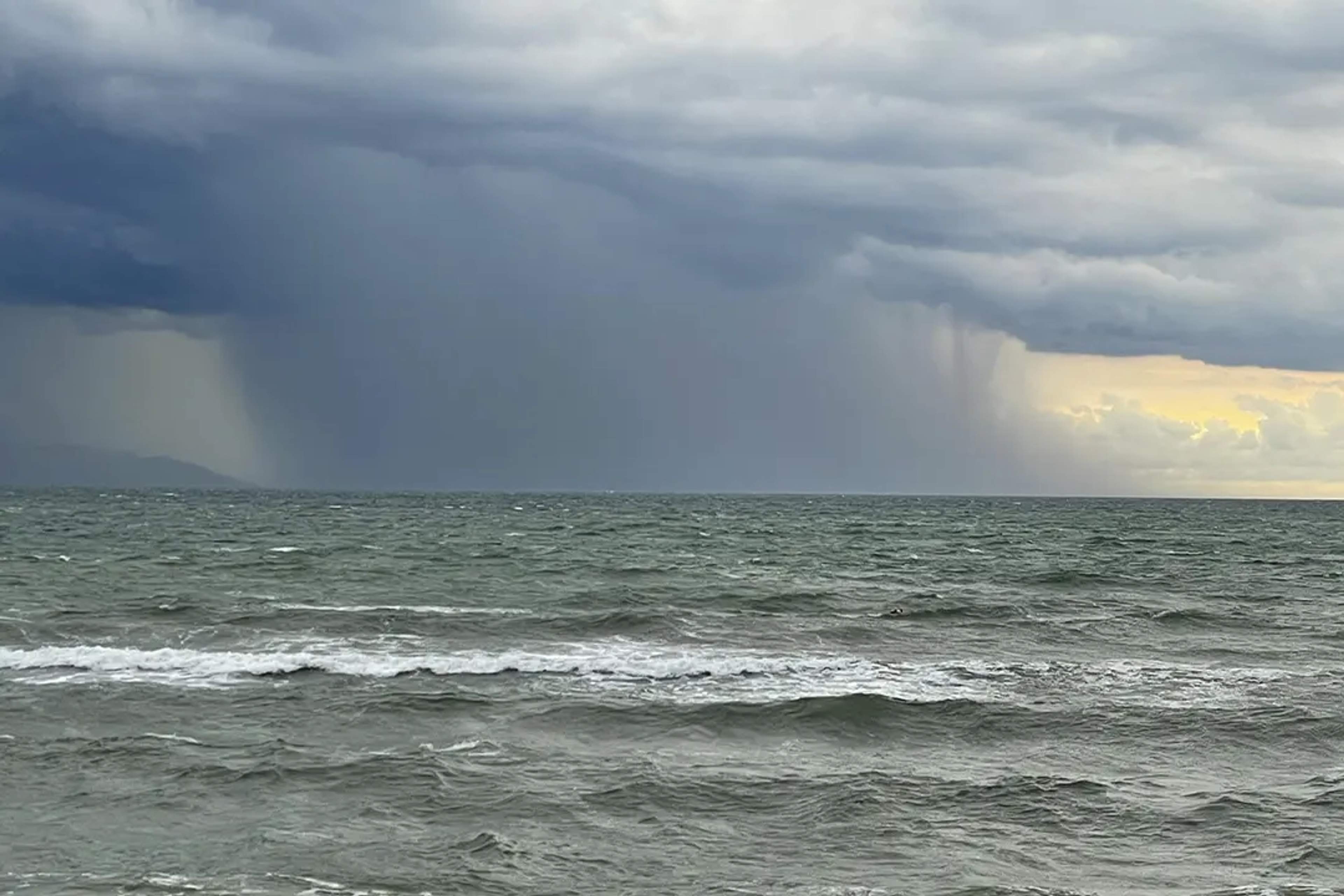
If the storm stays offshore, expect heavy surf and possible tour pauses; Cabo Adventures will reschedule dives once winds dip below safety thresholds. A projected landfall closer to the cape calls for choices: shift your flight forward, invoke that flexible hotel clause, or ride it out in reinforced lodging. During Hurricane Norma in 2023, approximately 40,000 tourists sheltered in their hotels at roughly 75% occupancy and emerged to fallen trees and limited debris, not collapsed structures. Keep your grab-and-go bag ready: passport, insurance docs, meds, cash, and power bank.
Troubleshooting Common Scenarios
If you find yourself in the middle of hurricane weather, here are a few things that can help you handle the situation quickly and safely.
- Flight canceled: Contact the airline immediately and ask for an "irregular operations" rebooking; waivers normally cover fare differences. Keep in mind airline waivers cover only your flight, not non-refundable hotels or pre-paid tours, which is why travel insurance remains important.
- Power outage at the resort: Most properties now run industrial generators. Dial the front desk for expected restore times and stay in interior hallways until wind advisories lift.
- Tour called off by weather: Cabo Adventures issues refunds or moves you to the next clear-sky slot when weather cancels an outing.
- Airport closure: Check the official SJD feed for reopening notices and refresh your airline's app every few hours. For reference, SJD reopened within approximately 12 hours after Hurricane Norma's Category 1 landfall in 2023.
- Signal drop: Text home before the storm edge arrives and switch to Wi-Fi calling when cell towers falter.
- Evacuation order: Follow Protección Civil staff; they coordinate buses to inland shelters and account for every registered guest.
- Medical need during a storm: Resorts keep on-call doctors; your travel insurer can arrange air evacuation once winds drop below flight thresholds.
Weather-Proof Adventures in Cabo
A storm doesn't have to ruin your day in Cabo. In fact, some of the most memorable days happen when the crowds thin and the coastline quiets down. The Cabo Adventures team knows how to adapt, offering adventures that don't rely on perfect weather to deliver the magic of Los Cabos. Whether you're heading inland or spending time in protected areas away from the swell, there's always a way to keep the fun going.
Slow Down at a Seaside Beach Club Hideaway
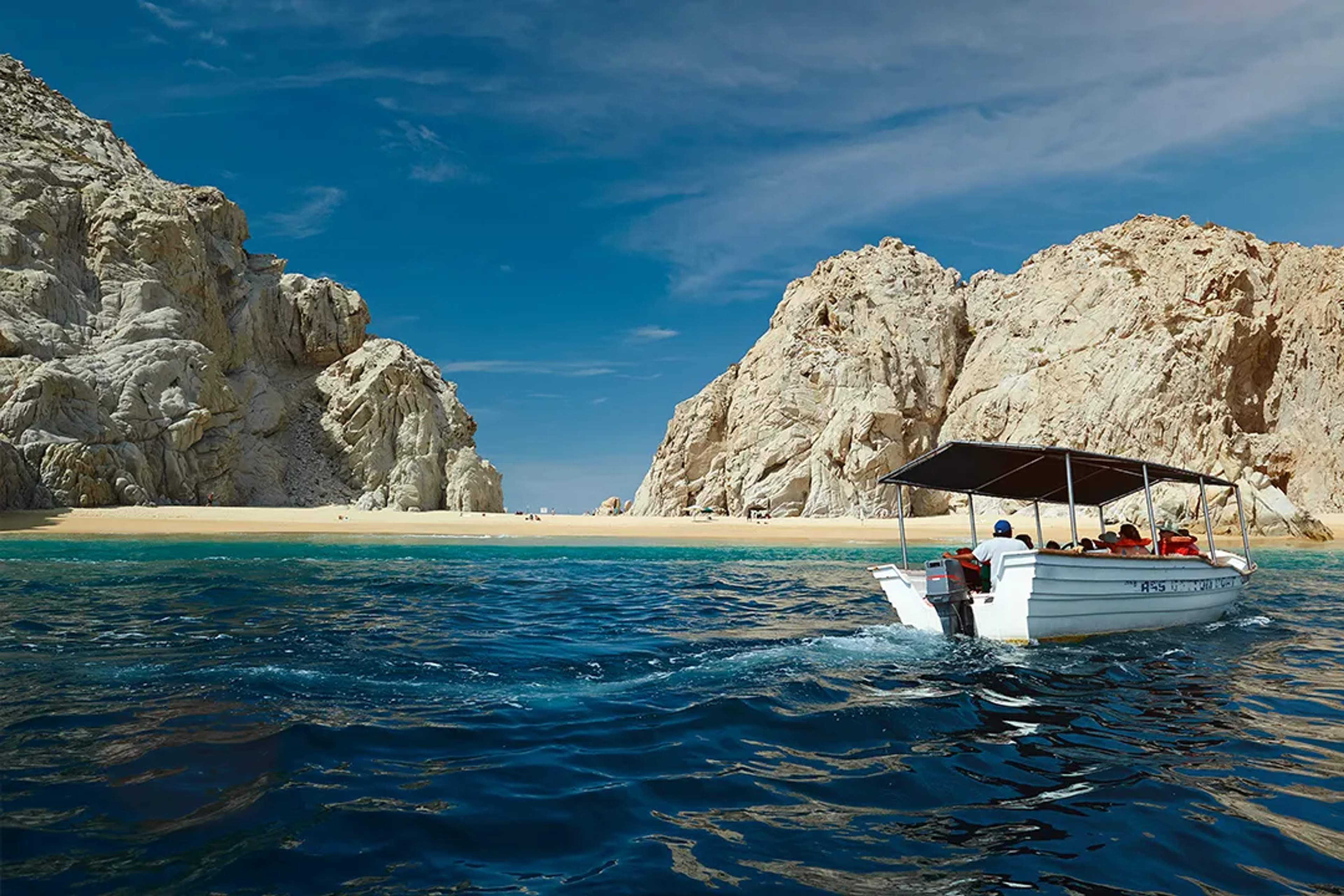
When the swell picks up, trade open-water plans for a calm coastal retreat at the Tierra Sagrada Beach Club day pass. Nestled between golden sand and turquoise water, this hidden oasis lets you slow down to the rhythm of the waves while staying close to the comforts of shore.
The pass includes unlimited drinks, a Baja-inspired buffet, and round-trip transport from Los Cabos. Dip into the pool or jacuzzi, join an interactive margarita, guacamole, or salsa class, and let the kids loose at the Kids Adventure Park while you settle in.
Thrill Seek in the Desert with a Zipline and UTV Combo
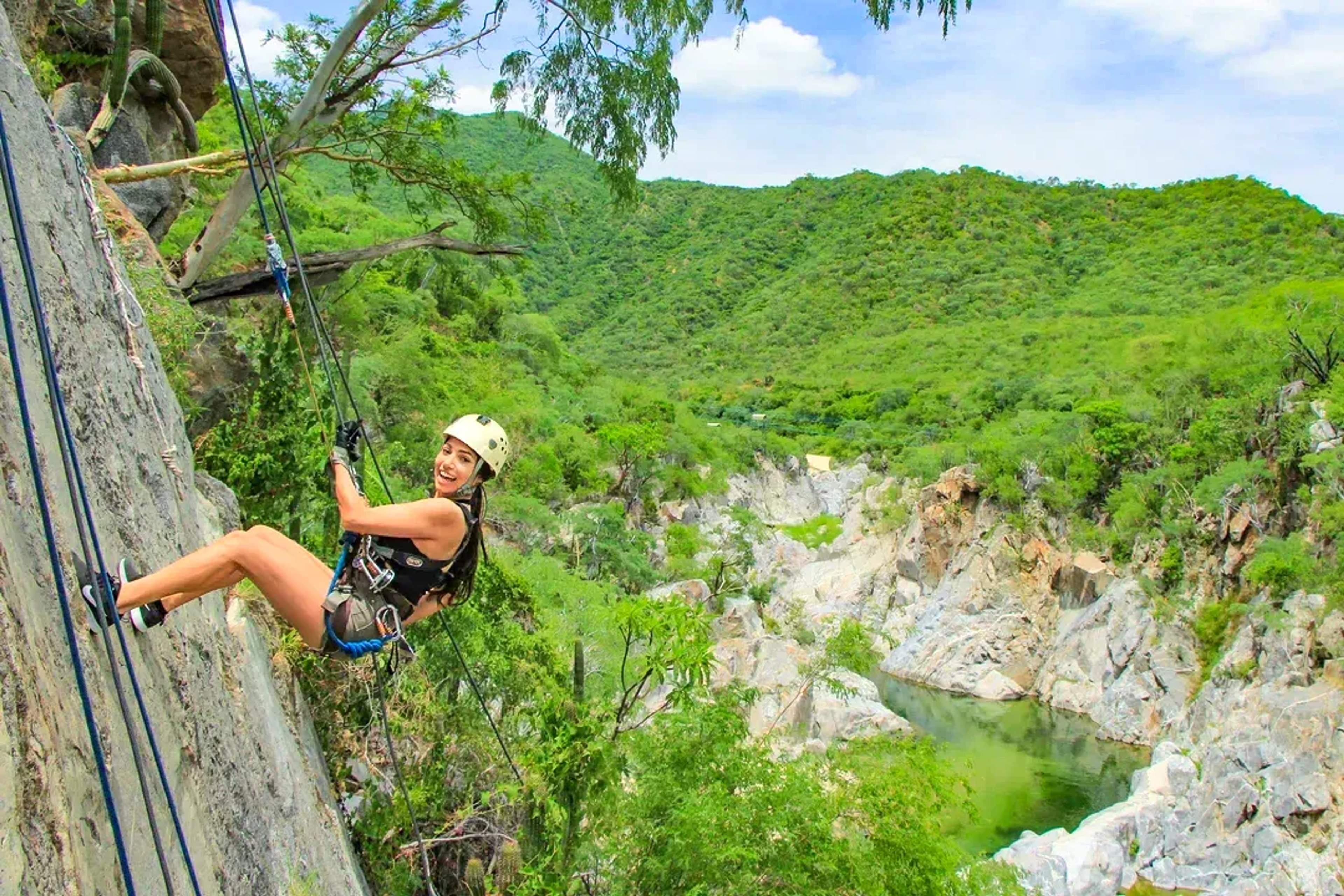
If the sea is too rough for water activities, head inland for an adrenaline-packed day in the mountains. The Outdoor Adventure 4x4 + Cabo Zipline + Rappel tour takes place in a protected biosphere reserve and includes a series of thrilling ziplines, including tandem, upside-down, and the Superman, Mexico's longest and fastest.
You'll also climb, rappel, and test your nerve on a pendulum swing before hopping into a 4x4 Polaris UTV to race through a rugged off-road course. This tour is designed for adventurers and doesn't miss a beat when conditions shift. With handmade quesadillas and round-trip transport included, you'll stay fueled and stress-free all day.
With Safety in Mind, You Can Enjoy Cabo San Lucas
The Sea of Cortez doesn't shut down during hurricane season; it simply asks for more attention to conditions. Cabo's location at the tip of the Baja Peninsula means most storms are steered away by a combination of oceanographic and atmospheric forces. The California Current cools surrounding waters and weakens approaching systems, while the North Pacific High pushes the majority of storms west before they reach land.
Direct hurricane impacts are rare, and when they do happen, civil protection alerts provide timely updates. Over 114,000 people across Baja California Sur participated in the national simulation drill for the current season, and the Municipal Civil Protection Council has been reinstalled to coordinate emergency response.
From our Marina district base, we track the same marine forecasts trusted by local captains and adjust our routes accordingly.
Booking a tour with us during hurricane season is a safe bet. If weather forces a cancellation, you'll receive a full refund or have the option to reschedule once conditions clear. Adventure doesn't stop when the skies turn grey; it just takes a smarter route.
Frequently Asked Questions
How does Cabo's geography influence hurricane activity?
Cabo San Lucas sits at the southern tip of the Baja California Peninsula, where two distinct bodies of water meet. The cold California Current flows down from Alaska along the Pacific side, cooling surface temperatures below the threshold storms need to maintain strength. Meanwhile, the North Pacific High pressure system acts like a steering wheel, pushing most tropical systems westward into open ocean before they can reach land. This combination of cool water and atmospheric steering makes direct hurricane impacts far less common here than along mainland Mexico's Pacific coast. When storms do approach, the granite headlands at Land's End offer natural shelter for the bay, while the desert terrain absorbs rainfall quickly. The geography also means that even brief downpours clear fast, leaving the air washed clean and the sunsets especially vivid. Understanding this context gives travelers real confidence that the destination remains accessible throughout the season.
What signs suggest a storm is approaching the cape?
You'll notice changes long before any rain arrives. Trade winds often shift direction, swells grow longer and slower on the Pacific side, and barometric pressure drops steadily over a day or two. Marina captains watch for cirrus clouds streaming from the southwest, a classic signal that moisture is gathering far offshore. Resorts begin sending in-room notices once a tropical depression is identified, and the Municipal Civil Protection Directorate raises color-coded alerts as systems strengthen. Birds head inland, fishing boats return to harbor early, and the usual afternoon breeze may stall completely. Your guides keep an eye on official forecasts and adjust departure times accordingly, so any tour you've booked will reflect the latest marine bulletin. Paying attention to these natural cues, combined with official updates, lets you plan beach days, outings, and dinners with confidence rather than guesswork.
Does hurricane season affect marine wildlife encounters?
The Sea of Cortez stays remarkably active even during the rainy months. Warm surface water draws baitfish closer to shore, which in turn attracts mobula rays, jacks, and the occasional whale shark cruising the bay. Sea lions remain at their colonies year-round, often more curious during quieter weeks when fewer boats disturb their routine. Reef visibility can dip after a heavy squall, but it usually clears within a day or two as currents flush sediment back out. Humpback whales arrive later in the season as cooler months approach, so storm-period visitors often catch the very beginning of that migration. Turtles also nest along certain beaches during summer and early fall, and your guides know which routes avoid disturbing hatchlings. Rather than emptying the water, storm season simply rearranges the wildlife calendar, and the patient traveler is often rewarded with sightings that high-season crowds miss.
Are there benefits to visiting Cabo during the rainy months?
Plenty. The desert turns surprisingly green after a good soak, with wildflowers and cardón cactus blooms transforming the landscape into something most travelers never see. Beaches feel more open, dive sites stay uncrowded, and restaurant reservations become much easier to land at short notice. Room rates and tour pricing soften throughout the shoulder months, leaving more in the budget for memorable meals and extra outings led by your guides. Sunsets gain dramatic cloud structures during this period, painting the sky in colors that dry-season visitors rarely witness. Local artisans and chefs have more time to share their craft, which often translates into richer interactions on cultural outings and at the public market. The pace slows, the light softens, and the destination reveals a quieter, more contemplative side. For travelers willing to trade absolute certainty for atmosphere and value, this is one of the most rewarding times to visit.
How do I choose accommodations that handle storms well?
Look for properties built with reinforced concrete, hurricane-rated windows, and elevated electrical systems, all of which became standard upgrades after major storms reshaped local building codes. Ask whether the hotel holds Temporary Safe Shelter certification from the Municipal Civil Protection Directorate, which signals that the property has passed structural and operational reviews. Backup generators, on-site water reserves, and trained staff for shelter-in-place protocols are equally important to confirm before booking. Properties closer to the Marina district tend to have strong infrastructure access, while those perched on exposed cliffs may face stronger winds during a direct hit. Read recent guest reviews specifically for stay experiences during weather events rather than sunny-day impressions. A quick call to the reservations desk usually reveals how transparent and prepared the property actually is. Choosing well means peace of mind, even if the season passes without a single named system reaching the cape.