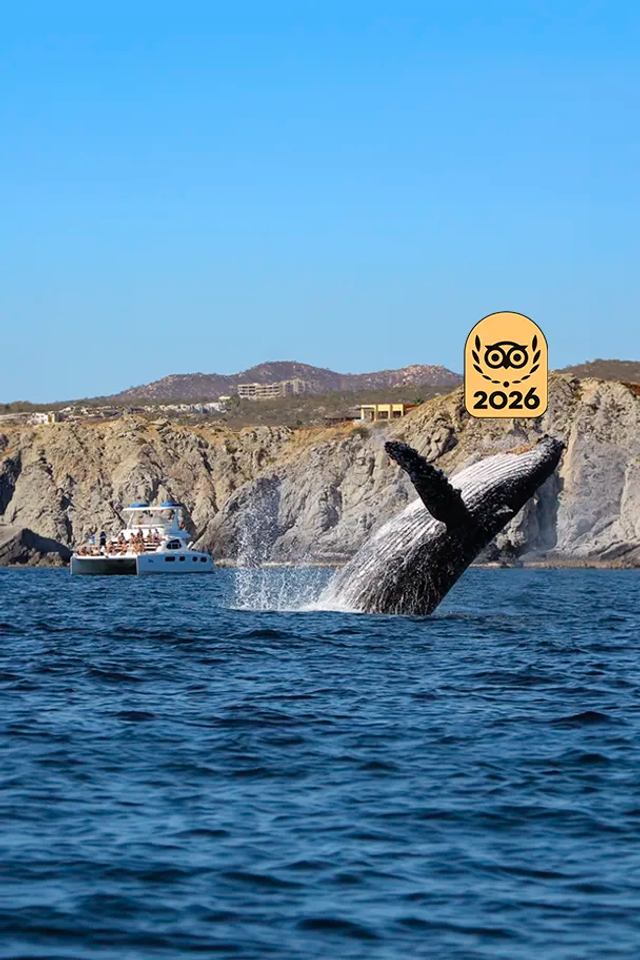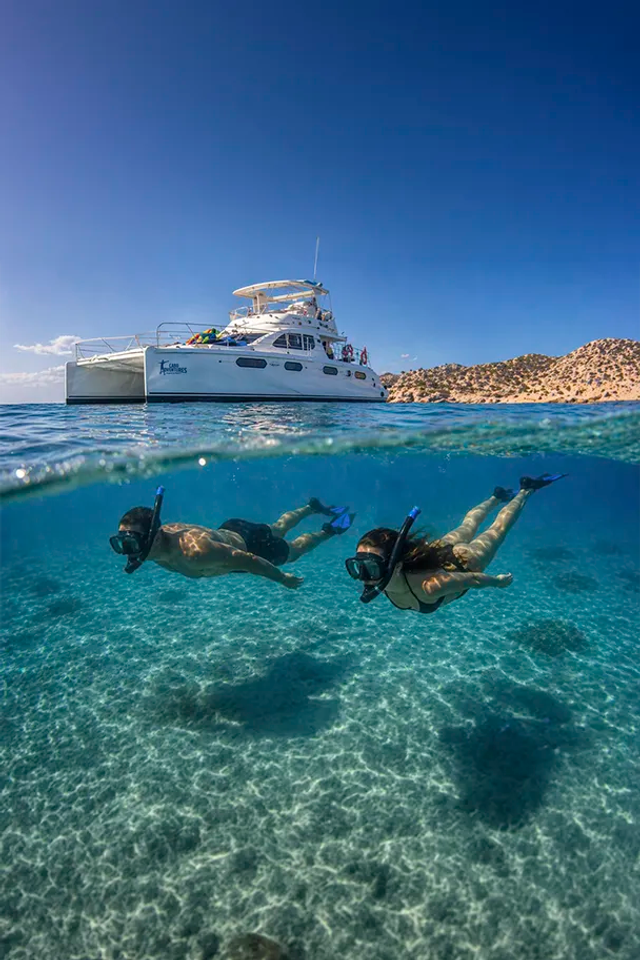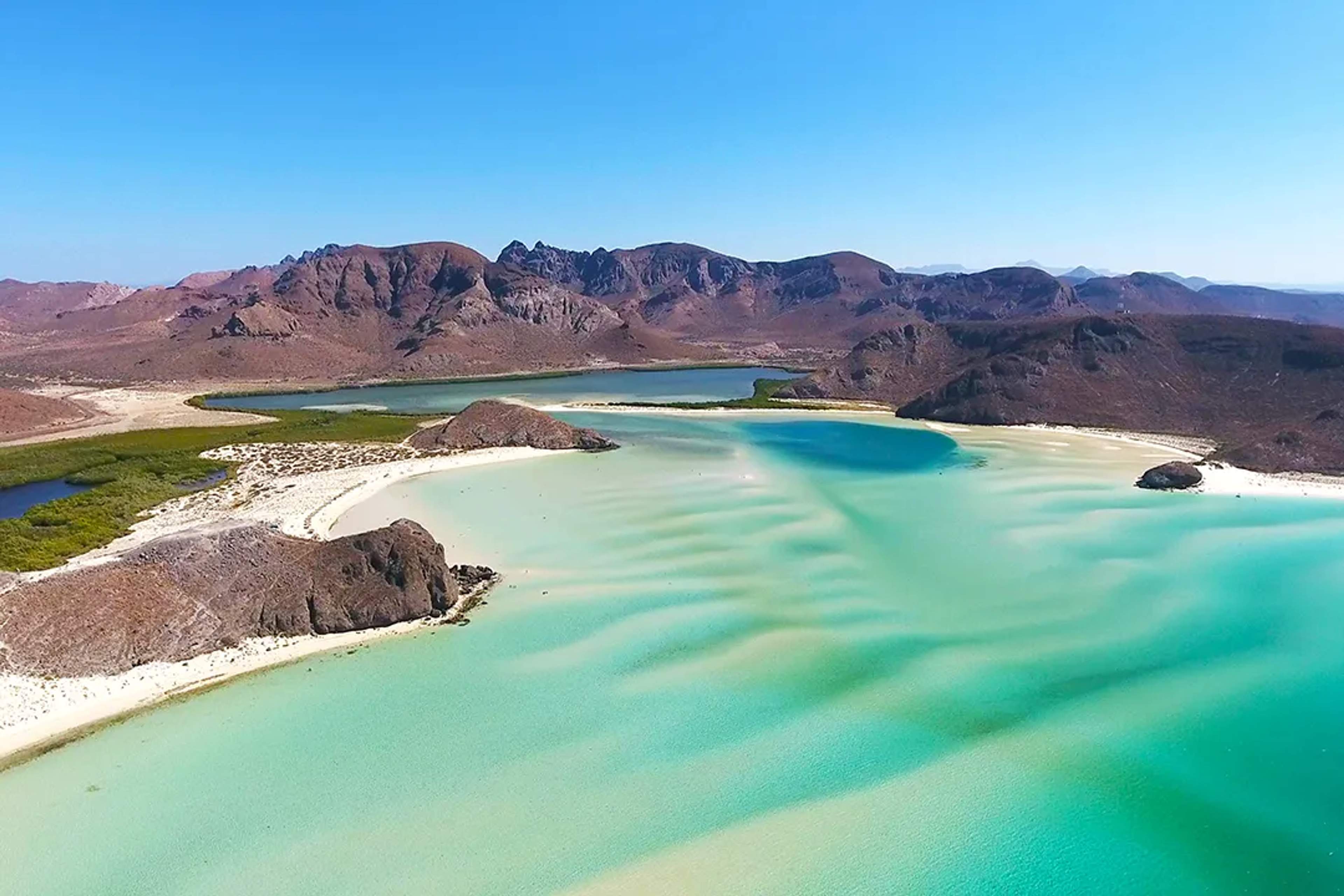
If you're weighing a trip to the southern tip of the Baja California Peninsula, we understand why safety questions surface early in the planning process. Our take: Cabo San Lucas is one of Mexico's safest tourist destinations, backed by government travel advisories, local security investment, and the track record of millions of annual visits.
From the buzzing Marina district to the calm shores of Medano Beach, Los Cabos maintains a secure environment that lets you focus on what brought you here: dramatic desert landscapes, warm Pacific Ocean and Sea of Cortez waters, and a culture worth exploring beyond resort walls. But "safe" doesn't mean there's nothing to prepare for. In day-to-day reality, the ocean poses a greater statistical risk to visitors than crime does, and knowing the difference between a swimmable beach and a deadly one matters more here than almost anywhere else.
In this guide, we break down the real safety picture across Cabo San Lucas, San José del Cabo, and the Tourist Corridor, covering everything from beach hazards and nightlife precautions to emergency contacts and transportation logistics.
What Is the Current Travel Advisory for Los Cabos?
Baja California Sur, the state that contains Cabo San Lucas, San José del Cabo, and the entire Los Cabos region, holds a Level 2 advisory from the U.S. State Department. That's the same advisory level assigned to France, Italy, Spain, the United Kingdom, and the Bahamas, destinations most travelers don't think twice about visiting.
One geographic confusion trips up many travelers before they even start packing, so we always call it out clearly. Baja California and Baja California Sur are two separate states. The UK Foreign Office addresses this directly, noting that while it advises against travel to Tijuana and Tecate in the northern state of Baja California, "There is another state called Baja California Sur that is unaffected by these warnings." Los Cabos sits at the southern tip of the peninsula, physically separated from mainland Mexico by the Sea of Cortez and hundreds of miles from the northern border.
This distinction proved relevant again in February 2026, when security incidents affected several Mexican states including Jalisco, Michoacán, Guerrero, Nayarit, Sinaloa, and Baja California. The UK Foreign Office confirmed that Baja California Sur was notably absent from the list of affected states, and The New York Times reported that "Other destinations like Los Cabos, at the southern tip of Baja California Sur, have been unaffected by the recent cartel violence."
A June 2026 U.S. Consulate advisory referenced two isolated security incidents near San José del Cabo International Airport, both taking place outside traditional tourist zones. Local authorities responded by reinforcing federal security personnel across neighborhoods, roads, and tourist areas, and Canada maintains a Consular Agency directly in Cabo San Lucas, with its travel advisory recommending exercising a high degree of caution for Mexico generally, without singling out Baja California Sur for additional concern.

How Safe Are the Tourist Areas in Cabo San Lucas?
Los Cabos isn't one uniform area; we think of it as three distinct zones, each with its own character and security profile.
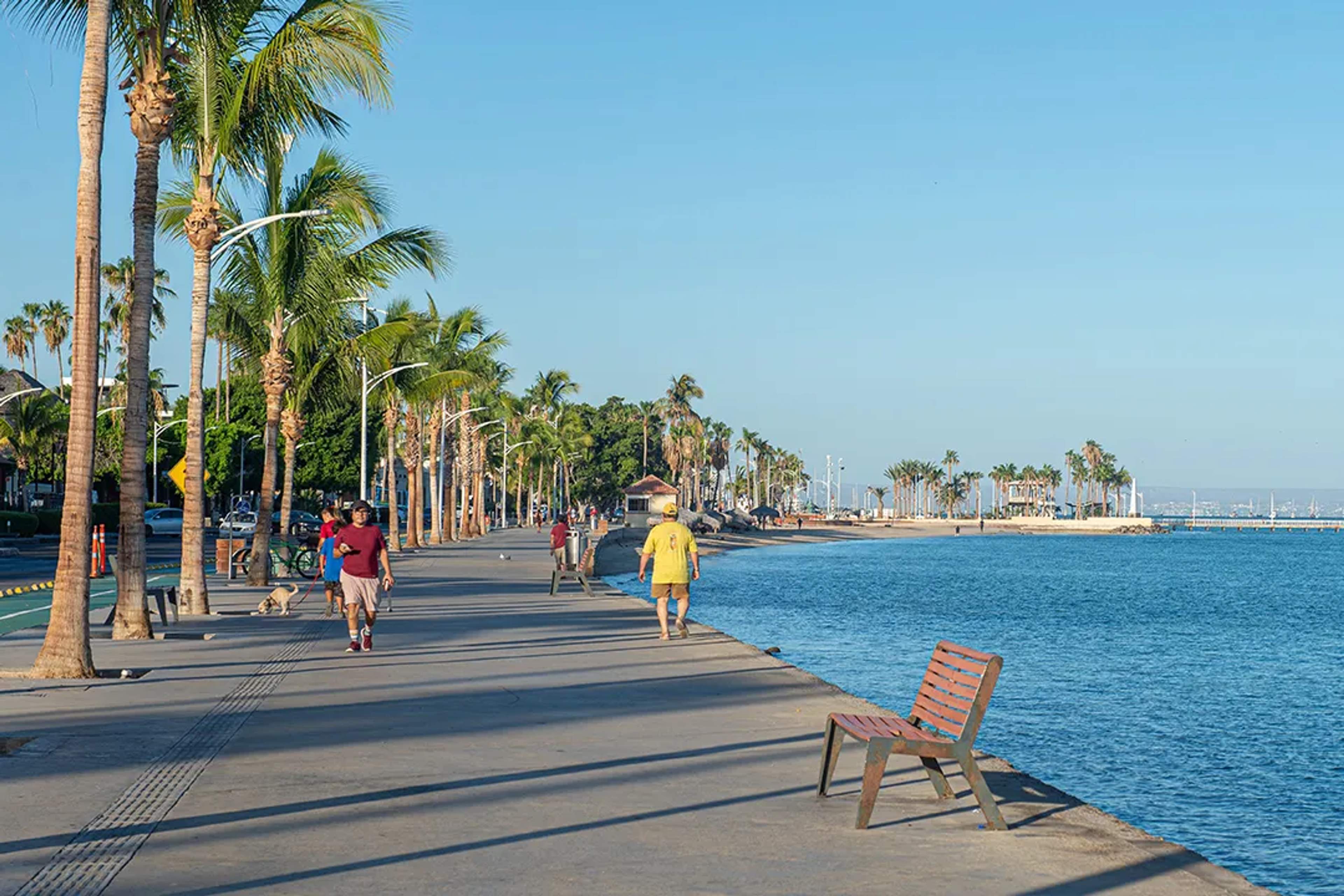
The Tourist Corridor
The coastal highway stretch between Cabo San Lucas and San José del Cabo has the lowest crime rates in the region. Large resorts line this corridor with comprehensive security measures, surveillance systems, and controlled access points. If you're staying here, the security infrastructure is extensive and largely invisible.
Cabo San Lucas
The Marina district and downtown Cabo San Lucas maintain a visible police presence throughout day and evening hours. Regular patrols and security checkpoints intensify during peak tourist seasons, and the waterfront restaurants, shops, and nightlife areas benefit from consistent monitoring. According to Numbeo data, Cabo San Lucas carries a Crime Index of 40.87, substantially lower than Washington, D.C.'s score of 59.7 on the same scale.
Walking safety scores reflect this. Walking safety scores show daytime safety at 76.39 (high), while nighttime drops to 56.94 (moderate). Our practical takeaway is that the main tourist zones feel safe and well-patrolled, though standard urban awareness applies after dark.
San José del Cabo
Quieter and more culturally focused than its neighbor, San José del Cabo's downtown area and Art District maintain strong police presence. Many visitors explore the Old Town and Art District comfortably, and we often recommend San José to travelers who want a calmer base while still having great dining and walkable streets.
Beach and Ocean Safety, the Risk Most Travelers Don't Expect
Here's the safety reality that surprises nearly everyone planning a Cabo trip: drowning is the leading cause of non-natural tourist deaths in Los Cabos. According to U.S. Department of State data cited by Inside Los Cabos, four out of six U.S. non-natural deaths in the region over a one-year period were water-related. Ocean hazards far outweigh crime as a threat to visitors.
Unlike Caribbean destinations where most beaches allow swimming, the non-swimmable beaches reality is important to understand in Los Cabos. The region sits where the Pacific Ocean meets the Sea of Cortez, and that collision creates conditions that demand respect. When friends visit us here, this is the first safety topic we cover.
What Makes These Waters Dangerous
Riptides function like invisible underwater rivers, pulling swimmers rapidly away from shore with enough force to overwhelm even strong swimmers. Undertow pulls downward along the beach floor as waves recede, making it equally dangerous to the more well-known rip current.
Rogue waves are unpredictable and can strike people standing on what appears to be dry sand; in Los Cabos, the danger can start before you even enter the water. And mar de fondo (deep-sea swells) create a deceptive hazard where the first ten feet of water look perfectly calm while powerful swells pull beneath the surface.
Know the Flag System
Los Cabos beaches use a flag system that's critical to understand:
Green: Safe swimming conditions
Yellow: Caution advised, moderate hazard
Red: High hazard, dangerous currents present, swimming strongly discouraged
Black: Beach closed, absolutely no swimming
White: Dangerous marine life present (jellyfish, stingrays)
Blue: Certified eco-beach with lifeguard presence and high safety standards
A red flag is not a suggestion. According to The Cabo Sun, fatal incidents regularly involve tourists ignoring these warnings.
Where You Can Swim Safely
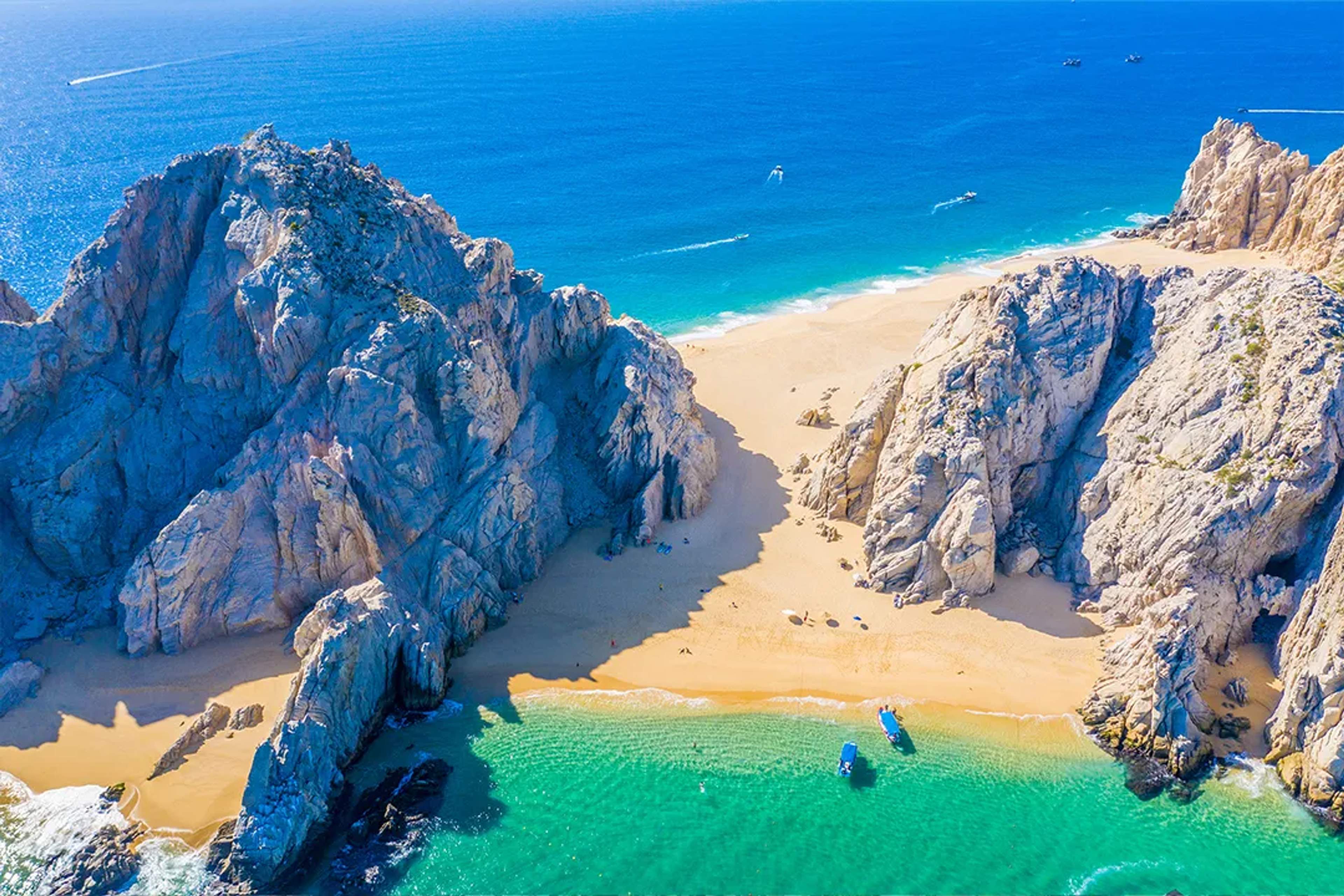
Medano Beach in Cabo San Lucas is the safest and most popular swimming beach, with calm waters protected by natural rock formations. It received its Blue Flag certification in December 2025, joining more than 25 other Los Cabos beaches that hold this international recognition for the 2025–2026 season.
Chileno Beach and Santa María Beach along the Tourist Corridor also hold Blue Flag certification, an international designation confirming high safety, water quality, and environmental standards.
Palmilla Beach offers calm, shallow waters particularly suitable for families.
Lover's Beach near El Arco permits swimming only on the Sea of Cortez side. The neighboring Pacific-facing Divorce Beach is extremely dangerous; the names themselves hint at the wave conditions.
Where You Cannot Swim
Pacific-side beaches are widely known for powerful surf and strong currents, and swimming is strongly discouraged in many areas. This includes Playa Solmar, Pedregal Beach, and many resort-fronting beaches.
A common mistake is booking a beachfront hotel and assuming the ocean is swimmable; beachfront location does not equal safe swimming. Most beaches also lack lifeguards, making personal judgment and flag awareness even more essential.
If no one else is swimming, we recommend staying out of the water.
Is It Safe to Walk Around Cabo San Lucas at Night?
The Marina district and downtown Cabo San Lucas are lively after dark and generally safe for pedestrians. Well-lit streets, visible police patrols, and the natural flow of tourists between restaurants, bars, and shops create a secure atmosphere along the main walkways.
The practical guidelines are common-sense, and they're the same ones we follow when we're out at night: stick to populated, well-lit areas. Avoid isolated side streets and alleys. Travel with others when possible, especially later in the evening. The areas around the Marina, Medano Beach, and the main nightlife strip maintain foot traffic well into the night.
San José del Cabo's Art District and downtown feel calmer and more relaxed in the evenings, with many visitors finding it comfortable for solo evening strolls along the main streets.

Getting Around Safely with Taxis, Uber, and Rental Cars
Uber is widely considered one of the safest and most cost-effective transportation options in Los Cabos, and it's what we typically recommend when it's available for your pickup point. Fares are tracked, routes are recorded, and driver information is verified before you get in. One operational note: Uber drivers face pickup restrictions at SJD airport and cannot access the arrivals level. Travelers can request pickups from the departures level or nearby locations. Similarly, all-inclusive resorts may restrict Uber access at their gates, requiring you to meet drivers outside the property.
Licensed taxis operate throughout tourist zones and are generally safe when arranged through hotel desks or official taxi stands. Negotiate and agree on fares before getting in; meters aren't always used. Paying in pesos rather than dollars typically results in a fairer rate.
Rental cars provide safe, flexible transportation, particularly along the Tourist Corridor connecting Cabo San Lucas and San José del Cabo. The corridor highway is well-maintained and safe during daytime hours. One non-negotiable: Mexican liability insurance is required by law. U.S. and Canadian auto insurance policies don't satisfy this legal requirement, so you'll need to purchase Mexican coverage through the rental agency. Night driving outside the main Cabo–San José corridor isn't recommended.
Airport arrivals deserve their own mention. After clearing customs, you'll walk through a corridor of transportation sellers and timeshare promoters. It's not dangerous, just persistent. We recommend pre-booking your transportation before you arrive to eliminate the stress entirely.
Common Tourist Pitfalls and How to Avoid Them
The most common tourist pitfalls in Los Cabos are financially motivated rather than dangerous, and most are easily avoided with awareness.
Airport timeshare pitches start the moment you exit customs. People in bright polo shirts offer free transportation or discounted activities in exchange for attending presentations. A firm "no, thank you" and pre-arranged transportation solve this completely.
Bill padding at bars and restaurants happens occasionally at high-traffic nightlife spots. Always request an itemized bill, review charges before paying, and count your change.
Overpriced taxi rides target travelers who don't establish fares upfront. Agree on a price before entering the vehicle, or use Uber where the fare is calculated automatically.
ATM interference involves strangers offering to help bypass bank fees. We suggest using machines inside banks during business hours, shielding your PIN, and declining all assistance.
Nightlife Safety in Cabo San Lucas
Downtown Cabo San Lucas and the Marina area host a lively nightlife scene that's generally safe when basic precautions are followed. Popular clubs and bars benefit from high foot traffic and regular security patrols.
The most important nightlife rule, and the one we repeat to every group heading out: never leave drinks unattended. Drink spiking has been reported at tourist destinations across Mexico, and this single precaution reduces the most common nightlife risk. Watch your drink being made, avoid accepting drinks from strangers, and know your limits; most incidents that lead to problems involve excessive alcohol consumption rather than targeted crime.
Keep belongings minimal when going out. Leave passports and extra cash in your accommodation's safe. Travel in groups when possible, use Uber or licensed taxis for the ride back, and stay within the well-lit, well-populated entertainment areas.

Health, Tap Water, and Food Safety
Do not drink the tap water in Los Cabos. The CDC guidance advises travelers to avoid contaminated water sources. We recommend using bottled or purified water for drinking and brushing teeth. Established restaurants and resorts typically use purified water and treated ice, but when uncertain, opt for sealed bottles.
Food safety follows standard travel practices: choose restaurants where food is prepared fresh and served at proper temperatures. Los Cabos has a thriving dining scene with high standards at most tourist-facing establishments, and the risk of foodborne illness is manageable with normal precautions.
Medical care is available through several hospitals and clinics in Cabo San Lucas, including facilities with 24/7 emergency services. Be aware that private hospitals may require upfront payment and costs can be higher than expected. We strongly recommend travel insurance with medical coverage, including evacuation, before any trip to Mexico.
Solo and Female Traveler Safety
Cabo San Lucas is generally safe for solo travelers, including women traveling alone. The visible police presence, tourism-focused infrastructure, and welcoming local culture all contribute to a secure atmosphere.
Practical protocols for solo travelers include pre-arranging transportation (especially for airport arrivals), staying in accommodations within established tourist zones, and using Uber or hotel-arranged rides rather than hailing cabs independently. San José del Cabo's calmer pace often appeals to solo travelers who prefer quieter exploration, while Cabo San Lucas offers more energy and social opportunities.
At night, solo travelers should avoid walking alone in unfamiliar areas, stay within well-lit tourist zones, and exercise heightened awareness in nightlife settings. These are the same precautions we'd suggest in any major tourist destination worldwide.
LGBTQ+ Traveler Safety
Los Cabos is generally welcoming to LGBTQ+ travelers, particularly couples planning a resort stay. The International LGBTQ+ Travel Association notes that Mexico's largest cities and popular tourist destinations tend to have more accepting attitudes. Mexican federal law prohibits discrimination based on sexual orientation, though enforcement varies.
While Los Cabos doesn't have the established LGBTQ+ scene of Puerto Vallarta or Mexico City, same-sex couples can expect respectful treatment at resorts, restaurants, and tourist activities throughout the region. Situational awareness regarding public displays of affection outside specifically LGBTQ+-friendly venues is advisable, as it would be in many international destinations.
What to Do in an Emergency
Call 911 for police, fire, or ambulance; Mexico's universal emergency number works throughout Los Cabos. English-speaking operators may be available, though having a Spanish speaker on hand helps.
U.S. Embassy assistance is available at +52-55-2579-2000 (from Mexico) with after-hours duty officers on call. The U.S. Embassy recommends enrolling in the STEP program (Smart Traveler Enrollment Program) before departure to receive security alerts and enable embassy contact in emergencies. Canada maintains a Consular Agency directly in Cabo San Lucas, reachable at +52-55-5724-9797.
For lost or stolen passports, police report first, as this is required for replacement processing. Then contact the nearest U.S. Embassy or Consulate to apply for an emergency replacement passport. Appointments must be scheduled online; walk-in service is not available.
What Locals and Travel Experts Say About Cabo's Safety
From what we hear consistently from neighbors, long-term residents, and travelers who return year after year, Cabo remains a safe destination that has continued improving. Increased police patrols, better street lighting, and community watch programs reflect ongoing local government investment in security infrastructure.
The Tourism Observatory documented that only 0.4% of tourists reported fair or poor safety perception in February 2025, an improvement over the previous year. That statistic aligns with the broader expert consensus: when sensible precautions are taken, Cabo San Lucas delivers both the adventures travelers come for and the security they need to enjoy them full.
Planning a Safe Trip to Los Cabos
One last preparation that addresses concerns: booking a guided tour. When you're in the water off a boat with a crew that monitors sea conditions, you've already solved the beach selection problem — the operator has done it for you. You're not deciphering flag colors or wondering which side of Lover's Beach is swimmable. You're in the water with people whose job is knowing the difference.
The transportation piece resolves the same way. Tours depart from the Marina. There's no Tourist Corridor driving, no rental car insurance to sort out, no negotiating cab fares to a beach you've never been to. The same planning instinct that leads you to pre-book airport transfers applies here — remove the variables before you arrive, and Los Cabos opens up as exactly what it is: one of Mexico's most rewarding destinations, where desert canyons meet two oceans and most of what's worth seeing is best reached from the water.

Frequently Asked Questions
When is the safest time of year to visit Cabo San Lucas?
Cabo is a year-round destination, but ocean conditions shift by season. Mar de fondo swells are most common from May through October, when Pacific-side beaches see the highest number of red and black flag days. Hurricane season officially runs June through November, though direct hits are rare. Winter and early spring offer the calmest seas and the most consistent green-flag days along the Tourist Corridor, which is ideal for families and first-time swimmers.
Do I need to speak Spanish to stay safe in Cabo San Lucas?
Spanish is not required in tourist areas. Staff at resorts, restaurants, tour operators, and taxi stands typically speak functional English, and most emergency dispatchers can route English-speaking callers. That said, having a Spanish speaker on hand speeds up 911 calls, medical intake at private hospitals, and interactions with local police. A translation app and a few key phrases—ayuda, policía, hospital, no entiendo—cover most situations you're likely to encounter.
Can I bring prescription medications into Mexico?
Yes, but pack smart. Bring medications in original labeled containers and carry a copy of the prescription, especially for controlled substances. Cannabis and CBD products are restricted, and synthetic drugs or pills purchased locally carry serious health risks. If you take daily medication, bring enough for the full trip plus a few extra days in case of travel delays. Pharmacies in Cabo San Lucas stock most common medications, though brand names may differ from what you use at home.