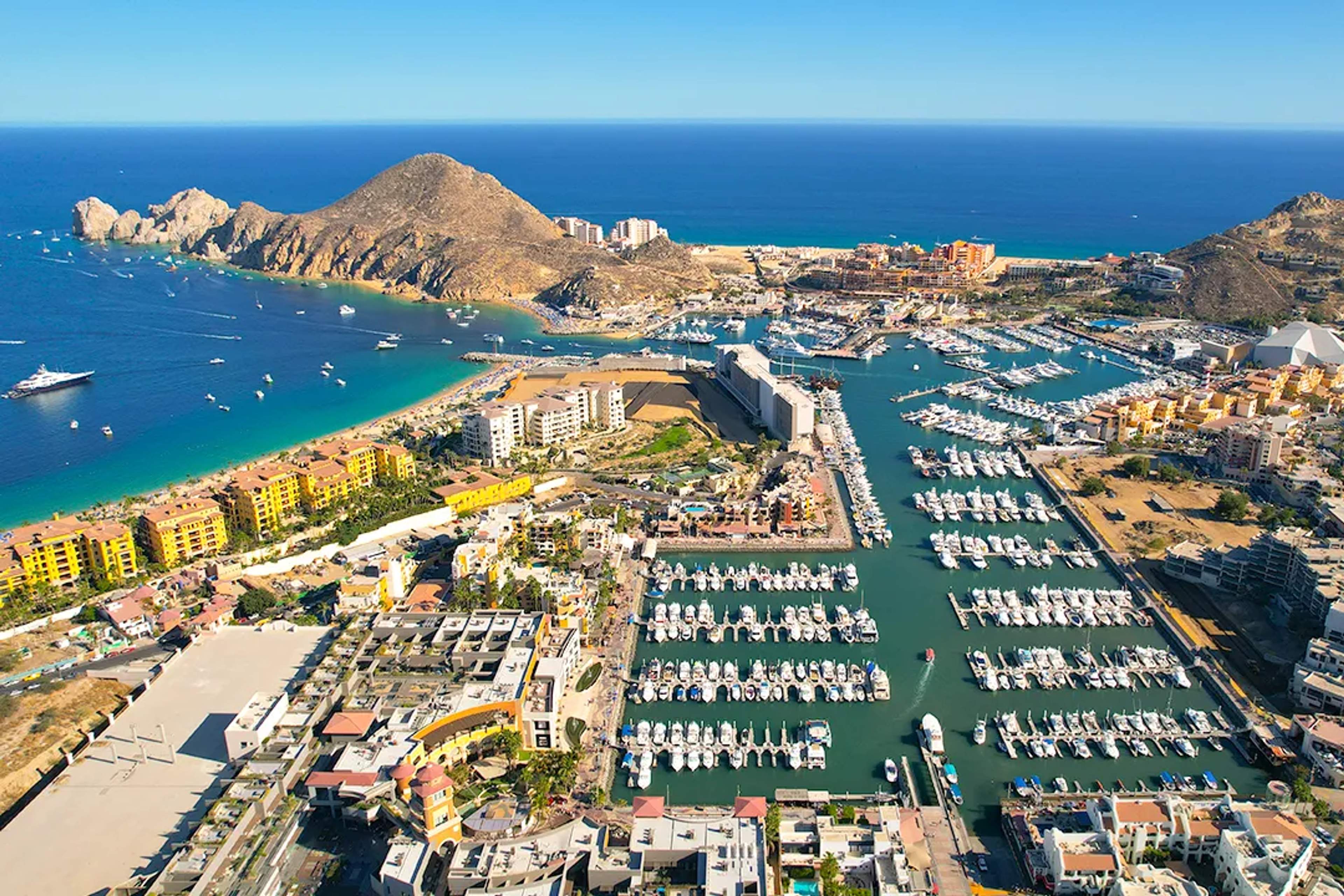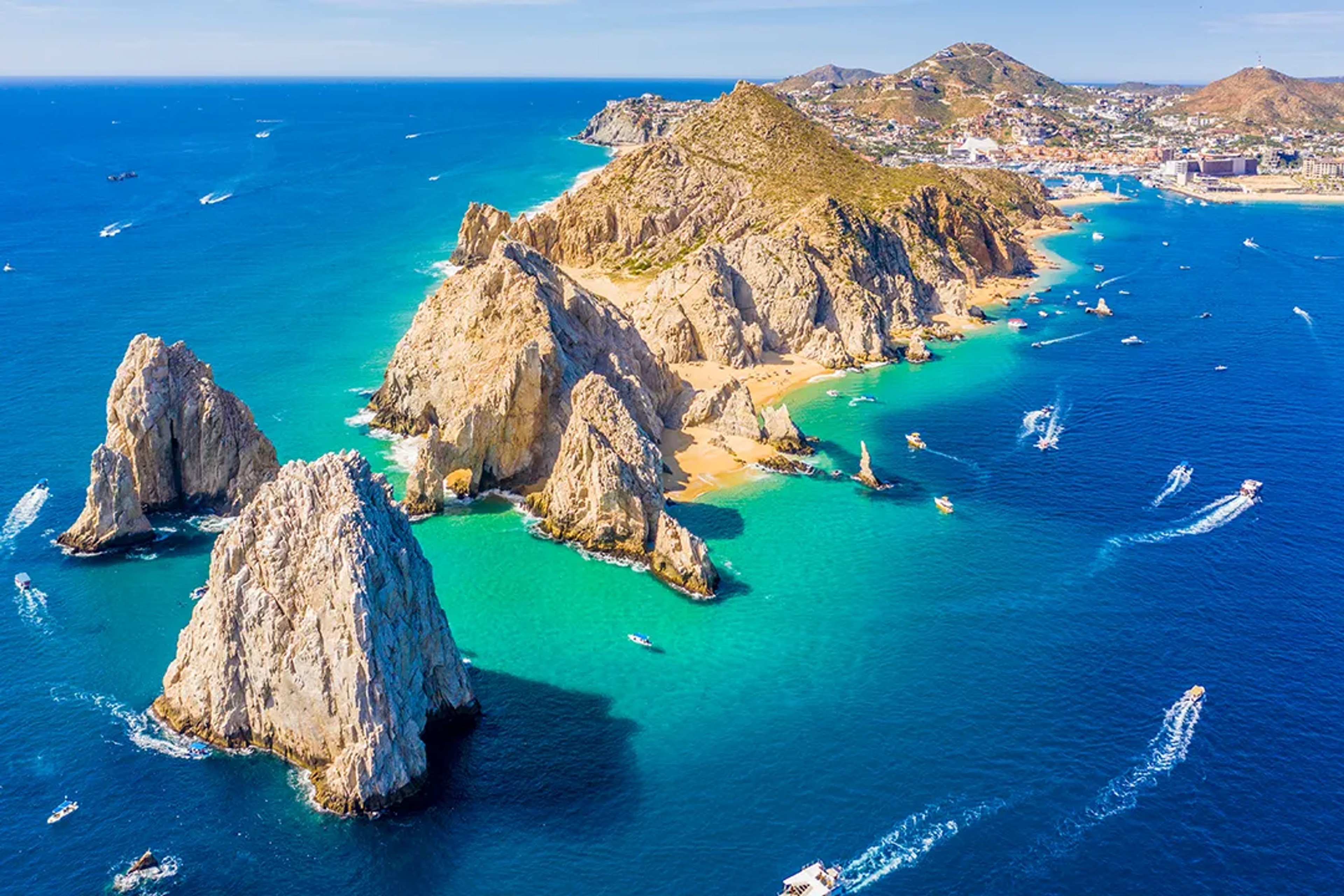
Nestled at the southern tip of the Baja California Peninsula, Cabo San Lucas sits where the Pacific Ocean collides with the Sea of Cortez, and that collision shapes everything about its beaches. Los Cabos beaches stretch across the region, but not every stretch of sand is swimmable. Knowing which ones match your plans, whether that's a calm swim, a surf session, or a quiet afternoon watching whales from shore, makes the difference between an average beach day and the one you talk about for years.
From the lively hub of Medano Beach to hidden bays along the East Cape, here's a guide organized by what you actually want to do.
Why Some Beaches Are Safe to Swim and Others Aren't
The Pacific side of Cabo features rip currents. Beaches facing the Sea of Cortez are generally calmer, but underwater currents can operate even when the surface looks glassy.
Before stepping into the water at any beach, check the beach flags. Green means calm conditions. Yellow signals moderate danger, not ideal for children or weaker swimmers. Red means strong currents or high waves; stay out entirely. Black means the beach is closed. White indicates jellyfish.
Blue Flag beaches give Los Cabos the most of any municipality in Mexico. That certification means the water is regularly tested, lifeguards and safety infrastructure are in place, and environmental management meets strict international standards. It does not guarantee calm surf, but it does confirm a level of care that matters.
Where to Swim Safely in Cabo San Lucas
Medano Beach
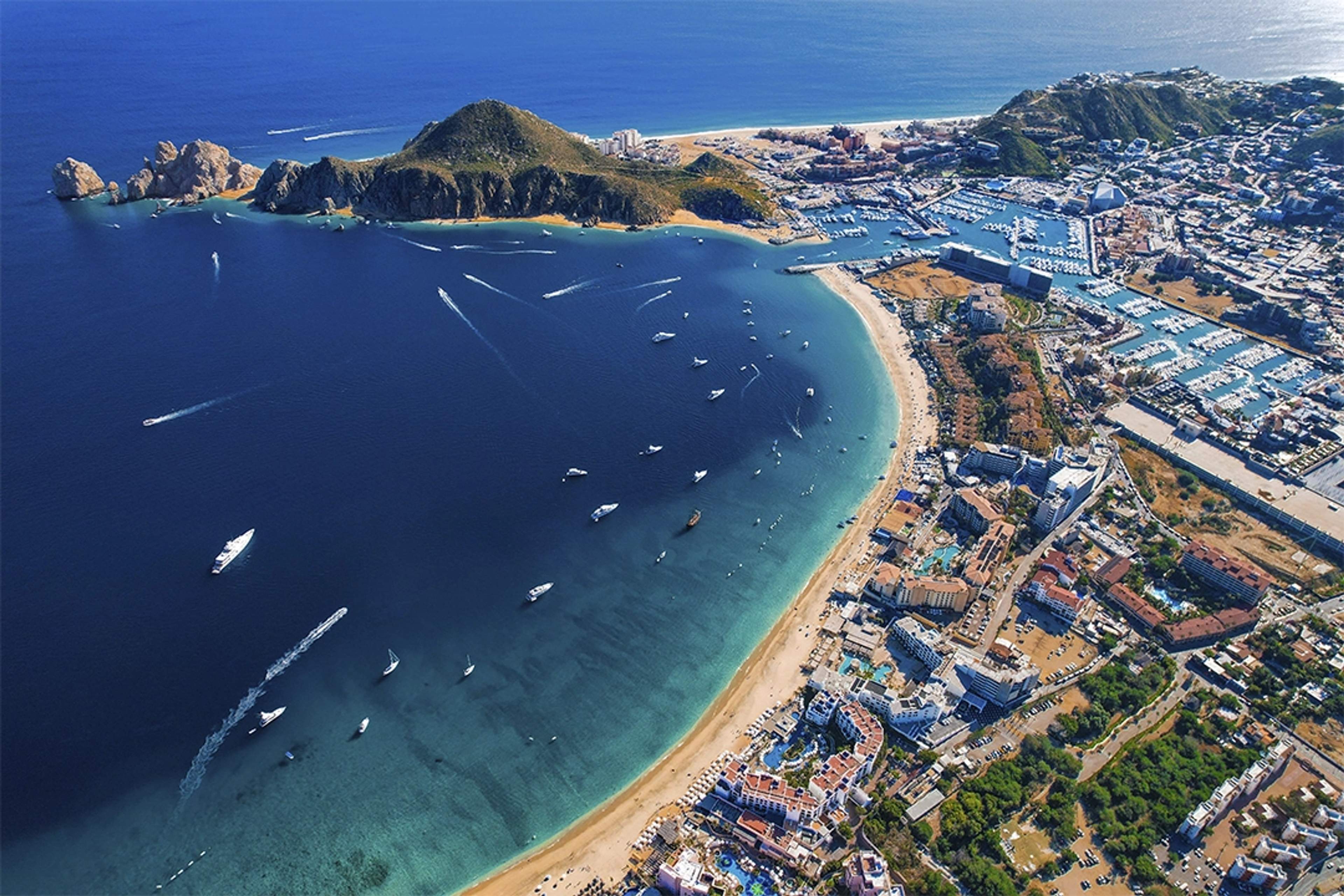
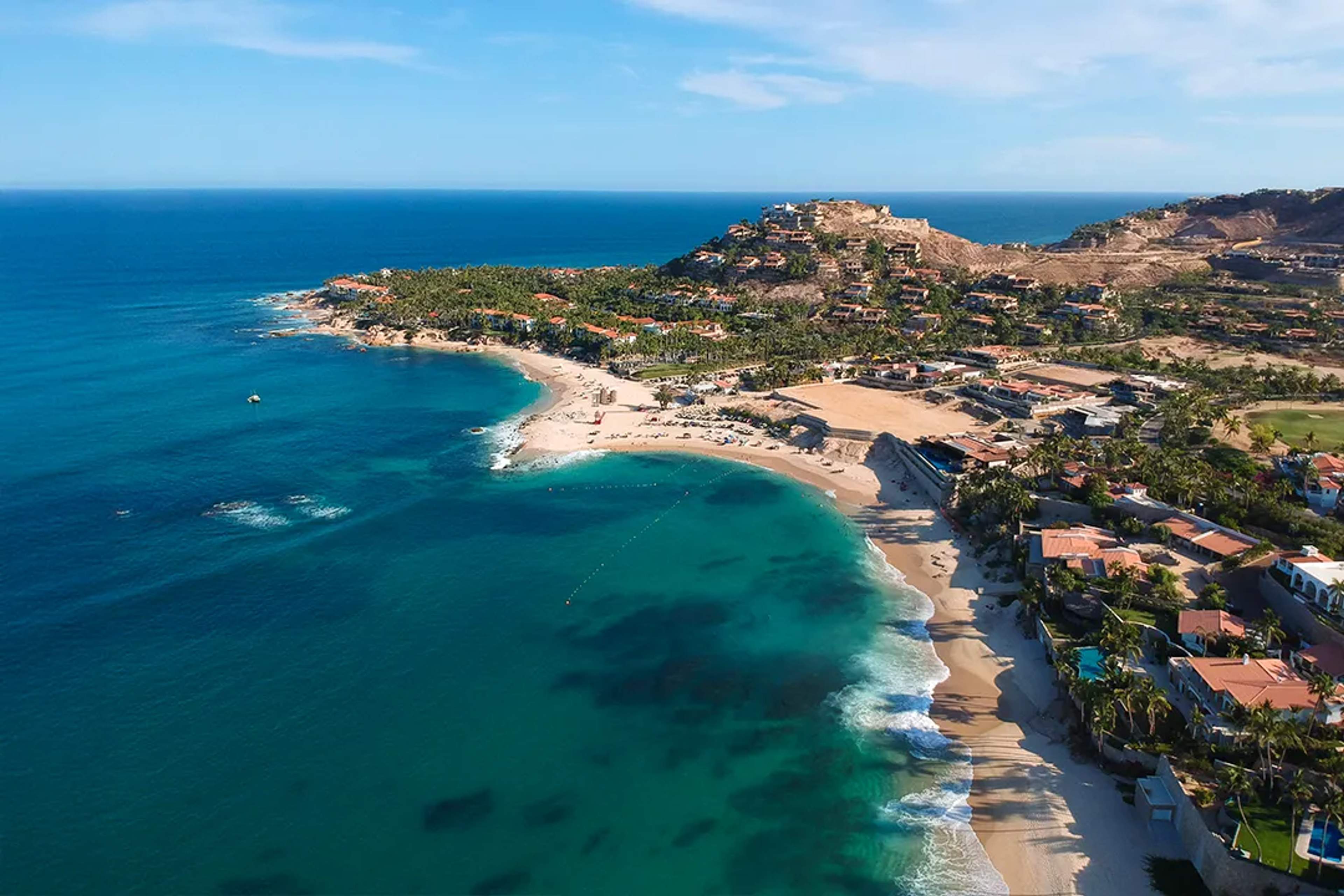
At the heart of Cabo lies Medano Beach, a two-mile stretch lined with restaurants, bars, and beach clubs. The calm bay water makes it one of the safest places to swim in town. Jump into jet skiing and paddleboarding, or join a pickup volleyball game on the sand.
Families appreciate the easy access to restrooms and paved walkways. Night owls love that the energy keeps going well after the sun goes down. Medano is Cabo's go-to party beach, with DJs, dancing, and beachfront bars that stay packed late into the night.
Chileno Beach
If you want clear water and quiet surroundings, Chileno Beach delivers. Its KM 14 location along the corridor holds Blue Flag certification and offers two distinct snorkeling environments in one bay, boulders and sand with puffer fish and box fish on the north side, and corals, sea fans, and schools of fish on the south side.
Free palapas fill up early, so arrive in the morning. Chileno amenities include freshwater showers, restrooms, lifeguards, dedicated parking, and handicap access, making it one of the most well-equipped public beaches in the region. During whale season (December through April), swimmers who hold their head underwater may hear gray whale songs echoing through the bay.
Palmilla Beach
On the outskirts of San José del Cabo, Palmilla Beach offers a quiet haven away from the crowds. Holding an A+ Blue Flag, it's known for gentle waves, a gradual sandy entry, and spotless conditions. The shallow shoreline works well for younger children, and shaded palapas provide a comfortable base.
You won't find many commercial vendors here, so bring a cooler, a good book, and sun-protective clothing.
Santa Maria Beach
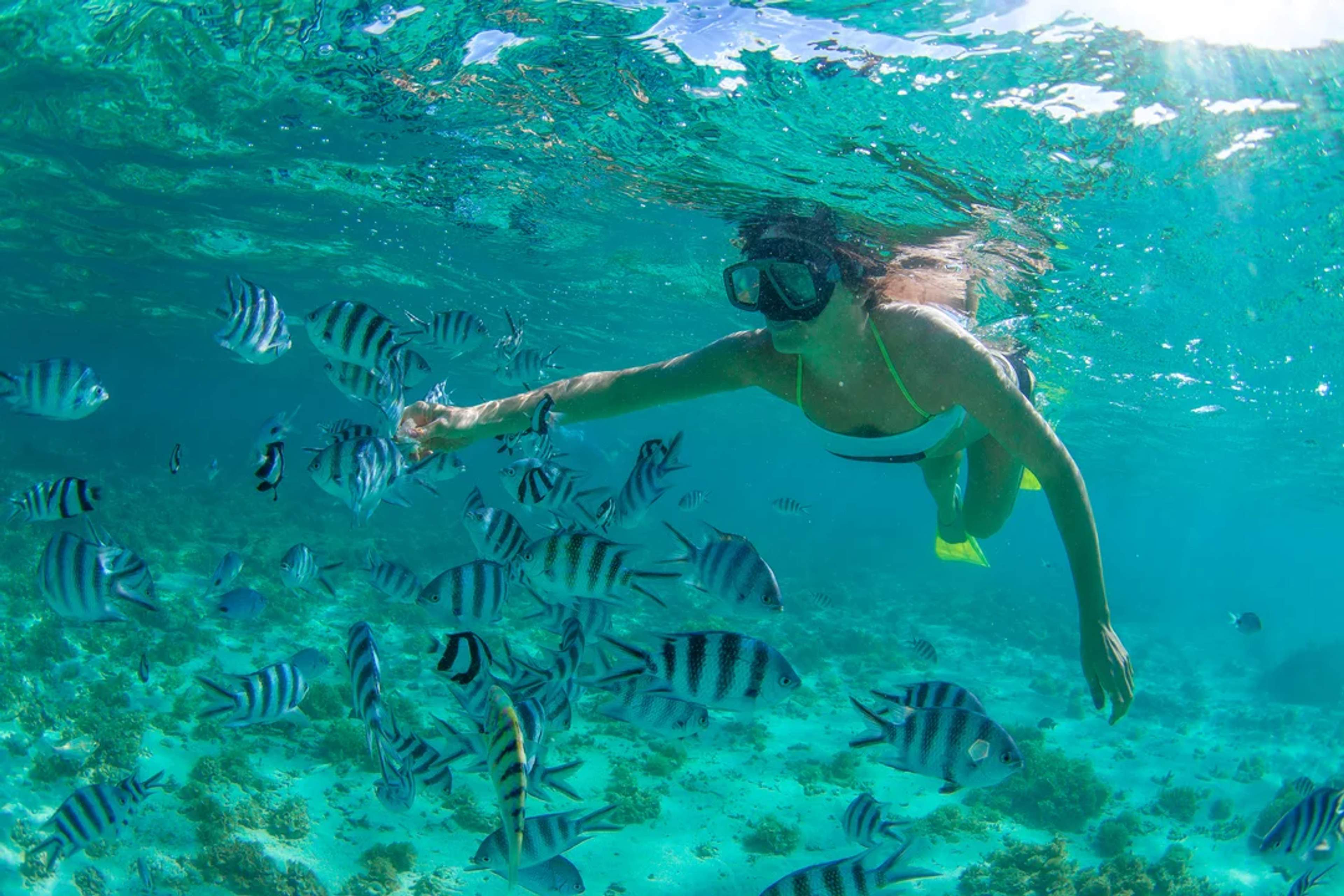
Santa Maria Beach curves around a horseshoe-shaped bay that keeps the water calm for swimmers of all levels. Part of a marine sanctuary, where fishing and anchoring are prohibited, it's a favorite among snorkeling fans for its coral reefs and colorful fish. Morning hours bring the clearest water visibility.
Top Snorkeling Spots Along the Coast
Chileno Beach
Chileno earns a second mention for its calm currents and abundant marine life. The north bay has boulders that shelter puffer fish and box fish, while the south bay features sea fans and denser tropical populations. Arrive early to maximize visibility and claim a palapa.
Santa Maria Beach
As a protected marine sanctuary, Santa Maria boasts pristine sand and calm, clear waters, with its horseshoe-shaped bay sheltered by two granite rocks that block open-ocean swell. Fishing, anchoring, and touching marine life are all prohibited within the designated sanctuary zone. Bring your own gear, and head out in the early morning for optimal water visibility.
Pelican Rock
Just beyond Lover's Beach, Pelican Rock is accessible by a short boat ride from the Marina district. Beneath the surface, you'll find coral formations, vibrant tropical fish, and excellent visibility, including sea turtles, surgeonfish, and rays gliding through the shallows.
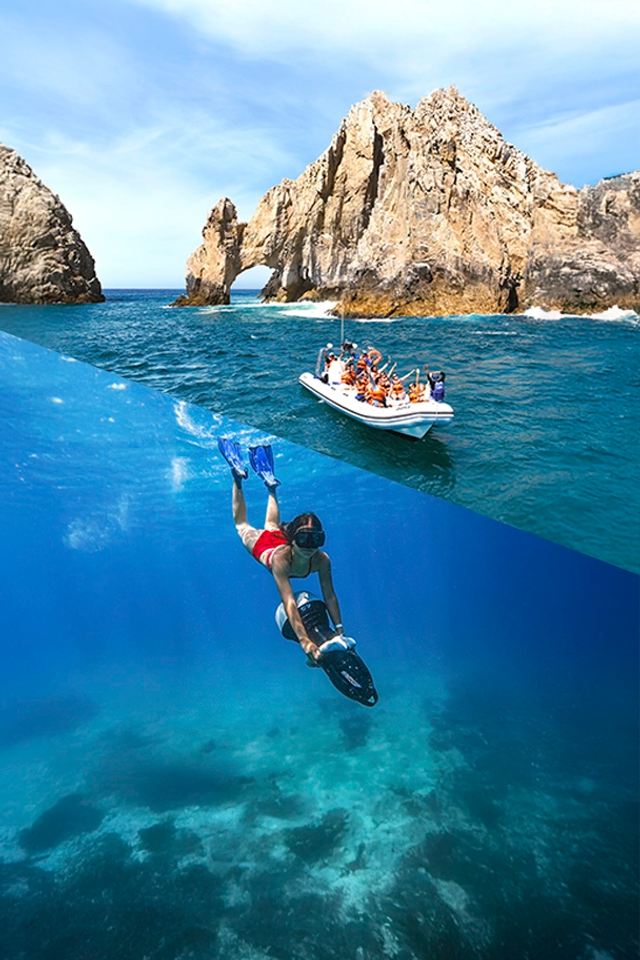
The Cabo Snorkel & Land's End Arch tour rolls it all into one outing. A speedboat ride takes you past the Arch, Lover's Beach, and Land's End before dropping anchor at Chileno Bay, Santa María Bay, or Pelican Rock, with the final spot chosen based on weather and sea conditions.
Snorkel gear, stand-up paddleboards, kayaks, and underwater scooters are all included, and expert guides share the stories behind the coastline and the marine life below. Kids aged 5 and up are welcome, making it a solid pick for families.
Cabo Pulmo
Cabo Pulmo's living coral reef makes the trek worthwhile. Reef recovery since the community enforced a fishing ban in 1995 includes a 463% increase in fish biomass, and over 300 species now inhabit the reef. Schooling jacks, groupers, sea turtles, and bull sharks (primarily November through March) are common sightings.
Peak visibility comes from October through December. Sun-protective clothing, long sleeves, rash guards, and hats, is strongly recommended for reef visits. The entrance fee is $125 MXN per person, with free entry for children under 12 and seniors.
For those who prefer a guided full-day trip, the Cabo Pulmo Snorkeling Expedition includes transportation, expert guides, gear, and lunch.
Beaches Worth Visiting at Golden Hour
Divorce Beach
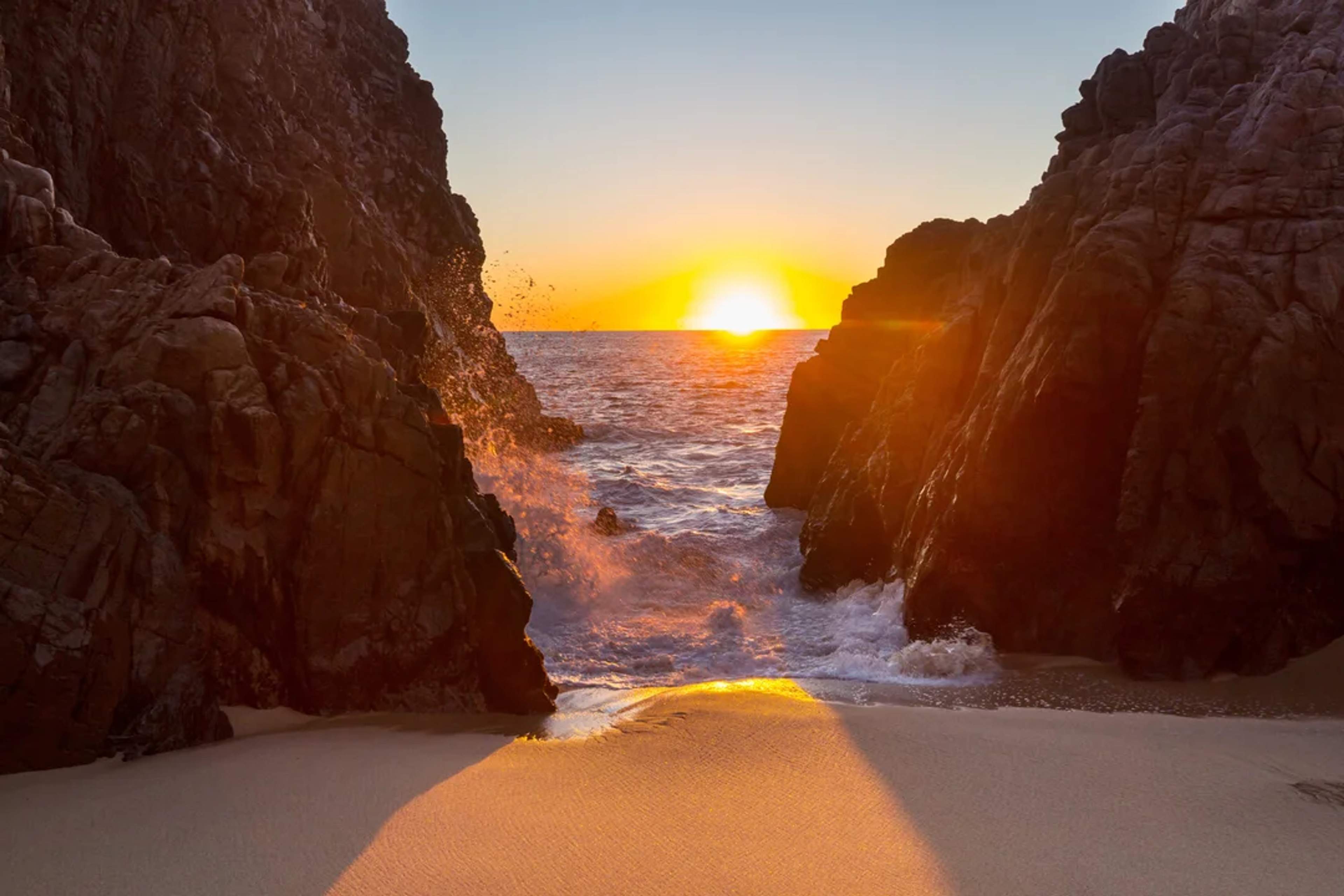
Near Land's End, Divorce Beach faces the Pacific with powerful waves and rugged rock formations. Swimming is dangerous here, but the shoreline glows with brilliant pinks and oranges as the sun dips below the horizon. Arrive 20–30 minutes early to watch the sky shift against the dramatic cliffs.
Sunset Beach
True to its name, Sunset Beach provides a panoramic view over the Pacific. The golden hour paints the sky with fiery tones that fade into deep purples. Fewer crowds than in central locations make it an ideal spot to unwind.
Pedregal Beach
Tucked below the hillside homes of Pedregal, this beach faces due west with unobstructed Pacific views. Strong waves make swimming unsafe, but the elevated vantage point offers one of the most dramatic sunset views near town.
Land's End
Famous for its sea arch, Land's End is one of the most recognizable backdrops in Los Cabos. Arriving about 30 minutes before sunset gives you time to appreciate the interplay of light on the towering rock formations. For couples, this area, especially the Mount Solmar overlook trail, offers a vantage point where the full geography of the coastline unfolds in a single frame.
Surf Breaks from Beginner to Advanced
Monuments Beach
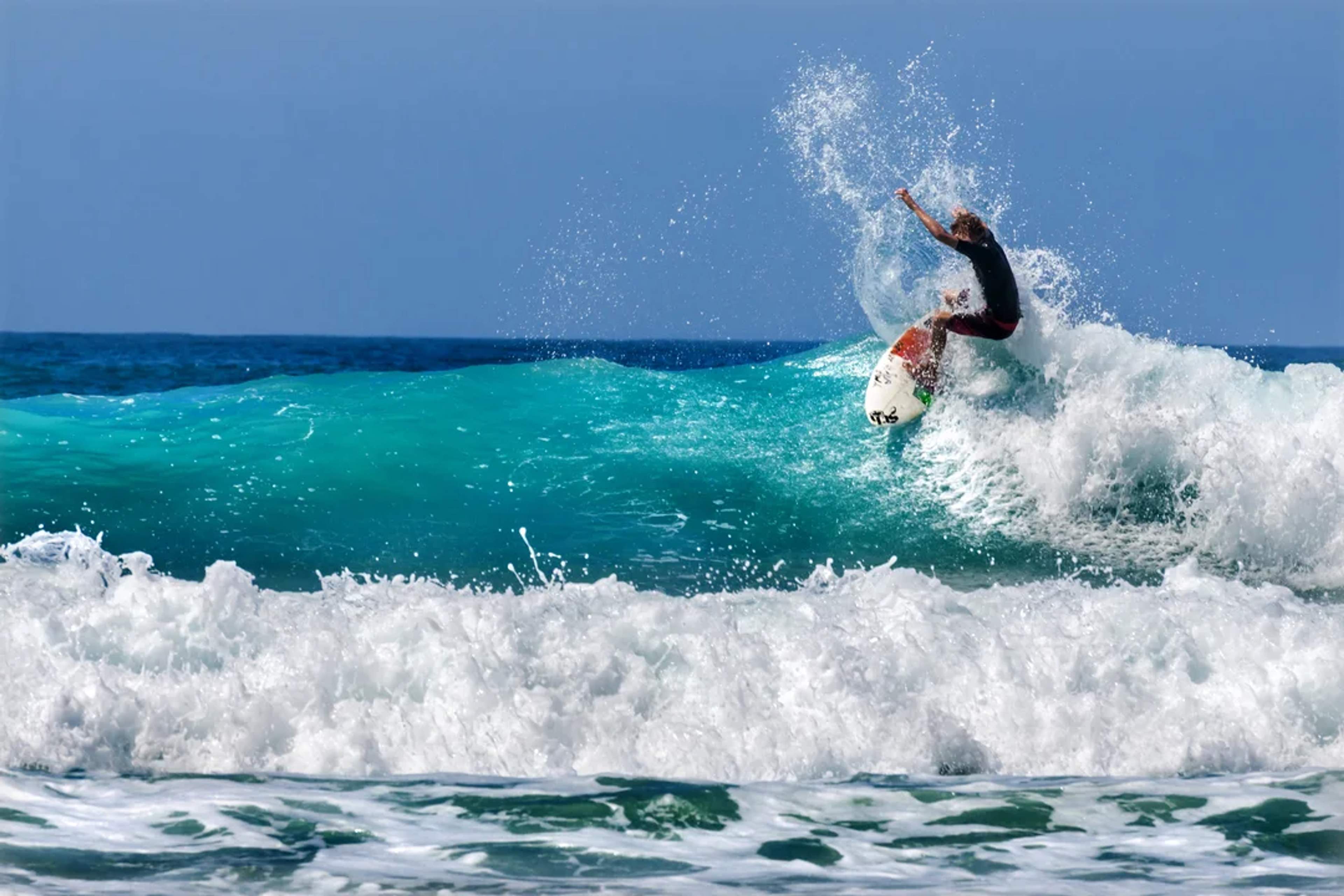
Monuments Beach serves up a strong left-hand point break, best tackled by experienced surfers. Winter NW swells (November through March) bring the most reliable conditions. A deepwater canyon sits just offshore. Because of the break's power, caution is essential.
Acapulquito Beach (Old Man's Beach)
Acapulquito draws surfers of all skill levels, especially beginners and longboarders who enjoy its gentle rolling waves. Summer south swells create mellower conditions here than at neighboring breaks. It can get crowded, so early mornings are prime. This beach also holds an A+ Blue Flag rating.
Cerritos Beach
About 45 minutes from Cabo San Lucas, Cerritos Beach is one of the best beginner surf spots in the region, with a forgiving sandy bottom and consistent beach breaks that work for first-timers. It's one of the few Pacific-side beaches where swimmers and surfers share the water safely. Surf lessons and rentals are readily available, and the laid-back vibe appeals to families and solo travelers.
Zippers Beach
Zippers is for those craving faster, more powerful right-hand breaks. Summer south swells roll in May through October, drawing intermediate and advanced surfers to one of the corridor's most popular local spots. Beginners should watch from the sand, and watching is a thrill of its own here, with a front-row seat to some of the best surfing on the corridor.
Quiet Beaches Off the Tourist Radar
Lover's Beach
Nestled behind the Arch at Land's End, Lover's Beach is reachable by water, and that limited access keeps it feeling private. The Sea of Cortez side is calm enough for swimming and snorkeling, while dramatic granite formations shield you from noise and crowds.
Shipwreck Beach
Named for a Japanese freighter that ran aground decades ago, Shipwreck Beach (Playa Barco Varado) sits near KM 9 off the highway. Snorkeling here is excellent, and tide pools dot the shoreline. It rarely appears in mainstream guides, which keeps crowds thin.
East Cape Beaches
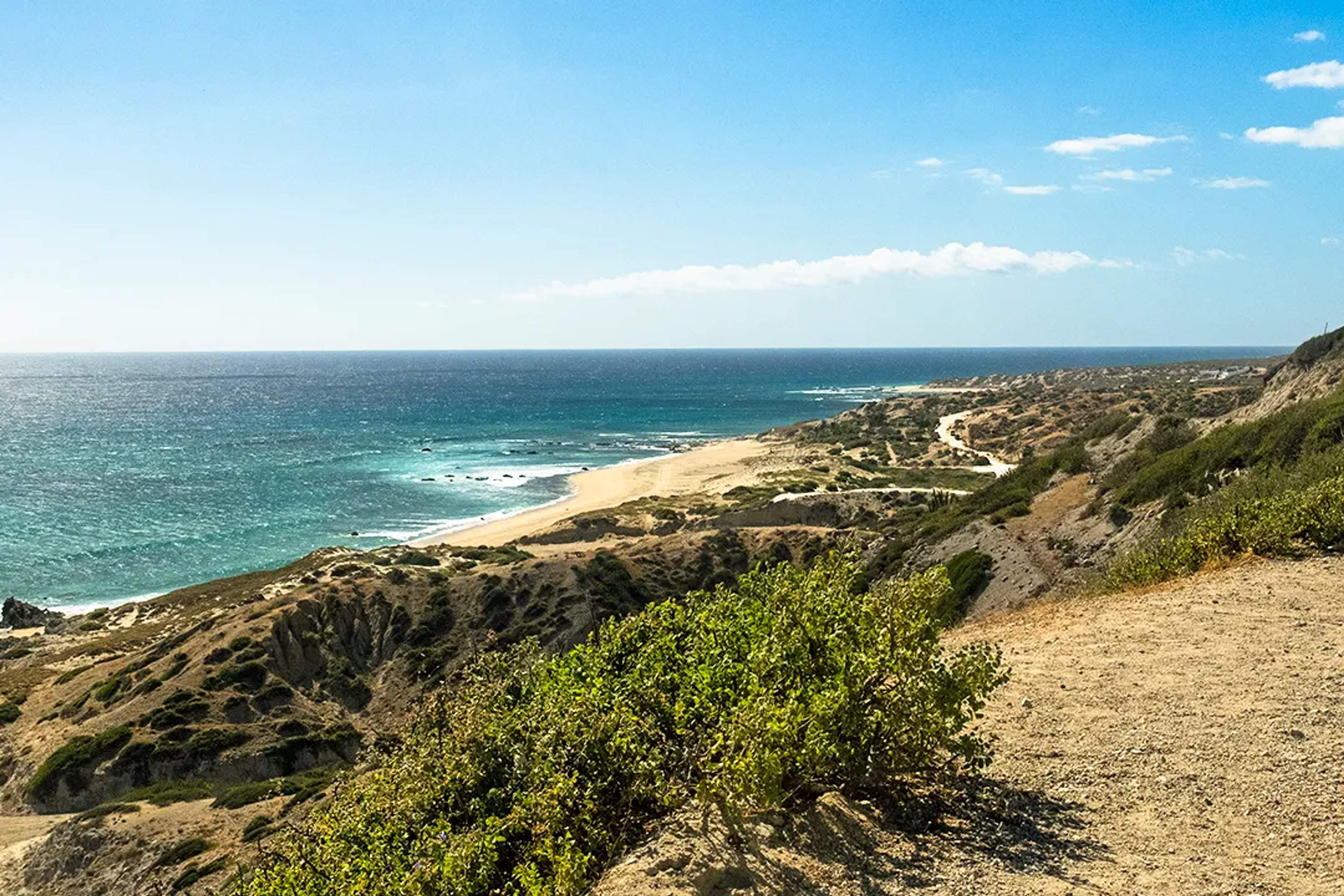
The East Cape region, including Playa Los Frailes, Playa La Ribera, and the village beach at Cabo Pulmo, rewards those willing to drive. La Ribera holds Blue Flag certification with an A+ litter rating, and Los Frailes offers a gentle bay with snorkeling just offshore. These beaches feel worlds apart from the corridor.
Punta Arena Beach
Further along the East Cape, Punta Arena Beach offers dunes, tranquil waters, and minimal tourist traffic. Adventurers appreciate the off-the-grid vibe.
Family-Friendly Sand and Calm Water
Palmilla Beach
Palmilla suits families who prefer a gentler, less crowded environment. The shallow shoreline works for younger kids, and restrooms equipped for families add to the convenience.
Medano Beach
Medano might be lively, but families still appreciate its soft sands, calm waters, and wide range of nearby dining. Kids can try banana boat rides and beach games, while parents relax on a lounge chair.
Chileno Beach
Chileno's clear waters earn its Blue Flag rating and a reputation as a family-friendly haven. A roped-off swimming section, regular patrols, and available shade under palapas create a safe setting. Snorkeling gives kids a memorable introduction to colorful reef fish.
Cerritos Beach
Known for surfing, Cerritos is equally appealing to families looking for a wide, sandy expanse. One of the few Pacific-side beaches safe for swimming, it draws families, locals, and surfers alike, making it a rare spot where everyone in the group can enjoy the water at the same time.
Where Marine Life Steals the Show
Cabo Pulmo
Cabo Pulmo tops the list for wildlife, thanks to its national marine park status and celebrated coral reef. Massive schools of jacks, sea turtles, manta rays, and bull sharks call the reef home. Humpback whales pass through between November and April. Five of the world's seven sea turtle species nest here.
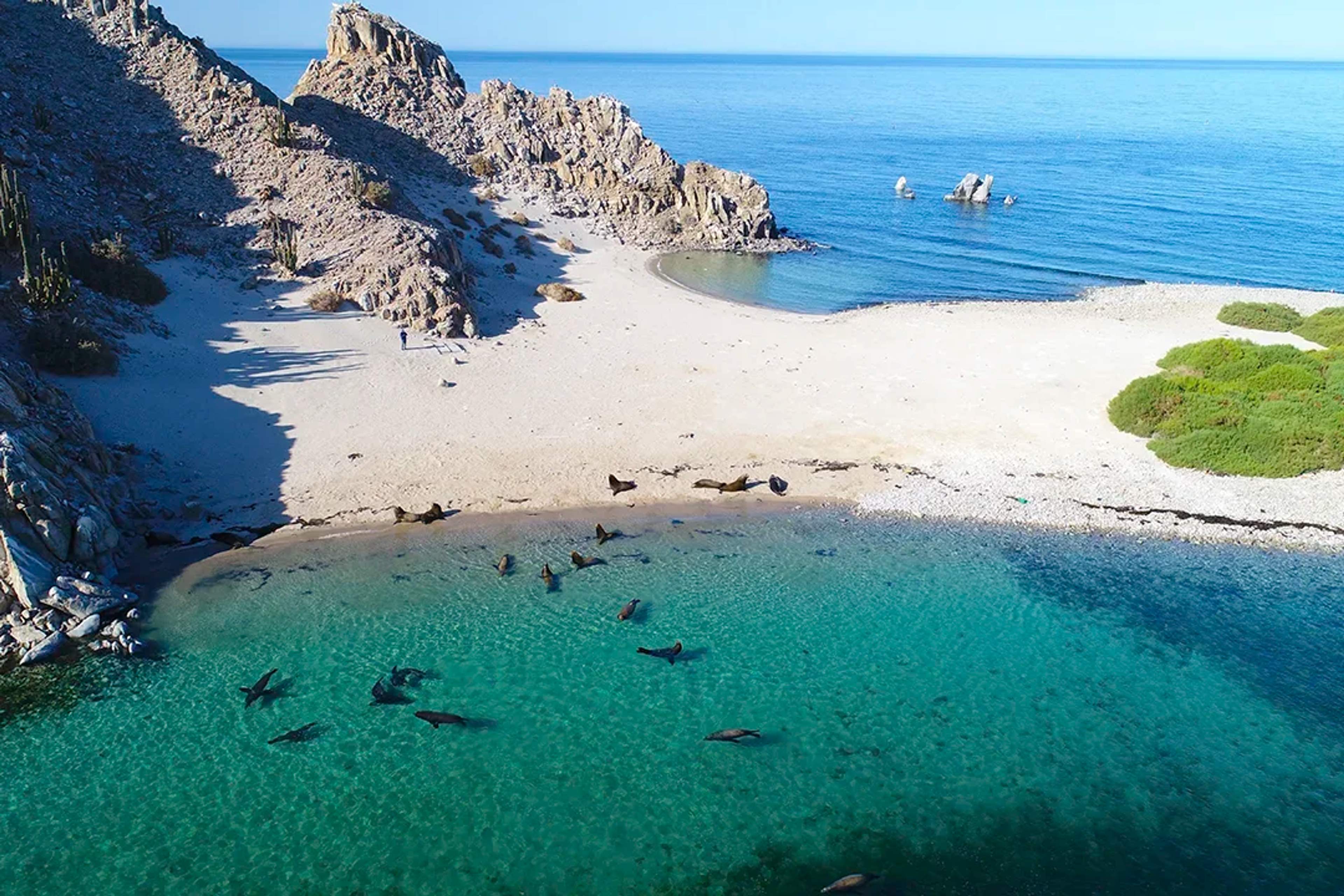
Santa Maria Beach
With its protected bay, Santa Maria provides a window into the region's underwater diversity. The horseshoe-shaped cove shelters calm, clear water ideal for snorkeling and swimming. Snorkel in the morning for the calmest waters.
Solmar Beach
Overlooking the Pacific, Solmar Beach is an excellent place to watch humpback and gray whales breaching during migration season (November through April). The waves are strong, so swimming isn't advised, but strolling the shoreline at sunrise or sunset often includes a glimpse of these animals.
El Tule Beach
On the Pacific side between Cabo San Lucas and Todos Santos, El Tule draws birdwatchers to its estuary and shoreline. Sea turtles nest along this stretch, and the remote setting means you're likely to have the beach to yourself.
Tierra Sagrada: Where Desert Meets the Pacific
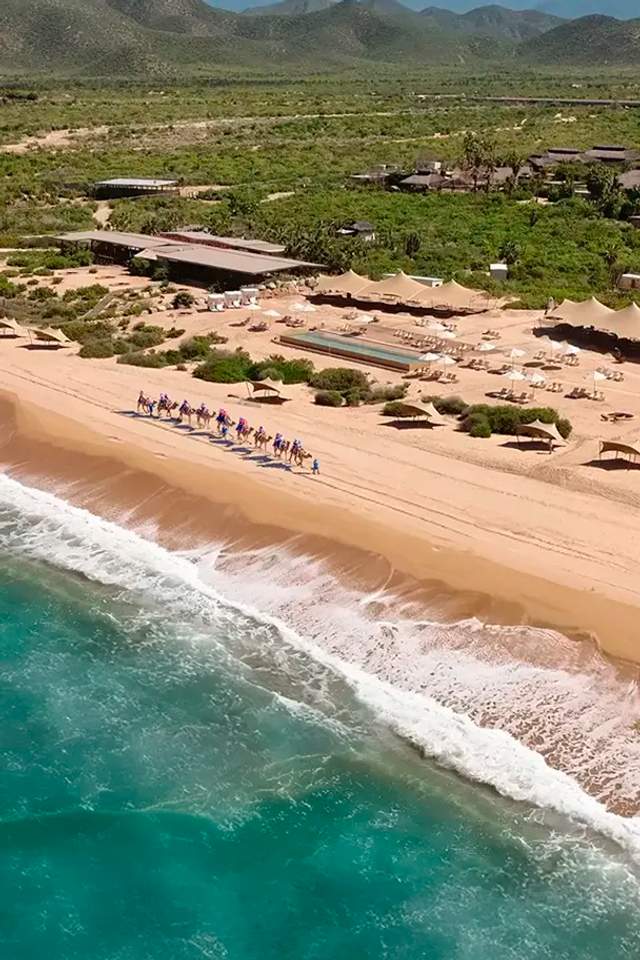
Most Cabo beach days center on the corridor between Cabo San Lucas and San José del Cabo. But 45 minutes north, near Cerritos and Todos Santos, the Baja desert spills onto the Pacific shore at Tierra Sagrada ranch, and the landscape is unlike anything on the resort strip.
Picture riding camels along a Pacific shoreline, then hopping on an ATV through canyon trails, then cooling off at a beachside pool with views of open ocean. Tierra Sagrada bundles desert adventures, ATV, UTV, e-bike, and camel rides, with beach club access, unlimited drinks, and a buffet lunch.
Add in tequila and mezcal tastings and a kids' adventure park with gem mining and a petting zoo, and you have a day that covers every member of the family, from thrill-seekers to those who just want a hammock and a cocktail.

Making the Most of Cabo's Coastline
Cabo San Lucas brings together every kind of beach lover. Social butterflies can lounge on Medano Beach, where a two-mile stretch of swimmable water meets festive bars and restaurants. Families often gravitate to Chileno Beach for calm conditions and reef snorkeling. Surfers seek out Cerritos for rolling waves and a laid-back surf culture.
Those drawn to marine conservation make the trek to Cabo Pulmo for a glimpse of its thriving reef. And if you're craving something quieter, Lover's Beach and the East Cape beaches keep you off the tourist radar.
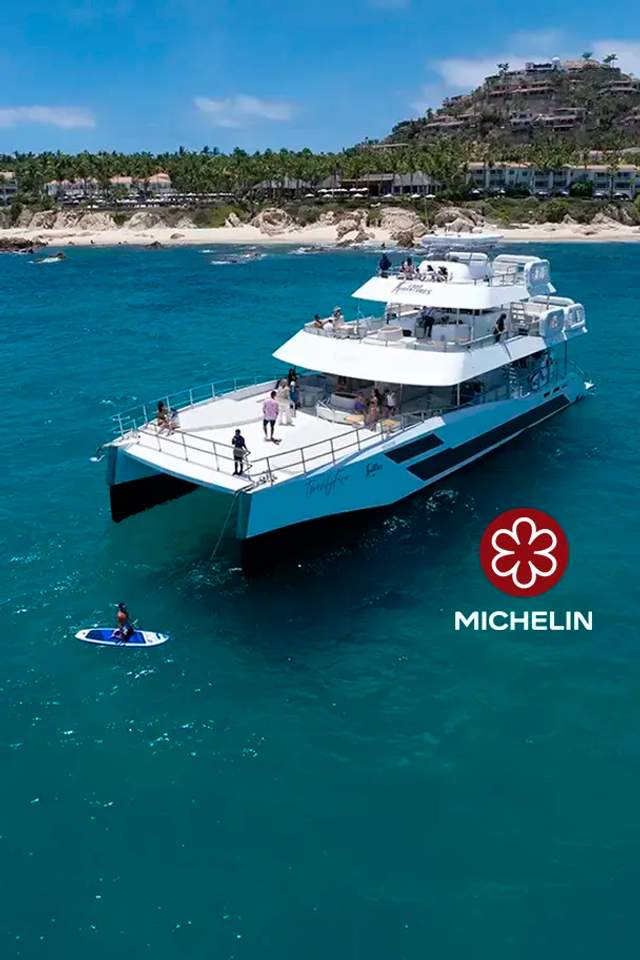
Two bays teeming with reef fish, a luxury catamaran, and lunch on the water. The Luxury Two-Bay Snorkel is a smooth way to see Chileno, Santa María, or Palmilla from the water instead of the sand.
No matter your style, Cabo San Lucas beaches welcome you with warm water and wide-open sky. Start planning your Cabo trip and see what lies beyond the resort.
Frequently Asked Questions

Which Cabo San Lucas beaches are safe for swimming?
Medano Beach, Chileno Beach, Palmilla Beach, and Santa Maria Beach are highlighted here as strong options for swimming. Before getting in, check the beach flag system posted at the entrance.
Which beaches are best for snorkeling?
Chileno Beach, Santa Maria Beach, Pelican Rock, and Cabo Pulmo stand out for snorkeling, thanks to calm water, reef life, and clearer visibility in the morning or during peak visibility periods.
Which beach is best for families?
Palmilla, Medano, Chileno, and Cerritos all work well for families, depending on whether you want calmer water, easy amenities, or room for both swimmers and surfers.
Where should I go for sunset views?
Divorce Beach, Sunset Beach, Pedregal Beach, and Land's End are all strong picks for golden-hour views, especially if you arrive a bit early.
Which beaches are quieter and less crowded?
Lover's Beach, Shipwreck Beach, East Cape beaches, and Punta Arena Beach are the quieter options covered in this guide.
How can I reach beaches like Lover's Beach or Chileno Beach?
Water taxis from the marina can get you to Lover's Beach and nearby landmarks. For corridor beaches such as Chileno and Santa Maria, the Ruta del Desierto bus or a rental car can make access easier.
Is Cabo Pulmo worth the drive?
The guide presents Cabo Pulmo as worth the trip for travelers focused on reef life, snorkeling, and marine wildlife, especially with its living coral reef and protected marine environment.
What should I bring for a beach day in Cabo?
The article recommends practical items such as a cooler for quieter beaches and sun-protective clothing for long days on the sand or reef visits. If you're taking local transport, carry small bills in pesos too.