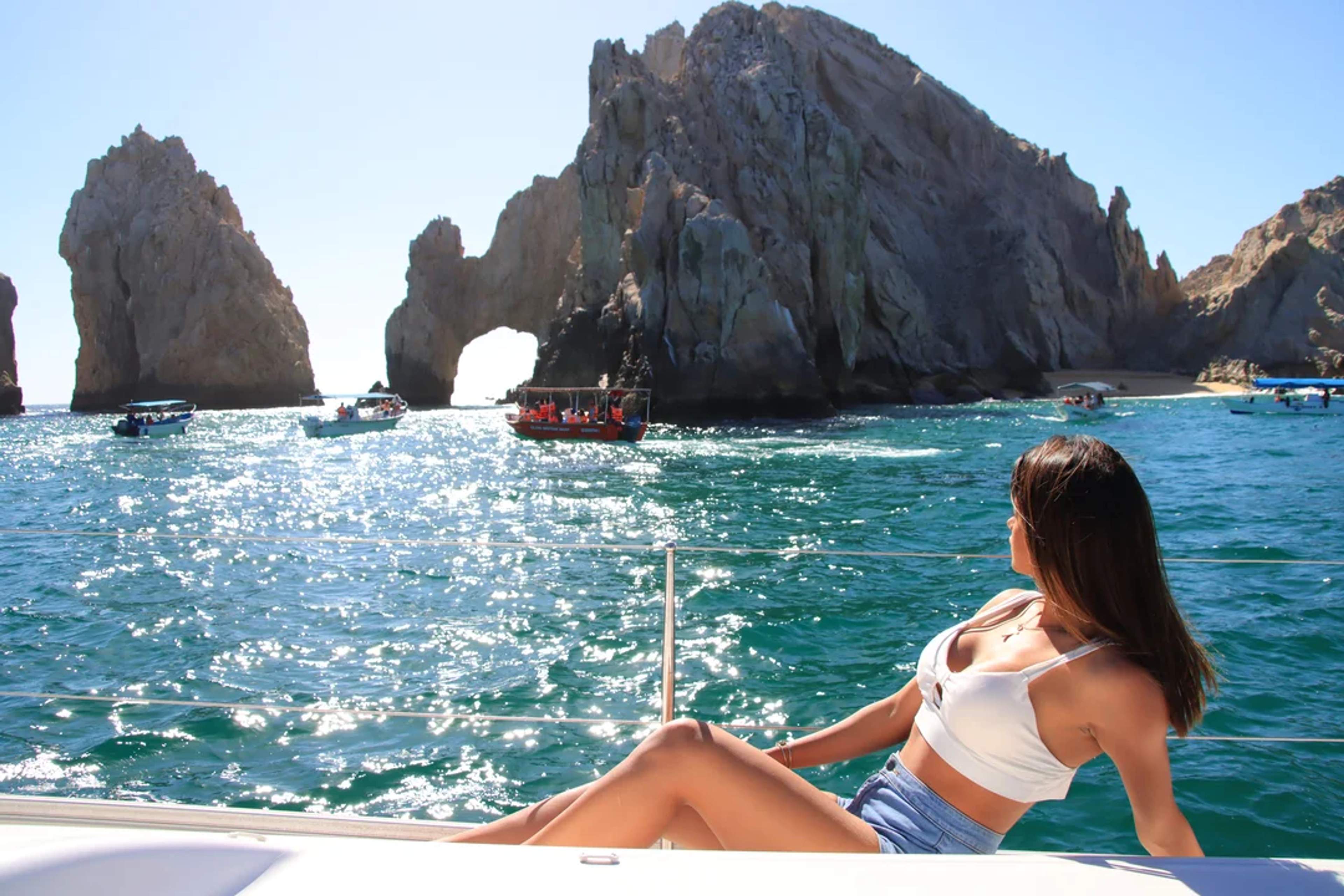
At the southern tip of Mexico's Baja California Sur Peninsula, the Sea of Cortez meets the Pacific Ocean at a point Jacques Cousteau called the world's aquarium. That convergence, where desert, two ocean ecosystems, and migrating wildlife intersect, means Cabo San Lucas delivers something different depending on when you arrive.
Seeking comfortable temperatures and whale sightings? Hoping for warmer water and quieter beaches? The best time to visit Cabo San Lucas depends on what matters most to you.
Winter in Cabo (December to February)
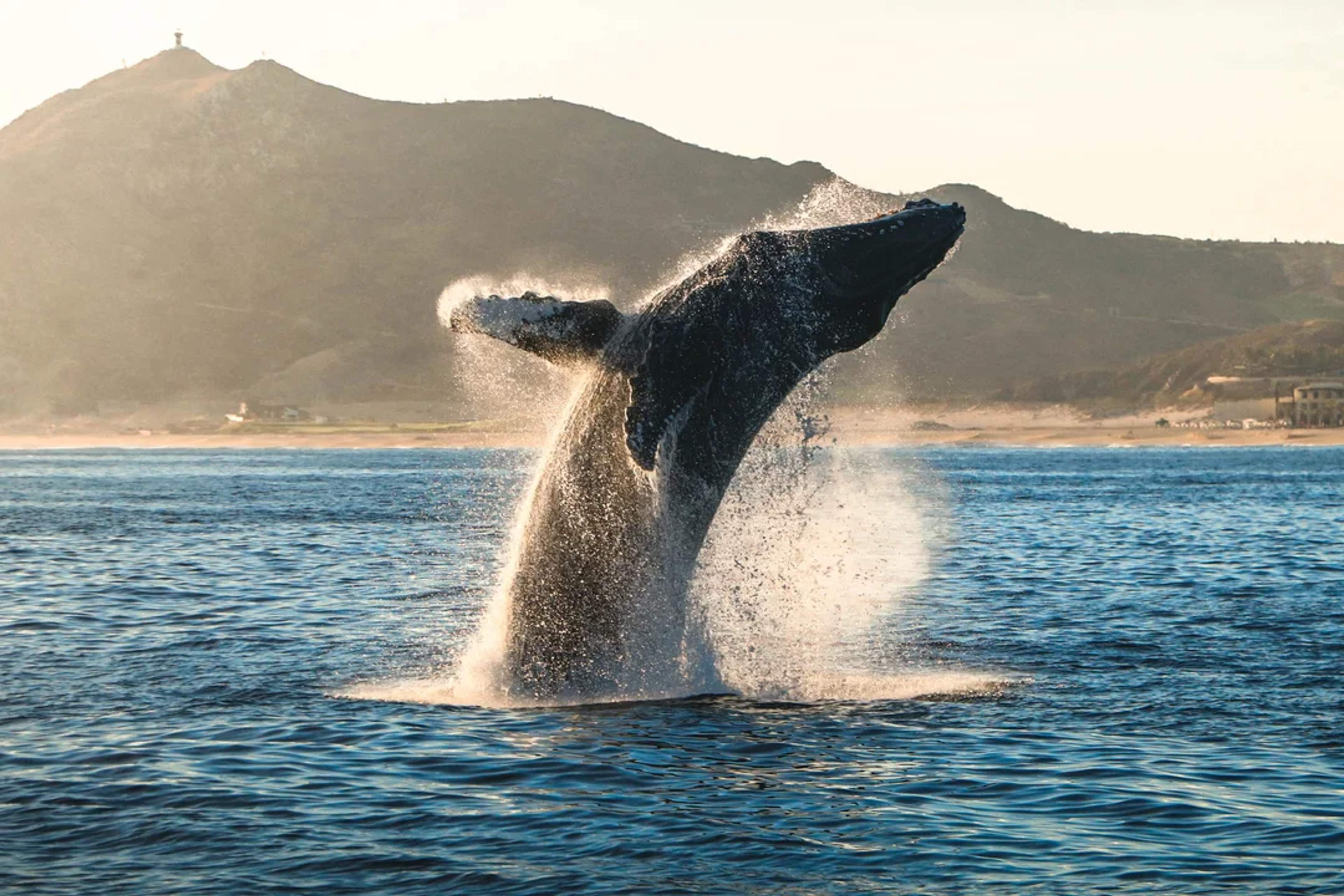
Winter is one of Cabo's most celebrated seasons. Days stay warm and sunny, rainfall is nearly nonexistent, and February ranks among the year's most reliable months for weather. Humpback whales arrive to calve in the Sea of Cortez, with January and February offering peak sightings; gray whales gather in Magdalena Bay's lagoons; and whale sharks congregate near La Paz.
A humpback breaching a few hundred feet from the boat, its song coming through a hydrophone moments later, ranks among the region's most powerful wildlife moments. Cabo Whale Watching puts you on a custom-built rigid inflatable, with marine specialists narrating as the action unfolds. Winter is in high demand around Christmas, with the Thursday Art Walk in San José del Cabo and the Todos Santos Art Festival in February.
Spring in Cabo (March to May)
Spring hits a sweet spot of strong weather, lively atmosphere, and shoulder-season value. March brings an energetic scene at Cabo San Lucas beaches into the first week of April, while San José del Cabo offers a calmer alternative. April balances comfortable temperatures with a relaxed pace, and May brings the driest month of the year, with long sunny days and virtually zero rainfall.
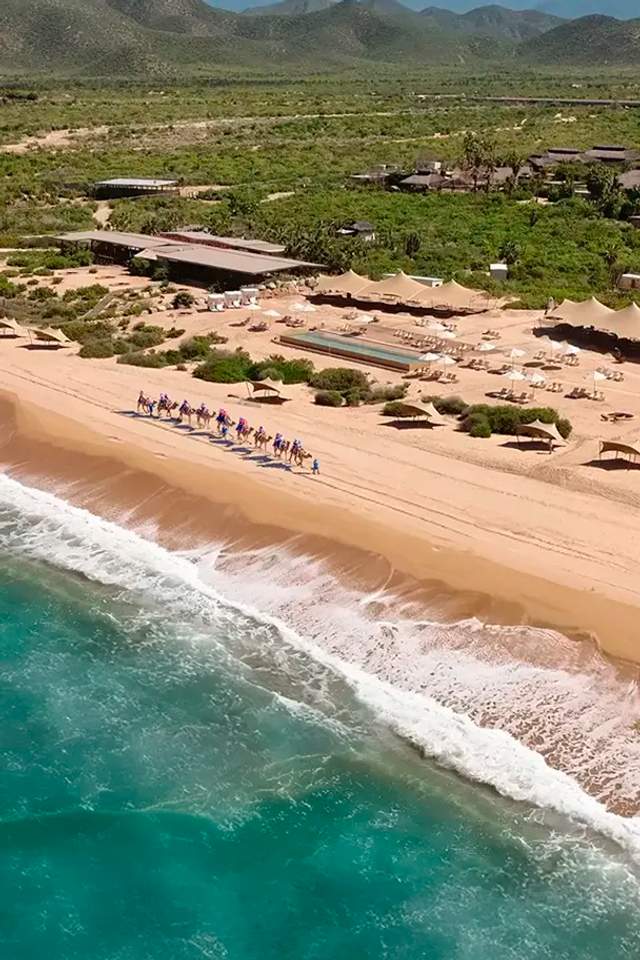
Spring also marks transition time for marine life. Early April offers a final chance to spot humpbacks before they head north, turtle season begins in June, and mobula rays start their aggregations in late April, gathering by the thousands. The desert blooms briefly, making it an ideal window for riding camels down to the Pacific. Pack sun-protective clothing as the UV index climbs by June.
Summer in Cabo (June to August)
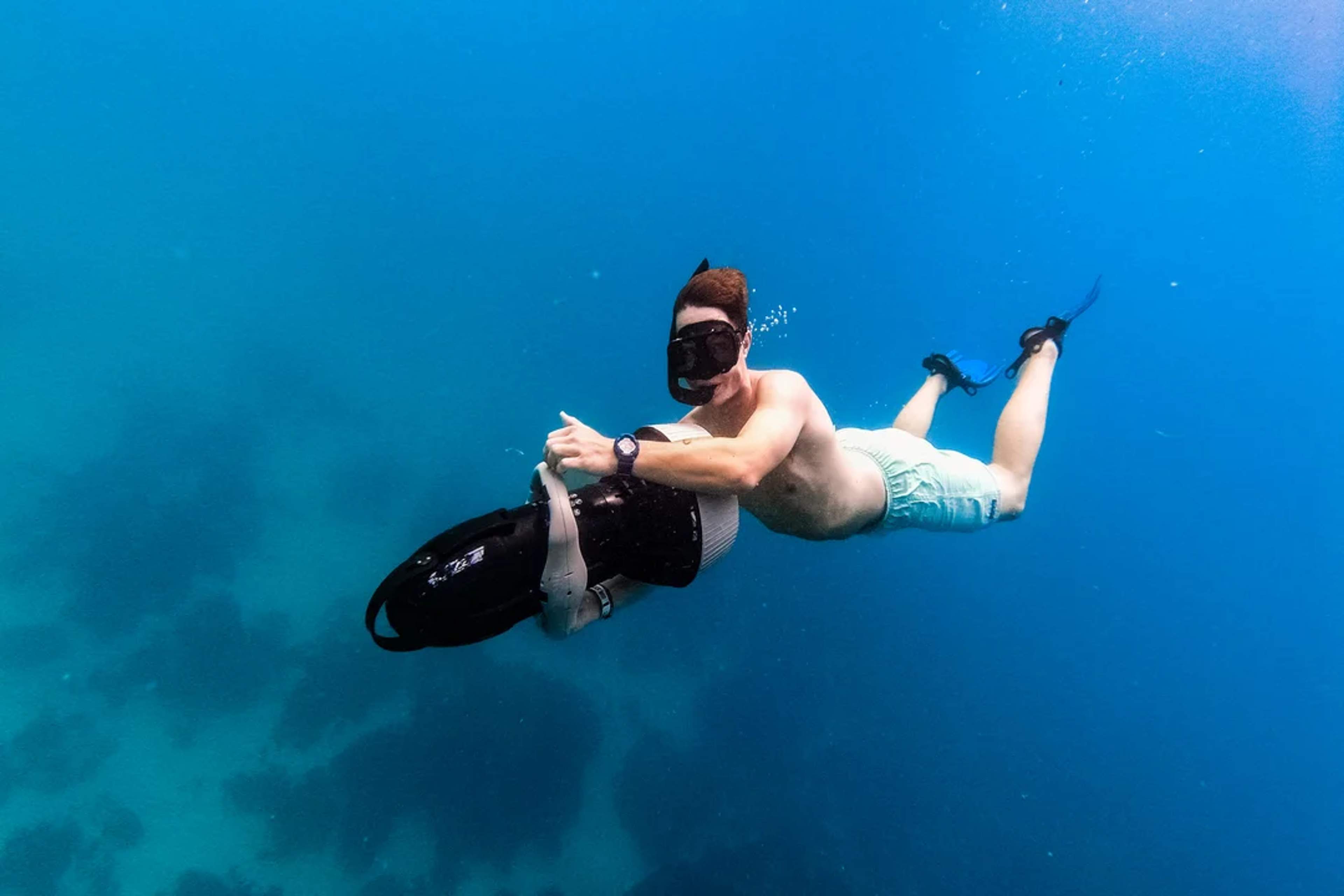
Summer shows a different side of Cabo, with warm days, balmy nights, and a laid-back pace. Hotel rates drop and the beaches feel uncrowded. Water temperatures peak by September, and visibility in the Sea of Cortez reaches its clearest. Snorkel at Chileno Bay or Santa María Bay alongside sea turtles and rays with Luxury Cabo Snorkeling in Two Bays aboard a Leopard catamaran.
Floating above North America's only living coral reef puts you with sea turtles and schools of jacks. The Cabo Pulmo Snorkeling Expedition runs as a guided day trip to this UNESCO marine park. Mobula rays peak in June and July, and Pacific-side waves turn more beginner-friendly. Sun-protective clothing is essential, and hurricane season runs May 15 through November 30, so travel insurance is a smart companion.
Fall in Cabo (September to November)
Fall is Cabo's most underrated travel window, ideal for travelers who prioritize value and a personal pace. September and early October bring the year's lowest rates and quieter beaches, with travel insurance a wise move. October stands out, with scuba diving visibility peaking alongside flat seas, water still bathwater-warm, and sea turtle hatching at its peak.
Fiesta de Cabo on October 18 celebrates the city's patron saint with parades, music, and food, while Bisbee's tournaments anchor the marina calendar in late October. November deserves attention, bridging low and high seasons with humpbacks arriving mid-month, whale shark season opening, warm-but-not-hot days, the Art Walk resuming, Día de los Muertos, and the film festival, all at pre-holiday rates.
When to Go to Cabo for Key Activities
Matching your trip to your priorities changes everything. Here's how the seasons align with Cabo's most popular activities:
Whale Watching
Mid-December through mid-April, with January and February offering the highest humpback sighting frequency. Gray whales are best seen in Magdalena Bay lagoons January through March.
Snorkeling and Diving
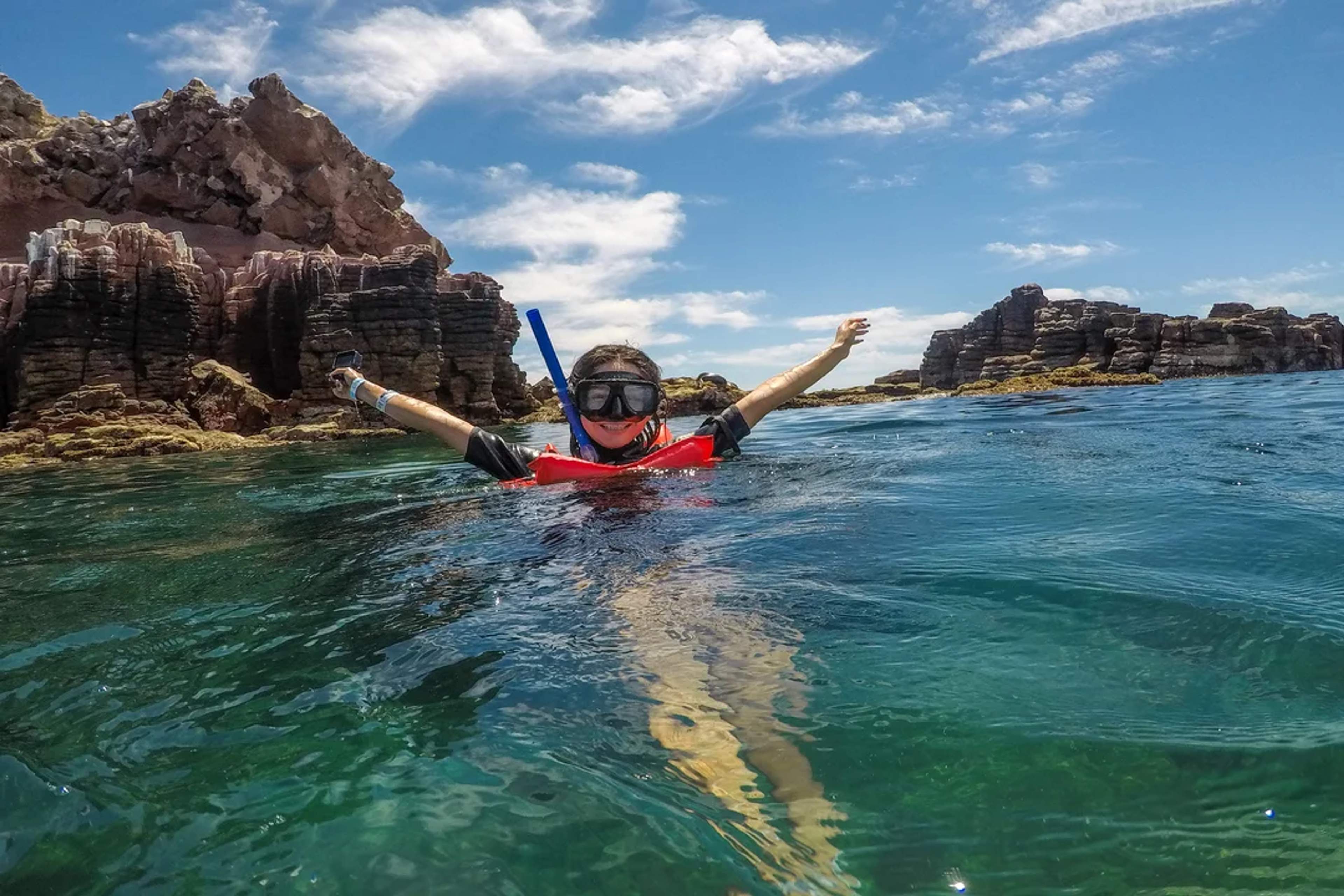
October and November deliver the best combination of warm water, peak visibility, and calm seas. May is a strong secondary window. The Sea of Cortez, home to hundreds of fish species found nowhere else on Earth, rewards divers with different marine life in every season.
Desert Adventures (Camels, ATVs, E-Bikes)
November through April is the most comfortable window for sustained outdoor activity. Summer outings are still enjoyable with early-morning departures and plenty of sun protection.

Surfing
Experienced surfers find the best Pacific swells at Cerritos Beach from November through March. Beginners benefit from smaller summer waves June through August, when wetsuits aren't needed.
Sea Turtle Nesting and Hatching
Turtle season runs June through December, with peak hatching August through October.
Cultural Events and Art Walk
The San José del Cabo Art Walk runs every Thursday evening from November through June. It does not operate July through October.
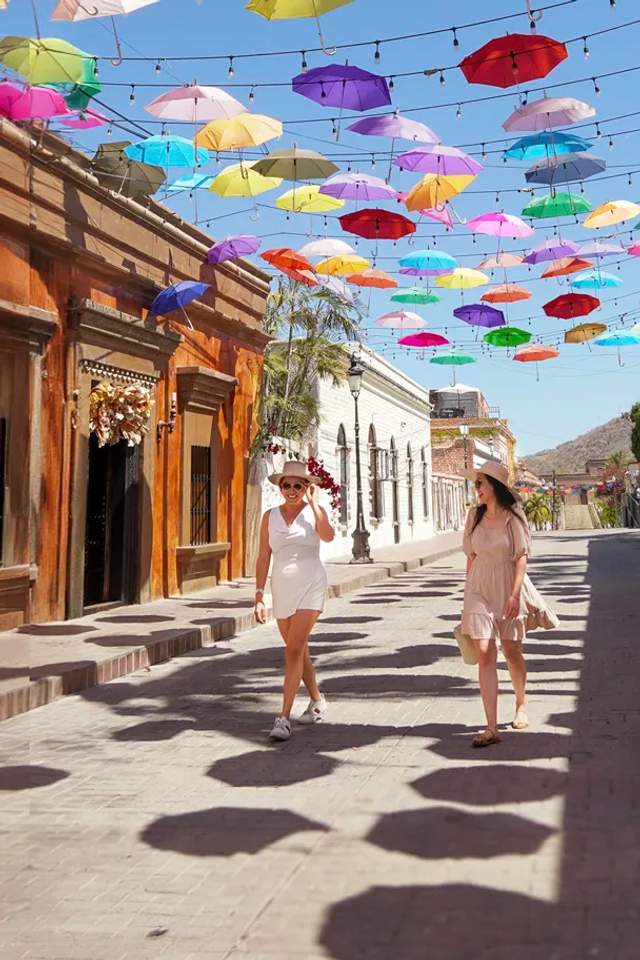
Strolling through the Art District after dark, with cobblestone streets closed to traffic and galleries opening their doors, lands differently with a guide walking you through the context. Art & Wine Evenings in San Jose del Cabo pairs that walk with wine and appetizers at Restaurante Marcelino, a stop at a traditional cigar-making shop, and photo moments at El Zócalo and the Misión.

A Full Day at Tierra Sagrada Where Desert Meets Ocean
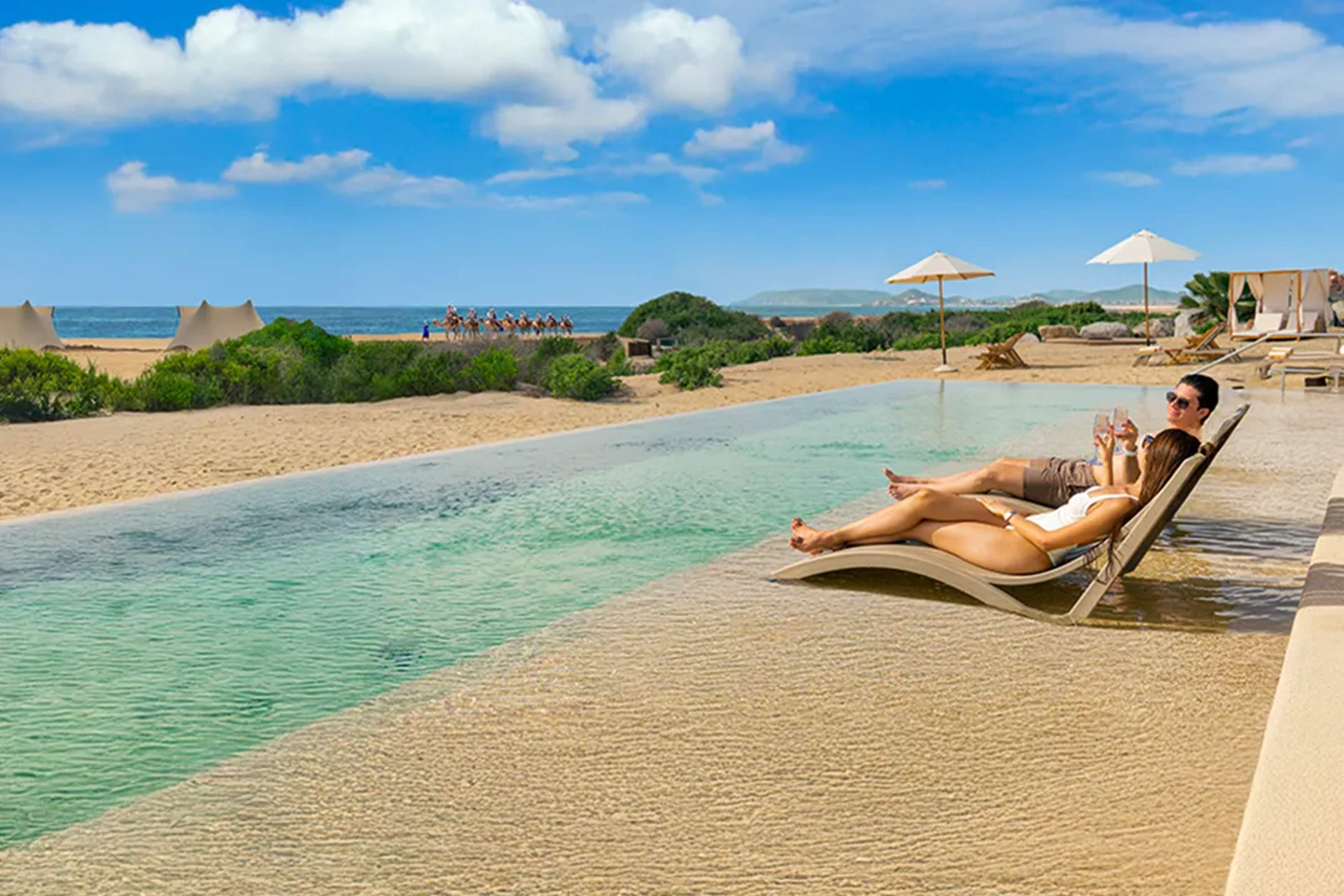
One of the best ways to see where the Sonoran Desert meets the Pacific is a full day at Tierra Sagrada ranch, near Cerritos and Todos Santos. Riding a camel along the shoreline, swimming in an infinity pool with ocean views, and tasting mezcal between activities all come together in one day at Tierra Sagrada Beach & Adventure Park, All Inclusive.
The day pulls together Beach Club time, mezcal and Mexican wine tastings, and a Baja-style buffet. Kids get their own Adventure Park with a mini zipline, petting zoo, and treasure hunt, while teens play beach soccer and volleyball on the sand, so everyone can move at their own pace.
The November-through-April window is especially comfortable, while summer visits reward early starts with cooler desert air and longer beach club afternoons.
Choosing the Best Time of the Year to Visit Cabo San Lucas
Your ideal travel window depends on what matters most. Here's a quick framework:
For the best weather: Winter (December–February) and early spring (March–April) deliver the most reliably comfortable conditions, with sunny days and dry skies nearly guaranteed.
For value: Summer (July–August) and early fall (September) offer the best rates of the year, plus warm water and uncrowded beaches. November offers a compelling middle ground: emerging wildlife, cultural events, and pre-holiday pricing.
For wildlife: February is the single strongest month for marine wildlife diversity: humpback whale calves, gray whale peak season, active whale sharks, blue whale season, and sea lion colonies all converge at once. November is the lower-crowd alternative, with humpbacks arriving and whale shark season beginning.
For families: Mid-to-late April through May eases into a calmer rhythm, keeps temperatures ideal, and opens shoulder-season availability. The Art Walk is still active, sea turtle nesting season begins in June, and rates soften from their peak.
For couples: February delivers peak whale watching alongside romantic cool evenings, at premium rates. November offers a quieter alternative with humpbacks arriving mid-month, sunset cruises in mild evening air, and the Art Walk in full swing.
Cabo's desert climate delivers sunshine year-round. The Sea of Cortez, one of the richest marine habitats on the planet, ensures the region's seasonal wildlife shifts with the seasons rather than disappearing. Beyond the resort pool, the landscape reveals the real story of Los Cabos.
Once your dates are set, the rest falls into place around what the sea and desert are doing that week. When you're ready, browse our Cabo tours and let your guides take it from there.
Frequently Asked Questions
What is the best month to visit Cabo San Lucas?
February stands out for weather and wildlife, pairing dry, mild days with peak humpback and gray whale sightings. November comes close as a strong lower-crowd alternative, with arriving humpbacks, cultural events in San José del Cabo, and pre-holiday rates.
May delivers the driest conditions of the year without the winter price tag, while July and August bring the warmest water for snorkeling. The answer depends less on a single month and more on what you want to see.
How far in advance should I book a trip to Cabo San Lucas?
For winter travel, especially December through February, book three to six months ahead. Christmas, New Year's, and Valentine's week sell out early, and spring break weeks in March and early April fill quickly too.
Shoulder seasons like late April, May, and November usually need two to three months of lead time to secure strong hotel rates and preferred tour slots. Summer and early fall stay the most flexible, with availability often open just a few weeks out.
What is the cheapest time to visit Cabo San Lucas?
Summer and early fall, especially July through September, usually offer the year's best rates on hotels, villas, and tours. The lower prices pair with warm water, uncrowded beaches, and a more relaxed pace.
Hurricane season runs May 15 through November 30, so trip interruption coverage adds smart protection. September offers the lowest rates of the year, while early October often matches them with steadier weather.
How many days should I spend in Cabo San Lucas?
Four to five days works well for most first-time visitors, balancing beach days with one or two signature outings like a snorkel cruise and a sunset sail. A three-day weekend covers essentials but leaves little room for day trips.
Five to seven days lets you add Todos Santos, La Paz, or Cabo Pulmo without squeezing anything in. February whale-season travelers often extend to seven or eight days to pair Cabo with Magdalena Bay.
Is it better to stay in Cabo San Lucas or San José del Cabo?
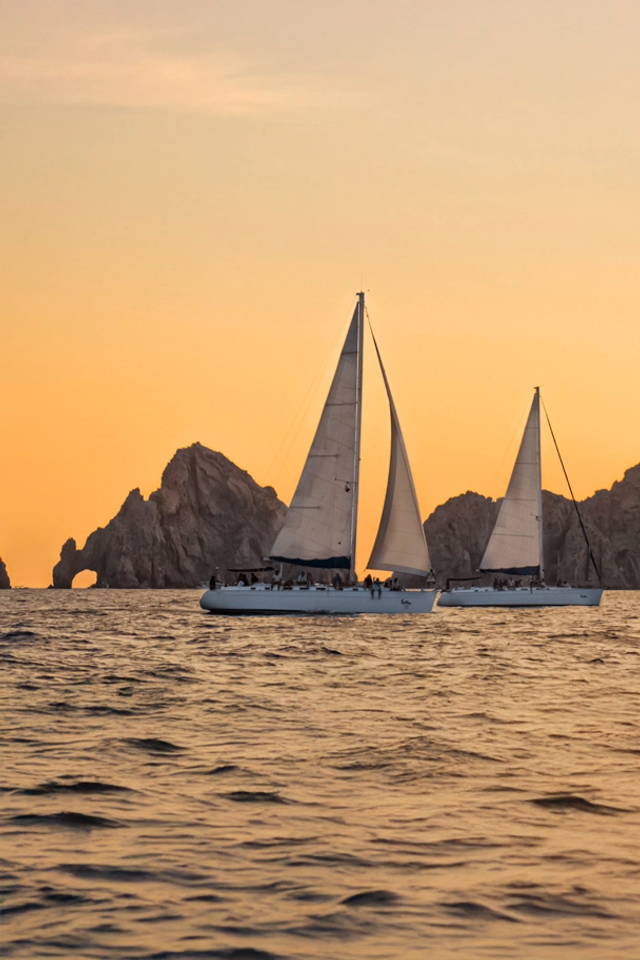
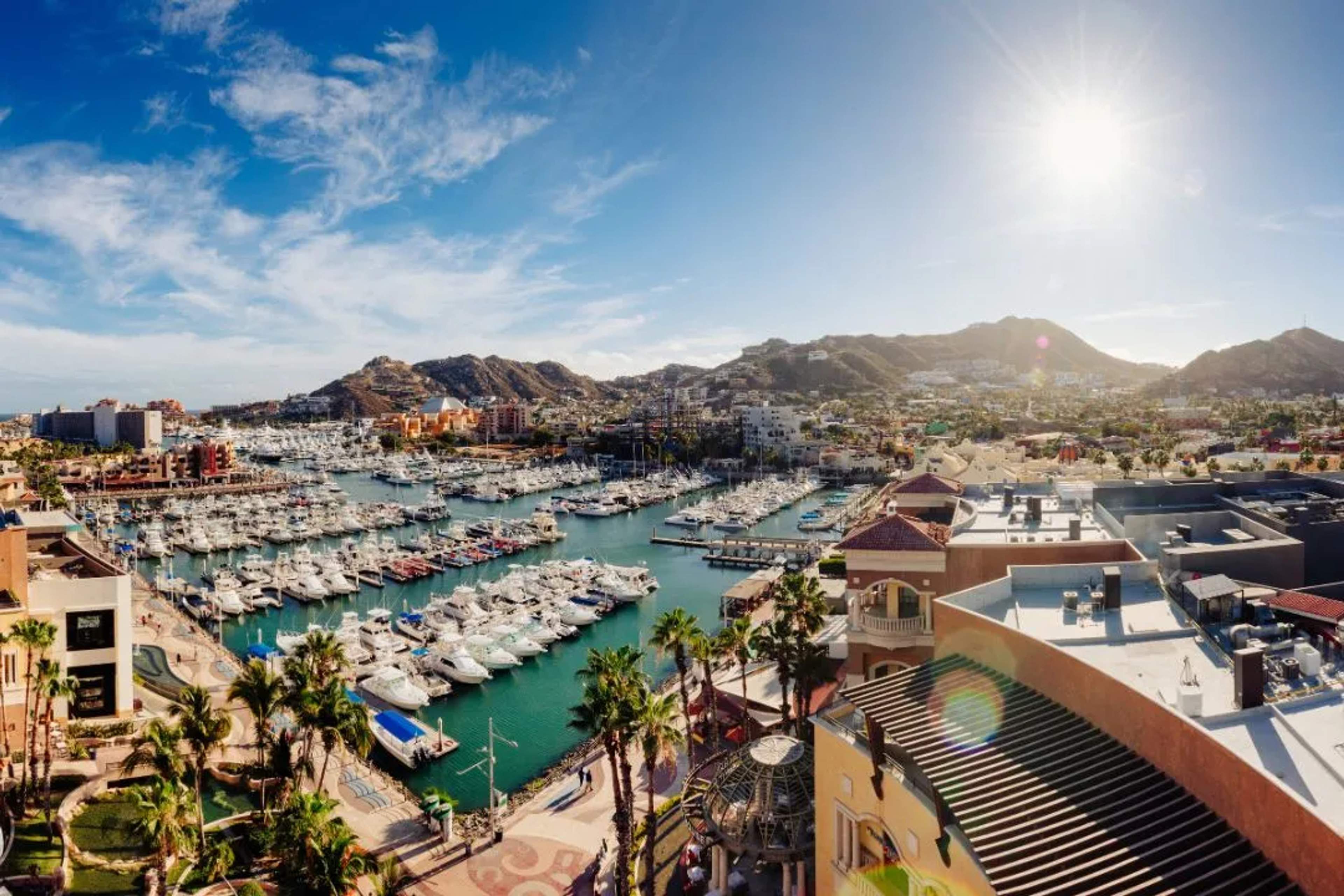
Cabo San Lucas has a busier marina, a livelier beach scene at Médano, closer access to the Arch, and the most sunset cruise departures. It suits travelers who want restaurants, bars, and nightlife within walking distance of the hotel.
San José del Cabo runs quieter, with a historic colonial center, the Thursday Art Walk, and a relaxed pace families and couples often prefer. It's a thirty-minute drive, so many travelers split their stay.
Do I need a passport to visit Cabo San Lucas?
Yes. All international travelers flying into Los Cabos International Airport need a valid passport to enter and exit Mexico. Your passport should be valid for the duration of your trip, though some airlines have additional validity requirements.
On arrival, you receive an FMM tourist card, now largely digital, which permits stays up to 180 days for most nationalities. Children traveling without both parents may need notarized consent letters, so families should confirm with their airline.
Is summer a good time to visit Cabo?
Yes. Summer brings warm water, quieter beaches, and great value on hotels and tours, making it a strong season for snorkeling, diving, and a relaxed pace. Water temperatures peak by September, and underwater visibility in the Sea of Cortez is clear.
Days are hot and humid, so early-morning outings and shaded afternoons work best, and sun-protective clothing is essential. Hurricane season runs May 15 through November 30, so travel insurance pairs well with any summer trip.
When to visit Los Cabos for the quietest beaches?
September and early October bring the lightest crowds of the year across every beach from Médano to Chileno Bay, with wide stretches of sand often feeling private even on weekends. Water stays bathwater-warm during these weeks.
Late April and early May also run quiet, with dry weather, mild temperatures, and shoulder-season rates. Weekday departures stay calmer year-round, so timing a snorkel or sunset cruise for midweek adds another layer of quiet to any season.
When to travel to Cabo San Lucas with kids?
Mid-April through May works especially well for family trips, with warm but not scorching temperatures, calm seas for first snorkel outings, and shoulder-season rates on hotels and tours. Sea turtle nesting season runs from June through December.
November brings another family-friendly stretch, with mild evenings, humpbacks arriving mid-month, and the Art Walk resuming on Thursdays in San José del Cabo. Summer suits families comfortable with hot afternoons and early-morning starts, since rates drop and beaches feel uncrowded.