Cabo San Lucas wildlife lives at a rare geographical crossroads — the exact point where the Pacific Ocean crashes into the Sea of Cortez. Jacques Cousteau called this stretch of water "the world's aquarium", and 890 fish species, marine mammals found nowhere else on Earth, and seasonal visits from humpback whales, whale sharks, and mobula rays prove he wasn't exaggerating.
But here's the thing: most of it happens beyond the resort beach. The real ocean — the one with breaching whales, reef systems and whale sharks longer than your hotel shuttle — waits just past the marina. This guide breaks down what you can see, when to time your visit, and how to do it all responsibly.
When to See Wildlife in Cabo San Lucas
Every season in Los Cabos delivers different animal encounters, so matching your travel dates to the wildlife calendar matters. Winter is peak season for marine megafauna. Humpback whales arrive in mid-December and stay through mid-April, with January through March offering the highest concentration.
That same window brings gray whales to Magdalena Bay lagoons, while whale sharks feed in the Bay of La Paz during the Oct–Feb season. For a rare sighting opportunity, blue whales, the largest animals on Earth, pass through in the Feb–Mar window.
As temperatures climb into spring and summer, the encounters shift. Mobula rays gather in plankton-rich waters near La Paz, peaking between May and June. The warming waters also bring sea turtle nesting along beaches like Playa Los Cerritos and Costa Azul, with peak hatching between August and October.
California sea lions enter their breeding season, and giant manta rays appear from the Jul–Nov range. Year-round, bottlenose dolphins, California sea lions at Land's End, and over 100 commonly observed bird species ensure there's always something to see.
Humpback Whales and the Winter Migration
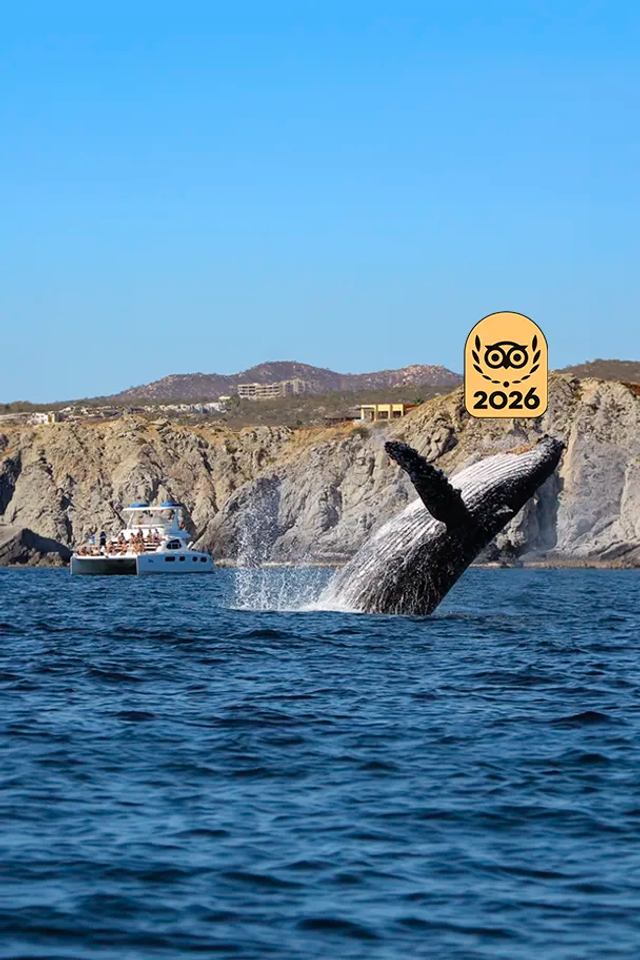
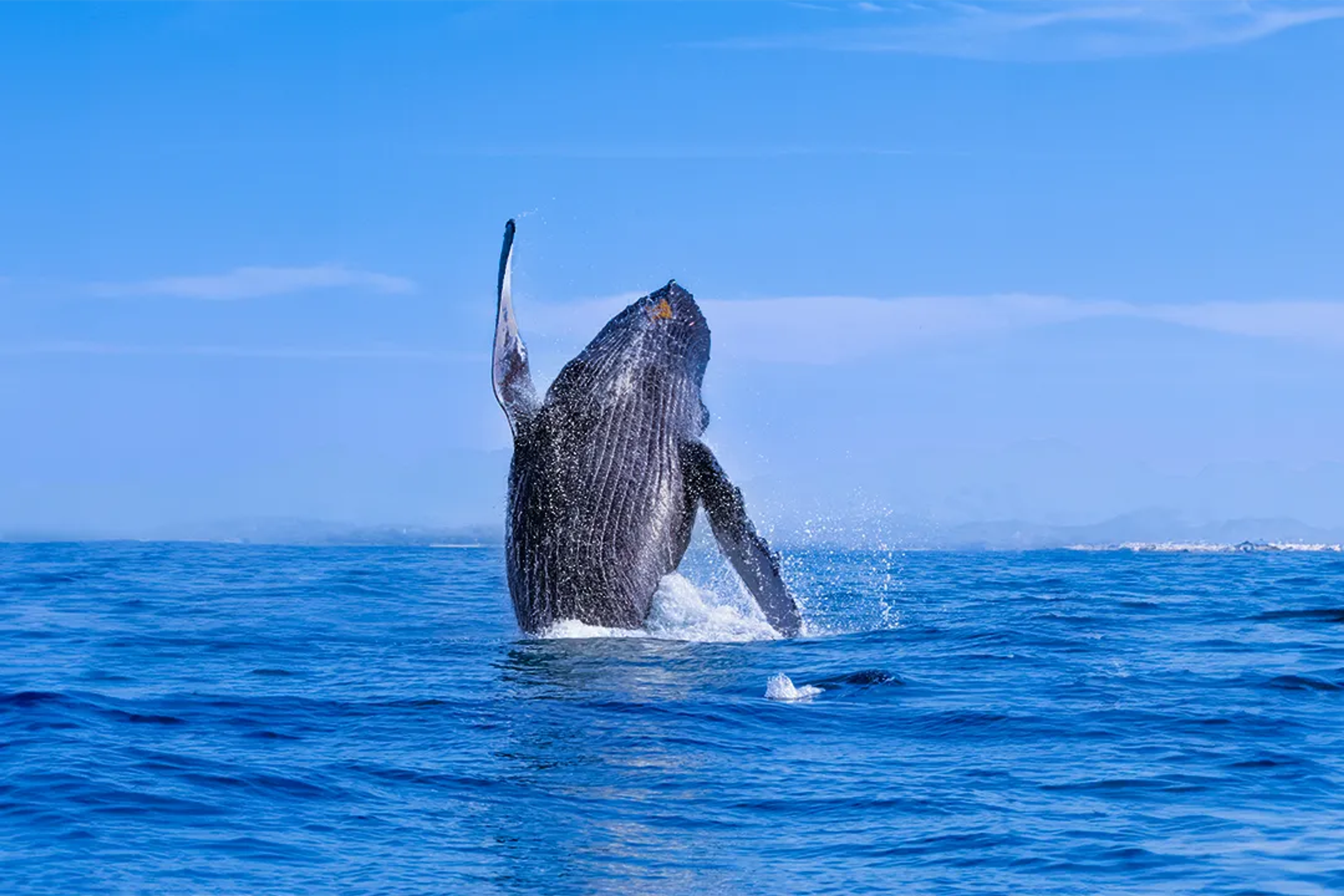
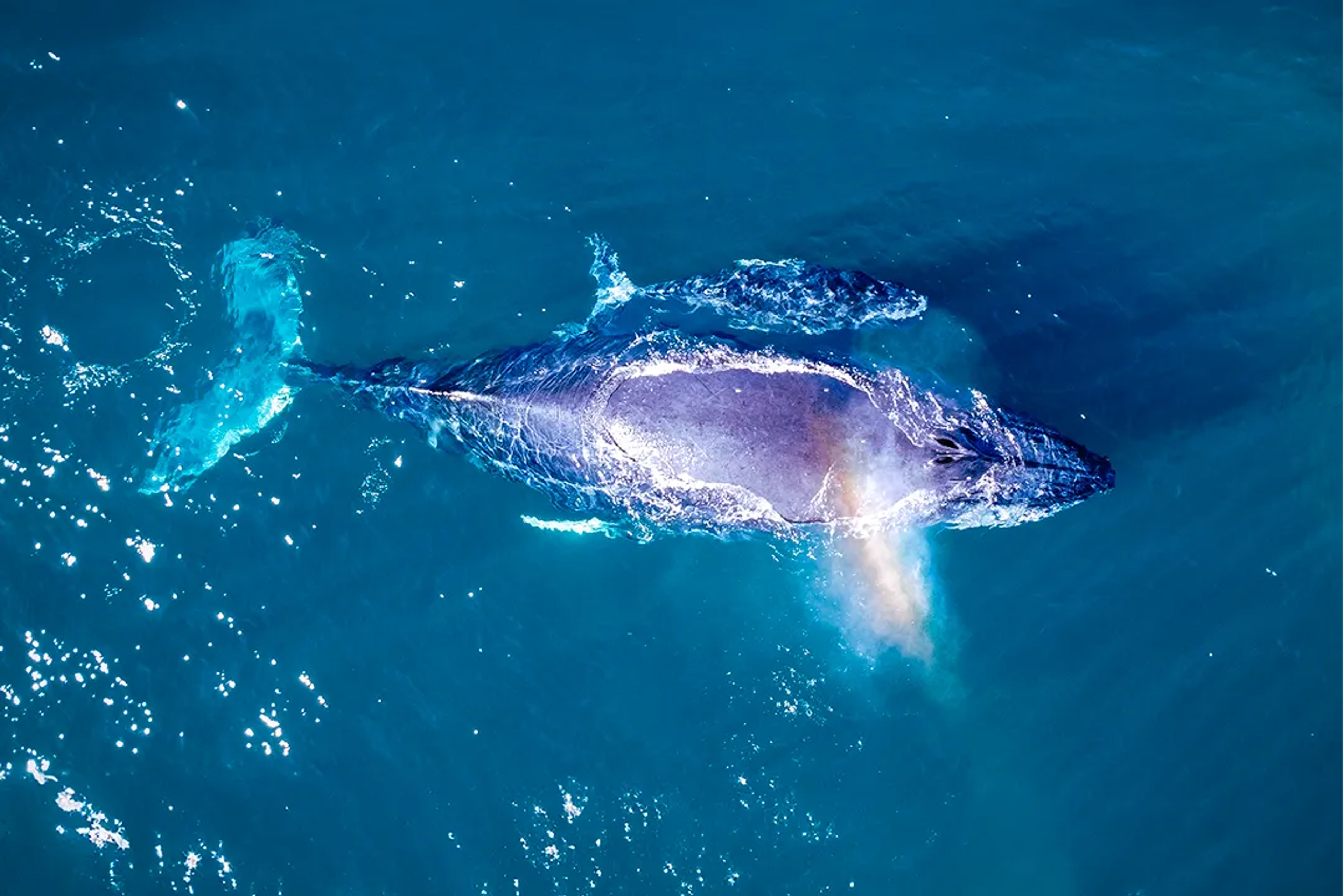
From December through April, humpback whales migrate from cold northern feeding grounds to the Sea of Cortez to breed and give birth. These are the most reliably observed whales in Los Cabos, and during peak months you can sometimes spot spouts from the shoreline. But watching from shore and being out on the water with them are two completely different things.
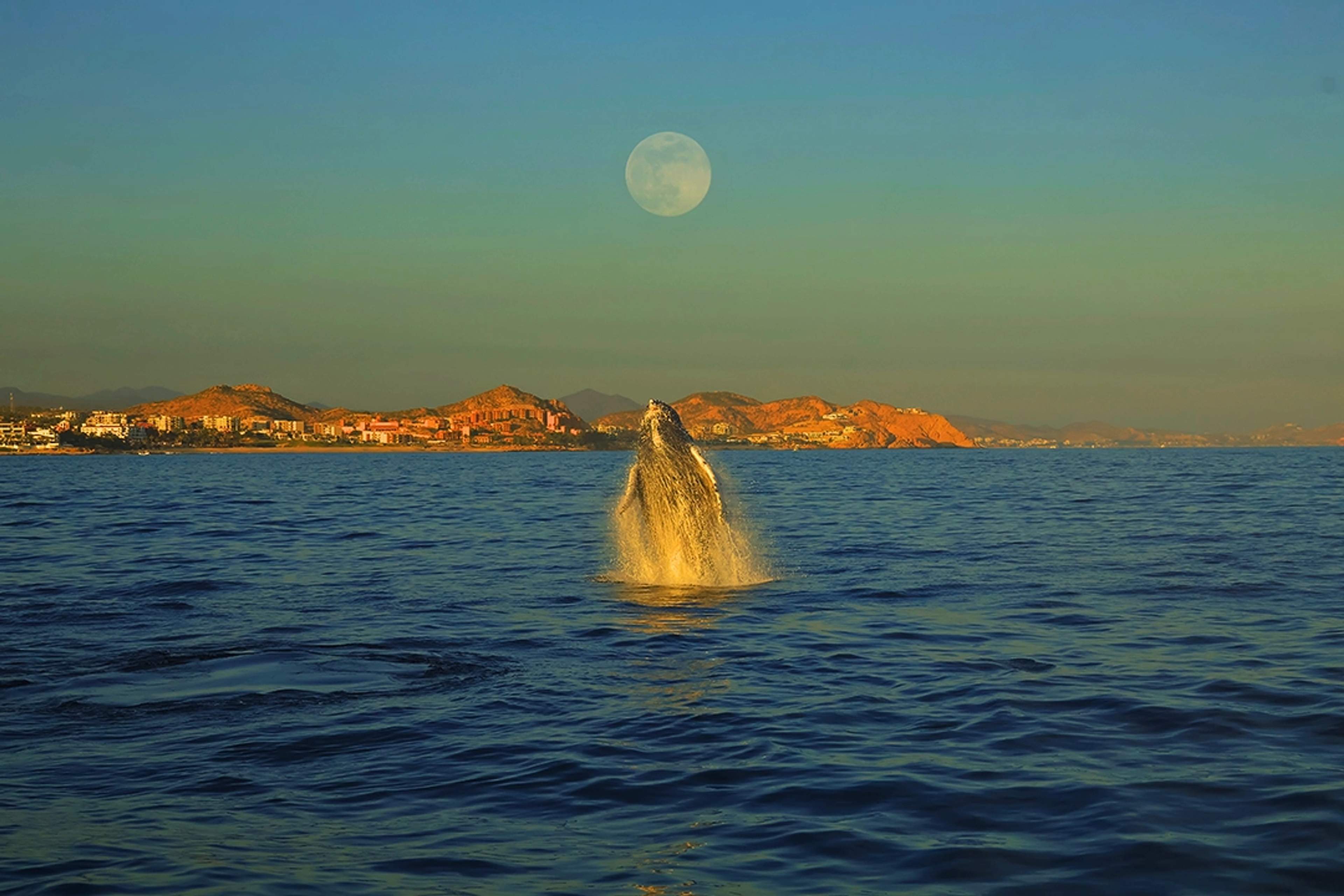
The Cabo Whale Watching tour runs throughout the season on custom-made rigid inflatable boats built for speed and close-range visibility, getting you within responsible viewing distance. Out there, you'll witness behaviors that are difficult to appreciate from land — breaching where a whale launches nearly clear of the surface, tail slaps sending spray into the air, and the slow rise of a fluke as a whale sounds into deeper water.
A hydrophone drops below the surface so you can hear whale songs as they happen — a sound that adds a dimension no photograph can capture.
Swimming with Whale Sharks in the Sea of Cortez
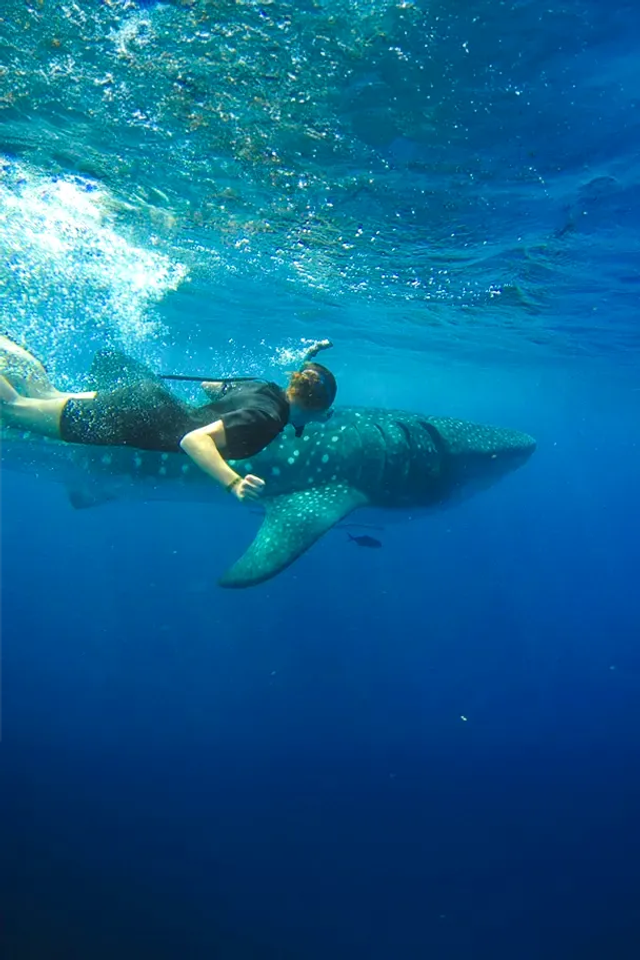
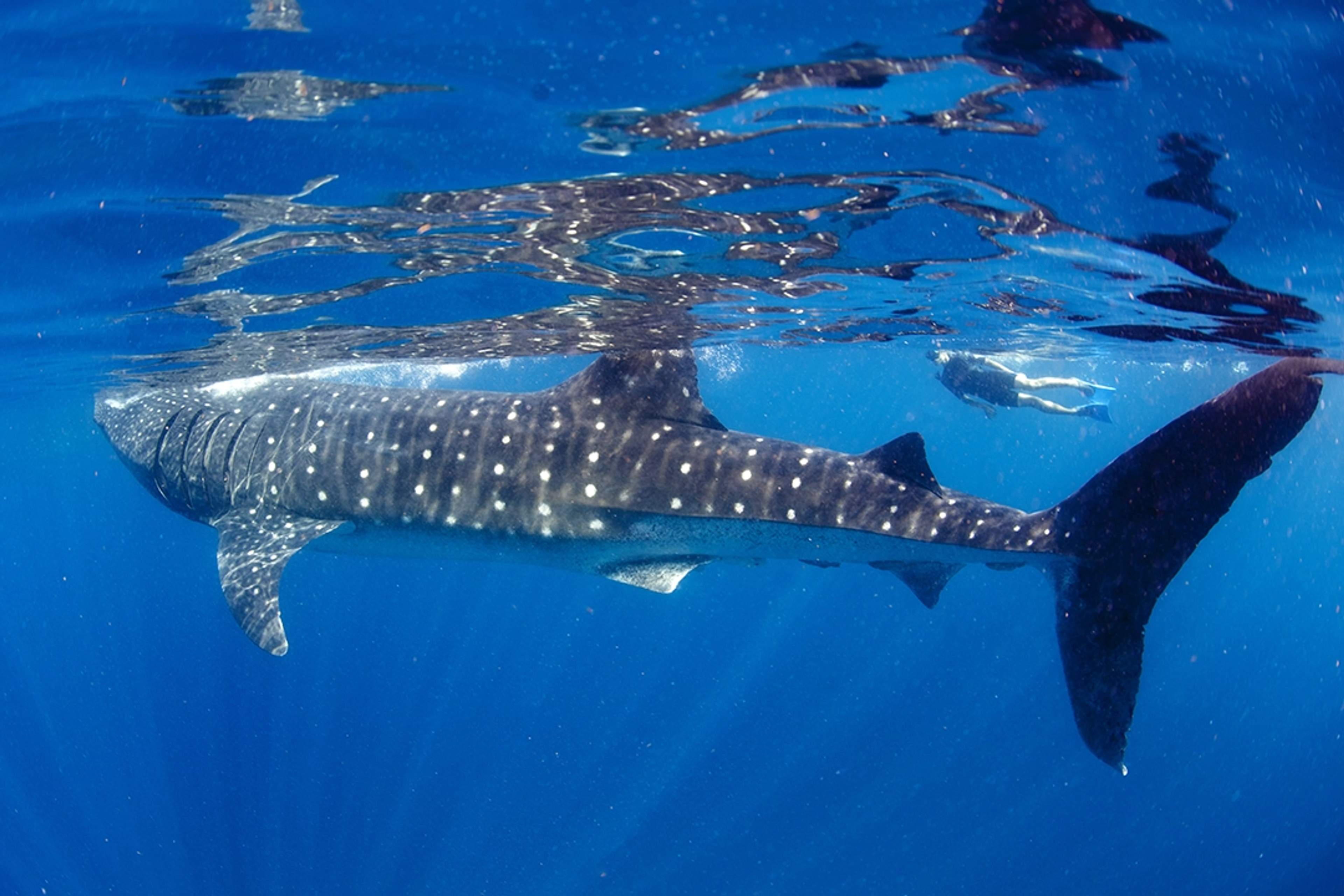
Whale sharks are the largest fish in the ocean: filter feeders that can reach 65 feet long, yet pose no threat to humans. Every year between October and February, nutrient-rich upwelling in the Sea of Cortez draws them to the waters near La Paz, about two hours from Cabo San Lucas.
The Swimming with Whale Sharks in Cabo is a full-day trip that takes you to those feeding grounds — including the scenic drive to La Paz, a boat ride out to the sharks, full snorkeling equipment and wetsuits, and a Baja-style lunch afterward. Floating alongside one of these animals recalibrates your sense of scale in a way no aquarium glass ever could. Their calm, deliberate movements make you hyper-aware of how small you are in this ecosystem — and how alive it is.
Wear sun-protective clothing instead of lotions before entering the water, since whale sharks filter thousands of liters during feeding and are sensitive to chemical contaminants.
Sea Lions at Land's End
The sea lion colony at Land's End is one of the most accessible wildlife encounters in all of Los Cabos — and a perfect first taste of what the ocean here has to offer beyond the pool deck. These California sea lions have established themselves on the rock formations near the Cabo Arch, right where the Pacific meets the Sea of Cortez.
They're present year-round, basking on sunlit rocks, barking at passing boats, and swimming with a playful curiosity that catches even seasoned ocean lovers off guard. You'll get close enough to watch a pup nursing or a group surfing the swells near the Arch.
Cabo Pulmo Reef: The Reef That Came Back to Life
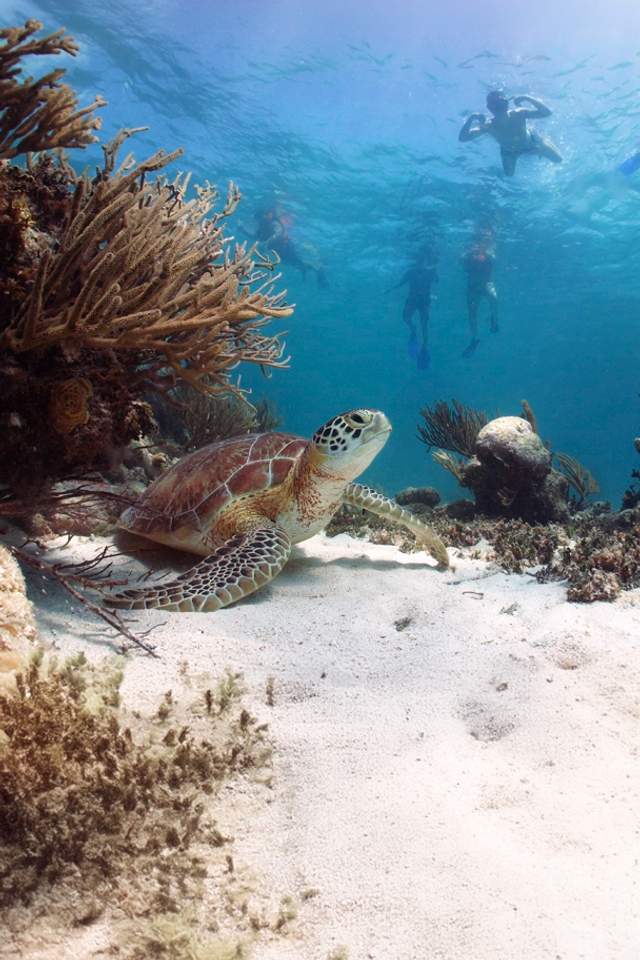
About two hours east of Cabo San Lucas, far from any resort corridor, Cabo Pulmo National Marine Park protects the only coral reef ecosystem in the entire Sea of Cortez — a living reef system that nearly collapsed from overfishing before the local community intervened.
In 1995, the fishing village of Cabo Pulmo convinced the Mexican government to ban all fishing in their waters. The results, documented by the Scripps Institution of Oceanography, were extraordinary: fish biomass increased by 463%, and top predator populations grew 11 times over.
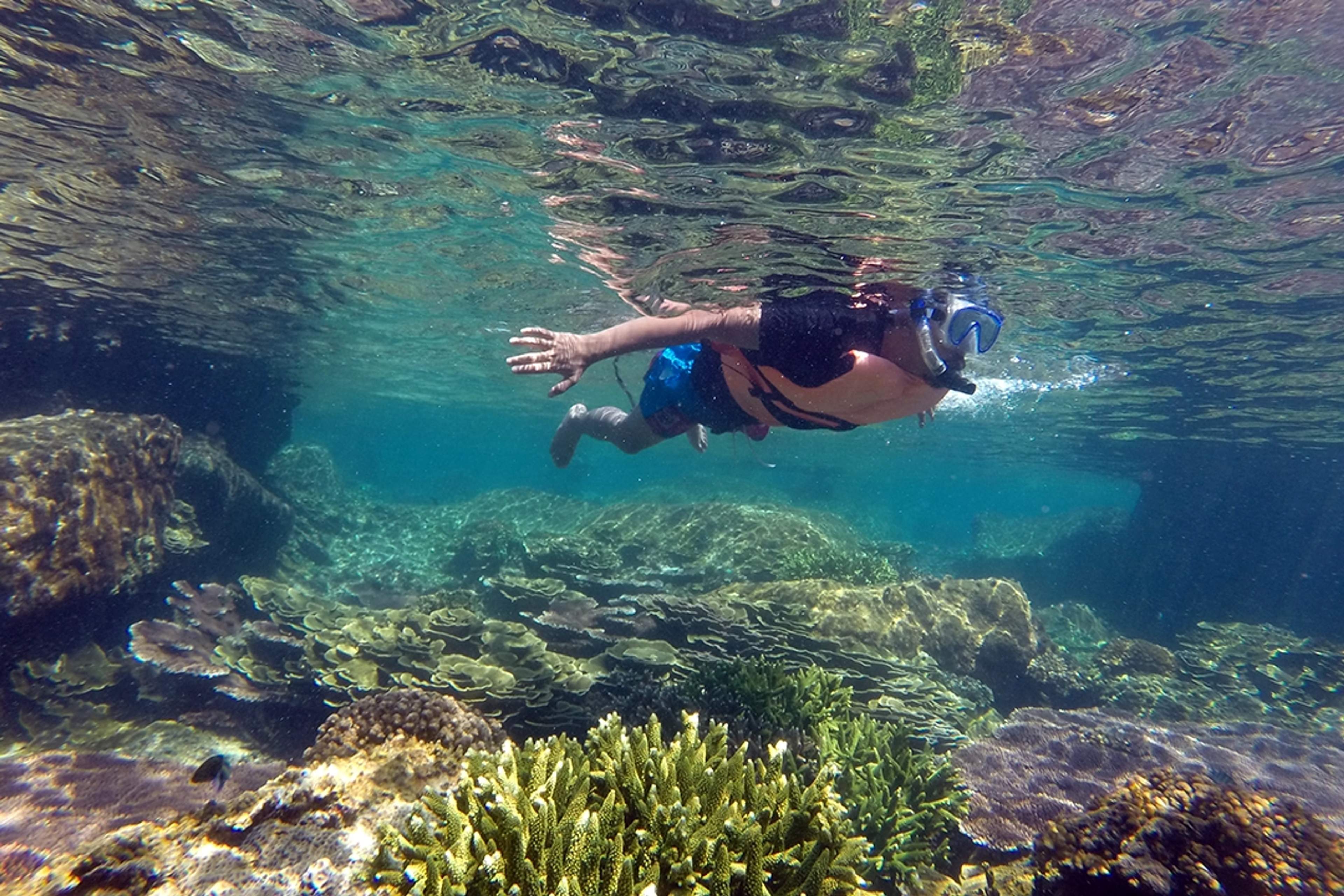
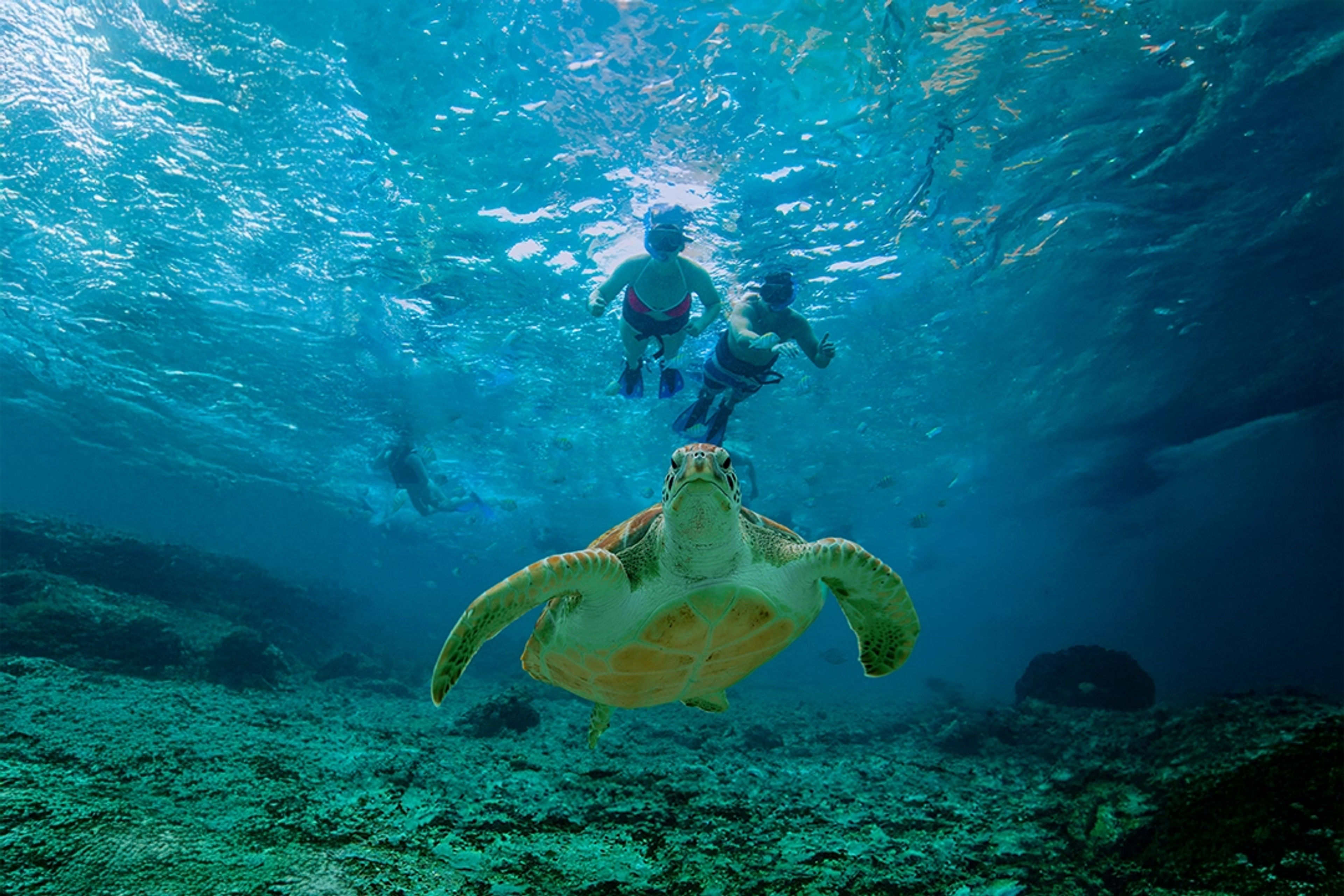
The Cabo Pulmo Snorkeling Expedition is a full-day trip that includes the scenic two-hour drive, snorkeling equipment, and a Baja-style lunch at a local restaurant. Once in the water, expect to see sea turtles gliding past, sea lions playing in the shallows, and vibrant tropical fish that approach without any artificial lures — a direct result of the ecosystem's health. Plan for roughly two hours of actual snorkeling time and bring a hat, a light waterproof layer, and towels for the ride back.
Dolphins Up Close in Cabo San Lucas
Pacific bottlenose dolphins are resident year-round and frequently spotted during whale watching trips and snorkeling outings. If you've ever locked eyes with a dolphin from a boat, you already know the pull — and this is your chance to get closer.
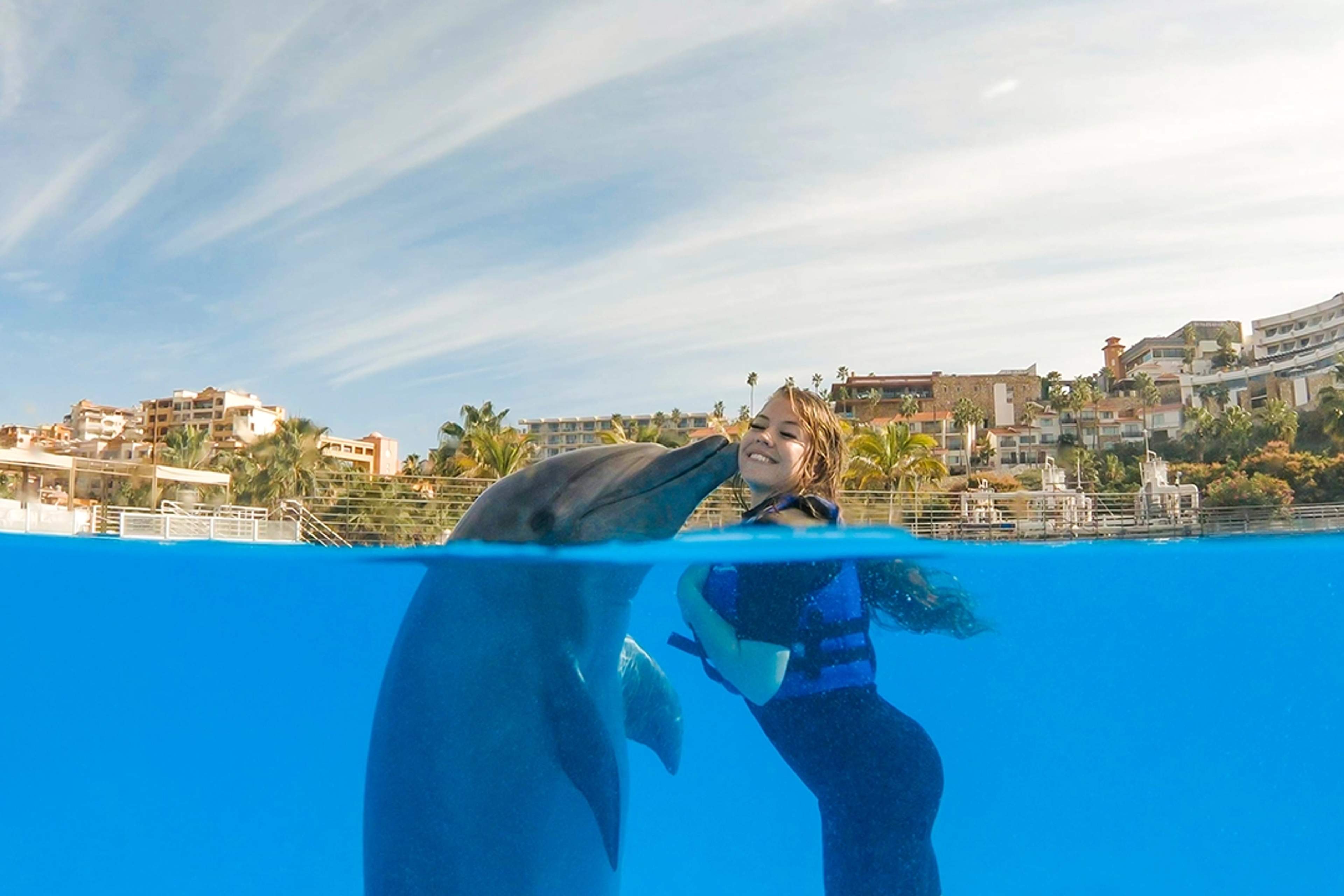
The Signature Cabo Dolphin Swim is a 40-minute interactive encounter at an American Humane Certified facility in the Cabo San Lucas Marina district. Marine Mammal Specialists guide small groups through the session, teaching hand-signal communication while you share kisses, hugs, and a free-swim segment with your dolphin companion.
Desert Wildlife Beyond the Shoreline
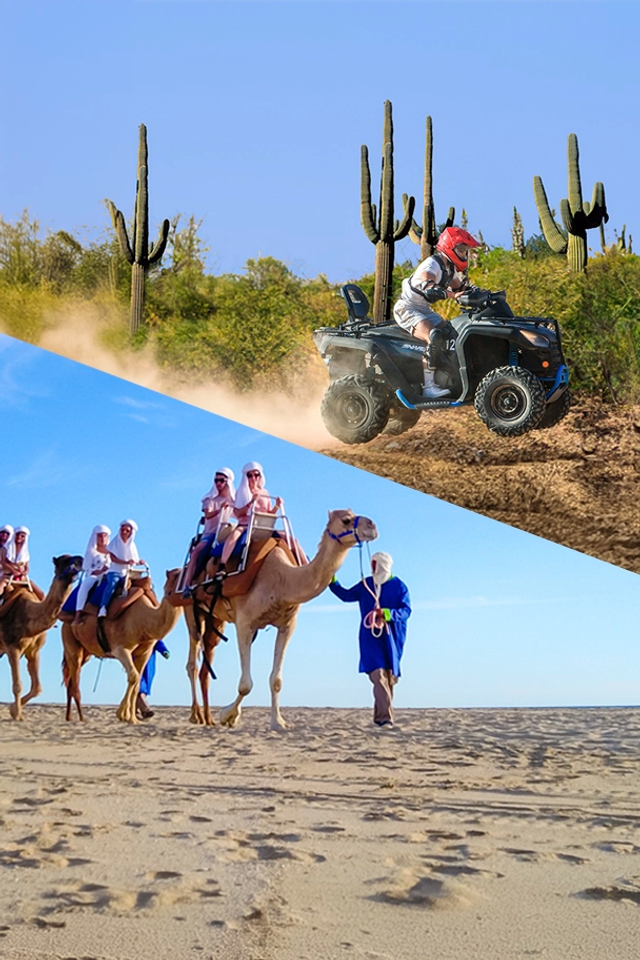
Most visitors come for the ocean, and rightfully so — but the Sonoran Desert surrounding Los Cabos holds its own ecosystem that rewards anyone willing to step off the beaten path. Many Baja endemics are a major part of the region's natural identity, including the towering cardón cactus, one of the most massive cactus species in existence.
You can spot a wide variety of birds, from Xantus's hummingbird to Gila woodpeckers, greater roadrunners, and magnificent frigatebirds soaring along the coast, while desert foxes, jackrabbits, and the occasional coyote move through the arroyos at dawn and dusk.
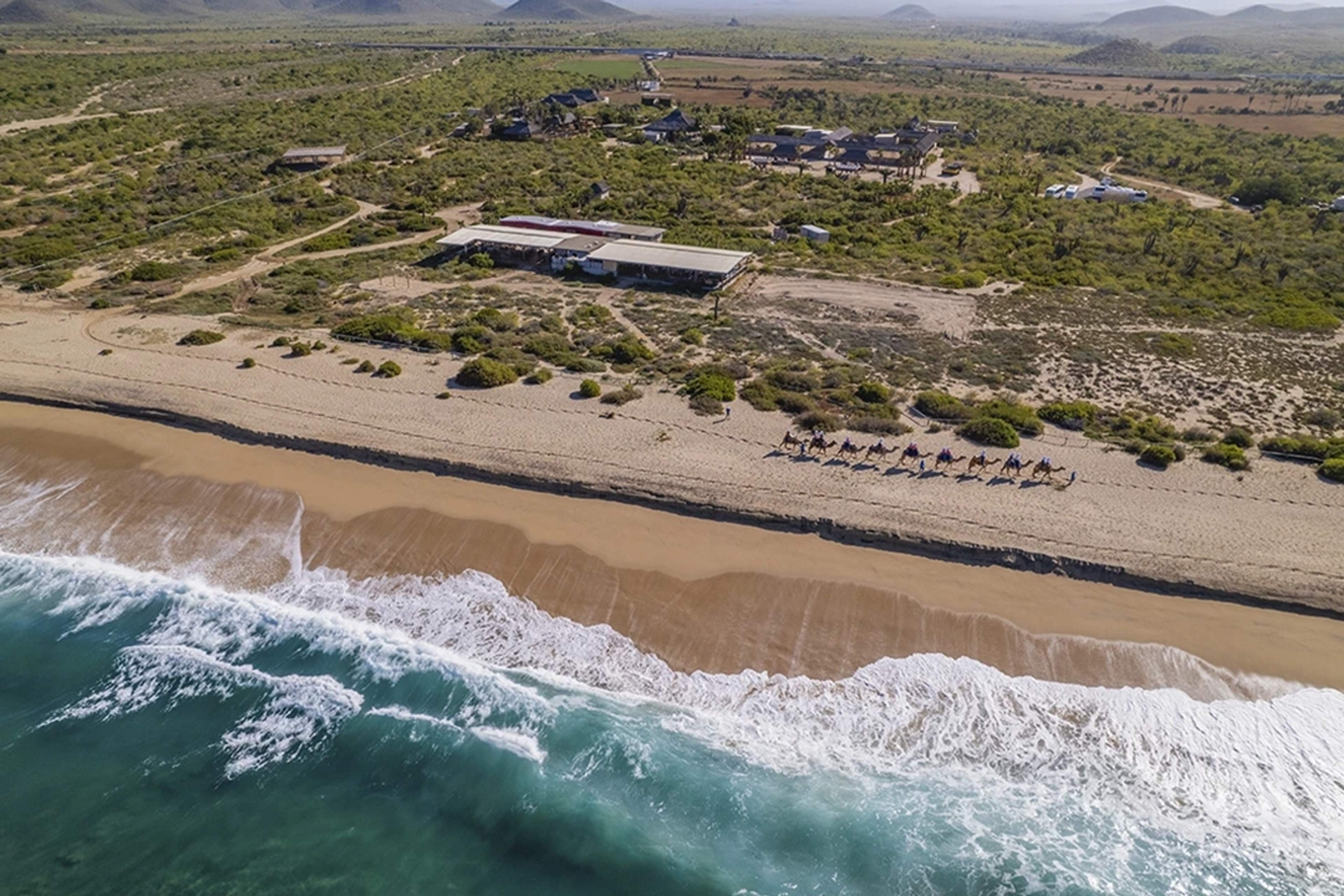
At Tierra Sagrada ranch, the Outback & Cabo Camel Ride turns the desert into a three-hour safari. You'll ride camels through arid canyon trails flanked by cardón cacti and blooming desert scrub, eventually reaching the Pacific coastline, spotting black-throated sparrows and desert iguanas basking on warm rocks along the way. The trip includes cultural elements like a traditional Mexican buffet and tortilla-making class, and the 4 PM departure adds a sunset bonfire on the beach to close out the day.

Conservation That Makes Every Encounter Count
Cabo San Lucas wildlife thrives in part because of the regulatory framework protecting it. SEMARNAT, Mexico's federal environmental agency, enforces distance requirements for whale watching (60 to 100 meters depending on species). Whale shark encounters require SEMARNAT authorization and CONANP permits, with a 10-swimmer maximum.
We operate within these frameworks and extend them through internal standards. All marine encounters include educational components led by certified bilingual guides. Our Cabo Dolphins Marine Center holds Humane Certification™ from American Humane, and Cabo Pulmo tours use CONANP-permitted operators who respect the no-take zones that enabled the park's remarkable recovery.
When you choose operators who hold proper permits and prioritize animal welfare, your dollars directly support conservation work that protects the ecosystems behind these encounters.
Every Season Holds a Story Worth Telling
A humpback whale breaching off Land's End, a whale shark gliding beneath you in the Sea of Cortez — these encounters follow migration calendars, not vacation schedules. Two oceans converging, a desert meeting the sea, and communities that chose conservation over extraction create a geography found nowhere else.
Match your travel dates to the species you most want to see, book the right tour through our wildlife tours before seasonal windows close, and come back with the kind of ocean stories that don't come from staying poolside.