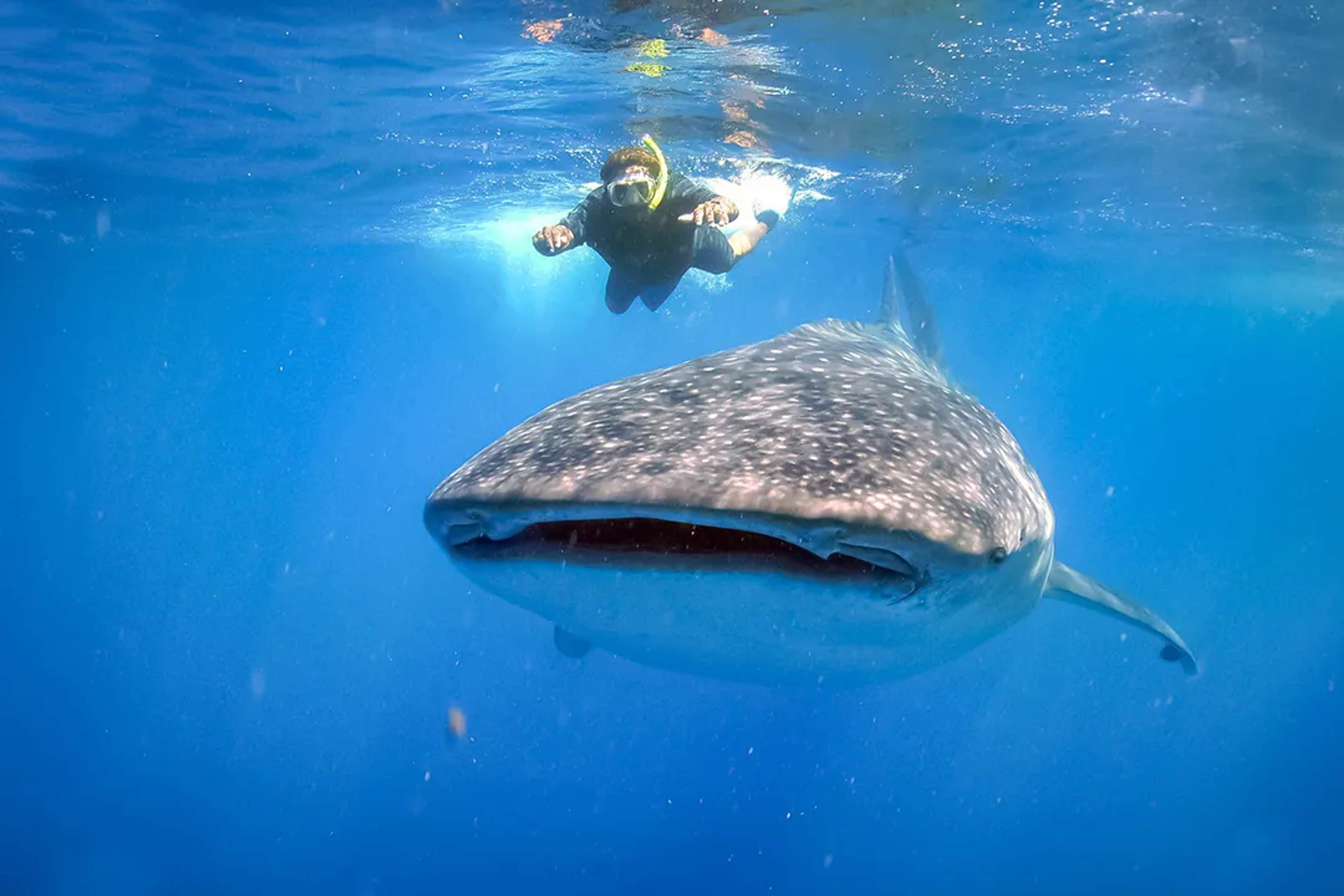
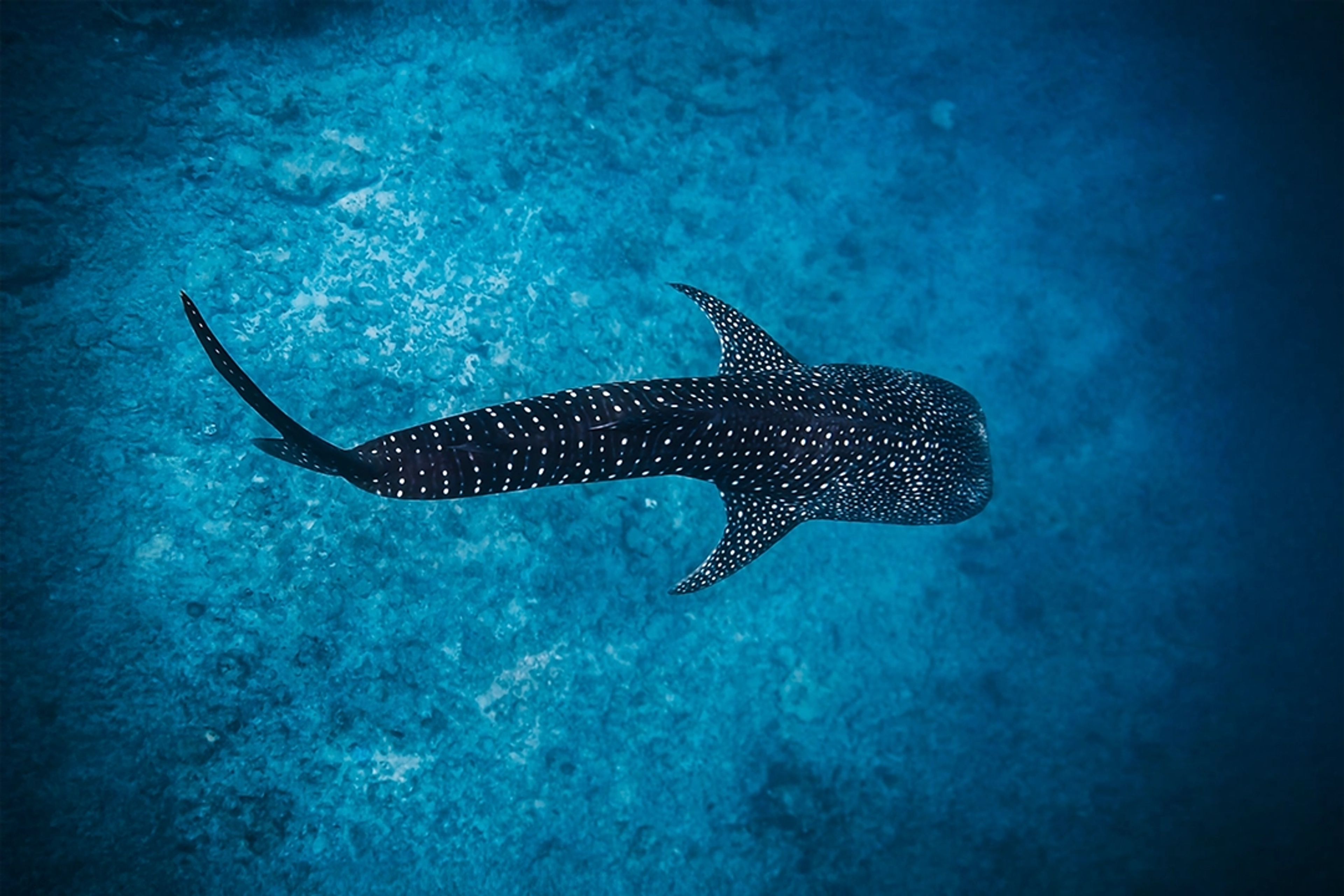
Whale sharks (Rhincodon typus) are the largest fish in the ocean, reaching lengths of 40 to 65 feet. As filter feeders, they eat only plankton and pose no threat to swimmers. If you're visiting Los Cabos and looking for something beyond the resort corridor, swimming with whale sharks in the waters near La Paz might be the most memorable thing you do.
Two hours north of Cabo San Lucas, these massive, spotted animals gather each winter to feed in plankton-rich seas—and you can get in the water with them. It's physical, it's real, and it stays with you.
Why Swim with Whale Sharks in La Paz?
Hundreds of whale sharks return to La Paz Bay every year between November and April, making it one of the most reliable places in the world to encounter them. These are endangered animals feeding in a protected marine refuge, and Mexico has regulated tourism here since 2005 to keep it that way.
The result is a well-managed encounter where you're in the water with wild animals on their terms—not a theme park experience, but the real thing.
Understanding Whale Sharks and Why They're Safe
Whale sharks can reach 40 to 65 feet and weigh up to 20 tonnes, yet they pose zero threat to swimmers. As filter feeders, they strain plankton from seawater and physically cannot bite or chew. Though they have several hundred tiny teeth, they don't use them to eat; their diet consists exclusively of plankton, krill, small fish larvae, and jellyfish. They swim at an average speed of 3 mph (or 2.5 mph when feeding), making their movements predictable and manageable for swimmers.
The whale sharks you'll encounter in La Paz are typically juveniles—smaller than maximum adult sizes but still impressively large. Their backs display thousands of spots in crisscrossed patterns that look like dappled sunlight through water, making each individual identifiable to researchers.
The Sea of Cortez and Its Remarkable Biodiversity
The Sea of Cortez is a UNESCO World Heritage Site encompassing 244 islands, islets, and coastal areas extending 1,400 kilometers, home to an extraordinary concentration of marine life. Jacques Cousteau called it "the world's aquarium," and the name stuck for good reason.
What makes La Paz uniquely positioned for whale shark encounters is year-round upwelling of cool, nutrient-rich water that drives persistent plankton blooms. This upwelling correlates directly with whale shark abundance, creating remarkable predictability: whale sharks aggregate here to feed in consistent patterns for extended periods, which is why La Paz delivers more reliable encounters than many other destinations where gatherings may be larger but more transient.
What It's Really Like in the Water
Swimming with whale sharks demands more physical effort than most travelers expect. This isn't passive wildlife viewing from a boat; it's an athletic endeavor that rewards stamina and comfort in open water.
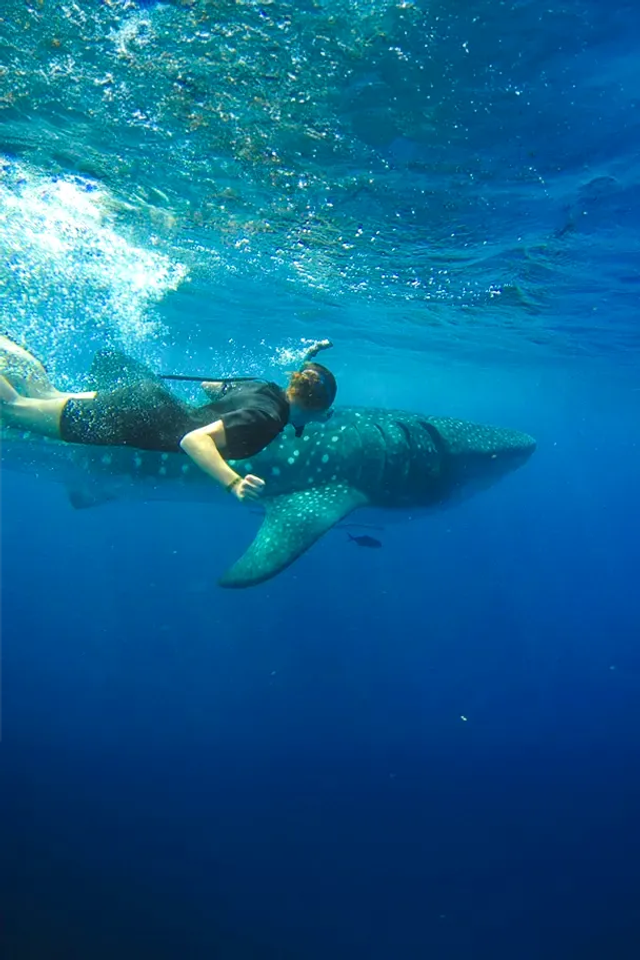
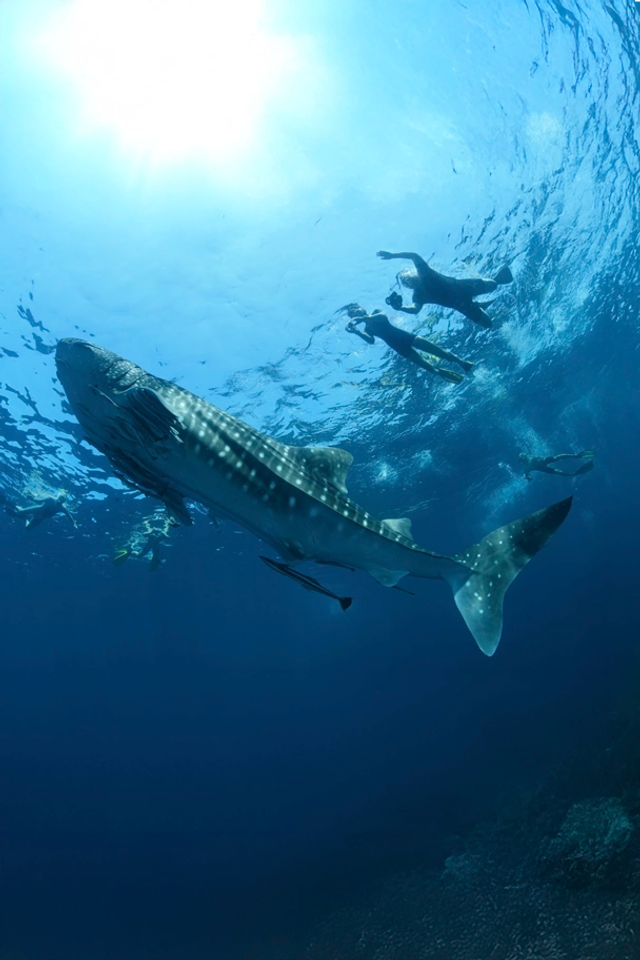
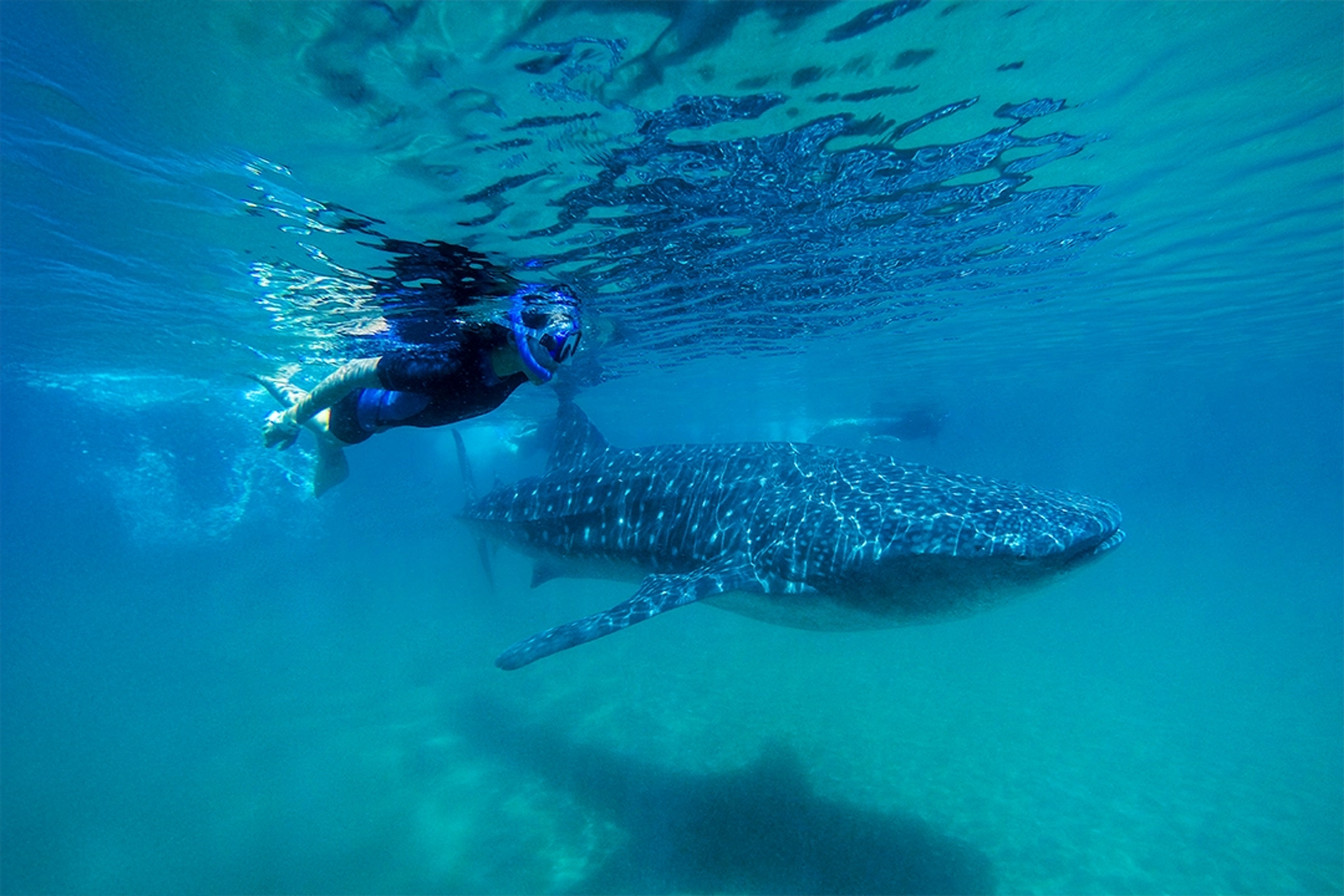
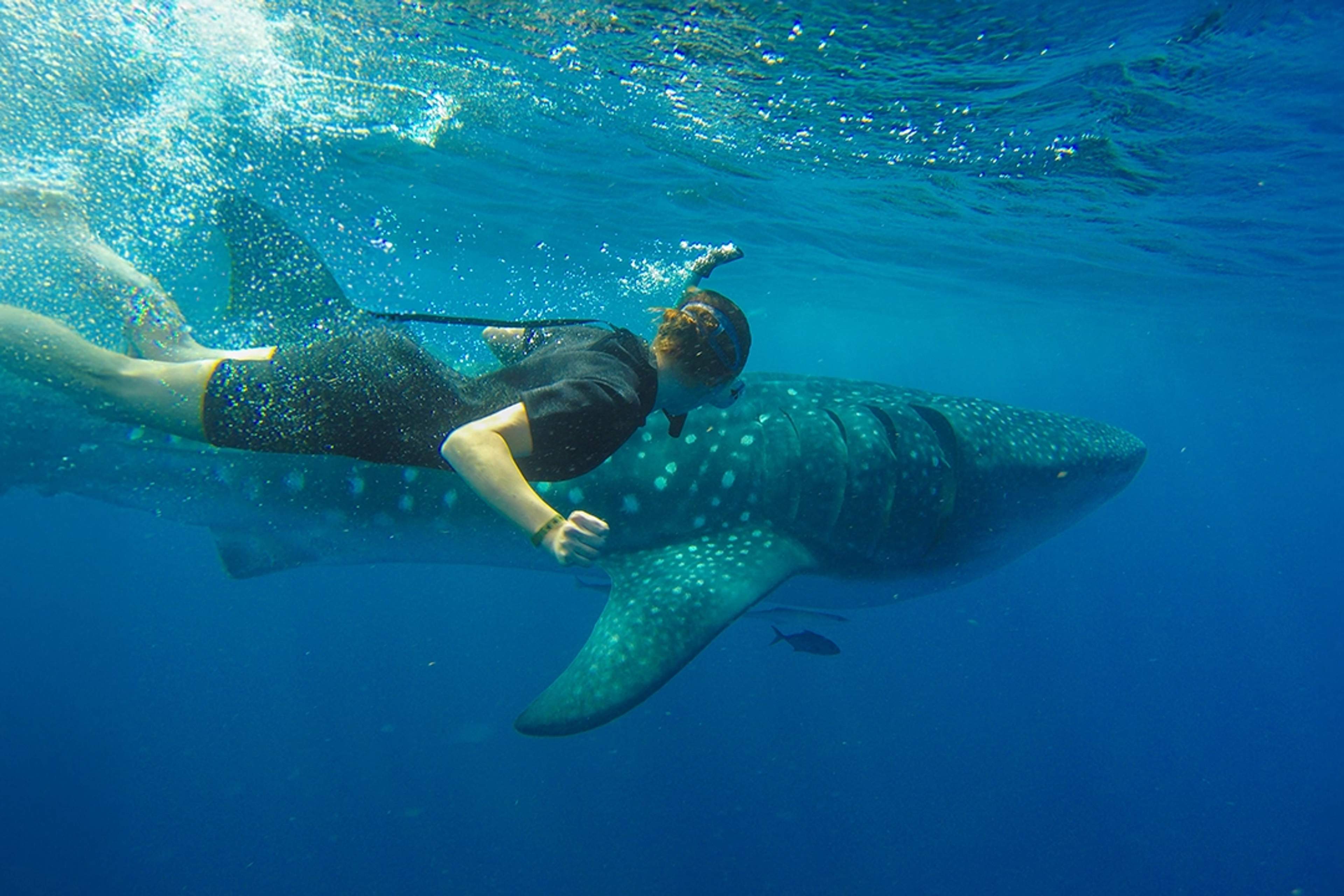
When you spot a whale shark and slip into the sea, you'll find yourself swimming hard to keep pace. These animals appear to move leisurely, but they consistently travel faster than most swimmers can sustain. You'll approach within 5-10 feet of these gentle giants as they surface-feed, though the plankton-rich conditions mean visibility is murky rather than crystal-clear.
You may not see the entire animal at once; instead, you'll catch fragmented views of massive spotted flanks moving through green-tinted water. This isn't a deficiency—it's the ecological reality that attracts whale sharks in the first place, and creates moments of surprise when a whale shark suddenly appears in your field of vision.
What travelers consistently describe is a humbling encounter: the scale disparity between a human swimmer and a 20-30 foot whale shark creates a perspective-shifting moment that combines adrenaline with profound awareness of the creature's gentleness.
The Full-Day Whale Shark Experience from Cabo
Getting into the water with whale sharks from Los Cabos means a full day that starts early and covers real ground—from the two-hour drive through Baja's desert landscape to the moment you're face-to-face with a 25-foot animal in the open sea. The Swimming with Whale Sharks in Cabo tour handles the entire experience, so you can focus on the encounter itself.
How to Get from Cabo San Lucas to La Paz
La Paz is located approximately 2 hours north of Cabo San Lucas by road, a scenic 180-kilometer drive through the Sierra de la Laguna foothills. The tour handles this transfer entirely—you'll be picked up from your hotel early morning and travel in an air-conditioned van while the Baja landscape shifts from coastal desert to mountain foothills and back to the sea.
A light breakfast snack is provided during the drive, and most travelers find the journey itself sets the tone for the day ahead.
What to Expect on a Whale Shark Tour from Cabo
Here's what your full-day adventure looks like:
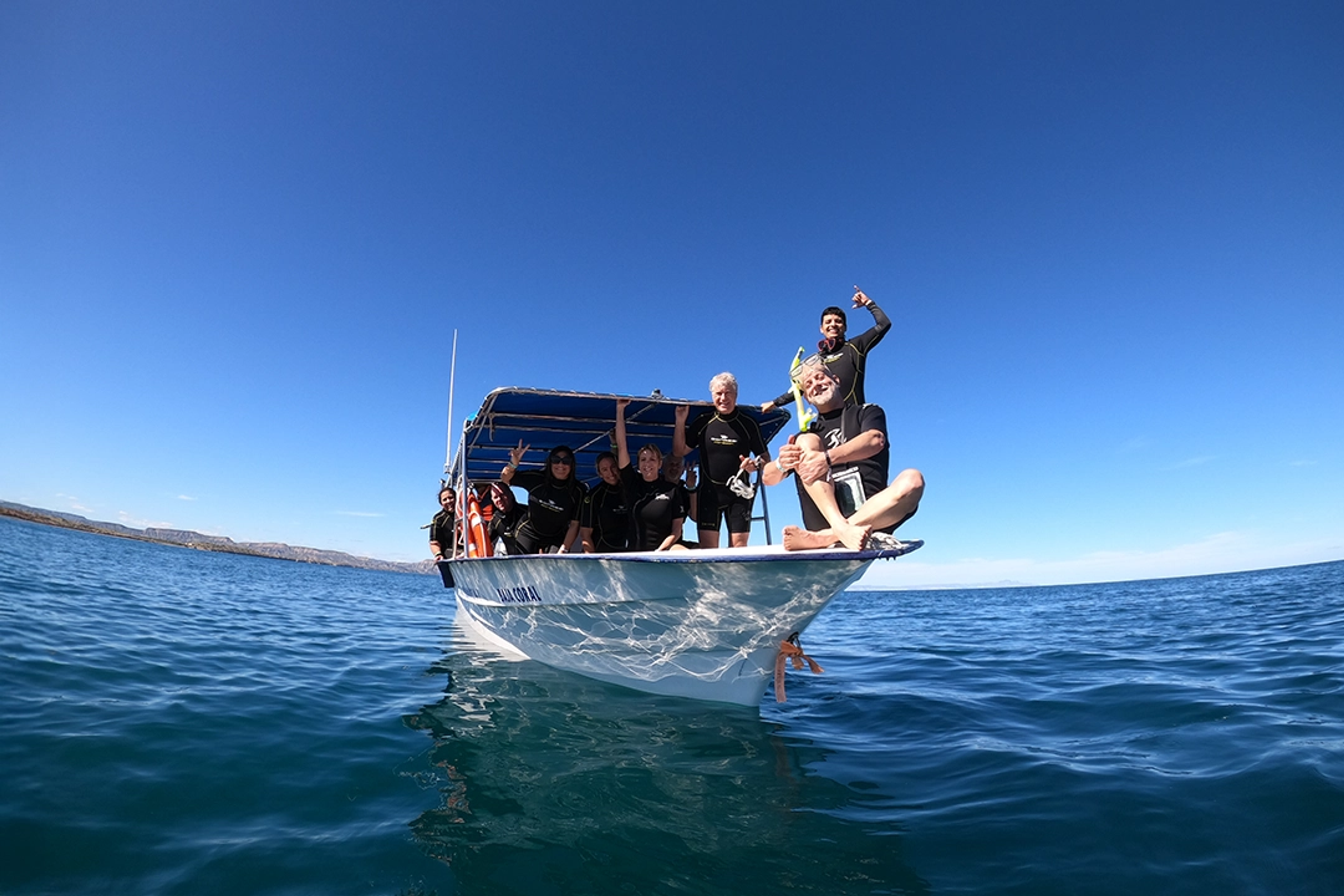
Boarding the Boat: In La Paz, you'll board a small, licensed panga designed for navigating the whale shark observation area. Each vessel is limited to a maximum of 5 swimmers plus a certified guide, ensuring an intimate encounter rather than a crowded one.
All logistics are handled for you, from hotel pickup to equipment provision.
Returning to Cabo San Lucas: After your encounter, you'll enjoy a Baja-style lunch at a local restaurant before making your way back to Cabo San Lucas.
What's Included
Everything from the early-morning hotel pickup and air-conditioned transport to La Paz through snorkel gear, wetsuit, licensed eco-certified boats, and a Baja-style lunch at a local restaurant is handled for you. Your guides are trained in whale shark behavior and enforce interaction guidelines including minimum 3-4 meter distance and no-touch policies.
Each licensed boat receives a 2-hour window inside the protected Whale Shark Refuge Area, plus additional time for marine wildlife viewing at sites like Isla Espíritu Santo. Water temperatures range from 66-80°F (19-27°C).
When to Go for the Best Encounters
The official whale shark season runs November through April, with peak sightings between late November and early February. This window aligns with cooler water temperatures that drive the plankton blooms whale sharks follow.
November: Whale shark numbers increase significantly, with late November marking the start of optimal encounters.
December through February: The absolute peak—maximum reliability, highest concentration of whale sharks, and best underwater visibility. Water temperatures range from 66-72°F (19-22°C), making a 5mm wetsuit ideal for extended comfort.
March: Still strong reliability, though numbers begin to decrease as the season winds down.
April: Encounters remain possible but become increasingly inconsistent as whale sharks begin migrating away from the bay.
The cooler peak-season temperatures serve a crucial ecological function: they drive the upwelling of nutrient-rich water that fuels the plankton blooms whale sharks depend on. Rather than a drawback, the cooler water is precisely what makes La Paz such a productive aggregation site.
Can Kids Swim with Whale Sharks in Cabo?
Whale sharks are genuinely safe for children; their filter-feeding biology makes them incapable of harming humans. The question is whether young swimmers have the stamina and water confidence for an open-ocean snorkeling adventure.
Children ages 8 and up are welcome on the tour. Fairly vigorous swimming is required to keep pace with feeding whale sharks, and previous snorkeling experience is recommended. The boat ride can be bouncy, and the swimming portion demands sustained effort that distinguishes this from calm-water resort snorkeling.
For families seeking more control over the pace, the Private Whale Shark Encounter offers exclusive access to your own boat and guide. This format works particularly well for multi-generational families where abilities vary, as guides can tailor attention and safety briefings to your group's skill level.
The payoff—watching your child's face when a juvenile whale shark measuring 20-30 feet glides past—creates the kind of shared memory that defines a trip.
What to Know Before Swimming with Whale Sharks
Patience is Key: Mexico limits whale shark encounters to protect the animals. A maximum of 56 boats per day are allowed, spread across four time slots, and each boat gets a 2-hour window inside the protected area. You'll need to stay at least 3 meters from a whale shark's head and body and 4 meters from its tail.
Prepare Physically: This adventure requires more swimming stamina than casual resort snorkeling. You'll need to swim hard to keep pace with whale sharks that move continuously while feeding. If you're not regularly active in water, consider some pool practice beforehand.
Pack Appropriately: This is a full-day excursion with a two-hour drive each way, boat rides, and open-water swimming, so plan accordingly. Bring a hat, lightweight sun-protective clothing, non-slip shoes for the boat, a towel, and a change of clothes for the return trip. A light jacket or sweater is useful for the air-conditioned van and cooler morning temperatures. Include seasickness medication if needed. Chemical sunscreens and body lotions are prohibited in the water to protect the marine environment—only biodegradable sunscreen is permitted, and sun-protective clothing remains the most reliable option. A wetsuit or lifejacket is mandatory for all water activities.
Manage Visibility Expectations: The water will be murkier than Caribbean snorkeling destinations. The plankton that reduces visibility is exactly what the whale sharks are there to eat.
Other Wildlife You Might Encounter
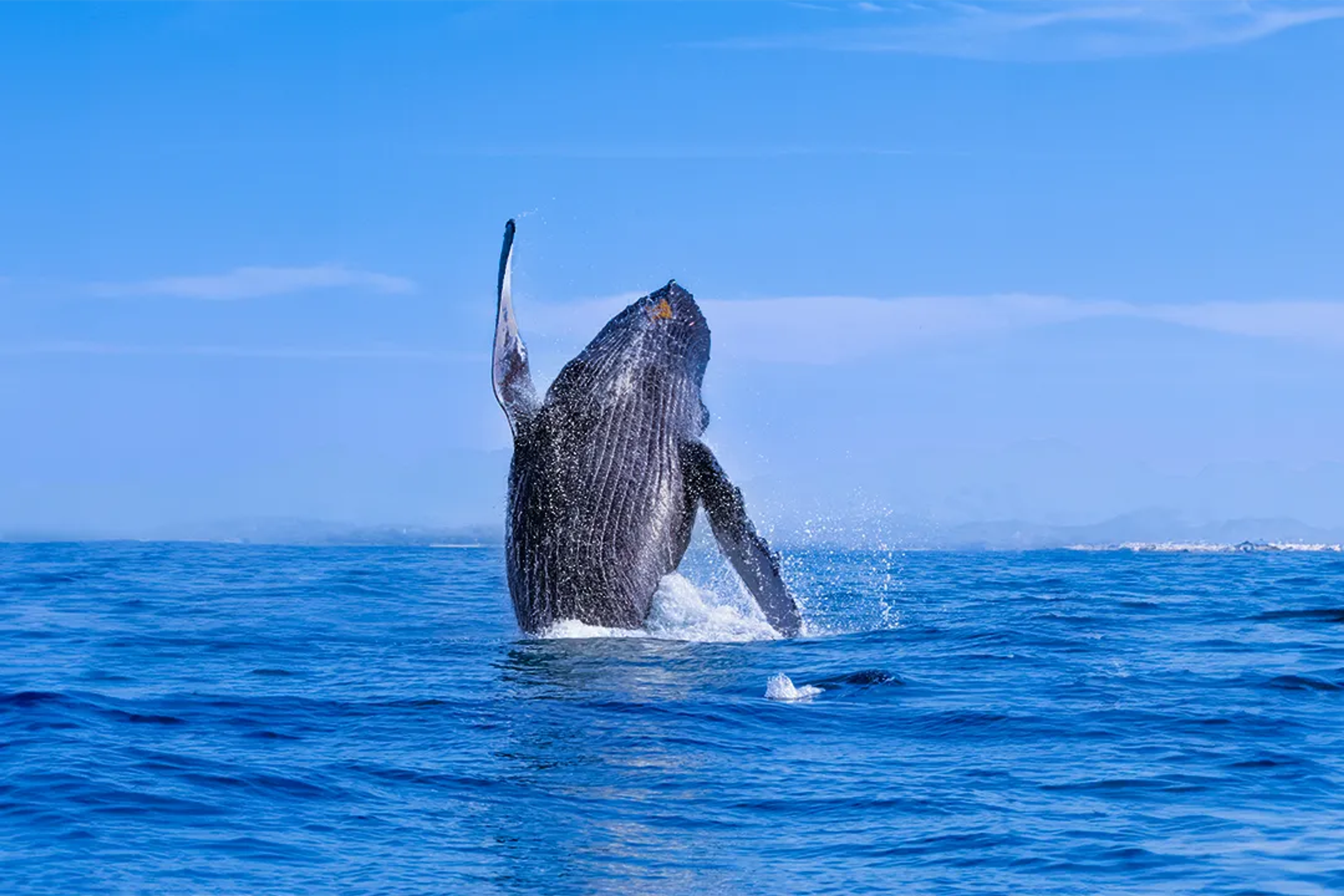
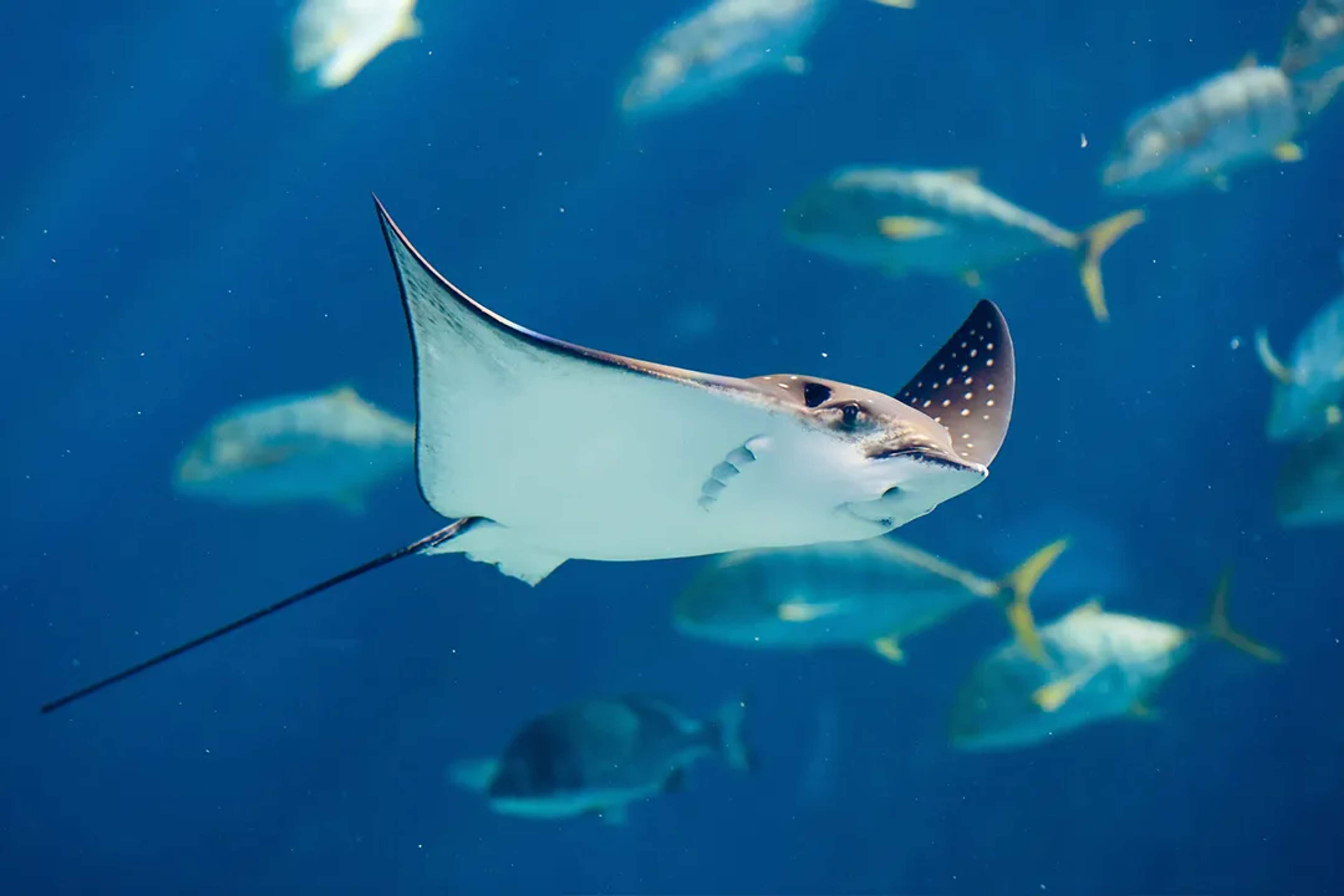
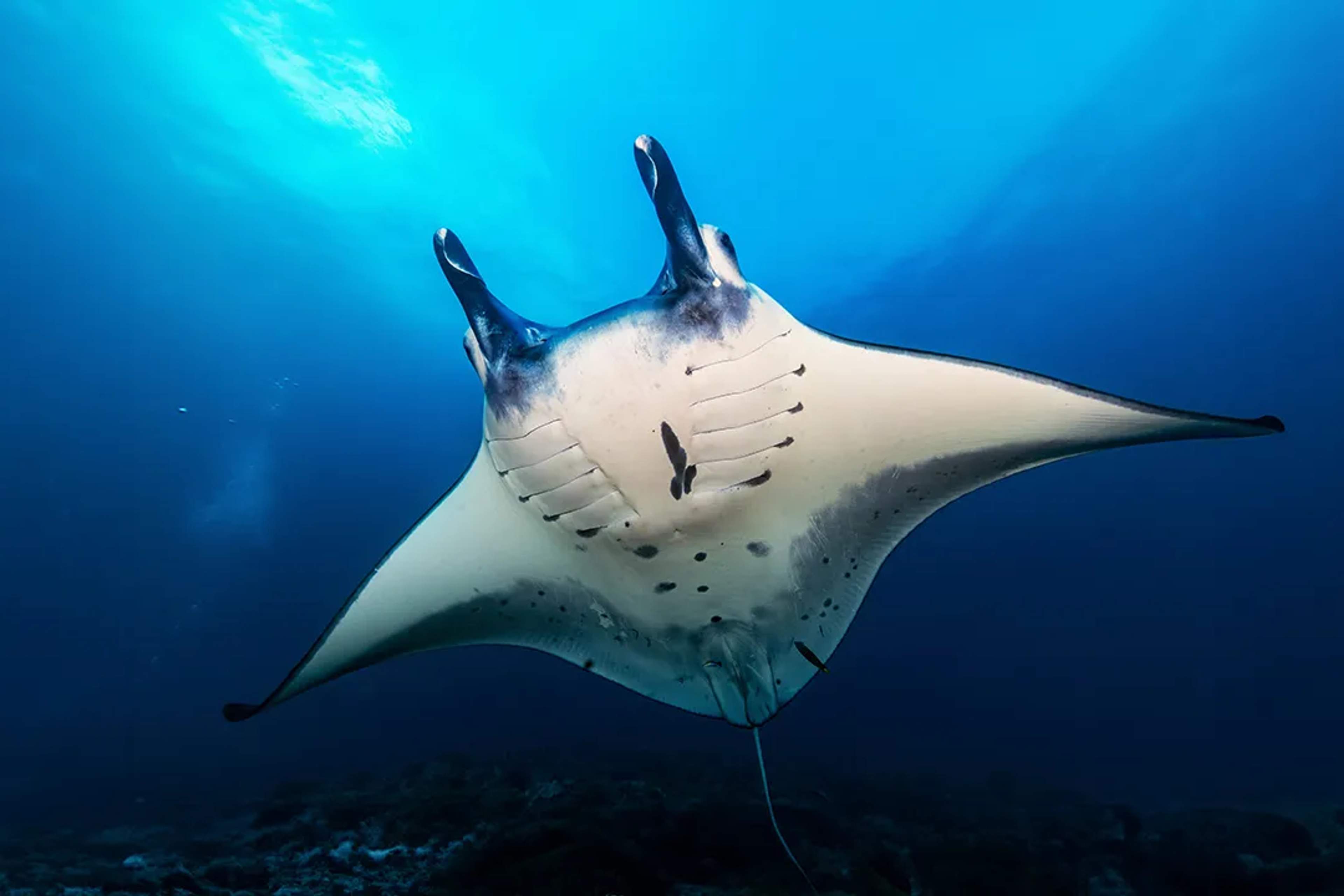
The Sea of Cortez teems with life beyond whale sharks. Keep watch for dolphins surfacing nearby, sea turtles gliding past, schools of tropical fish including parrotfish and Moorish idols, and manta rays occasionally making appearances in the open water. Excursions toward Isla Espíritu Santo offer access to California sea lion colonies and the broader biodiversity of this UNESCO World Heritage region.
Exploring La Paz Beyond the Water
La Paz is a laid-back capital city that moves at a more relaxed pace than Cabo—a working Mexican city celebrated for its authentic charm. La Paz's Malecón rewards a leisurely stroll along its 5-kilometer waterfront promenade, featuring sculptures by local artists, tiny beaches, and unimpeded sunset views over the Sea of Cortez.
Ethical Wildlife Tourism and Responsible Encounters
Mexico takes whale shark protection seriously. Three federal agencies share oversight, operators must hold permits from all of them, and the rules are specific: strict distance requirements, a daily cap of 56 boats across four time slots, mandatory annual training, and no-contact policies. Since 2018, dedicated whale shark refuge areas and science-based carrying capacity management have added another layer of protection, tracking whale shark numbers and injury rates to keep tourism sustainable.
That said, regulations alone don't guarantee ethical encounters—violations do happen. When selecting an operator, look for pre-swim briefings on behavioral protocols, strict distance enforcement, and guides who redirect swimmers who get too close. By choosing operators committed to conservation standards and support for research organizations like Whale Shark Mexico, your visit contributes to an economic model that values these animals alive and protected.
Book Your Whale Shark Adventure
Seasonal whale shark encounters from Cabo San Lucas (November through April, peak November-February) offer an intensely physical wildlife adventure combining athletic challenge with profound emotional impact. Swimmers regularly approach within 5-10 feet of these 20-30 foot animals in plankton-rich waters, creating the kind of natural high that stays with you long after you've dried off.
With transportation, snorkeling equipment, expert guidance, and meals all included, the Swimming with Whale Sharks in Cabo tour takes care of every detail for you. Each boat accommodates up to 10 swimmers, accompanied by a certified guide, with guests rotating turns in the water to ensure a safe, respectful, and enjoyable experience.
For families or groups wanting exclusive access to their own vessel and a guide who can tailor the pace to your group, the Private Whale Shark Encounter offers that flexibility. The season runs November through April, with the highest concentration of whale sharks between late November and February—check current availability when booking, as access responds to real-time population data and conservation priorities.
Frequently Asked Questions About Whale Sharks in Cabo
Are whale sharks dangerous?
No. Whale sharks are filter feeders that eat only plankton and physically cannot bite or chew. Despite reaching lengths of 40 to 65 feet, they pose zero threat to humans and have no history of attacking swimmers.
Can you touch whale sharks in Mexico?
No. Mexican law prohibits touching whale sharks. Swimmers must maintain a minimum distance of 3 meters from the whale shark's head and body and 4 meters from its tail, and all contact is strictly forbidden.
What is the best month to swim with whale sharks in Cabo?
December through February offers the highest concentration of whale sharks and the most reliable encounters in La Paz Bay. Late November is also excellent as numbers build rapidly, while March still delivers strong sightings before the season winds down in April.
Do you need to know how to swim?
Yes. Swimming with whale sharks requires active, sustained swimming in open ocean conditions. This is not a wading or floating experience—you'll need to swim hard to keep pace with feeding whale sharks, and previous snorkeling experience is recommended.
How close can you get to a whale shark?
Mexican regulations require a minimum distance of 3 meters (approximately 10 feet) from a whale shark's head and body, and 4 meters (approximately 13 feet) from its tail. In practice, swimmers regularly find themselves within 5-10 feet of these animals as they surface-feed, with guides ensuring compliance with distance protocols.