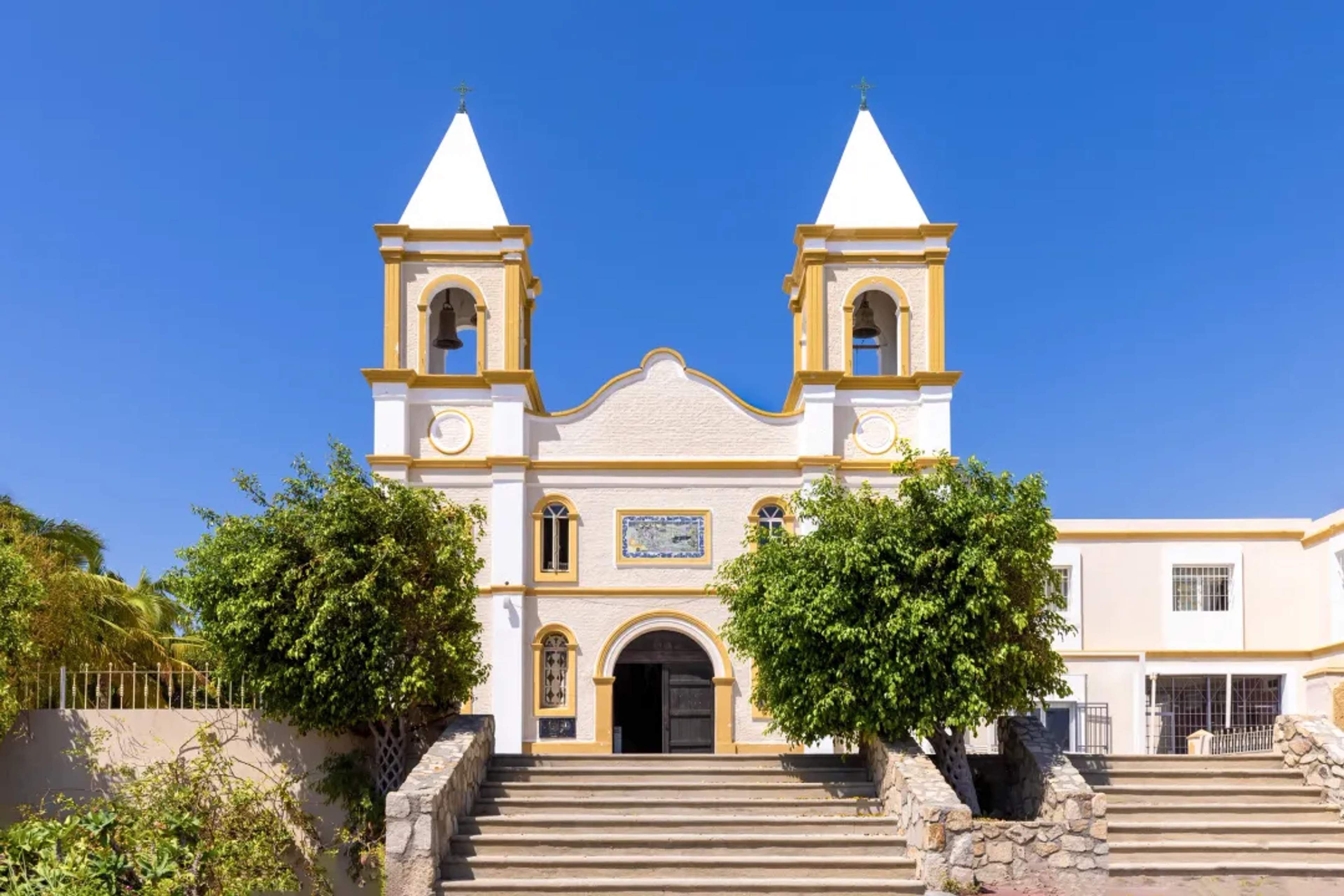
Most visitors to Los Cabos land at the airport, transfer to their resort, and never realize that one of Mexico's most compelling small towns sits just minutes away. San Jose del Cabo is the older, calmer half of the region, a colonial town where adobe houses line cobblestone streets and art galleries hide behind courtyard walls.
If you're the kind of traveler who wants to come home with stories about a place, not just a hotel, this town deserves your attention. The best meal of your trip might even come from a farm you can see from your table.
Two Towns, Two Different Energies
Los Cabos is really two places sharing one peninsula tip. Cabo San Lucas, at the southern end, runs on marina energy, late nights, and packed beach bars. San Jose del Cabo, about 20 minutes northeast, runs on a different clock entirely, with a slower pace and quieter streets.
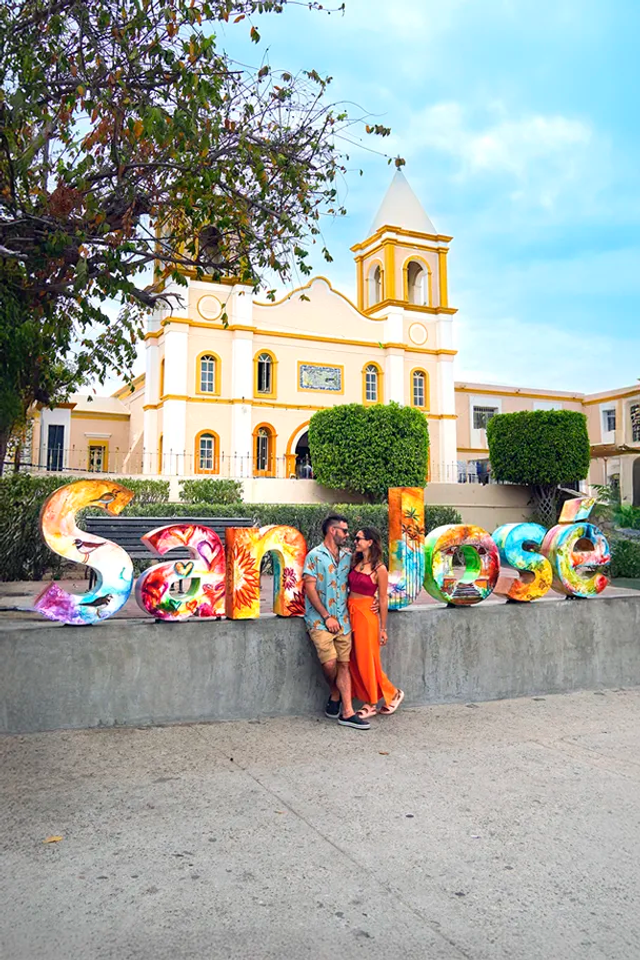
Where Cabo San Lucas draws visitors with thumping nightclubs, San Jose del Cabo offers candlelit lounges, live guitar, and galleries that glow with warm light after dark. The architecture tells the story too: colonial Spanish buildings, jacaranda trees, and papel picado flags strung above Plaza Mijares.
San Jose del Cabo rewards those who slow down. Couples find its evening atmosphere romantic without trying too hard, families find it manageable and welcoming, and travelers who've seen enough resort pools find it refreshingly real.
Walking the Art District
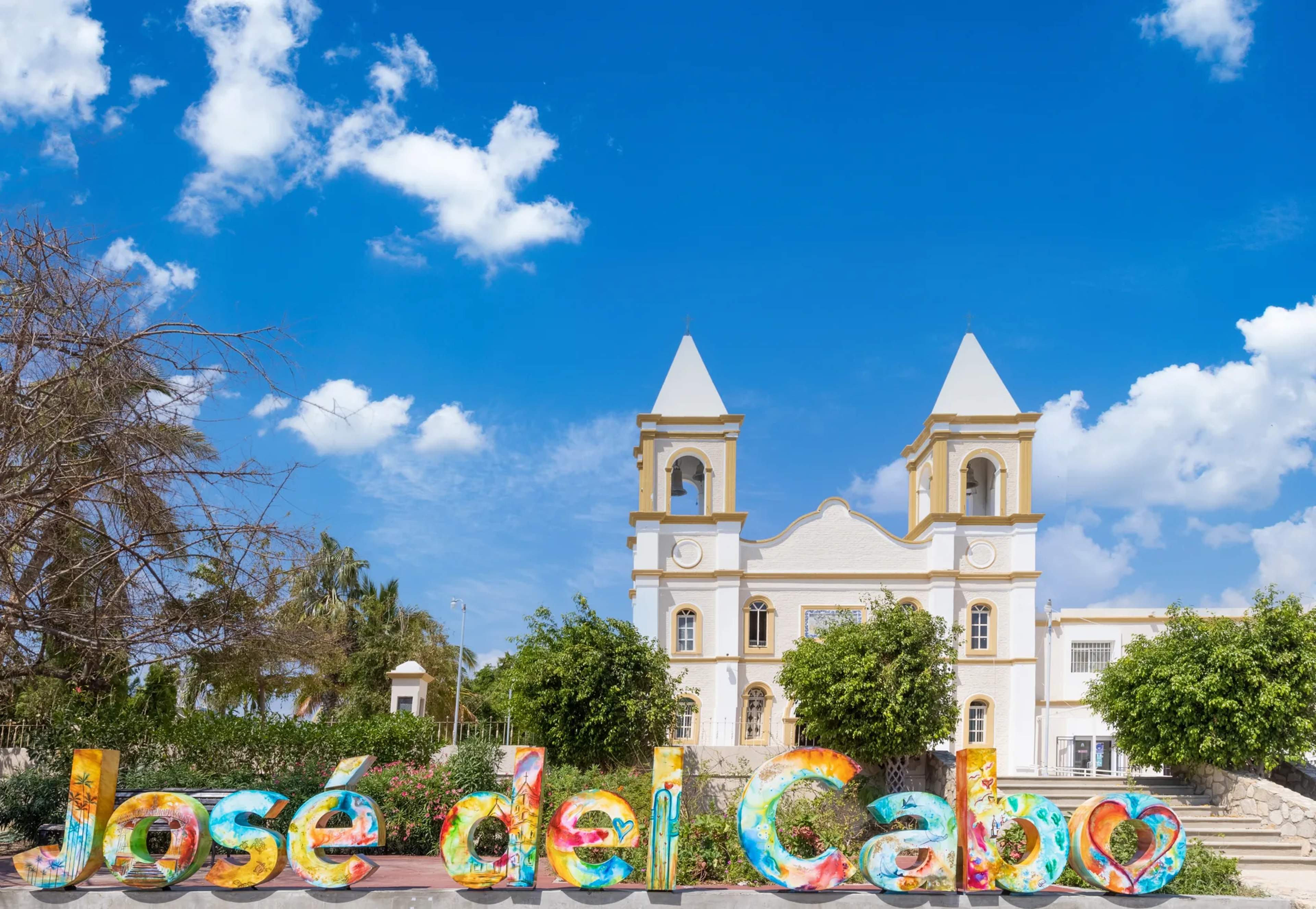
The Art District is one of the clearest features that sets San José del Cabo apart from other beach destinations. Behind Plaza Mijares and the town's landmark church, a small neighborhood of colonial houses has been converted into galleries, studios, restaurants, and shops.
The streets to know are Obregón, Morelos, Guerrero, and Comonfort. Some of the best spaces hide behind heavy wooden doors, opening into courtyards where original paintings, sculpture, photography, and jewelry by Mexican and international artists hang in quiet, well-lit rooms.
The district's crown event is the Thursday Art Walk, running every Thursday from 5:00 PM to 9:00 PM, November through June. Galleries host new exhibitions while restaurants open their doors, street vendors set up, and children play in the plaza. Admission is free.
If you want to turn the evening into a guided night in town, the Art & Wine Evenings in San Jose del Cabo adds gallery visits, wine tasting with appetizers, a stop at a traditional cigar-making shop, and round-trip transportation from most Los Cabos hotels.
Where the Restaurants Are
San Jose del Cabo punches well above its weight when it comes to food. The culinary scene here is quieter than Cabo San Lucas but arguably more interesting, with honest cooking rooted in the peninsula's dual coastline and agricultural traditions.
The Art District (El Centro) holds the densest concentration of dining options for visitors on foot. Former colonial courtyards have become intimate restaurants, and the Thursday Art Walk brings food and drink specials alongside gallery openings.
Ánimas Bajas, a farm valley on the outskirts of town, is where the region's farm-to-table movement lives. Several working farms here have built restaurants that serve what they grow, and some run cooking classes where visitors harvest nopal cactus, make tortillas, and share a meal with a local family.
The Baja Peninsula sits between the Pacific Ocean and the Sea of Cortez, and that geography shows up on every menu. Look for chocolate clams, aguachile, octopus tostadas, and the region's signature smoked marlin.
A Town Built on Three Centuries of History
San Jose del Cabo is the oldest permanent settlement at the southern tip of the Baja California Peninsula. Long before the Spanish arrived, the Pericú people lived here, drawn by the same freshwater estuary where the Río San José meets the Sea of Cortez.
On April 8, 1730, Jesuit missionaries founded the Mission of San José del Cabo, the twelfth California mission. The early years were marked by the Pericú Revolt of 1734, a story still visible today in mosaics above the church entrance.
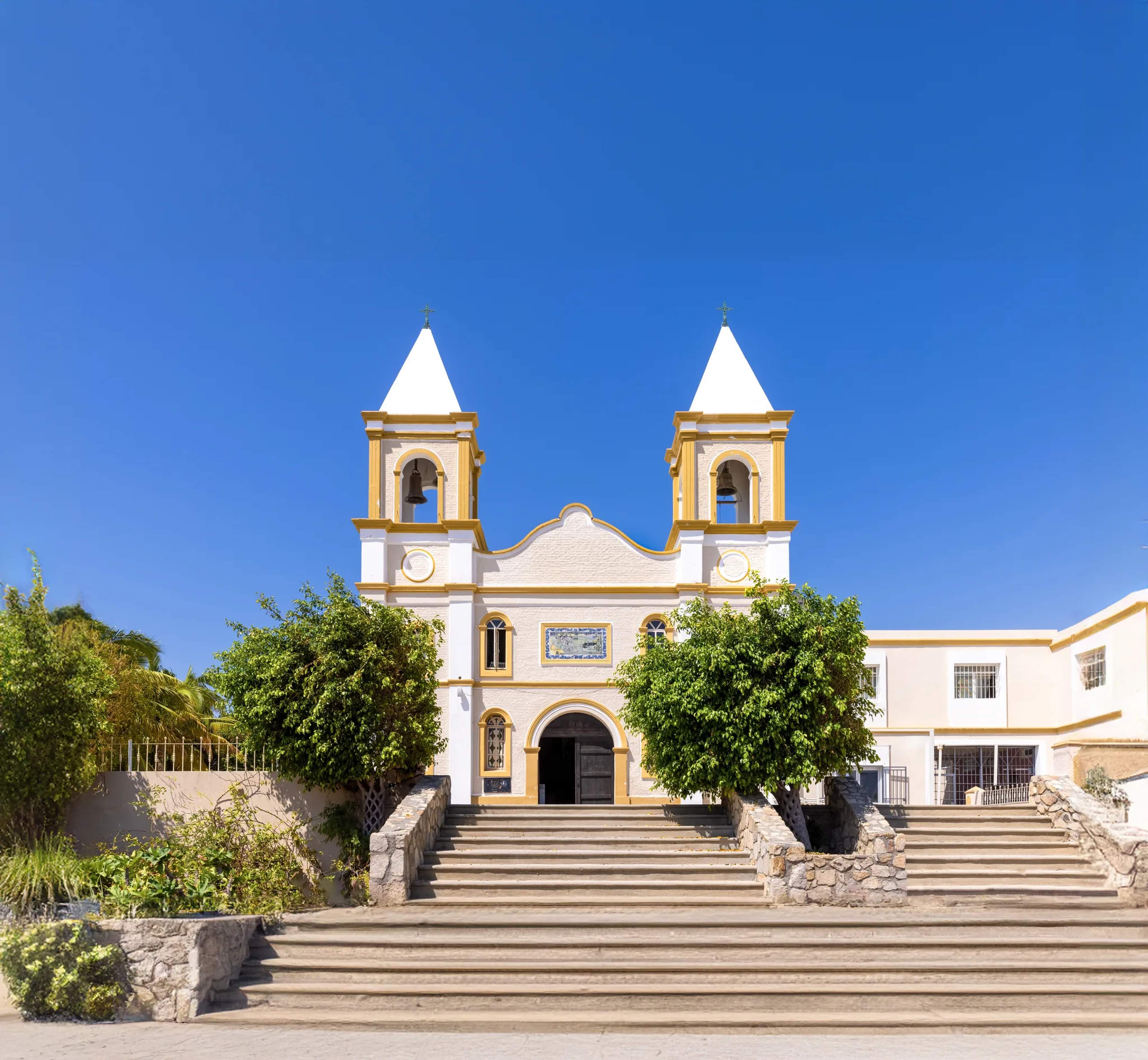
The church on Plaza Mijares was rebuilt in 1940 and remains an active parish. Entry is free, and the building's twin bell towers anchor the view from nearly every direction in the town center.
The Estuary: Free, Family-Friendly, and Full of Life
One of the most accessible natural attractions in all of Los Cabos sits within walking distance of downtown San Jose del Cabo. The San José Estuary covers roughly 125 acres where the Río San José reaches the Sea of Cortez, creating a freshwater oasis in the middle of desert terrain.
The estuary holds designation as an Important Bird Area for globally threatened species. Two bird species endemic to the Baja Peninsula live here: the Xantus's Hummingbird and the Peninsular Mascarita. Bird populations grow during winter months, making early-morning visits particularly rewarding.
A palm-lined pedestrian trail, the Paseo del Estero, parallels Boulevard Mijares all the way to the hotel zone, so you can incorporate it into a broader walk through town. The estuary has a cultural center with bilingual staff and maps, and admission is free.
Beaches Worth Knowing About
The beaches directly in front of San Jose del Cabo's hotel zone are generally not safe for swimming due to strong ocean currents. The resorts compensate with pools and organized activities, but if beach swimming is a priority, nearby alternatives are better options.
Playa Palmilla is a popular choice for family beach time. It's a short taxi ride from the town center and one of the better nearby options when calmer conditions are the priority.
Costa Azul (Playa Acapulquito) is a laid-back surf beach along the Tourist Corridor, with a relaxed atmosphere and easy access from San Jose del Cabo. Both beaches lie along the corridor between the two towns, making them accessible from either side.
Should You Stay in San Jose del Cabo?
El Centro (downtown) puts you in the middle of the cultural action. The Art District, the restaurants, the plaza, and the mission church are all on foot. Accommodations here tend to be smaller boutique properties with distinctive character, though El Centro is inland, so you won't have ocean views from your room.
The Zona Hotelera lines the Sea of Cortez with larger all-inclusive resorts. It sits close enough to El Centro that town amenities remain accessible, but you'll need a taxi or rideshare to reach the Art District and restaurants.
Couples and culturally oriented travelers are a natural fit for San Jose del Cabo. Travelers who prioritize nightlife or a single walkable zone with marina access and swimmable beach may find Cabo San Lucas a better base.
Getting Around Town and Between Towns
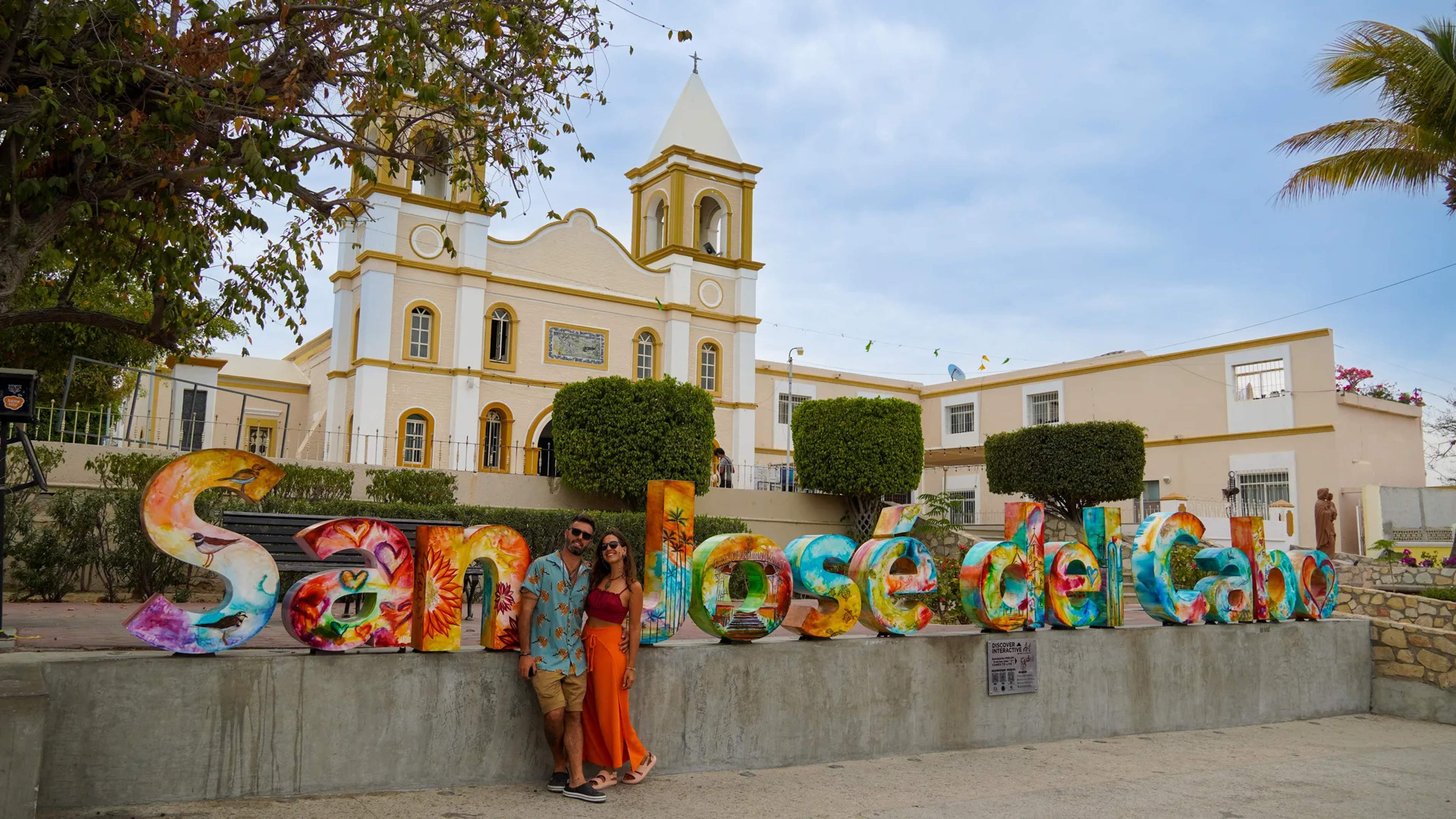
San Jose del Cabo's historic center is compact and walkable. The plaza area functions as a pedestrian zone, and the Art District's cobblestone streets were designed for wandering, not driving.
The gap between the hotel zone and downtown is about a 30-minute walk, which can be uncomfortable in the midday heat. A taxi or rideshare closes that gap quickly.
To travel between San Jose del Cabo and Cabo San Lucas, the Ruta del Desierto public bus runs every 20 to 30 minutes along the Tourist Corridor. The purple-and-orange buses cost roughly 50 pesos, take 30 to 45 minutes, and stop at major beaches along the way. Service ends around 11:00 PM.
If you'd rather skip the logistics, the city tour covering both towns includes transportation, a guided walk through San Jose del Cabo's historic center, a speedboat ride to the Arch in Cabo San Lucas, tequila tasting, and a Mexican lunch with handmade tortillas.
When to Plan Your Visit
December through April offers mild daytime temperatures between 77°F and 80°F (25 to 26.5°C), dry skies, and the full lineup of seasonal highlights. Whale watching peaks in January and February, and the Thursday Art Walk runs throughout.
May and June bring warmer days in the upper 80s°F (around 31°C) with very little rain. Crowds thin out, prices drop, and the Art Walk still runs through June.
July and August are the warmest months, with temperatures ranging from the mid-80s to low 90s°F (29–33°C). Prime surf season runs May through October along the East Cape beaches.
September carries the highest weather risk, overlapping with the peak of the Pacific hurricane season. By October, the peak hurricane risk has largely passed, though tropical storms remain possible.
November marks the return of comfortable conditions, the reopening of the Thursday Art Walk, and the beginning of whale season, all before holiday pricing kicks in.
San Jose del Cabo rewards the traveler who steps off the resort shuttle and into the cobblestone streets. The galleries, the farm kitchens, the estuary, and the 300-year-old mission are all waiting just outside the resort zone.
Frequently Asked Questions
Is San Jose del Cabo safe for tourists?
Yes, San Jose del Cabo is widely considered one of the more relaxed and visitor-friendly destinations in Mexico. The historic center, hotel zone, and Art District all see steady foot traffic from international travelers, families, and locals, especially during evening hours. Standard precautions apply: keep an eye on your belongings in crowded spots, use registered taxis or rideshare services after dark, and stick to well-lit streets when walking late. The estuary trail and central plaza are comfortable to explore during daylight, and the Thursday Art Walk draws a friendly, family-oriented crowd. Hotel concierges and tour guides are happy to share local insight if you have questions about specific neighborhoods or evening plans. Most visitors find the town's slower pace one of its most reassuring qualities, with shopkeepers, gallery owners, and restaurant staff well used to welcoming guests from around the world.
Should I use pesos or US dollars in San Jose del Cabo?
Pesos are the preferred currency throughout San Jose del Cabo, especially for taxis, public buses, tips, market vendors, and small purchases at family-run shops. US dollars are accepted at most resorts, larger restaurants, and tour operators in the hotel zone and Art District, but the exchange rate is usually less favorable than paying in local currency. ATMs in El Centro and at the airport dispense pesos easily, and many international bank cards work without trouble. Carry smaller bills when possible, since drivers and street vendors may not have change for large denominations. Credit cards are widely accepted at restaurants, hotels, and galleries, though it's wise to keep some cash on hand for tipping, the bus, and casual roadside food stops. Paying in pesos shows respect for local custom and usually stretches your travel budget further over the course of a trip.
Is it worth visiting San Jose del Cabo if I'm staying in Cabo San Lucas?
Absolutely. The two towns feel like distinct destinations, and seeing both gives you a fuller picture of the region. An afternoon or evening in San Jose del Cabo offers something Cabo San Lucas does not replicate: the colonial plaza, the gallery-lined cobblestone streets, the Thursday Art Walk, and the farm-to-table valley just outside town. Travelers staying in Cabo San Lucas often come over for dinner and the Art Walk before returning the same night, while others build a full day around the estuary, the mission church, lunch in the Art District, and shopping. The drive between the two towns is short, and the Ruta del Desierto bus runs frequently along the Tourist Corridor. A guided city tour covering both sides is another easy option, especially for families who want to skip the planning and let someone else handle logistics.