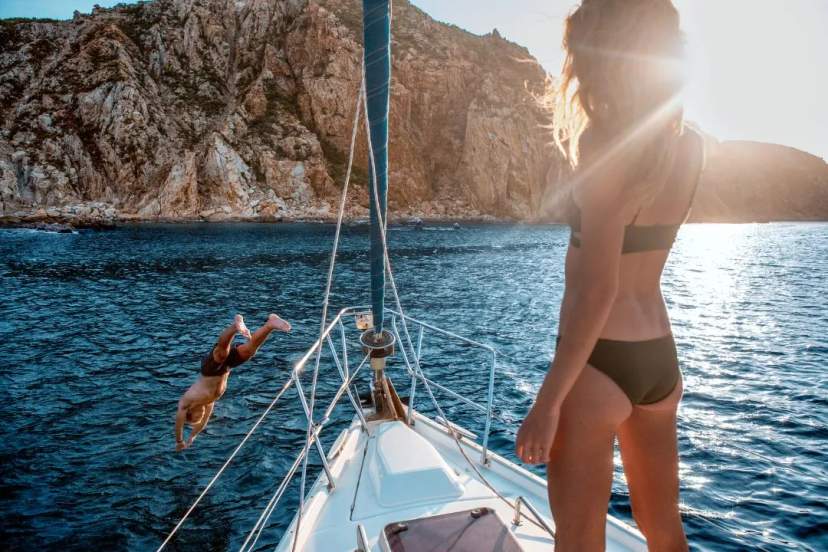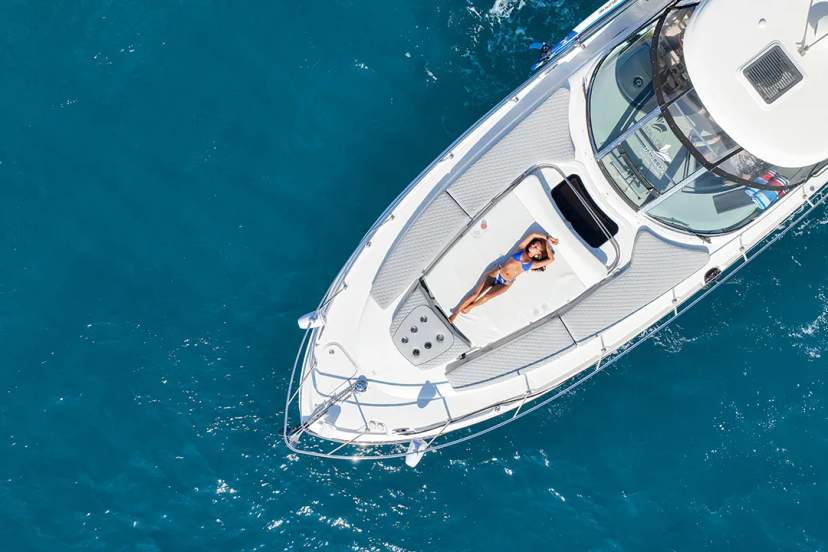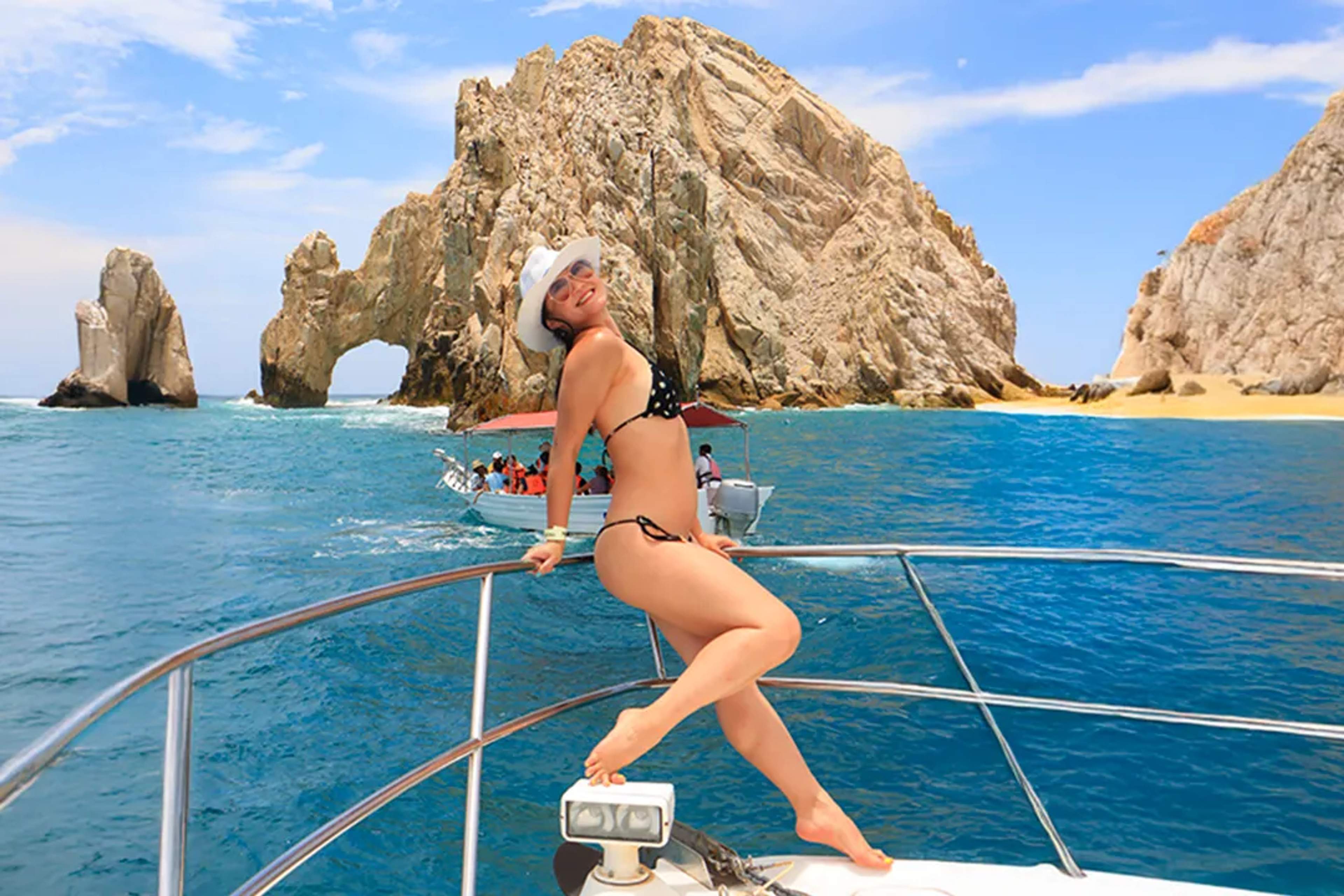
Most visitors to Cabo San Lucas spend their time in the Marina district, along Médano Beach, or exploring downtown Cabo. All of that is worthwhile: the energy is real, the food is excellent, and the sunsets over the Pacific Ocean deliver every time. But some of the most spectacular places to visit near Cabo San Lucas, the ones that tend to show up in the photos people actually frame, sit just offshore. A few are accessible only by water, and others are simply better when you arrive by boat.
That's not a limitation. It's what helps keep these places looking the way they do.
From the granite arch at Land's End to a 20,000-year-old reef on the East Cape, the top day trips share one trait: getting on the water is what unlocks them. This guide covers each destination on its own terms, what it actually looks like, what you can do there, and how to reach it.
Land's End, the Arch, and Lover's Beach
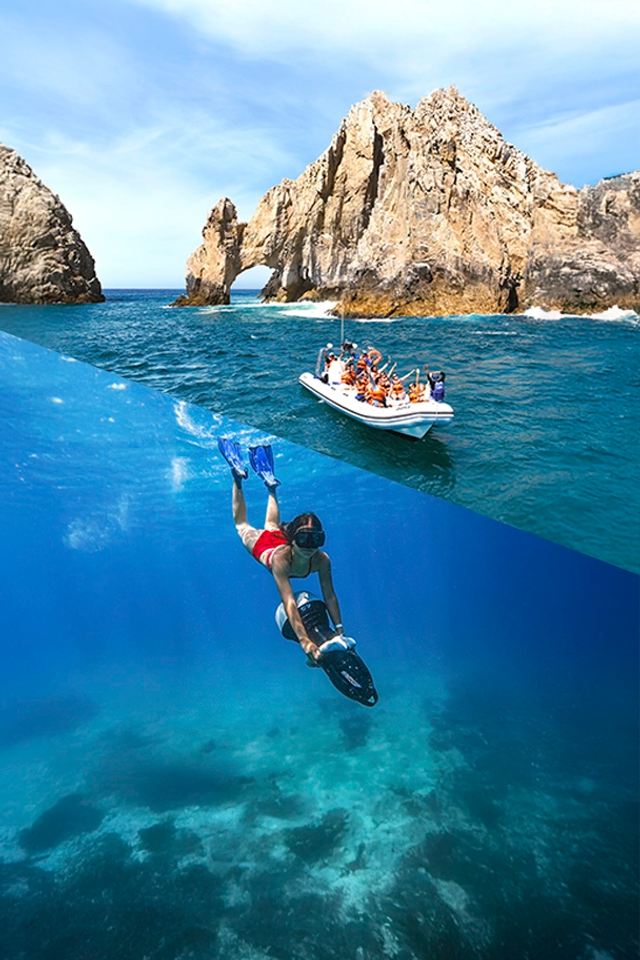
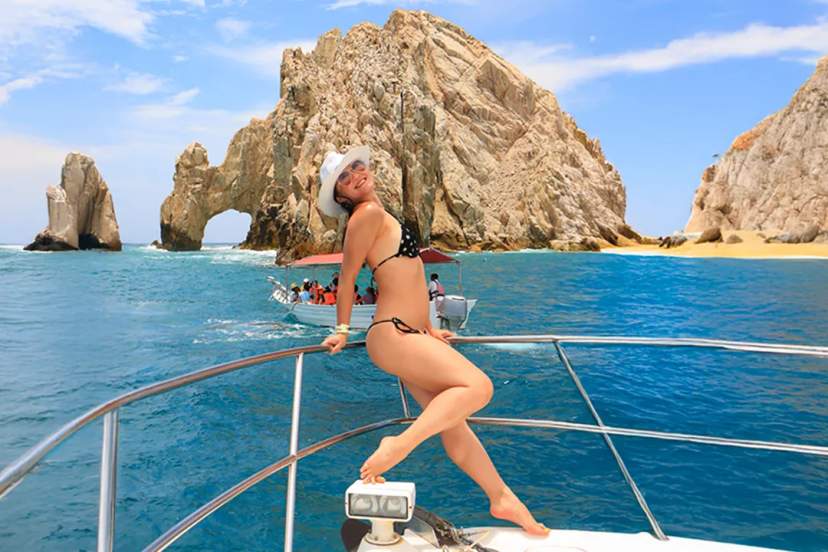
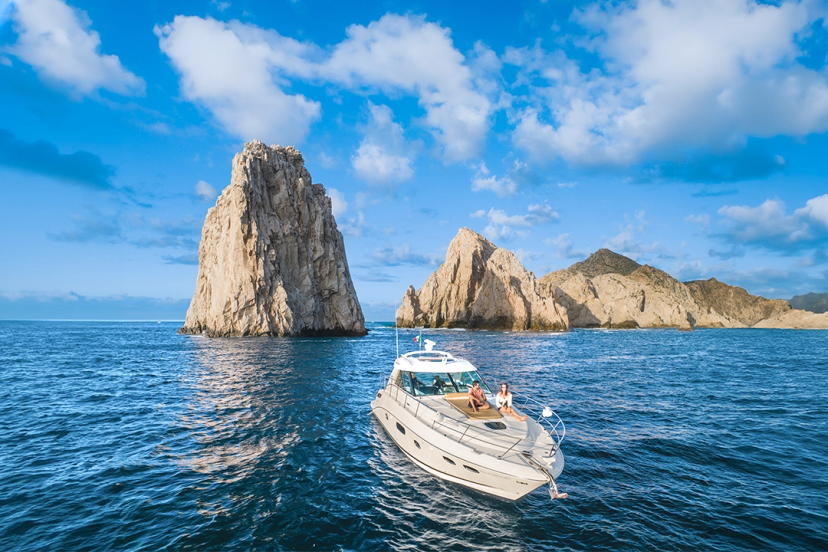
The Arch of Cabo San Lucas sits at the very tip of the Baja California Peninsula, where desert terrain ends in a dramatic collision of granite and ocean. This is Land's End, a stretch of cliffs at the exact point where the Sea of Cortez meets the Pacific Ocean. El Arco, the jagged natural arch at its center, is the landmark nearly every first-time visitor comes to see.

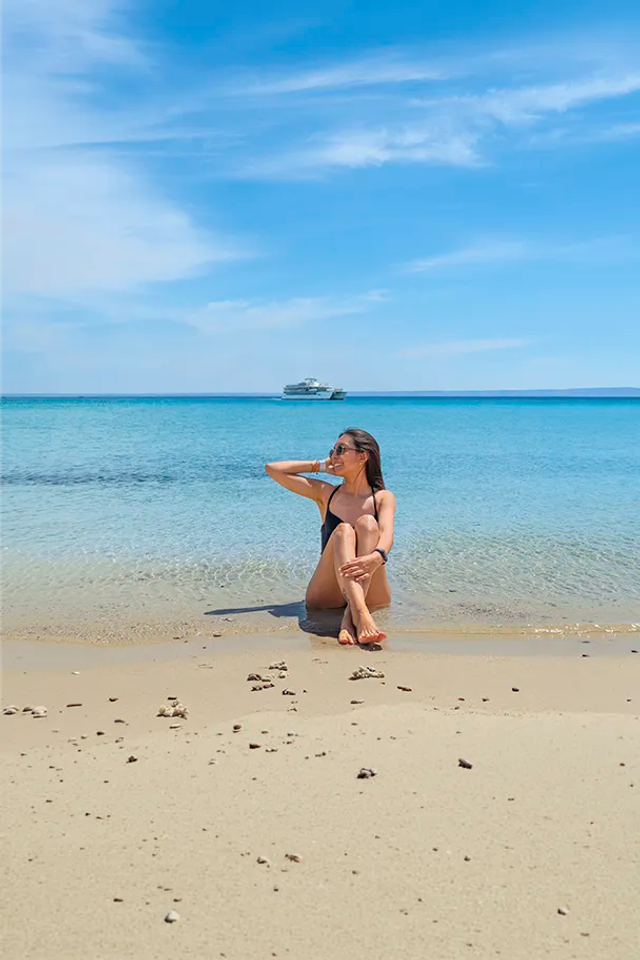
Two beaches occupy either side of the rocky promontory, and they couldn't be more different. Lover's Beach (Playa del Amor) faces the Sea of Cortez: calm water, protected, and usually swimmable, with powdery sand and turquoise shallows. Walk through a gap in the rocks and everything changes. Divorce Beach faces the Pacific Ocean with pounding surf, deep blue water, and dramatically eroded cliffs. It's stunning to look at, but the currents make it unsafe for swimming. Two fundamentally different oceans, separated by a short walk.
The sea lion colony adds another layer. Sea lions haul out on the sun-warmed granite, resting between fishing expeditions, barking, piled on top of one another. Pelicans share the same rocks. This is what brought people to Cabo in the first place.
Land's End is not walkable. The same granite cliffs that make it so visually striking also make it physically unreachable by land: no road, no trail, no path from town. That isolation is also why it stays pristine despite sitting minutes from a major resort area.
The quickest way to see it is by speedboat. The Cabo Snorkel & Land's End Arch tour is ideal when you want big scenery fast: it cruises by the Arch, with views of Lover's Beach and the sea lion colony, before anchoring at Chileno Bay for snorkeling among sea turtles, surgeonfish, and rays. Underwater sea scooters, kayaks, and paddleboards are included, packed into three hours that work well for families with younger kids or travelers with a tight schedule.
The Snorkeling Bays of the Los Cabos Corridor
Between Cabo San Lucas and San José del Cabo, a coastal corridor holds some of the best snorkeling water in Baja. Chileno Bay, Santa María Bay, and Palmilla Beach sit within protected marine waters where rocky formations and coral habitat support a concentration of marine life that rivals destinations twice as far away.
Each bay has its own character. Chileno Bay features a soft sand bottom with gentle entry, the most accessible for all ages, and the holder of Blue Flag certification. Santa María Bay forms a horseshoe-shaped cove framed by volcanic rock, which creates habitat for diverse fish species and eels in its coarser, rockier environment. Palmilla Beach, also Blue Flag certified, offers a protected cove with reliably calm conditions suited to first-time snorkelers.
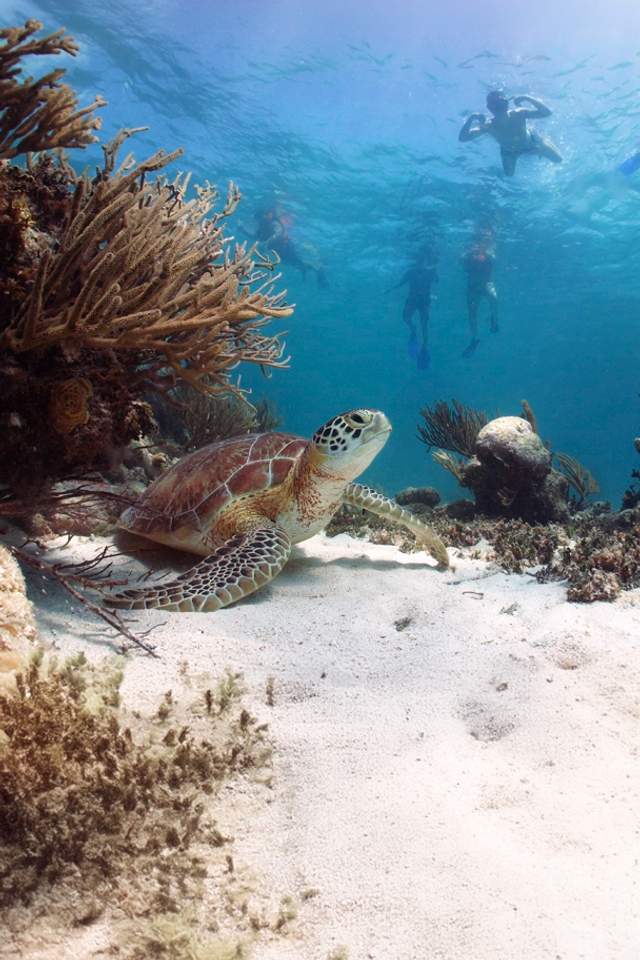
What's in the water makes these bays worth the trip. You'll often spot sea turtles, rays, angelfish, parrotfish, Moorish idol, pufferfish, and the occasional octopus tucked into coral and rock. Water temps in the corridor range from about 70°F to 85°F year-round with crystal-clear visibility on the best days.
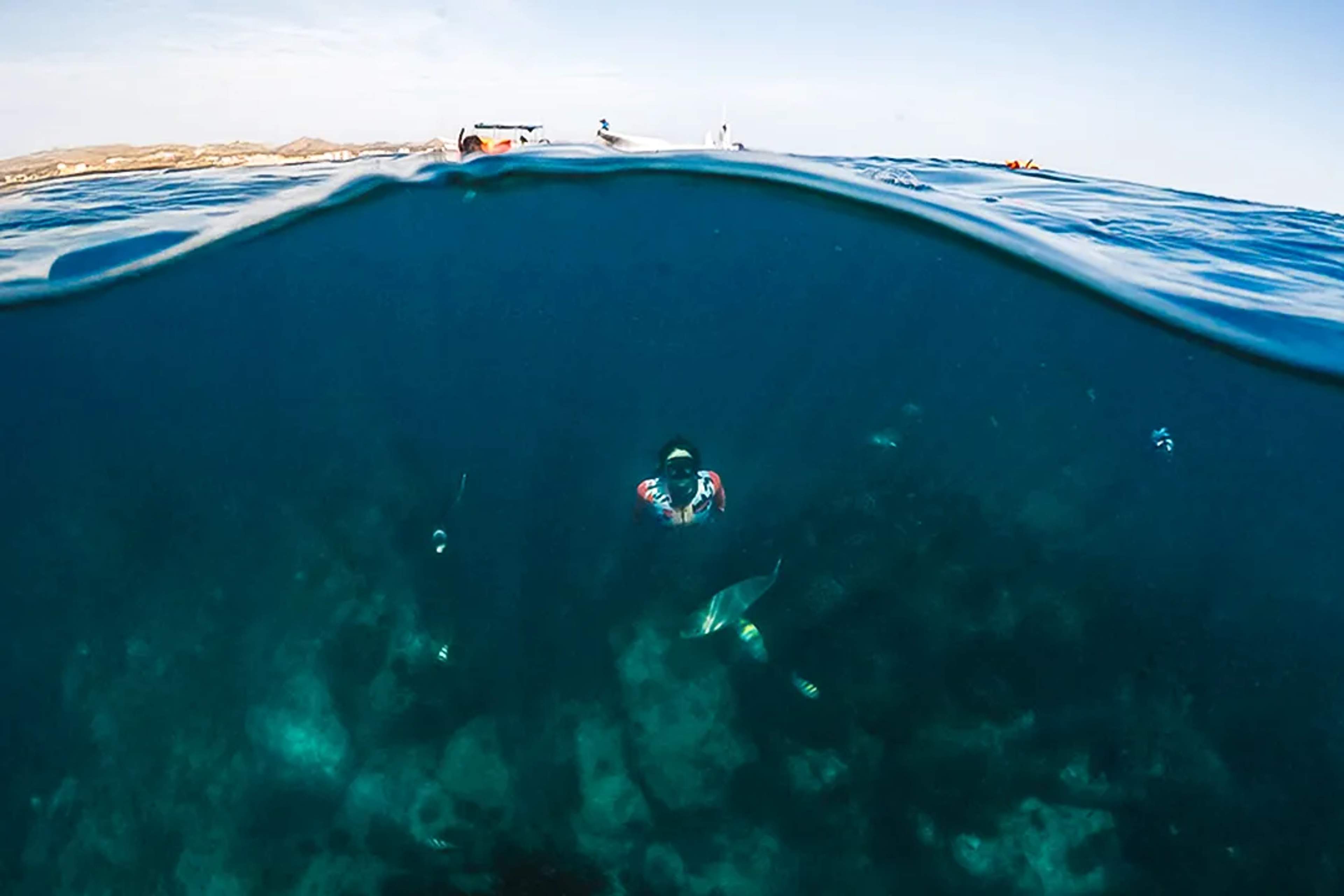
While these bays can be reached by car, boat access puts snorkelers directly at the most productive reef areas without a long surface swim from shore. By water, the bays are five minutes apart, which means you can snorkel two in a single morning rather than dealing with parking and gear logistics at each.
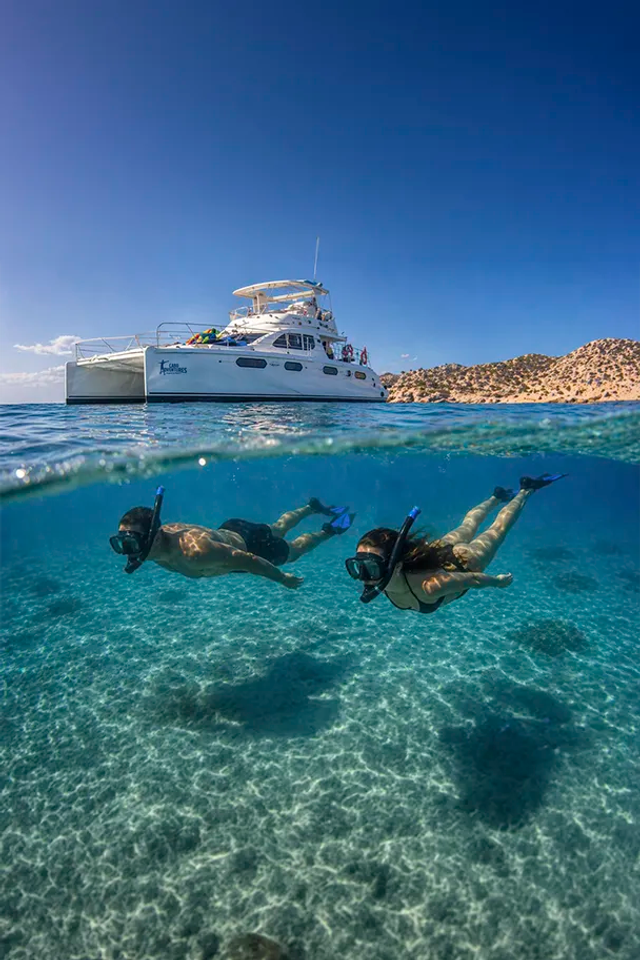
A full morning on the water aboard a stable, double-deck catamaran is what the Luxury Two-Bay Snorkel offers. Guides select the best two snorkeling spots each day based on current conditions, so you end up where visibility and marine activity are strongest.
The four-hour trip includes an open bar, bento box lunch, and paddleboarding between snorkeling stops, all on a French-made Leopard Catamaran that also cruises by the Arch and offers views of Lover's Beach on the way.
Balandra Bay and La Paz
Balandra Bay is one of the most striking shorelines in all of Mexico, a protected natural area near La Paz where shallow turquoise water mirrors the sky over white sand, framed by desert hills and home to the iconic mushroom-shaped rock formation known as El Hongo. It's routinely ranked among the most beautiful beaches in the country and the world, and it's easy to see why once you're standing in the shallows.
Balandra's waters stay remarkably shallow at low tide, warm and calm enough for families, yet surrounded by the kind of raw coastal scenery that few developed beaches can match. The bay sits within a protected zone, which means no beachfront development, no vendors, and no motorized watercraft inside the cove. What you get instead is a pristine stretch of coastline operating on nature's terms.
The route to Balandra also passes through prime wildlife territory. A stop at the San Rafaelito sea lion colony puts snorkelers in the water alongside sea lions that approach on their own terms, one of the most memorable Baja wildlife moments of any trip. Gaviota Beach adds a second stop with protected waters ideal for kayaking and swimming.
Dolphin sightings are common during the crossing. In winter months, humpback and gray whales pass through these waters as breeding and calving grounds, and seasonal whale shark encounters allow swimmers to enter the water alongside them.
Getting there requires a genuine commitment: a two-hour drive north to La Paz, then a catamaran cruise along the coast to the bay. Among day trips from Cabo San Lucas, this is the one that feels most like leaving civilization behind.
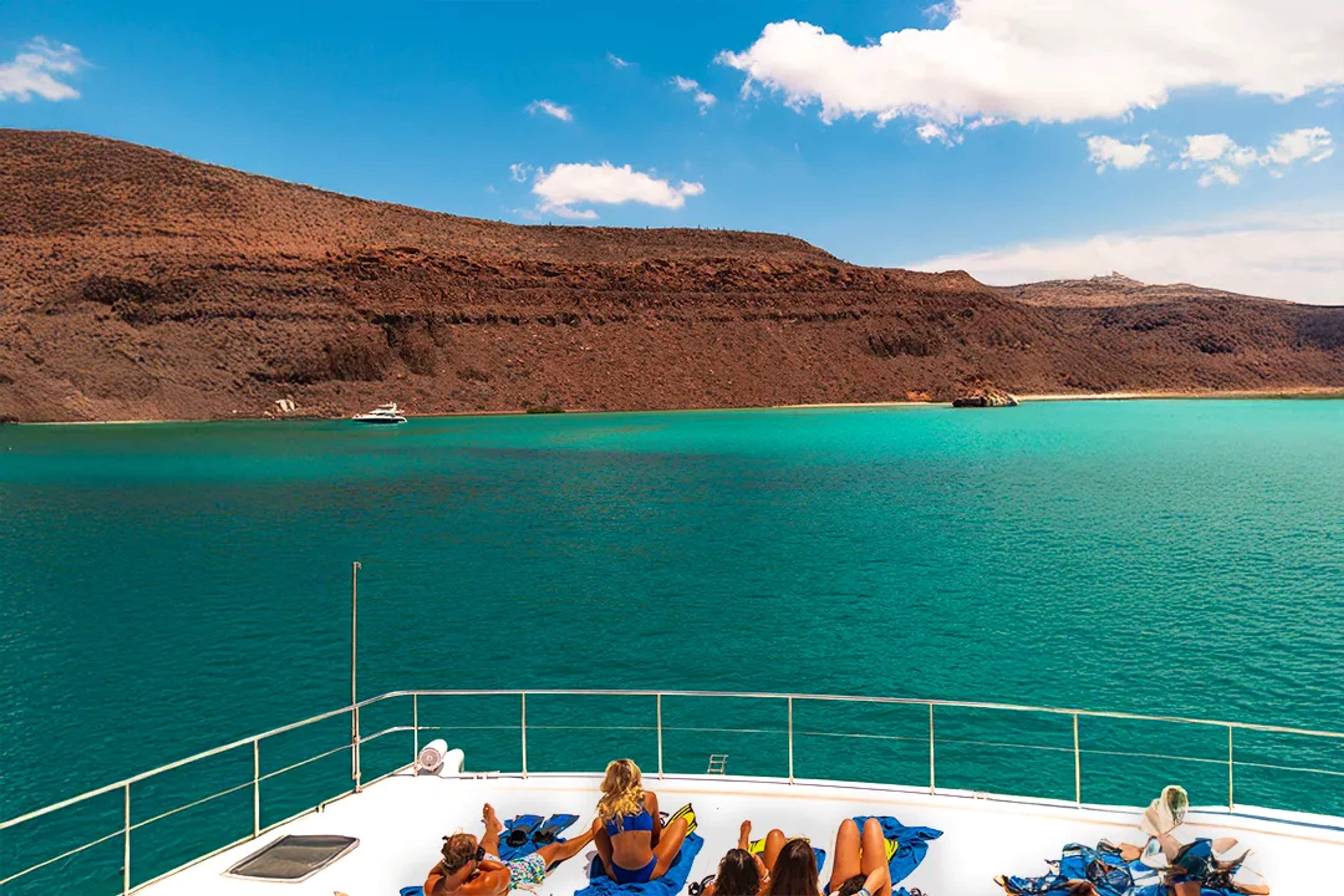
The Balandra Beach & Snorkeling La Paz tour makes that commitment count with a full-day expedition aboard a luxury French catamaran. Bilingual guides share the region's ecology and conservation story throughout the day. Activities include snorkeling at multiple sites, kayaking to hidden coves, swimming with sea lions at San Rafaelito, and time on the sand at Balandra itself.
A light breakfast, freshly prepared Mexican lunch, and an unlimited open bar are served onboard. On the return journey, the route passes through Todos Santos, a coastal town honored as a Pueblo Mágico for its historic charm and artistic character. A $20 USD per person national park entrance fee applies separately, and the minimum age is 5.
Cabo Pulmo, North America's Living Coral Reef
Cabo Pulmo park sits on the remote East Cape, about a two-hour drive from Cabo San Lucas by road. It's home to something genuinely rare: a 20,000-year-old reef, one of only three reefs in North America and the last living coral reef in the Eastern Pacific.
The reef's story makes it more than a snorkeling destination. By the 1980s, overfishing had devastated the ecosystem. When local fishermen were given diving equipment to survey their own waters, what they saw was alarming: anchor scars, overturned coral heads, and very few fish. Their response changed everything. In the early 1990s, the community chose to establish a marine reserve. By 1995, a fishing ban protected most of a 27-square-mile area. The fishermen themselves became the primary enforcers, transforming from extractors to protectors.
The results, documented by Scripps Institution of Oceanography, are staggering: a fish biomass increase of 463% over ten years and a predator biomass jump of 1,070%, including sharks and large grouper. Marine biologists consider it one of the most successful reserve recoveries ever documented.
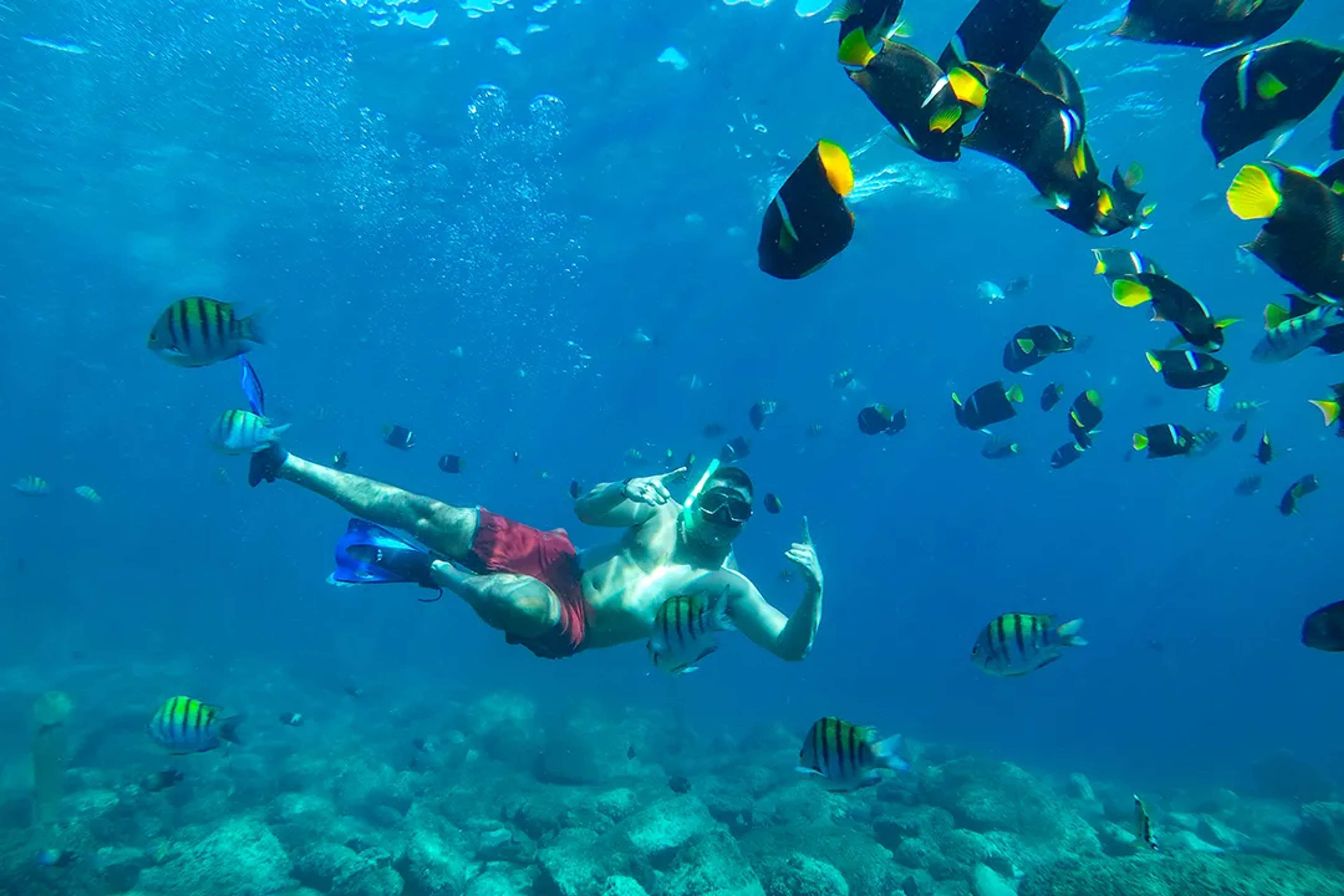
That recovery is visible the moment you enter the water. Where the Corridor bays offer excellent tropical fish diversity along rocky reef, Cabo Pulmo delivers something categorically different: massive schooling fish aggregations, large groupers, bull sharks, rays, and sea turtles in concentrations five times greater than unprotected Sea of Cortez sites.
The underwater spectacle here, including the "fish tornados" of bigeye trevally that can rise nearly to the surface, is what draws underwater photographers back again and again. If you want to see what a fully recovered reef looks like, Cabo Pulmo is the reference point.
The fish tornadoes are one reason the Cabo Pulmo Snorkeling Expedition is such a standout day. This full-day trip includes round-trip air-conditioned van transportation through the East Cape's desert and mountain scenery, multiple guided snorkeling sessions, and lunch at a local Baja-style restaurant.
Practical Planning for a Day on the Water
Timing your trip. Morning departures consistently deliver calmer seas and better light. Afternoon winds and chop tend to build after 1:00 PM, especially along the Corridor bays. The dry season (December through April) also overlaps with whale season.
Meanwhile, warmer water typically shows up in late summer and fall, which can make snorkeling feel more comfortable for longer sessions. If we're picking a shoulder-season window, November conditions often line up nicely before winter wildlife trips ramp up.
What to wear and bring. Sun-protective clothing is the simplest reef-friendly option: think long-sleeve rash guards, a hat for boat time, and sunglasses. If you're unsure what's allowed at a protected site, check current park rules before you go. Secure sandals or water shoes work best on boats (skip the flip-flops for speedboat tours), and bring a light wind layer; boat travel creates wind chill even on warm days. For full-day expeditions to Espíritu Santo or Cabo Pulmo, add a change of clothes, a waterproof camera case, and motion sickness medication if you're sensitive.
The Best of Cabo Is on the Water
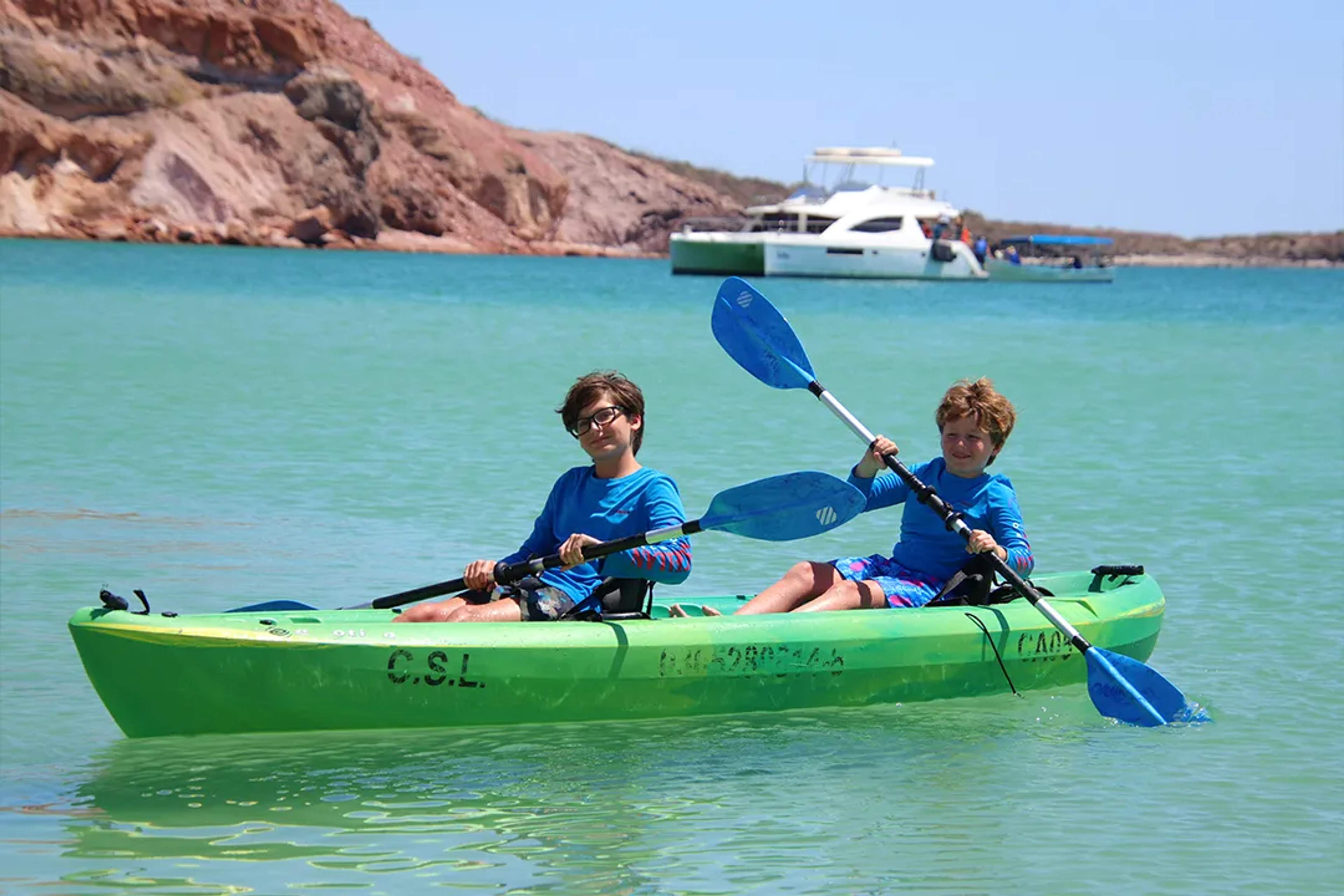
The marina, the restaurants, and the beach clubs are all part of what makes Cabo San Lucas worth visiting. But the places that stay with you longest tend to be the ones you had to take a boat to reach, like a granite arch where two oceans collide, a reef that came back from the brink, or an uninhabited island where sea lions swim alongside you.
These destinations reward the effort of getting there. Availability is limited at the most protected sites, especially during peak season, so if any of these match the trip you're planning, book early and leave room for the water to surprise you.