Cabo Pulmo National Park sits about two hours east of Cabo San Lucas, and the drive alone tells you something is different. The resort corridor fades. The road narrows. By the time you reach the tiny fishing village at the edge of a 20,000-year-old coral reef, you've entered one of the most successful marine conservation stories on the planet.
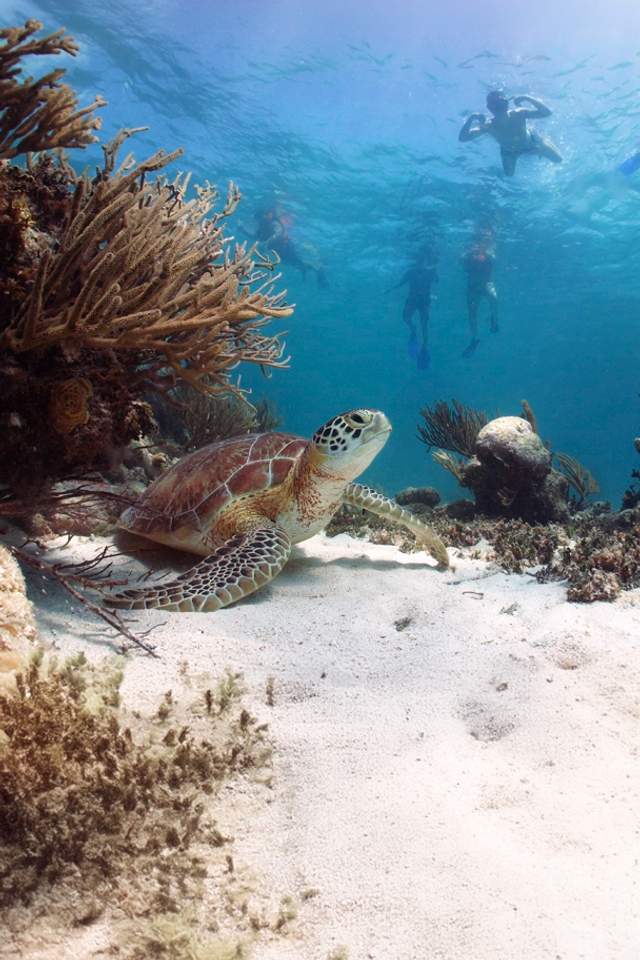
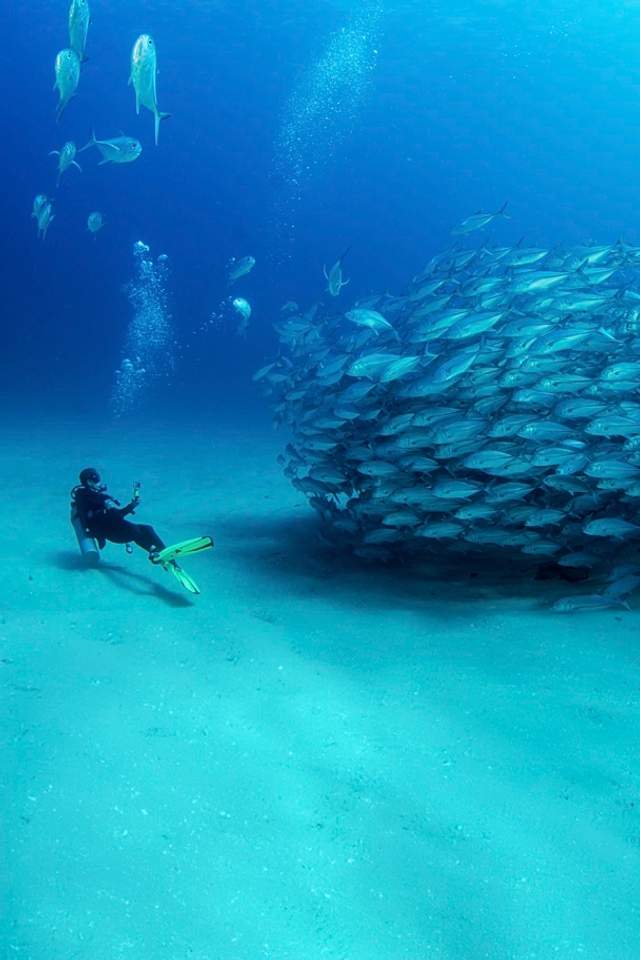
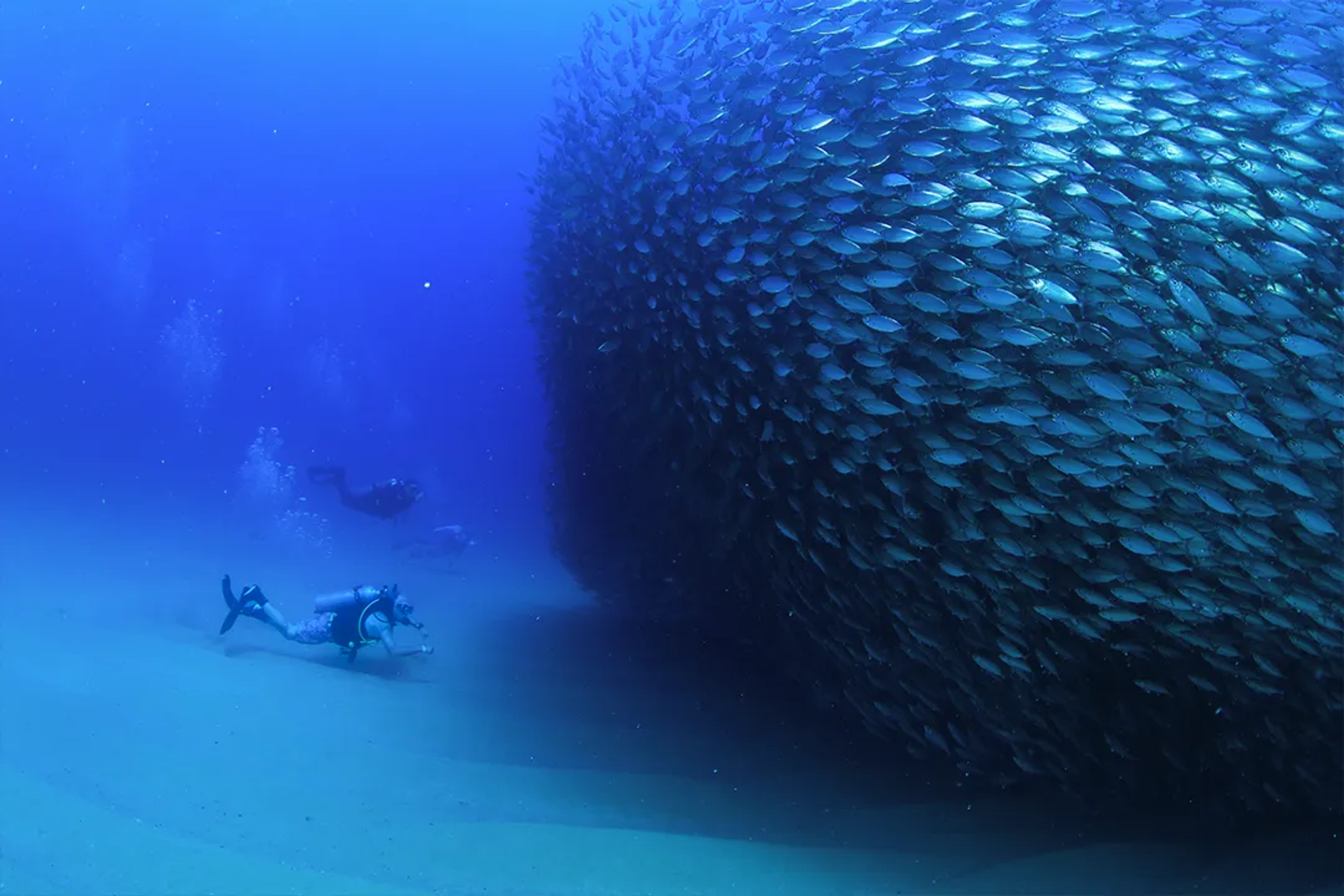
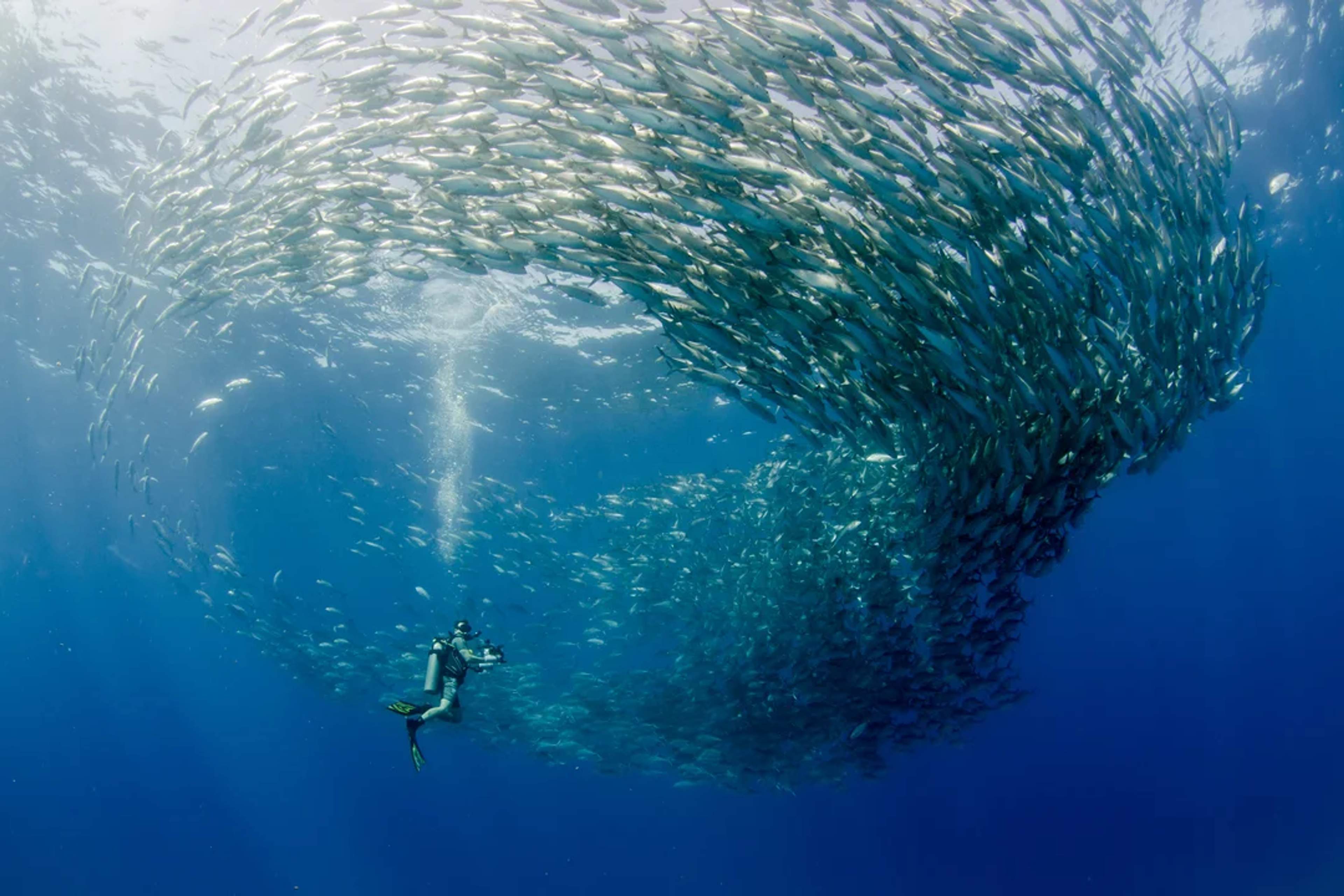
This protected stretch of the Sea of Cortez holds one of only three living coral reefs in North America, sheltering more than 200 fish species, five types of sea turtles, bull sharks, humpback whales, and enormous schools of bigeye jacks that swirl in tornado-like formations visible from the surface.
What made this recovery possible? Two factors working together:
- Cabo Pulmo is a strict "no-take zone", meaning no fishing is allowed anywhere inside the park.
- The local community, led by former fishing families, chose to enforce these rules themselves and transition their economy from extraction to ecotourism.
That decision now generates nearly $8 million annually for the village and funds the ongoing protection of the reef. Every visitor who snorkels, dives, or walks the shoreline here becomes part of that story.
1. Snorkeling Over a 20,000-Year-Old Coral Reef
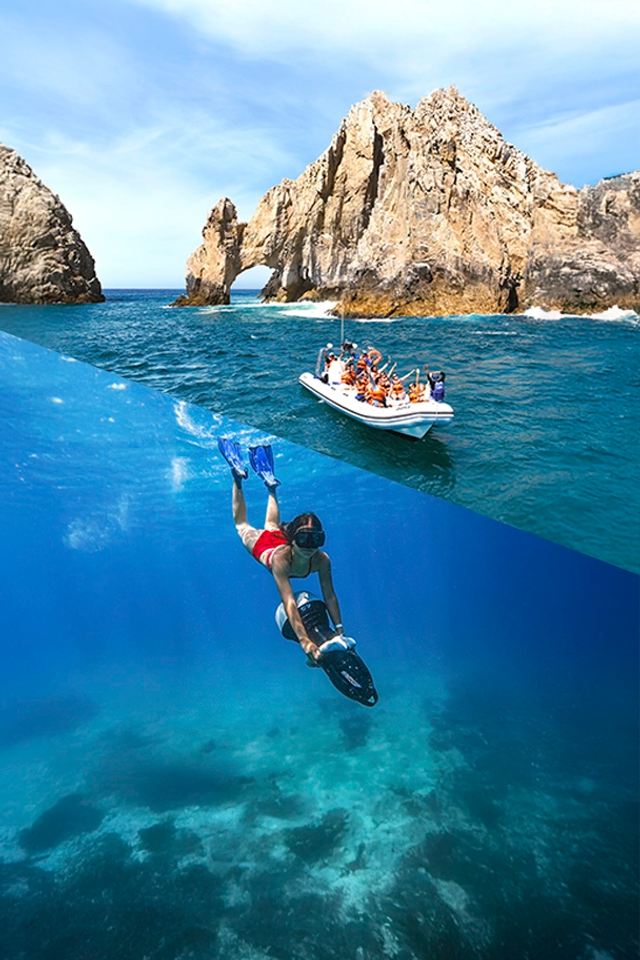
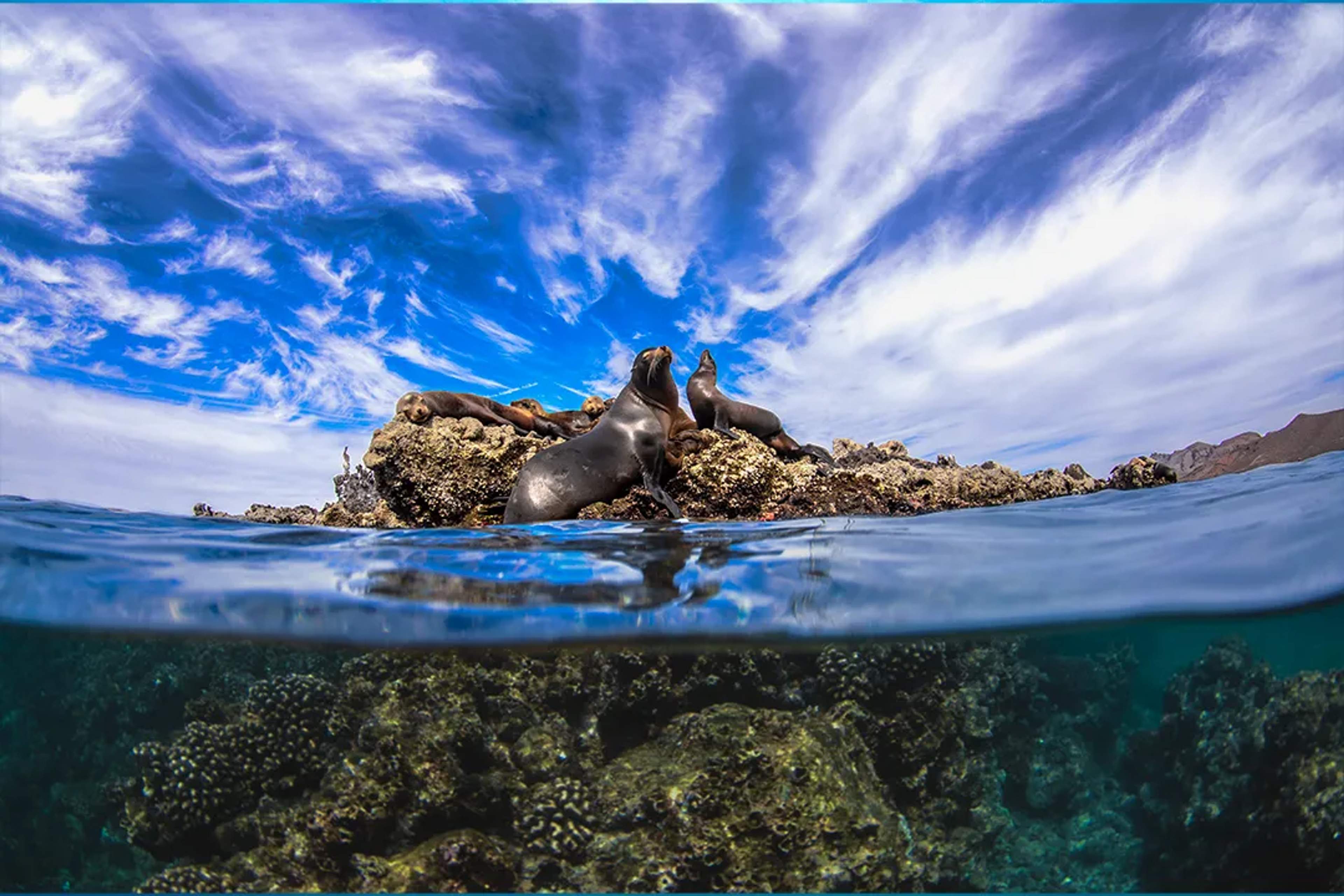
The reef at Cabo Pulmo is ancient, alive, and close to shore. Snorkelers float above coral gardens teeming with parrotfish, angelfish, sea turtles, and manta rays in water so clear the bottom is visible before you even put your face in. Sea lions sometimes swim through mid-session, circling snorkelers with obvious curiosity.
Park regulations require all snorkelers to wear flotation vests, which doubles as a built-in safety measure for kids and less confident swimmers. This makes Cabo Pulmo a strong choice for families.
For a full-day guided trip with gear, transportation, and a Baja-style lunch included, the Cabo Pulmo Snorkeling Expedition covers the park's top reef sites with expert guides who identify species in real time.

2. Scuba Diving Named Dive Sites
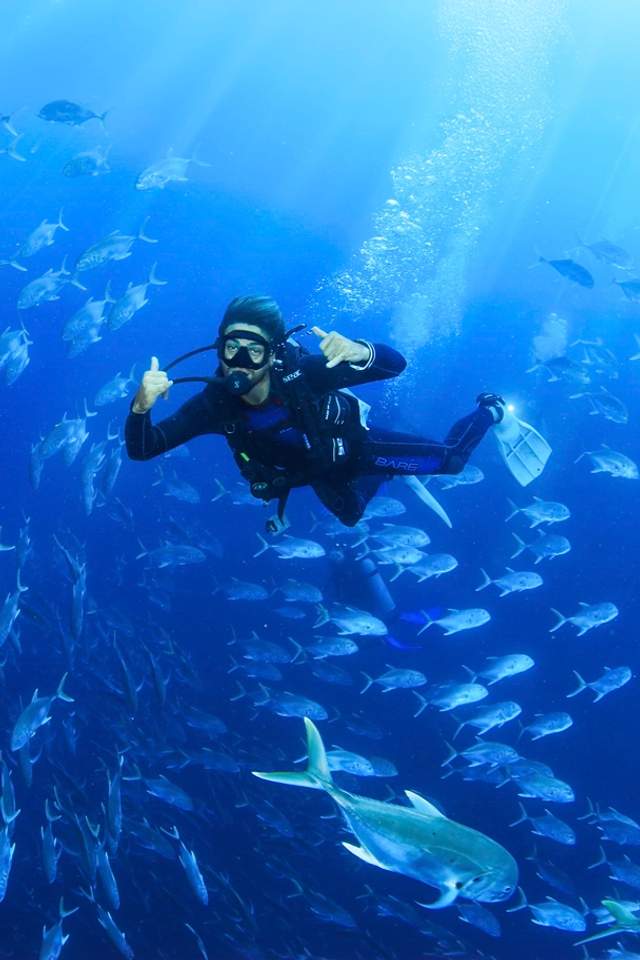
Cabo Pulmo consistently ranks among the world's top dive destinations. The park rotates access across its dive sites, each offering distinct encounters. El Bajo is known for hammerhead shark sightings during peak season, while Los Morros draws massive schools of bigeye jacks moving in coordinated tornado formations. The shipwreck El Vencedor draws bull sharks, especially during cooler months when they move into shallower, more accessible depths.
Dive time is capped at 45 minutes per session, and certain sites like El Vencedor have monthly visitor limits. Once that cap is reached, the site closes for the remainder of the month.
The Cabo Pulmo Diving Tour is an eight-hour trip with PADI-certified bilingual guides, two dives at different sites, lunch at a local restaurant, and round-trip transportation from Los Cabos in an air-conditioned van.
3. Kayaking and Paddleboarding at Dawn
Morning kayaking offers a clearer contrast to the underwater outing. Between December and April, humpback whales pass through the bay, and paddlers have reported mother-calf pairs surfacing within close range during the calm hours between sunrise and mid-morning.
Rental kayaks are available on the beach, with routes to Mermaid Beach and a sea lion colony. When afternoon winds pick up in the main bay, Los Frailes beach provides a calmer alternative for paddling.
4. Watching Bull Sharks Return to the Reef
Bull sharks were fished out of these waters before the park was created. Their return is one of the clearest signs that the ecosystem is working again. Present for much of the year, they become most accessible to divers from December through March, when cooler water temperatures bring them into shallower zones with better visibility.
Certified divers visiting during this window have a strong chance of seeing them, particularly at the El Vencedor wreck site.
5. Spotting Tornado Schools of Bigeye Jacks
Thousands of bigeye jacks schooling in tight, rotating formations are the visual signature of Cabo Pulmo. These "tornado schools" form primarily at Los Morros and peak in September through November, when water visibility also reaches its best: 60 to 100 feet. The spectacle is visible to both divers and snorkelers, depending on depth and site conditions.
6. Seasonal Whale Watching
Humpback whales migrate to the waters around Cabo Pulmo from December through April to breed and give birth. During winter reef dives, their songs are audible underwater even when the animals aren't visible, a detail that surprises many visitors.
Mobula rays add another layer to the seasonal calendar. From late April through July, large aggregations perform their distinctive leaping behavior at the surface, visible from kayaks and boats alike.
7. Swimming Near Sea Lions
A sea lion colony occupies a rocky headland about 20 minutes by boat from the village. In the water, sea lions are playful and surprisingly agile, often approaching snorkelers and divers with apparent curiosity. They circle, mimic movements, and occasionally blow bubbles at close range.
The colony is most active and accessible from September through May. During June through August, breeding season restrictions limit access to protect mothers and pups.
8. Bird Watching Across Three Habitats
Cabo Pulmo's mix of desert, coastline, and mangrove creates habitat variety that supports an unusually broad range of species for such a small area. Frigatebirds soar over the reef, herons wade in the shallows, ospreys dive for fish, and the Xantus's hummingbird, found only in Baja California, flickers through the desert scrub.
Early mornings and late afternoons are ideal. The estuary areas and inland trails offer the quietest viewing conditions.
9. Tide Pool Exploration
At low tide, rocky sections of the shoreline reveal natural pools filled with sea urchins, tiny crabs, anemones, and darting fish. This is a hands-on way to connect with the coastal ecosystem without getting in the water.
Bring water shoes and move slowly. Early morning low tides offer the best conditions and the smallest crowds. For families with young children, tide pooling is often the most engaging activity of the trip.
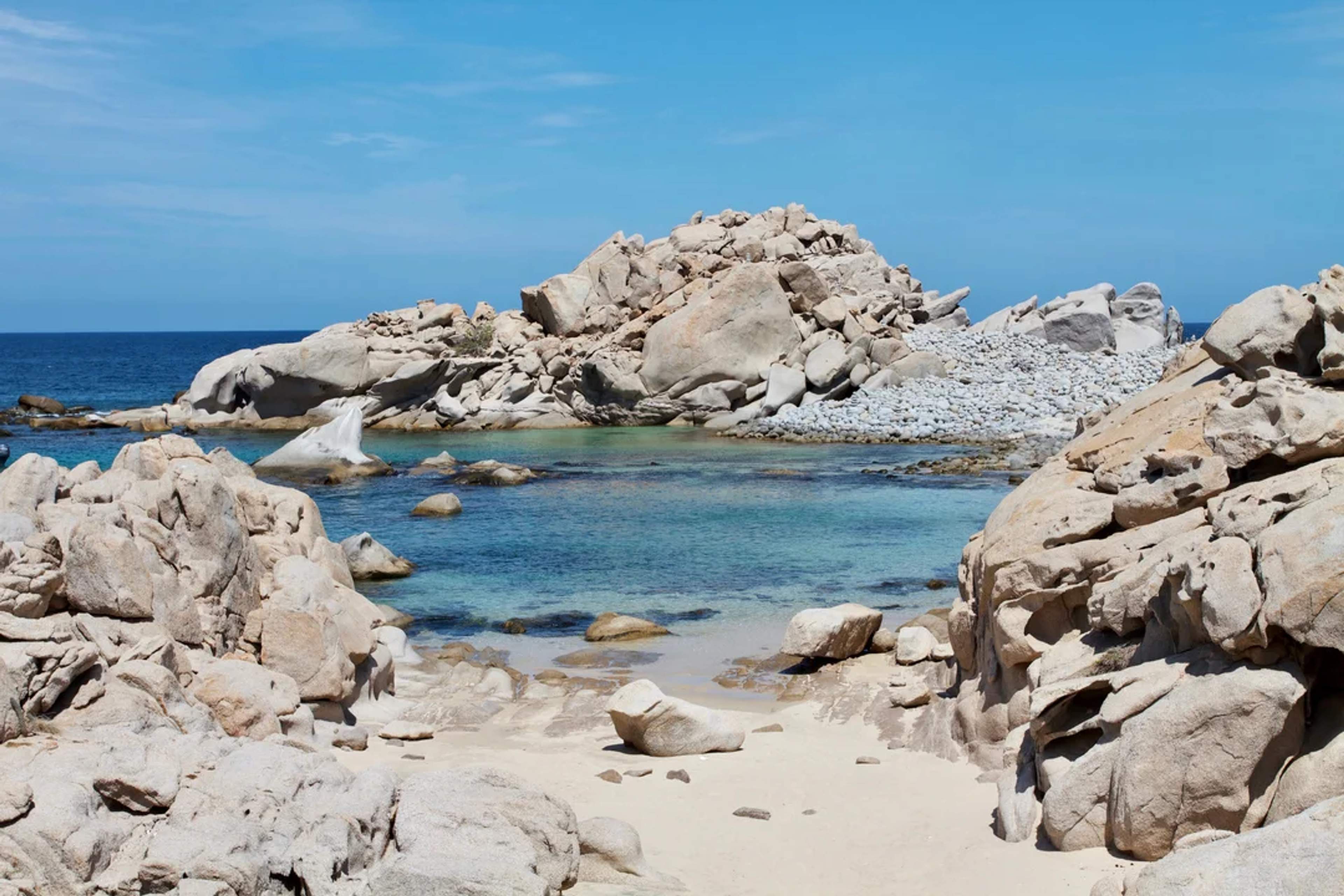
10. Walking the Low-Tide Trail to Las Sirenas
One of the most distinctive hikes at Cabo Pulmo is only accessible when the tide cooperates. The shoreline route from Los Arbolitos beach to Las Sirenas is walkable at low tide and ends at dramatically eroded rock formations described as resembling eerie wax sculptures. Las Sirenas is also reachable by boat, but walking the route adds a sense of discovery that a boat ride can't replicate.
Check tide tables before setting out. This is a there-and-back route, and timing matters.
11. Desert Hiking Through Granite Canyons
More than 15 miles of interconnecting loop trails wind through the desert terrain surrounding the village. The landscape is Sonoran Desert at its most dramatic: granite crags, scrubby desert flora, and coastal views that open up at ridge points.
Start early. Heat builds fast after mid-morning, and the trails offer little shade. The reward is seeing the same landscape the Castro family has walked for three generations, long before the reef became famous.
12. Stargazing on the East Cape
The East Cape sits far enough from the resort corridor's light pollution to offer genuinely dark skies. The conditions around Cabo Pulmo are among the best on the peninsula. On clear nights, the zodiacal light and the full arc of the Milky Way are visible to the naked eye. No telescope required.
13. Mountain Biking Desert Trails
The same trail network used by hikers is also open to mountain bikes, with rental and guide service available in the village. The terrain mixes sandy washes, rocky single track, and ridge routes with ocean views. It's a way to cover more ground than hiking allows while still staying connected to the desert landscape.
14. Exploring Nearby East Cape Beaches
Several beaches near Cabo Pulmo offer distinct options worth a short detour:
- Los Frailes is sheltered and calm, good for swimming and paddling when the main bay is windy.
- Los Arbolitos and Las Sirenas are the bookends of the low-tide shoreline walk, both good for swimming.
- Playa Colorada, near La Ribera, features a red-sand bluff reached by walking north at low tide, a landscape unlike anything else in the region.
15. Underwater Photography
The combination of clear water, dense marine life, and dramatic coral formations makes Cabo Pulmo one of the strongest underwater photography locations in the Eastern Pacific. Visibility peaks in September and October at 60 to 100 feet. The tornado jack schools, sea lion encounters, and coral close-ups all produce images that look almost too vivid to be real.
16. Visiting the Community Conservation Center
The Cabo Pulmo National Park Visitors Center sits within the village and tells the story of how a community of former fishers built one of the world's most successful marine reserves. The Castro family, who led the grassroots campaign for park designation in 1995, still lives and works here. Speaking with residents gives a view of conservation that academic papers can't capture.
17. Savoring Local Culture and Cuisine
No trip to Cabo Pulmo is complete without sitting down at one of the village's small restaurants for fresh seafood and regional Baja California Sur flavors. The atmosphere is unhurried and genuine. Dishes reflect what the ocean and desert provide, and the people serving them are often the same families who fought to protect the reef.
Best Time to Visit Cabo Pulmo
Cabo Pulmo rewards visitors in every season, but the wildlife changes month to month:
- September through November: Peak visibility (60–100 ft), tornado jack schools, bull sharks, hammerhead sharks, sea lions. The best overall window for multi-species encounters.
- December through April: Humpback whales (songs audible underwater), bull sharks in shallow water, whale sharks. A brief secondary mobula ray aggregation runs late November through early January. Cooler water and lower visibility, but the megafauna density compensates.
- May through August: Mobula ray aggregations peak late April through July, sea turtle nesting begins in August, warmest water temperatures.
Getting There and Practical Tips
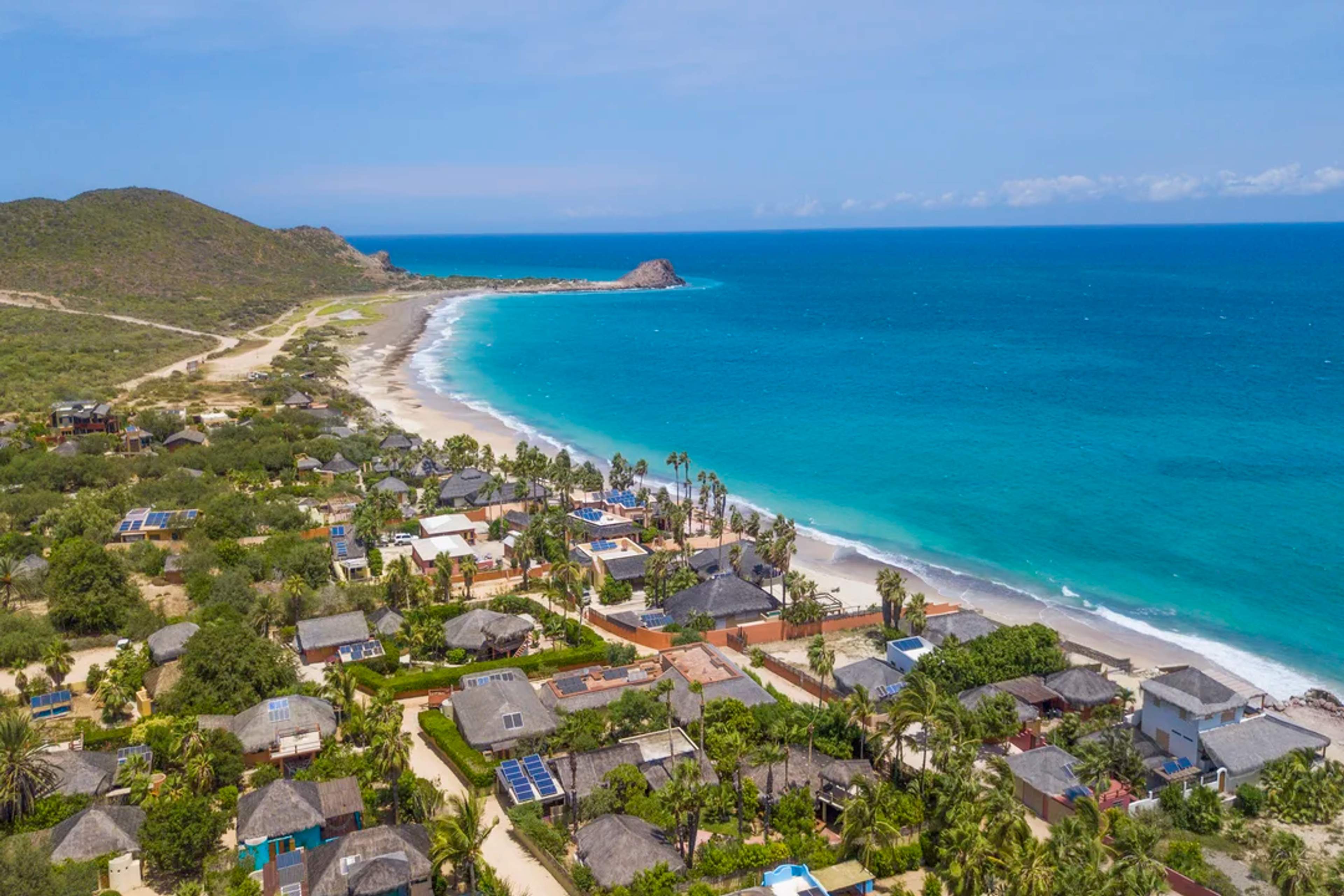
Cabo Pulmo is approximately two hours from Cabo San Lucas and 90 minutes from San José del Cabo. The recommended route follows Highway 1 north to La Ribera, then continues to the park on a paved road. A coastal alternative, Camino Cabo Este, is rougher and better suited to vehicles with higher clearance.
For the easiest experience, the preferred way to visit is by booking the Cabo Pulmo Snorkeling Expedition or the Cabo Pulmo Diving Tour, both of which include convenient hotel pickup and round-trip transportation, so you can skip the drive and logistics entirely.
Plan ahead for these details:
- The park entry fee is $125 MXN per person. Children under 12, seniors, and visitors with disabilities enter free. Students and teachers receive a 50% discount with valid credentials.
- Bring cash in small bills. The village operates almost entirely on a cash economy.
- Stock up on drinking water and snacks before leaving Los Cabos. Options in the village are limited.
- Wear sun-protective clothing. The desert sun is intense, and shade is scarce.
- Drive only in daylight. The road is safe but rural, and nighttime driving adds unnecessary risk.
- Flotation vests are required for all snorkelers inside the park.
Why Cabo Pulmo Is Worth the Drive
Most visitors to Los Cabos never leave the resort corridor. Cabo Pulmo exists because a small community decided their reef was worth more alive than harvested, and three decades later, the results are visible on every dive, every snorkel, every morning kayak through whale-filled waters. The two-hour drive filters out the casual traffic. What remains is a place where the ocean works the way it's supposed to.
Whether you come to dive with bull sharks, float above ancient coral, hike through desert canyons, or simply sit on an empty beach and watch frigatebirds circle, Cabo Pulmo delivers something the resort pools cannot: the feeling of being somewhere that genuinely matters.
Ready to see it for yourself? The Cabo Pulmo Snorkeling Expedition and Cabo Pulmo Diving Tour offer round-trip transportation, expert guides, gear, and meals, so the logistics are handled before you leave your hotel.