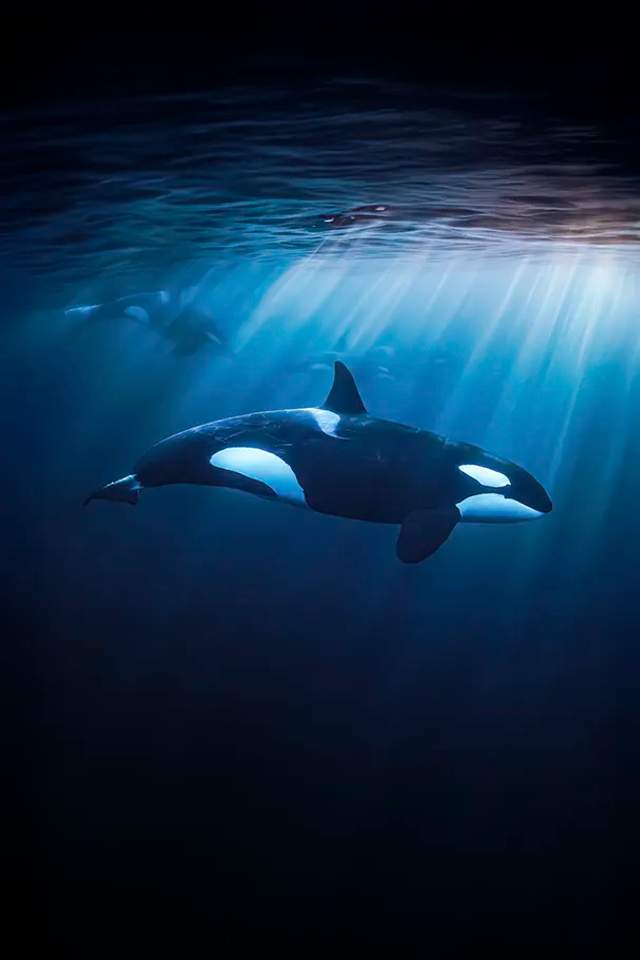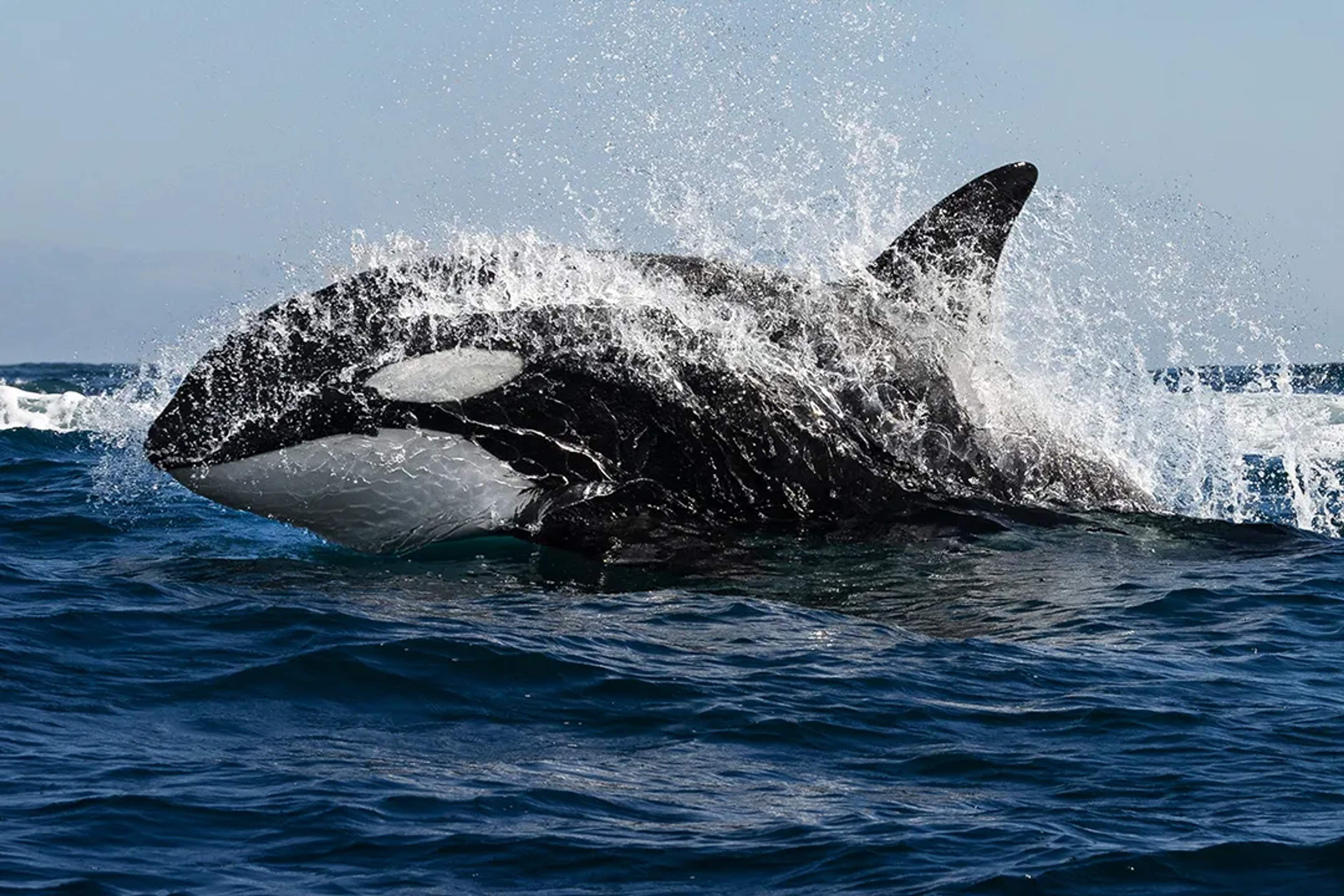
Few wildlife encounters compare to sharing the water with a wild orca pod. Swimming with orcas in Cabo San Lucas takes you well past the marina and resort strip, into waters shaped by migration patterns and new, strict protections.
The experience rewards curiosity and preparation equally. The sections ahead cover the season, the rules now on the books, what to pack, and the small on-boat decisions that turn a long day at sea into something you'll be talking about for years.
Can you really swim with orcas in Cabo San Lucas?
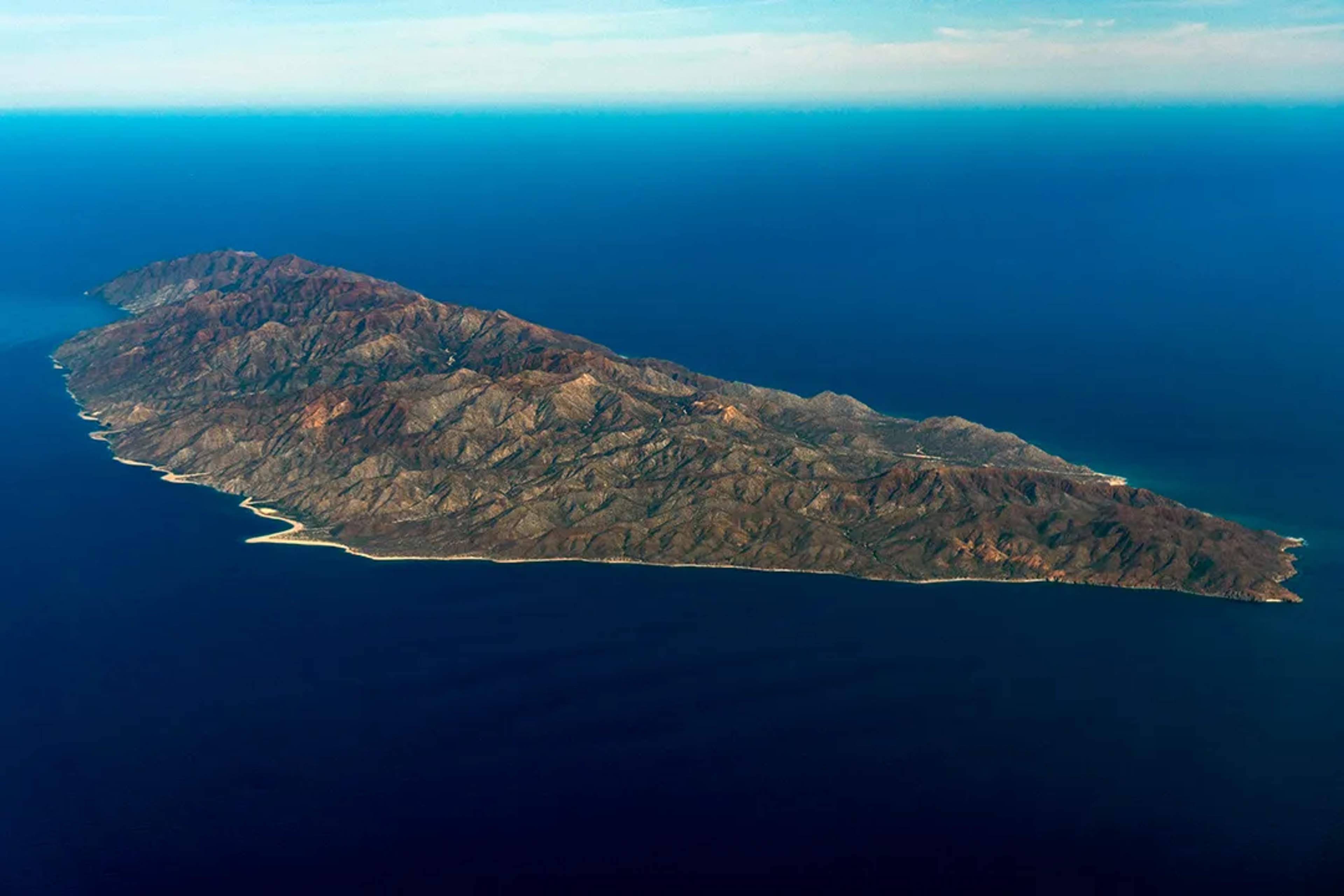
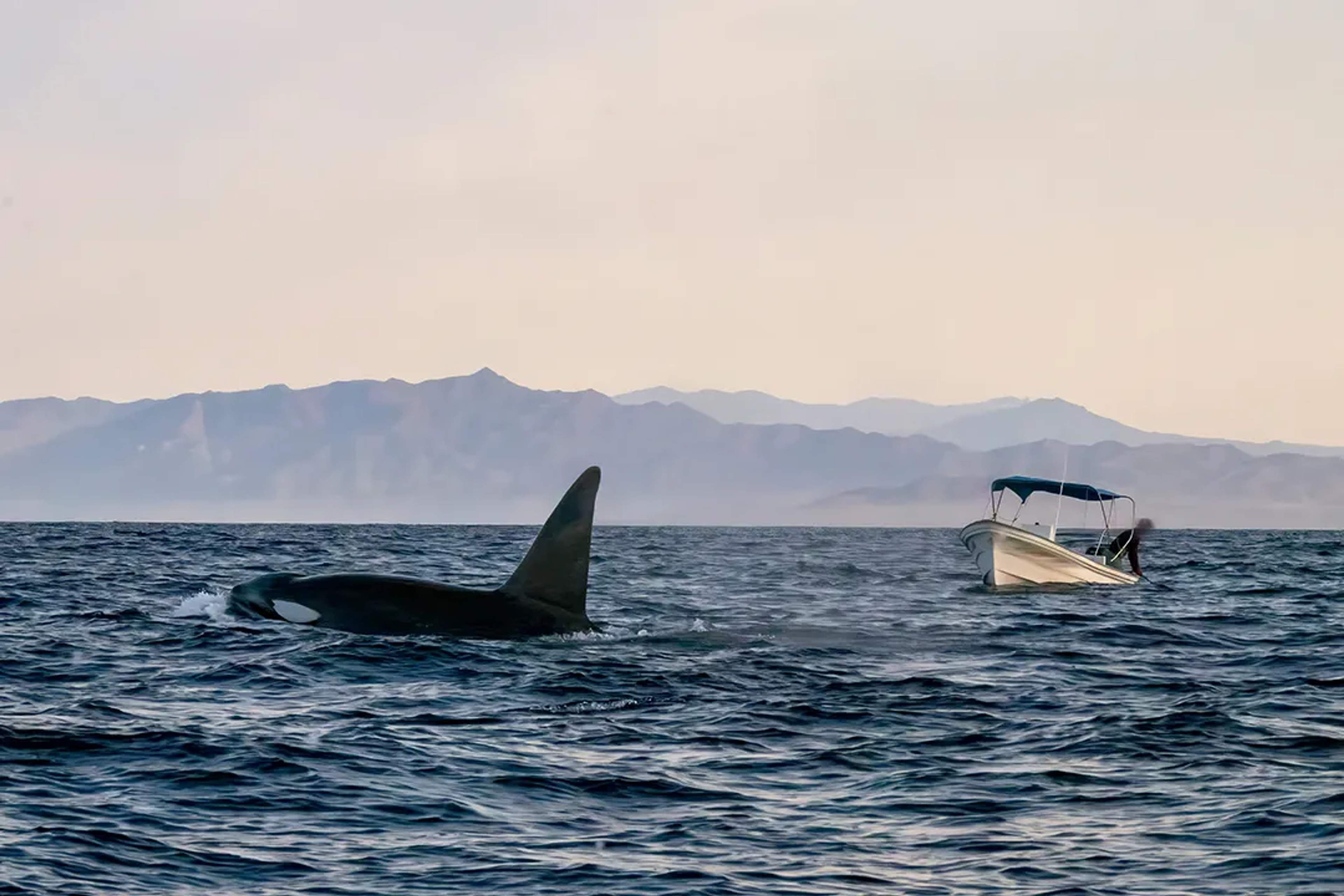
Are there orcas in Cabo San Lucas? Yes, and specialized safaris departing from Cabo can slip into the Sea of Cortez beside wild pods at prime spots like Cerralvo Island and La Ventana. Swimming with orcas in Cabo San Lucas is carefully managed. Baja California Sur introduced formalized regulations in 2025 that limit legal in-water encounters to a specific 110,000-hectare zone off La Ventana.
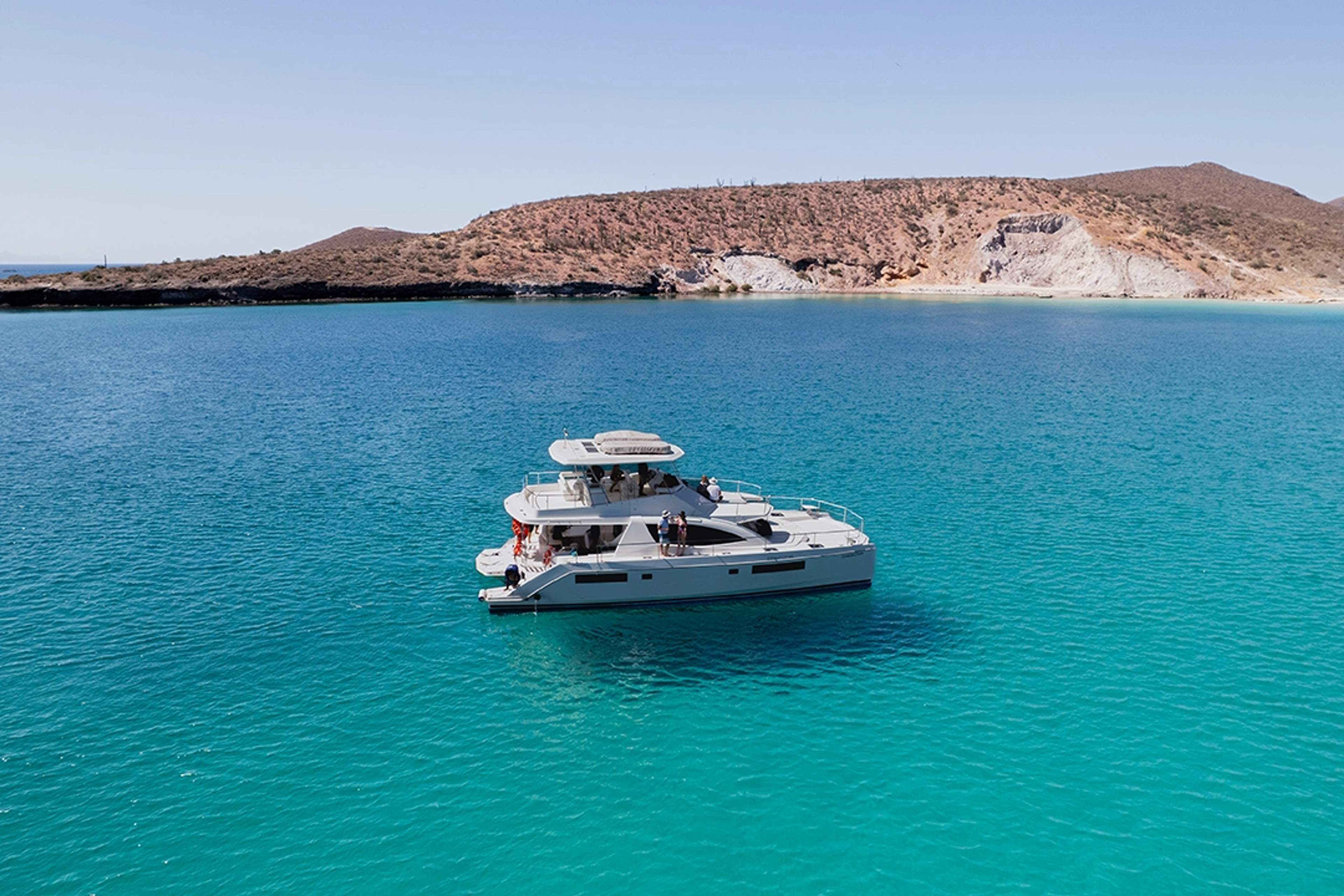
Each licensed vessel may take a limited number of swimmers per guide. The encounters are snorkel-based; no scuba tanks, drones, or motorized gear are allowed. Swimmers only enter the water when the pod appears relaxed; vessels maintain at least 20 meters' distance, and engines remain in neutral if any orcas approach. You maintain a passive, hands-off posture throughout.
Because these are truly wild animals, sightings are never guaranteed. We can't just send them a calendar invite, but these careful practices create the best possible conditions for a meaningful encounter while keeping both you and the orcas safe.
When is whale watching in Cabo San Lucas best for spotting orcas?
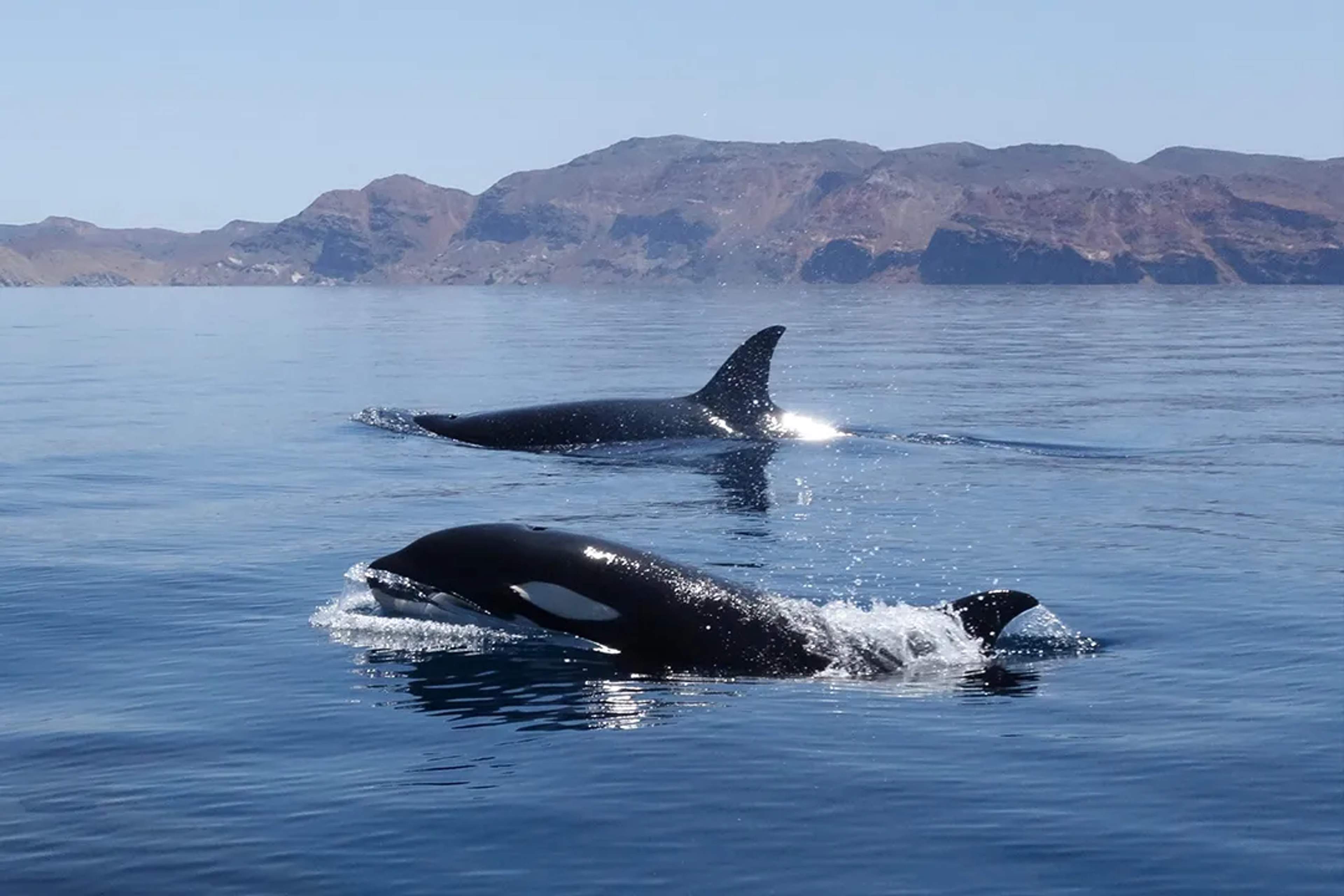
Whale-watching near Cerralvo Island and Isla San Jose is most active from December through mid-April, with the most sightings typically occurring between January and March.
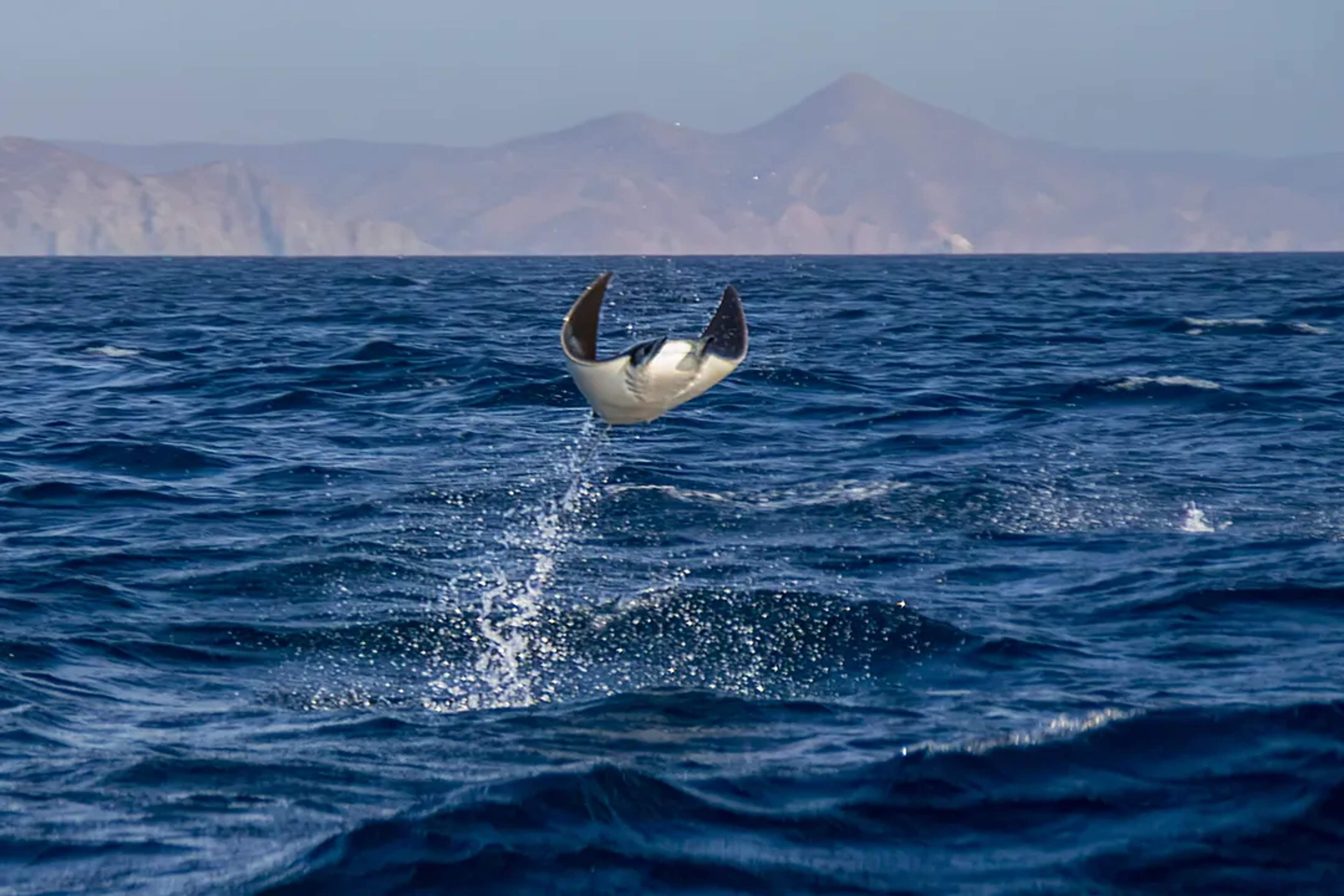
The timing follows nature's schedule. Massive mobula ray aggregations arrive in late spring, bringing tens of thousands of rays that somersault just below the surface. This food source draws hungry orca pods into the Sea of Cortez's clear waters.
Is swimming with orcas safe?
The short answer is yes, but here's why. These apex predators have never attacked a human in the wild, ever. That track record speaks for itself.
What makes this experience safer than most people expect comes down to how we operate. Your vessel carries a limited number of swimmers, and everyone wears proper safety gear as required by Baja California Sur's regulations. We maintain a 20-meter minimum distance, drop engines to neutral when whales approach within 50 meters, and end encounters immediately if any animal shows signs of stress.
The guides on these trips bring extensive marine experience. Safety briefings cover all necessary precautions, while continuous weather monitoring and emergency equipment ensure preparedness. The team follows protocols based on established marine wildlife standards, which protect both participants and marine mammals.
What should I bring for a trip to swim with orcas?
Ocean weather changes fast, and so can your comfort level. Pack smart, and you'll spend the day focused on the marine life, not on soggy clothes or sun-exposed shoulders.
- Swimsuit and quick-dry towel for base layer
- UPF shirt, wide-brim hat, and polarized sunglasses for sun protection
- Light windbreaker for cool morning and evening boat rides
- Non-slip deck shoes or water sandals
- Reusable water bottle
- Waterproof phone case or action camera
- Small dry bag for valuables
- Spare change of clothes
- Motion-sickness remedies (the Sea of Cortez can get choppy)
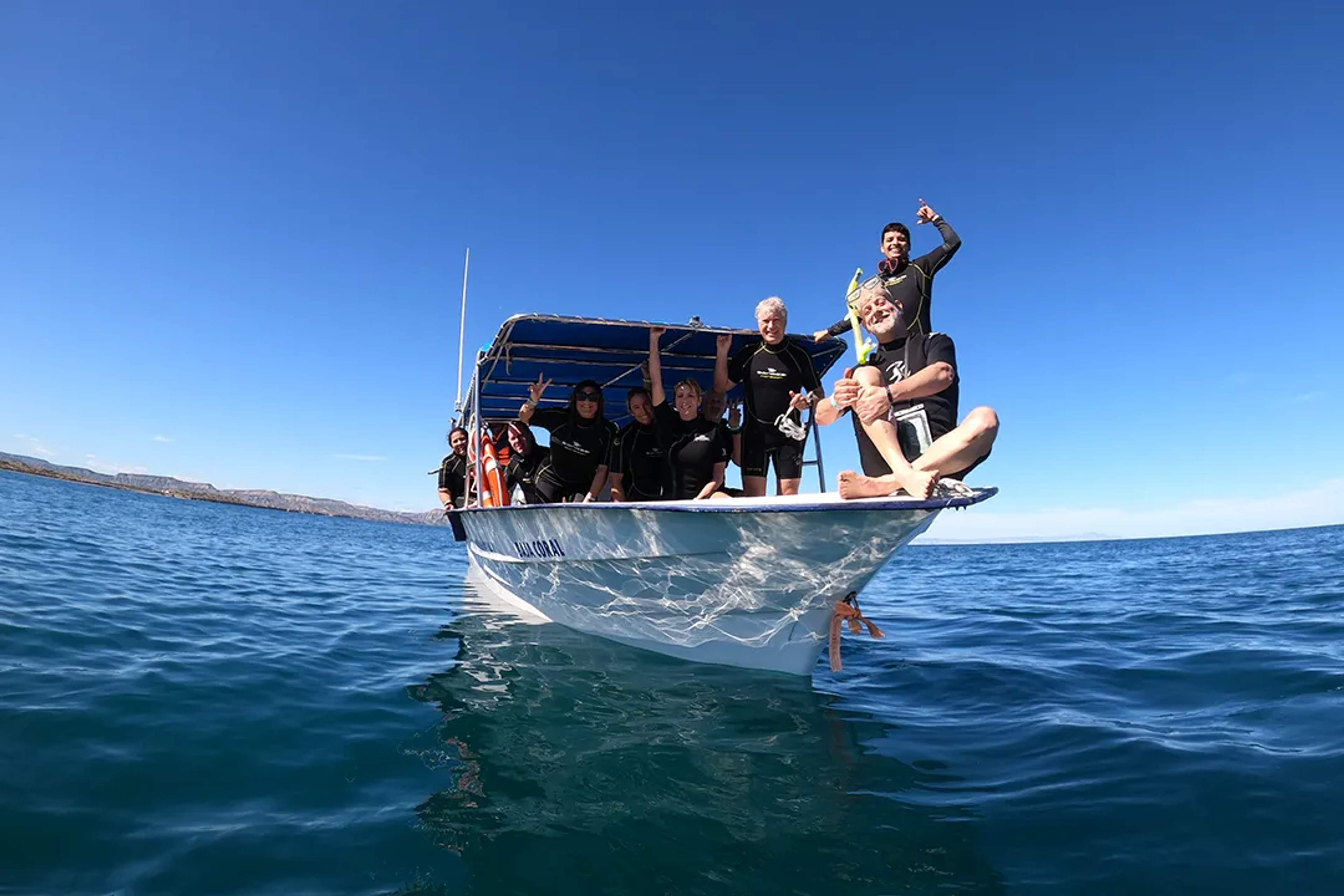
Our team provides the rest: well-fitted snorkel gear, wetsuits, life vests, lunch, and refreshments, so your personal kit can stay lean.
What else can you see besides orcas?
The Sea of Cortez earns its nickname, the "World's Aquarium," the moment you peer over the rail. Warm, plankton-rich currents draw a cast of animals that rivals any nature documentary.
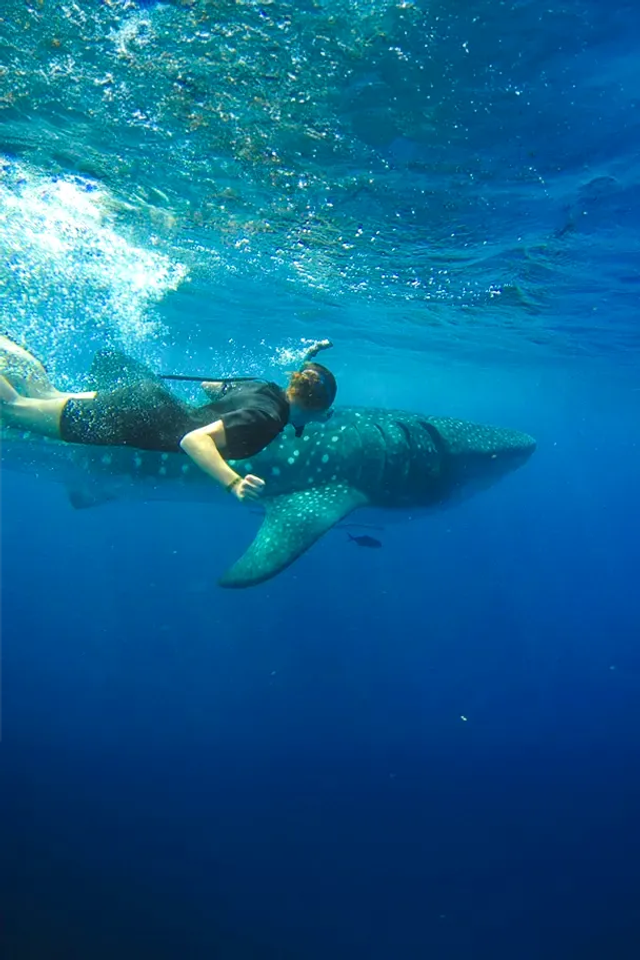
Between March and July, schools of mobula rays burst from the water in what locals call the "marine ballet." These same rays lure hunting pods, but they also share the stage with whale sharks, humpback whales, bottlenose dolphins, and sea lions. The reef fish alone could keep an underwater photographer busy for hours.
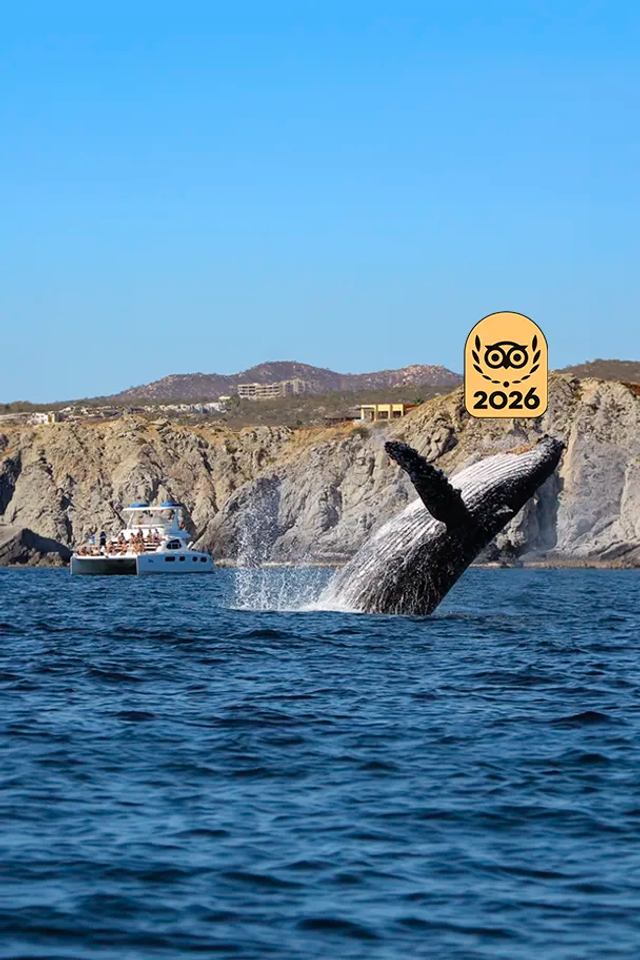
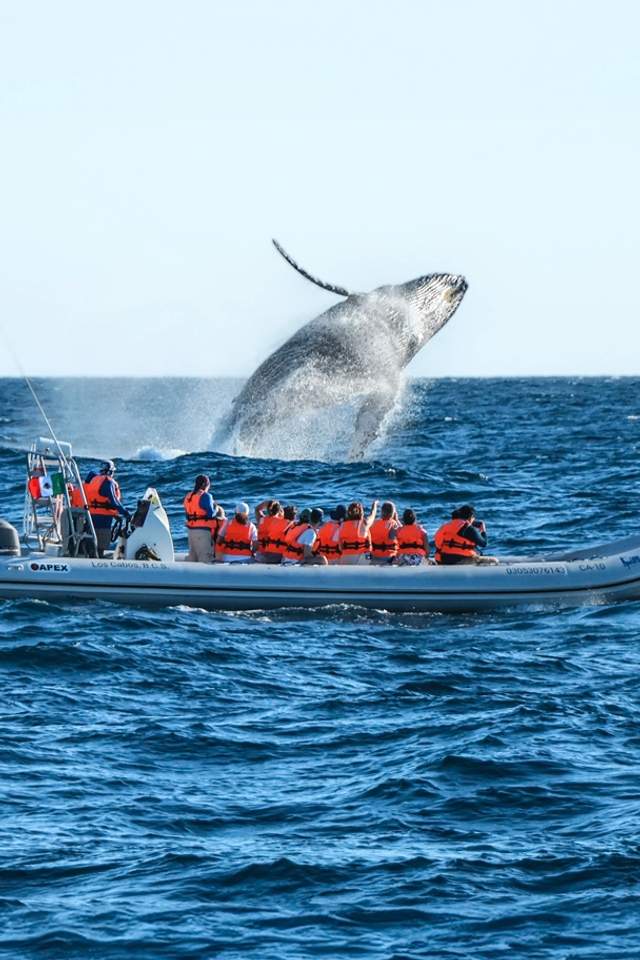
Outside ray season, winter mornings bring humpback whales in Cabo San Lucas breaching close to the boats, while autumn reveals whale shark shadows gliding beneath them. Year-round, frigatebirds and blue-footed boobies wheel overhead. Your guide helps decode these food-web dramas so every splash tells a story about this living ecosystem.
Do you need experience to swim with orcas?
You don't need experience or a dive certification to swim with orcas in the Sea of Cortez. The encounter takes place at the surface, so you'll float comfortably while guides manage depth and distance. We highly recommend basic swimming skills and prior snorkeling experience to make the most of this adventure.
Every trip starts with a quick orientation covering mask fit, fin technique, and the calm movements that keep whales curious rather than cautious. Mexican regulations require each swimmer to wear a life jacket or buoyant wetsuit, and our crew carries extra flotation for anyone wanting more support.
If you can tread water for a few minutes and breathe through a snorkel, you're ready. Guides stay close, reading subtle whale behavior cues to time your entry when the pod is relaxed. Prefer to watch from the deck? The show delivers just as much wonder from the boat.
How close can you get to orcas while swimming?
The whales lead every swim, not us. We slip in only when a pod is calm and social, and the moment they veer away, we pivot back to the boat.
By law, boats stay 20 meters out, and engines drop to neutral within 50 meters under the new regulations. Your guide keeps those lines clear before anyone hits the water.
Once you're adrift, the code is simple: no touching, no chasing, float horizontal. That mirrors the safeguards used by marine viewing guidelines worldwide, and it keeps the pod comfortable.
Respect and curiosity often win with these marine mammals. A matriarch may close the distance on her own, whether she stops three feet away or thirty. The real thrill is watching her choose.
Why are orcas sometimes called killer whales?
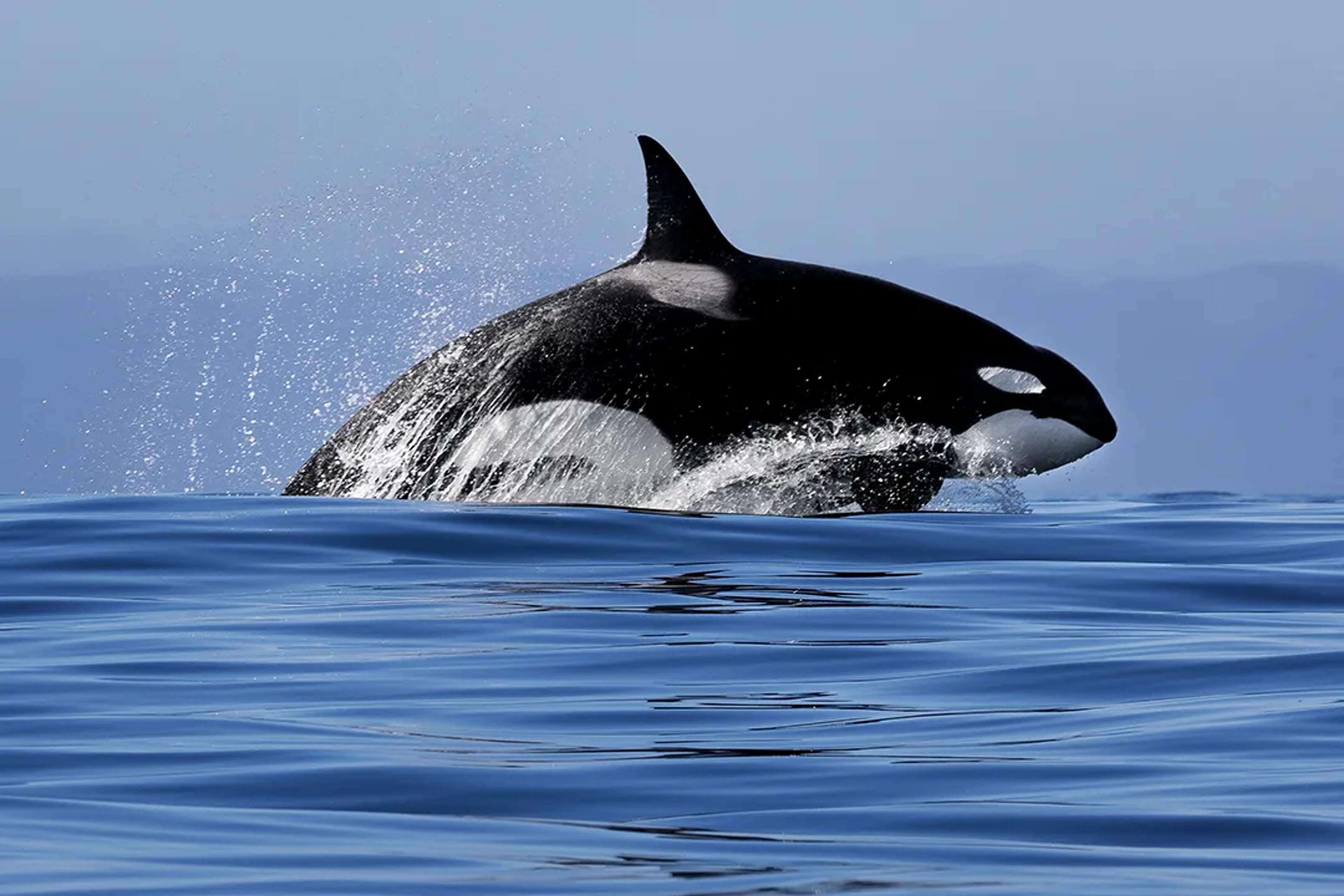
The nickname "killer whale" traces back to early Spanish sailors who watched pods hunt large whales and dubbed them "ballena asesina," whale killer. English-speaking mariners flipped the phrase, and the dramatic label stuck even though it misrepresents the species. In reality, these creatures are the largest members of the dolphin family, not whales.
Modern marine science prefers the term "orcas," a nod to their complex intelligence and family structure. Matrilineal pods use distinct dialects, share hunting tactics, and raise calves cooperatively; teamwork is rare elsewhere in the ocean.
As top hunters, orcas regulate prey populations and keep marine ecosystems in balance. Their black-and-white forms also carry deep significance for Pacific Coast Indigenous nations, who honor them as guardians of the sea.
What's the best way to experience swimming with orcas in Cabo San Lucas?
For a seamless orca-watching day, our Swim with Orcas, Whales & Baja's Ocean Giants expedition provides round-trip transportation from your hotel and expert guidance from bilingual marine specialists. This tour navigates the waters around Isla Cerralvo, where the Sea of Cortez reveals its remarkable biodiversity.
The expedition keeps group sizes small, creating an intimate setting where you can ask questions and receive personalized attention from knowledgeable guides. The focus is on responsible wildlife observation in the animals' natural environment. When safe and authorized, guests may also join a guided in-water experience for a closer look at Baja's marine life.
Our guides share insights about orca behavior, migration patterns, and the delicate ecosystem that supports them. The experience runs during peak whale-watching season (December through mid-April), with flexible scheduling to maximize wildlife-sighting opportunities. Early reservations are recommended, especially during prime whale season.
Plan Your Wild Orca Encounter with Cabo Adventures
Encountering these apex predators in their natural habitat is a rare privilege. Even without a guaranteed sighting, the journey itself, guided by seasoned professionals, enriches your understanding of the marine ecosystem.
To improve your chances, book during peak months and prepare for a full day on the water. This wild encounter deepens your connection to the ocean's most intelligent predators and the fragile system that supports them.
Your participation in responsible tourism directly supports marine conservation efforts, helping ensure future generations can witness these animals in their natural environment. Book your Swim with Orcas, Whales & Baja's Ocean Giants today and prepare to meet the giants of the Sea of Cortez.