Stand at Land's End, and you can watch the Pacific crash against rocks on one side while the Sea of Cortez stays calm enough for snorkeling on the other. That contrast defines Cabo. Two oceans, two towns, two completely different ways to spend your vacation.
This guide breaks down what actually matters: which beaches are safe for swimming, when to visit each town, and how to build an itinerary that balances adventure with recovery time.
When to Visit Cabo San Lucas
December through April delivers mild weather and the region's signature whale watching season, when humpback and gray whales arrive for breeding and calving. This is peak season, so expect higher prices and more crowds.

May and June offer the best balance of value and weather. Winter crowds have left, summer heat hasn't peaked, and you'll find better rates on accommodations.
For the complete breakdown of what each season offers, see our full guide on when to visit Cabo.
Cabo San Lucas vs. San José del Cabo
These two towns sit twenty miles apart but feel like different destinations entirely. Cabo San Lucas brings the party, San José del Cabo brings the art. Understanding this distinction prevents the common mistake of choosing accommodations that don't match your vacation style.
Cabo San Lucas
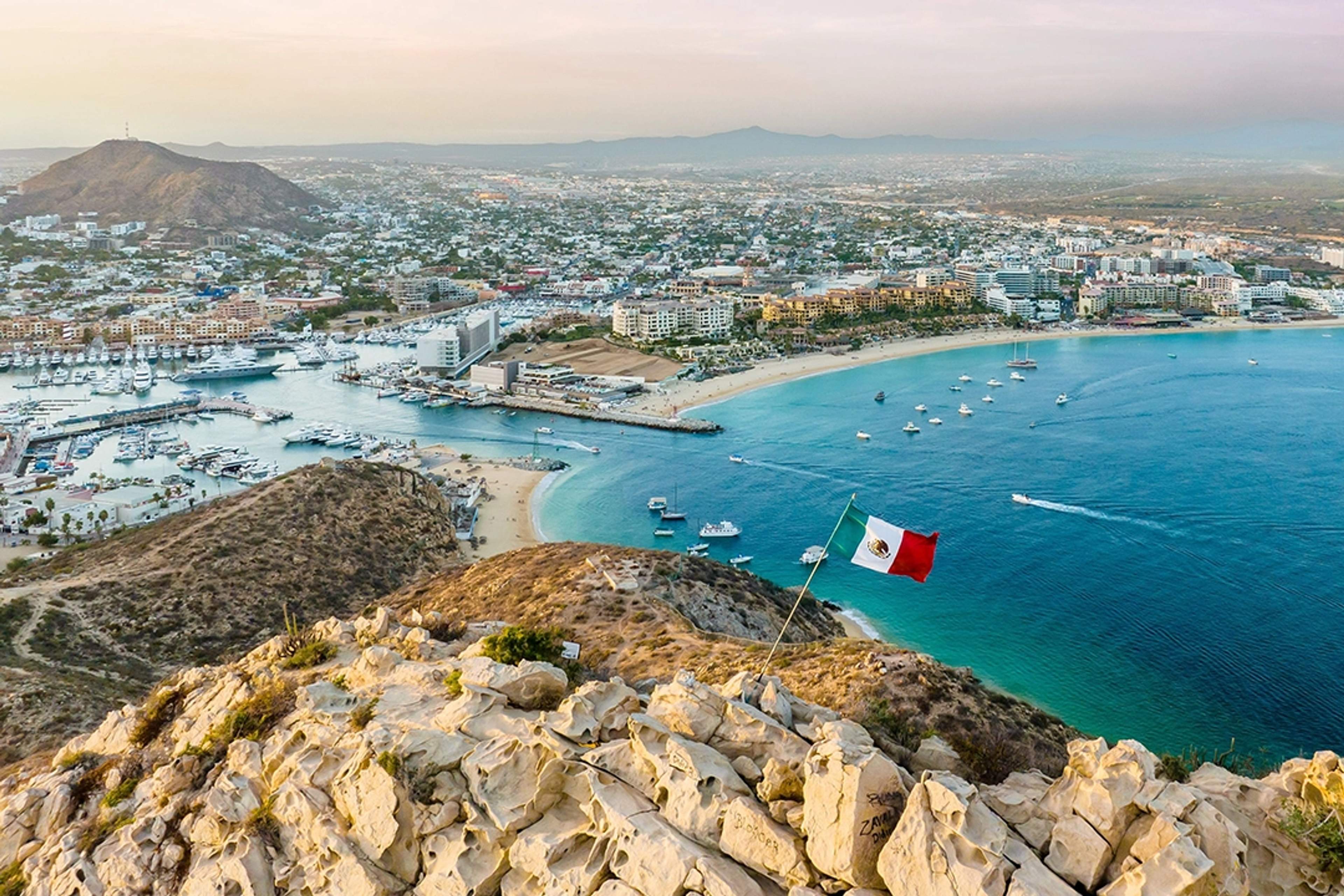
Energy centers around the marina, where downtown streets buzz late into the evening. Restaurants and bars operate with a social, lively atmosphere that defines the town's character.
Medano Beach stretches along the bay with calm swimming conditions, beach clubs, and water sports launching from the sand. Our boats depart from the marina throughout the day, making this the practical base for ocean activities.
The vibe here is unmistakably tourist-focused and high-energy. If you want nightlife, water activities, and a bustling scene, Cabo San Lucas is your base.
San José del Cabo
San José offers something quieter and more rooted in Mexican culture. Colonial architecture lines streets around the historic plaza, and Thursday evening Art Walks (November through June only) transform the district into open galleries with live music and local artists.
The dining scene leans toward farm-to-table preparations and authentic regional cuisine. Beaches near downtown aren't safe for swimming due to strong Pacific currents, but the town's charm comes from its authenticity rather than its beach access.
Choose San José when cultural immersion matters more than nightlife.
The Corridor
The resort zone between both towns presents a third option with premium beachfront properties, beach clubs, and golf courses. Chileno Bay and Santa María Bay sit along this stretch, both holding Blue Flag certifications for water quality and safety. These protected bays offer some of the region's best conditions for families and snorkeling.
Getting Around Without the Hassle
Most visitors rely on airport shuttles, taxis, or ride-sharing apps to reach their accommodations, then walk within downtown areas. Our tours include round-trip transportation for day trips and activities.
For complete details on all your options, see our getting around Cabo guide.
Day Trips Worth the Drive
Three destinations justify leaving Cabo for the day.
Todos Santos offers art galleries and Pueblo Mágico charm about an hour north. This former sugar town has reinvented itself as an artist colony with boutique hotels and excellent restaurants.
Balandra Beach near La Paz delivers some of Mexico's safest swimming conditions. Shallow, warm water in a protected bay means you can wade hundreds of feet from shore, making it ideal for families.
Cabo Pulmo showcases what decades of marine protection accomplish. This national park hosts thriving reef systems with fish populations far beyond what you'll see near town.
Our guided tours handle driving and timing while adding local context. The Magical Todos Santos tour and Balandra Beach & La Paz tour combine multiple stops with cultural experiences and sea lion encounters.
The Beaches Worth Your Time
Not all beaches in Cabo are created equal, and this distinction is safety-critical.
The fundamental rule: Sea of Cortez beaches offer calm, swimmable conditions. Pacific-facing beaches present dangerous currents even when they look peaceful.
Understanding which beaches allow swimming prevents the most common safety mistake visitors make.
Safe for swimming (Sea of Cortez side):
- Medano Beach
- Chileno Bay
- Santa María Bay
- Lover's Beach (Sea of Cortez side only)
Dangerous currents (Pacific side):
- Swimming unsafe even when water looks calm
- Always check flag warnings: green means safe, red or black means stay out
Medano Beach
The only swimmable beach in downtown Cabo San Lucas proper. Protected bay conditions create gentle water where kids can play safely alongside paddleboards, kayaks, and beach clubs lining the shore. It's lively, social, and the most accessible option for spontaneous beach time.
Chileno Bay and Santa María Bay
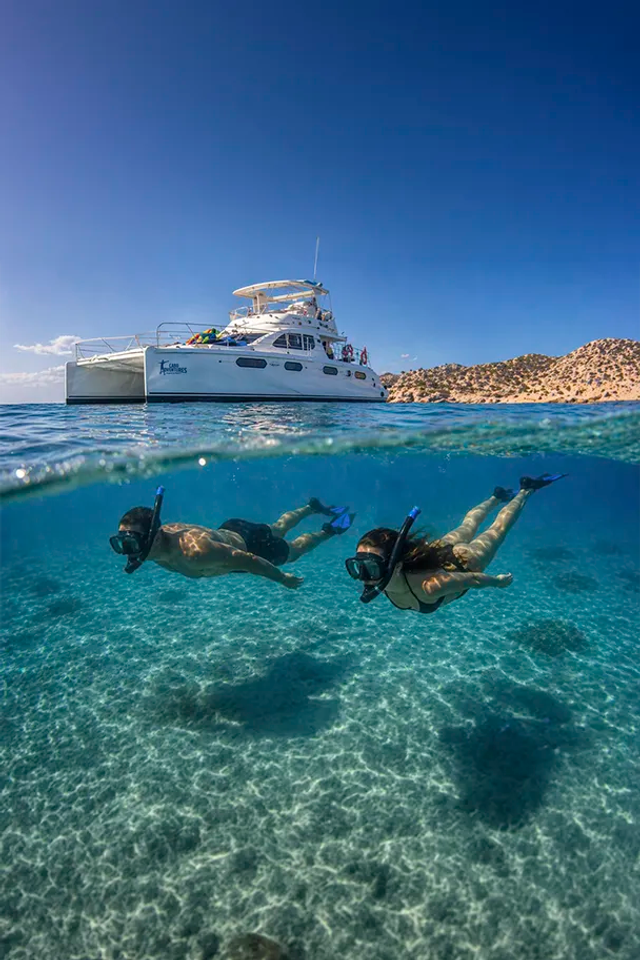
Both beaches along the Corridor hold Blue Flag certifications for water quality and safety. Protected conditions make them perfect for snorkeling, with rocky outcroppings creating habitat for tropical fish visible from the surface. The atmosphere here feels more tranquil than Medano, with smaller crowds and clearer water.
Lover's Beach
Requires water taxi access from the marina and comes with a critical warning: only the Sea of Cortez side is safe. The Pacific side, called Divorce Beach, has powerful currents that make swimming extremely dangerous.
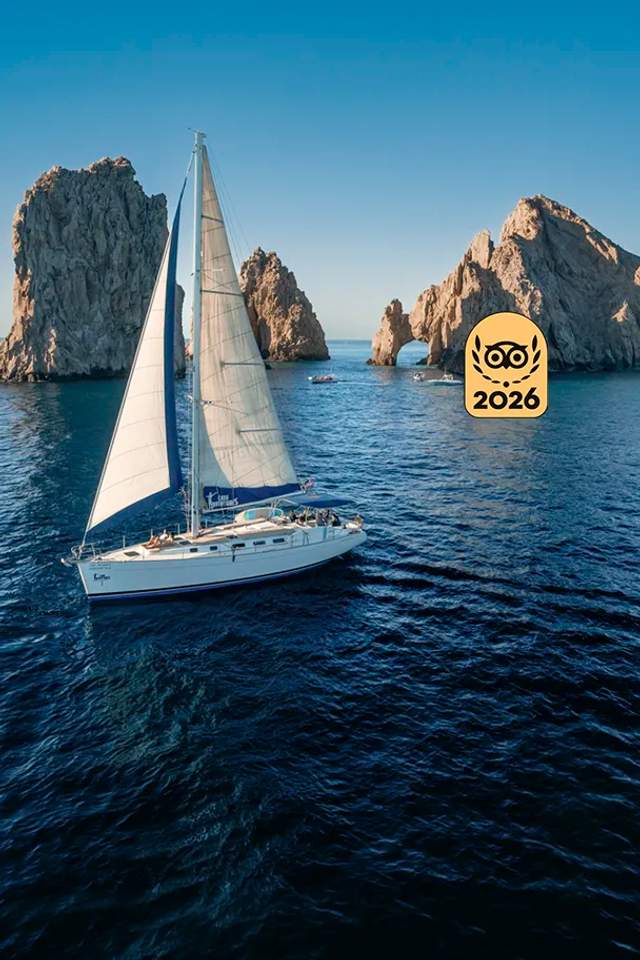
The appeal here is location. Lover's Beach sits at Land's End beside the Arch, accessible only by boat. Our Luxury Sunset Sailing passes these landmarks from the water, showing you the dramatic rock formations as the sun goes down.

Balandra Beach
Worth the two-hour drive to La Paz. Shallow, warm water in a protected bay creates exceptionally safe conditions for families. You can wade hundreds of feet from shore in knee-deep water, and the famous mushroom-shaped rock formation makes for great photos.
What to Eat in Cabo
Cabo's culinary identity comes from what makes Baja different: fresh seafood traditions, regional specialties, and the BajaMed movement fusing local ingredients with Mediterranean techniques.
Tacos here lean toward seafood more than anywhere inland. Regional specialties define the local food scene:
Chocolate clams (almeja chocolata) get their name from their brown shells, not their flavor. These large, sweet clams are native to Baja waters and best eaten raw with lime and hot sauce.
Smoked marlin (marlín ahumado) appears in tacos and quesadillas throughout the region. The smoky, rich flavor comes from a preservation technique perfected by local fishermen.
Shrimp prepared in countless regional variations from garlic butter to spicy diabla sauce.
Fresh catch changing daily based on what fishing boats bring in that morning.
Downtown Cabo San Lucas and San José del Cabo both have neighborhood taco stands where you'll find the best versions. Look for places with hand-written menus and local customers ordering without looking at prices. Walk the streets around the marina in Cabo San Lucas or near the historic plaza in San José.
Farm-to-table dining has grown significantly in San José del Cabo, where restaurants emphasize Baja-sourced produce and regional preparations.
What to Do Beyond the Resort
Your travel style and priorities determine which activities feel most rewarding.
For First-Time Visitors
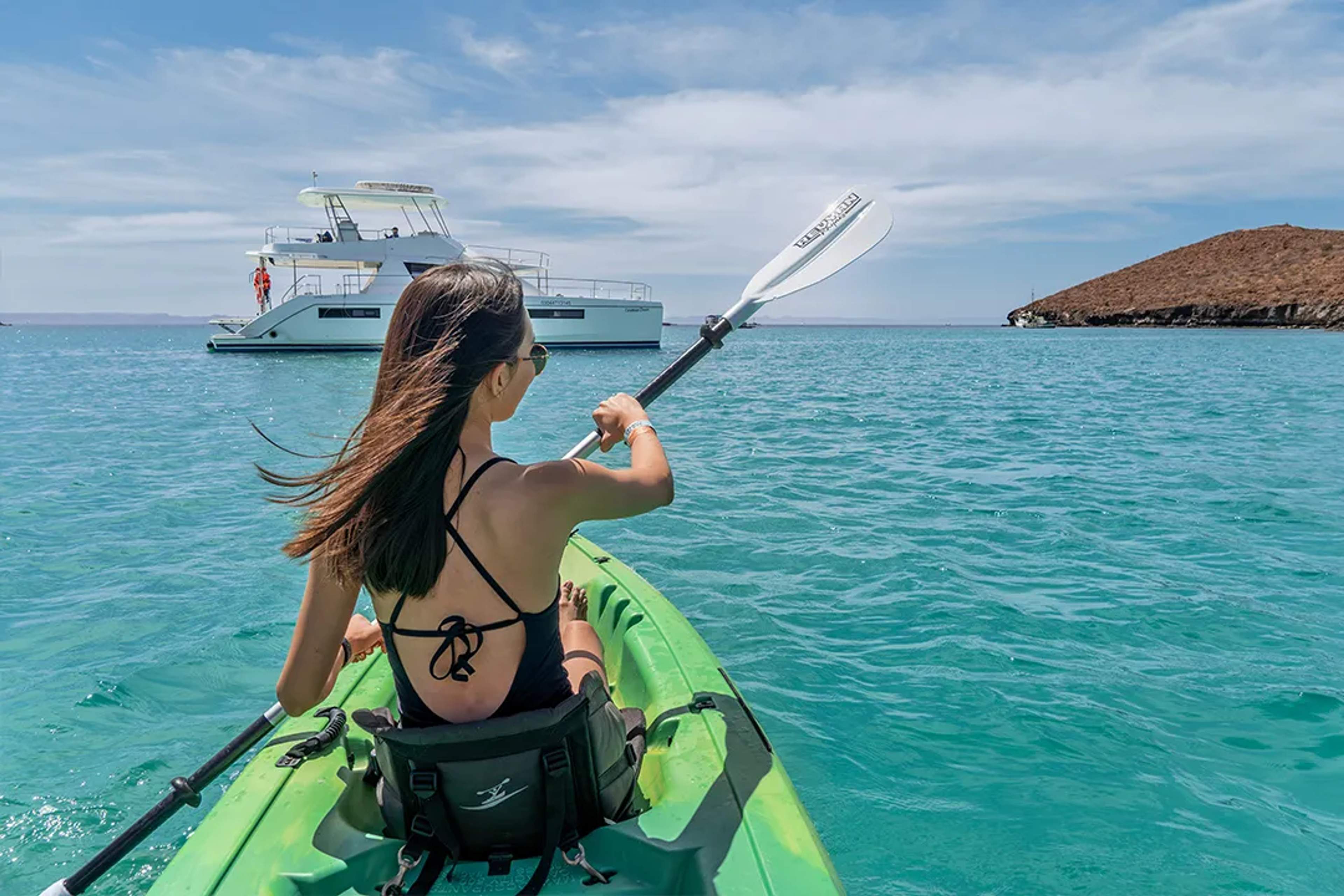
The Arch at Land's End defines the region. It's visible from shore but best appreciated by boat, where you can see how the rock formations separate the Pacific Ocean from the Sea of Cortez. The Snorkel & Sea Adventure takes you by speedboat to the Arch, Lover's Beach, and Land's End with snorkeling, kayaking, and paddleboarding included.
Walking the marina area shows you Cabo's sportfishing heritage. Charter boats line the docks, and you can watch the afternoon catch come in.
In San José del Cabo, the historic downtown around the plaza reveals colonial architecture and local life. If you're visiting November through June, time your visit for Thursday evening when the Art Walk transforms the gallery district.
For Adventure Seekers
Desert off-roading takes you through canyons, dunes, and cactus forests that most visitors never see.
Snorkeling at Santa María Beach and Pelican Rock puts you face-to-face with tropical fish in protected waters.
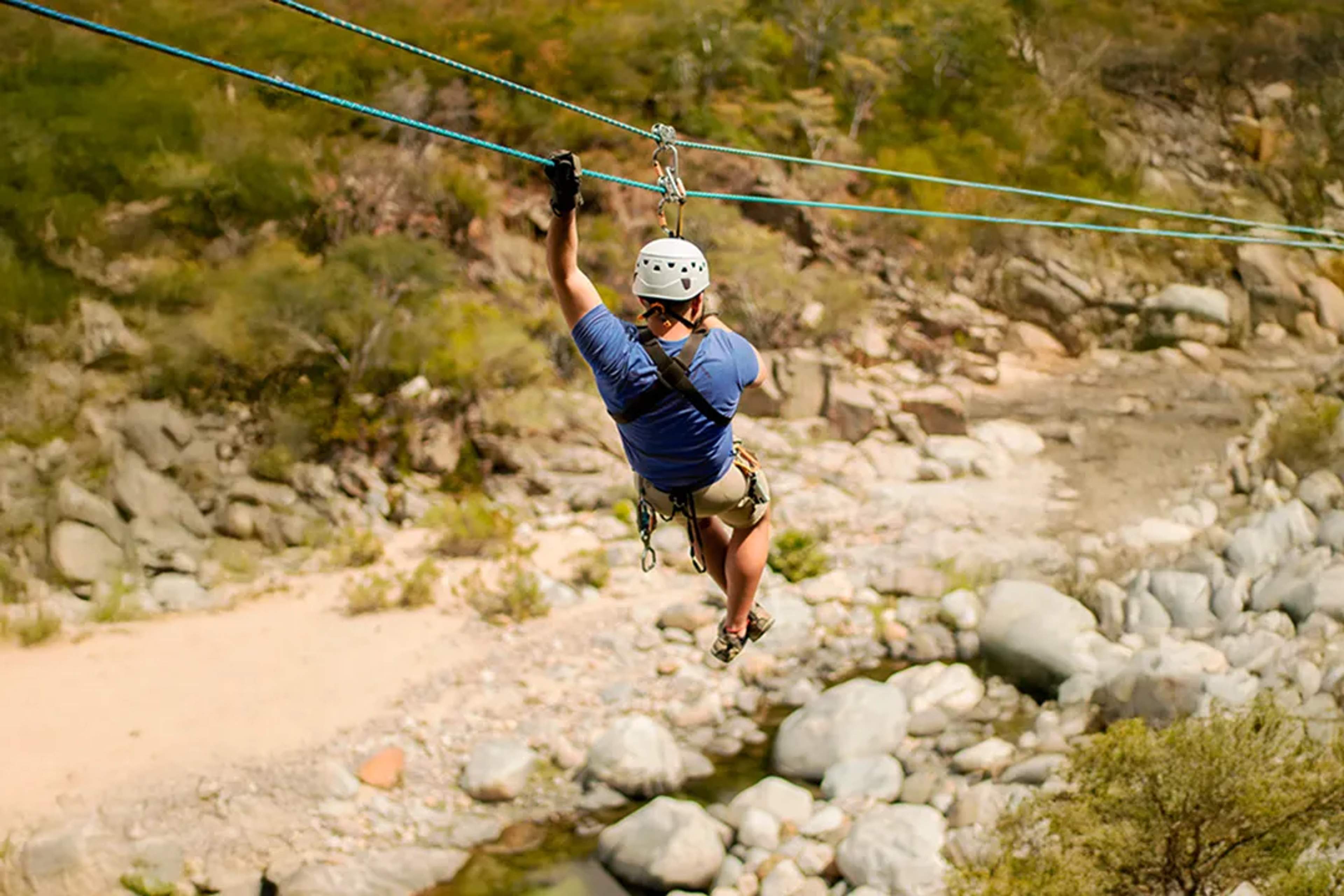
The Outdoor Adventure tour combines ziplines (including a 4,000-foot "Superman" line), rappelling, rock climbing, and UTV off-roading through desert landscapes.
For Wildlife Lovers
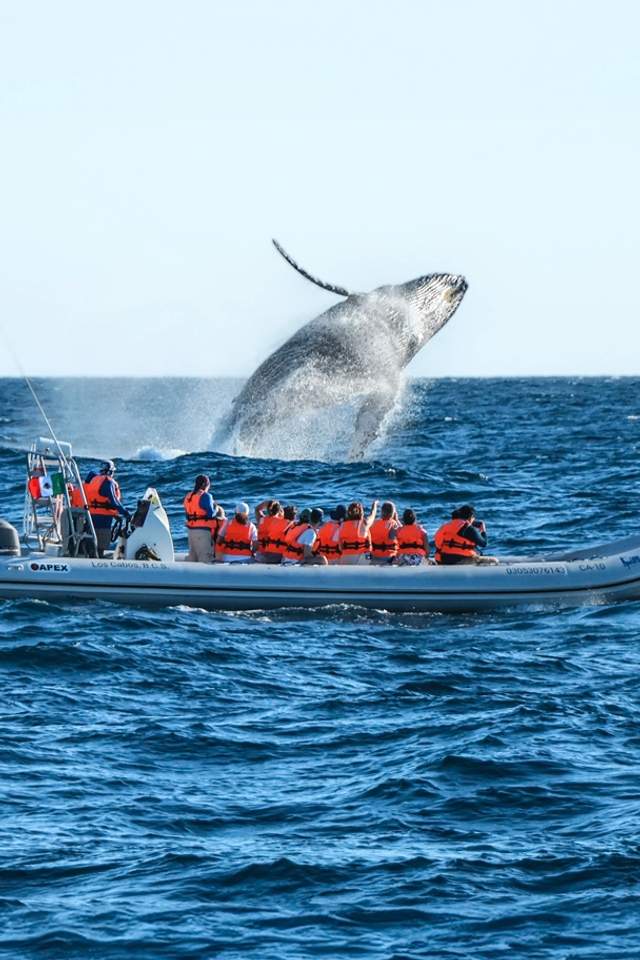
Whale watching from December through April delivers the region's signature wildlife activity. Humpback and gray whales arrive for breeding and calving, creating encounters with some of Earth's largest creatures.
Our Whale Watching tour runs with a sighting guarantee from December 20th through March 1st. If no whales are spotted during that window, you get a complimentary second tour.
The Cabo Pulmo Snorkel Expedition shows what decades of marine protection accomplish. This 20,000-year-old living coral reef hosts fish populations far beyond what you'll see at beaches near town.
Sea lion colonies offer encounters where animals approach snorkelers out of natural curiosity rather than captive conditioning.
A Few Things to Know Before You Go
Currency: Both U.S. dollars and Mexican pesos work in tourist areas. Pesos typically offer better value, especially at local restaurants and shops.
Language: English is widely spoken in hotels and restaurants. Basic Spanish is appreciated but not essential.
Sun protection: UV intensity here exceeds most North American locations. Sun-protective clothing with UPF rating, wide-brimmed hats, and seeking shade between 10 AM and 4 PM provide the most reliable protection.
Safety: Los Cabos maintains an excellent safety record for international travelers. See our Is Cabo safe? article for complete guidance.
How We'd Plan Your Week
Day 1: Arrive and settle in. Walk the marina area late afternoon to get your bearings, then grab sunset drinks overlooking the water. This orientation day helps you adjust without pressure.
Day 2: Morning at Medano Beach for swimming and beach club atmosphere. Afternoon boat tour to the Arch. This introduces you to Cabo's two signature attractions: swimmable beaches and Land's End landmarks.
Day 3: Adventure day. Book the adventure tour for ziplines, rappelling, and UTV off-roading. The physical challenge and desert landscapes show you Cabo beyond the beaches.
Day 4: Day trip to Todos Santos. The Magical Todos Santos tour handles driving and timing while you explore art galleries, Pueblo Mágico charm, and local culture.
Day 5: Day trip to La Paz and Balandra Beach. The Balandra Beach & La Paz tour combines protected bay swimming, sea lion encounters, and the region's safest beach conditions.
Day 6: Recovery day. Relax at your resort in the morning, then afternoon snorkeling at Chileno Bay. This balances the active previous days while still visiting one of the Corridor's best swimming beaches.
Day 7: Book the Luxury Sunset Sailing to see the Arch and coastline from the water as your final Cabo experience. Departure prep in the evening.
If visiting December through April, prioritize whale watching early in your trip (Day 2 or 3) in case weather affects scheduling.
The key is pacing. This itinerary alternates high-energy days with recovery time so you return home refreshed rather than needing another vacation.
Ready for Cabo San Lucas?
Cabo rewards travelers who venture beyond their resort, whether that means day trips to preserved marine parks, chocolate clams at neighborhood taco stands, or timing visits around humpback migrations.
Peak season books quickly. Securing preferred accommodations and tour dates early ensures you get the activities that matter most.
Need help building your itinerary? Browse our tours or reach out directly.