Smooth days visiting Cabo San Lucas start before you fly. Pick your base (Cabo San Lucas for the marina and Land's End, San José del Cabo for the old town and a shorter airport ride) and your season (whales December to April, hurricanes May to November). Carry a passport valid for your whole stay, book your airport ride ahead, pay in pesos with small notes, drink bottled water, pack sun-protective clothing and check the current US travel advisory.
Each tip below expands one step. They run in the order you will meet them, from planning at home to your last day.
Before You Book
You can settle most of the friction on a Los Cabos trip at home, weeks before the flight. Choose your base and dates and prepare your documents to make the days after arrival easier.
1. Understand That There Are Two Cabos (and They're Nothing Alike)
Los Cabos is two towns joined by a resort coastline, and the town you pick sets your daily rhythm. Cabo San Lucas sits at the tip of the peninsula at Land's End, where the Pacific meets calmer bay water. San José del Cabo, closer to the airport, keeps a historic centro of cobblestone streets and whitewashed buildings around its mission.
Between them runs the Corridor, lined with resorts and several sheltered beaches. Choose San José del Cabo for a shorter airport transfer and the old town, Cabo San Lucas for the bay and Land's End boat departures, and the Corridor if beach time steps from your room matters most.

2. Pick Your Travel Dates Around What You Want to See
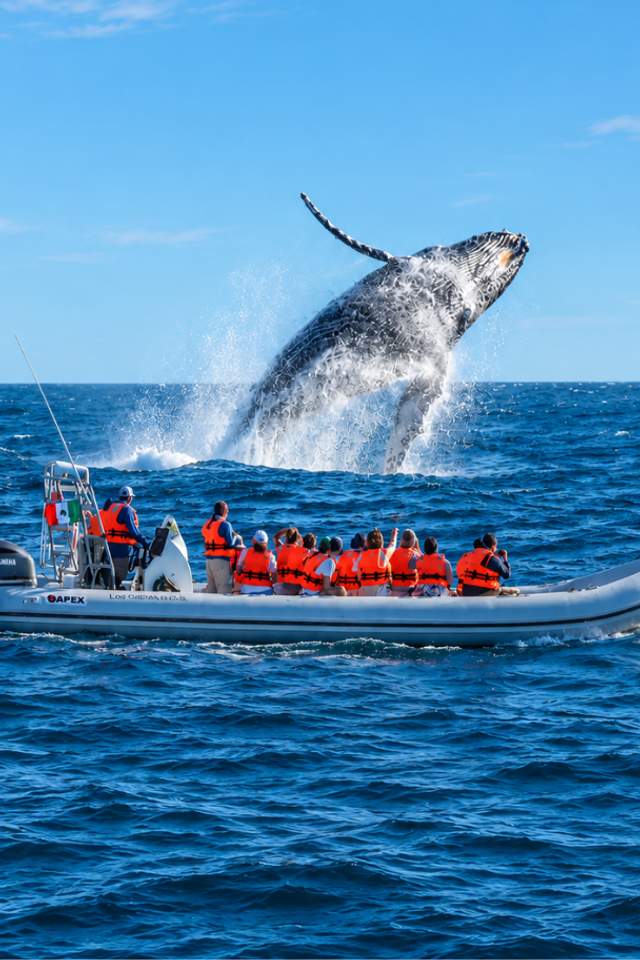
Every season in Los Cabos opens a different window, so start with the activity your group cares about most. Whale-watching is authorized off Cabo San Lucas and San José del Cabo from December 15, 2026 to April 30, 2027.
Sightings tend to be most frequent from January through March, though no single outing can promise a whale. Humpbacks spend the winter in the gulf and gather around the Los Cabos region, while gray whales breed in lagoons on the Pacific coast of Baja California Sur.
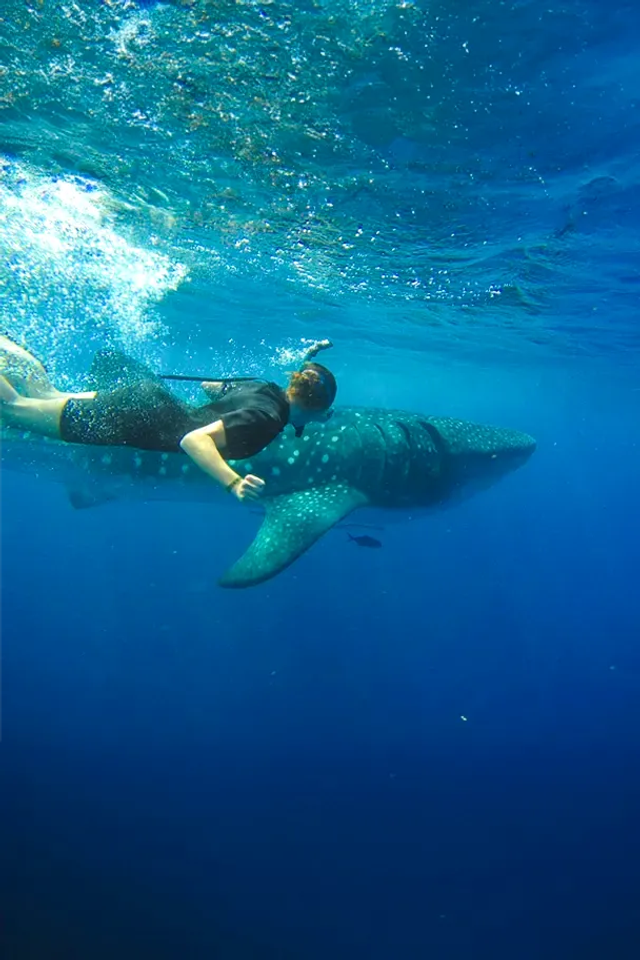
Whale sharks follow their own calendar in the Bahía de La Paz refuge, from October 1, 2026 to April 30, 2027. The eastern Pacific hurricane season runs from May 15 to November 30, with September historically bringing the most storms.
Late summer also brings the warmest water, around 28–29°C, against roughly 21–22°C in late winter. If you travel between August and October, keep a flexible day or two in your plan.

3. Book Popular Activities Early
Seasonal programmes run on fixed windows, so reserve them as soon as your dates are firm. Our whale-watching, whale shark and orca departures operate within their seasons, and pricing shifts between peak and off-peak periods.
You spend your day with our experienced, certified bilingual guides, who share species identification, cultural context and safety know-how so the highlights of the outing come to life. Round-trip hotel transport comes from most Los Cabos hotels where a tour offers it, booked at least 24 hours in advance, and coverage varies by tour. Cancellation and rescheduling terms also vary by tour, so read that tour's written terms before you pay.

4. Know Your Entry Documents
US, Canadian and UK citizens don't need a visa for tourist stays of up to 180 days, and every air traveler needs a valid passport. Mexico asks that it stay valid for your whole trip, while some airlines and transit countries apply stricter rules, so many travelers keep six months of validity to be safe.
Arrival at SJD is paperless for most visitors. An officer stamps your passport and writes the number of days you're allowed, up to 180, and may ask to see a return or onward ticket.
Keep these items in order before you fly:
- Digital entry form: After arrival, download your FMMd from the National Immigration Institute portal and keep a copy for departure.
- Entry stamp: Replacing a lost stamp costs about 700 pesos, paid by card at the immigration office or in cash at a bank.
- Federal visitor fee: The non-resident fee is 983 pesos in 2026 and is normally included in your airfare.
- State visitor fee: Baja California Sur's Embrace It fee is 488 pesos per person in 2026 for international visitors staying more than 24 hours, paid online.
5. Check the Current Travel Advisory Before You Go
The official US travel advisory, issued May 29, 2026, places Baja California Sur at Level 2, Exercise Increased Caution, the same level shown for Mexico overall. It lists no specific travel restrictions for US government employees in the state.
Use reputable transport and licensed guides, and plan travel between towns for daylight hours. Follow your hotel's advice on local conditions, and look at the advisory again shortly before you fly so you travel with the latest guidance.
6. Pack for Desert Sun, Not Just Beach Days
Pack sun-protective clothing and a wide-brimmed hat as your main sun defense, since much of the region beyond the beaches is open desert. From August to October, daytime temperatures can reach 36°C.
Closed-toe shoes handle uneven desert ground and the old town's cobblestones. Add water purification tablets for longer days away from town. Once you've packed, plan how you'll get around when you land.
Getting There and Getting Around
Ground transport in Los Cabos runs on zone taxis, shuttles, buses and app rides, each with its own rules. Settle your arrival plan first, then decide how you'll move between towns.
7. Plan Your Airport Transfer Before You Land
Arrange your ride from Los Cabos International Airport (SJD) before the flight, since prices vary widely by option. Shared shuttles to major hotels start at $16 USD, private transfers run about $84 USD one way, and many resorts run their own airport shuttle for free or at low cost.
Airport taxis charge by destination zone, with rates of roughly $90–115 USD to Cabo San Lucas, often paid in cash at a window. The public Ruta del Desierto bus costs around 80 to 110 pesos to or from the airport, paid in cash to the driver, so confirm the fare when you board.
8. Learn the Uber Situation
Uber is a handy way to reach the airport and get around town, and it's less suited to your arrival. Drop-offs at SJD are permitted, while pickups there remain contested, since app-based services lack authorization at Mexico's airports.
With app services lacking authorization, app rides in Los Cabos have at times been stopped and passengers asked to switch vehicles. Book a taxi, shuttle or transfer for your arrival, and use Uber once you're settled.
App fares on long trips run about 250 to 920 pesos. Set the app to charge in pesos, since a home-currency setting can add a conversion fee of about 1.5%.
9. Understand Taxi Pricing
Los Cabos taxis charge fixed zone fares with no meter, quoted per vehicle, so agree on the price before you get in. A trip between Cabo San Lucas and San José del Cabo runs around $60–70 USD.
Street taxis generally take cash, and paying in pesos usually works out cheaper than dollars. Red and yellow vans serve San José del Cabo and blue and green vans serve Cabo San Lucas, around the clock. The public bus between the two towns costs about 37 pesos.
10. Think Carefully Before Renting a Car
A rental car suits independent day trips, and the total insured price is what you should compare. Mexican law requires third-party liability insurance, and US auto policies and credit card rental benefits don't cover that liability.
Online quotes sometimes leave this insurance out, so the counter price can rise sharply. If you decline the counter's damage cover, expect a refundable card hold of about $2,500–2,700.
Photograph the car's condition, check the spare tire and jack, and keep your passport with you instead of leaving it as collateral. For undisclosed charges, Profeco, the federal consumer agency, accepts complaints, and a card chargeback is another route.
For days within Los Cabos, the San Jose del Cabo & Cabo San Lucas Tour covers both towns while your guides handle the driving. Next comes how to pay for it all, since small payment habits add up over a week in Los Cabos.
Money and Payments
Small payment habits add up over a week in Los Cabos. Dollars circulate widely, and pesos usually stretch further.
11. Pay in Pesos Whenever Possible
Pay in pesos whenever you can. Prices quoted in dollars are often worked out at about 10 pesos to the dollar, well below the official rate.
Bartenders and vendors in Cabo San Lucas who accept dollars usually give fewer pesos per dollar than the bank rate. US dollars are accepted, but pesos are preferred on buses, in taxis and for small purchases.
12. Use the Right ATMs
Withdraw pesos from bank ATMs, ideally inside a branch. BBVA and Santander tend to charge the lowest fees, and Banorte's operator fee for foreign cards runs about 30 to 43 pesos.
Standalone machines in resort lobbies, casinos and shops can add 80 to 120 pesos per withdrawal plus a conversion offer. When the screen offers your home currency, choose pesos or decline the conversion so your own bank applies its rate.
Use a debit card for cash, since credit card cash advances at foreign ATMs can cost up to 10% of the amount. If one machine's fee tops about US$5–6, try another bank's ATM.
13. Carry Small Peso Notes for Cash Purchases
The Ruta del Desierto bus, street stands and vendors on Medano Beach work in cash, and near-exact amounts keep each payment quick. Keep a stash of small peso notes for beach days and markets, and set some aside each morning.
If you carry dollars as a backup, bring clean bills smaller than $20, since each business decides whether to accept them. Cards cover the larger bills.
14. Bring Cards, but Don't Rely on Them
Visa and Mastercard work at most resorts, restaurants and shopping centers, while American Express and Discover are accepted in fewer places. Many smaller establishments and most street taxis take cash, so a card covers the big bills and pesos cover the rest.
At a card terminal, choose pesos when asked, because the home-currency option adds the merchant's own exchange markup. With money sorted, the next thing to check is the water itself.
Beach Safety
Los Cabos sits where open Pacific swell meets sheltered bays, and the two behave very differently. Choose the beach first, then check its flag.
15. Know Which Beaches Are Safe for Swimming
Swim on the sheltered bay beaches and enjoy the Pacific-facing ones from the sand. Medano faces the bay inside Cabo San Lucas, shielded from the Pacific's roughest swells, and it's one of the area's most popular swimming beaches.
Along the Corridor, Chileno has calm, clear water suited to snorkeling and swimming, with lifeguards watching swimmers. Santa Maria is a natural cove where two granite headlands block much of the surf and wind, and Palmilla is another protected cove.
Chileno, Santa Maria, Palmilla, Las Viudas, Acapulquito and several Medano sites are Blue Flag beaches in the state, a status that assesses water quality, safety and services. These beaches also close on high-swell days, so check conditions each morning.
On the Pacific side of the Arch, Divorce Beach (Playa del Divorcio) has strong swell and currents, and the municipality has restricted access when conditions turn extreme. Enjoy it from the sand and save your swimming for the bay.
16. Learn the Beach Flag System
Los Cabos beaches use a colored flag system that lifeguard staff update as conditions change. Lifeguards are posted at the busiest public beaches, including Palmilla, Chileno, Medano and Migriño, and the flags mean the following:
- Green: Conditions are suitable for swimming.
- Yellow: Swell is moderate, so swim with caution.
- Red: Entering the sea is prohibited.
- Black: The beach is fully closed.
- Purple or white: Jellyfish or other stinging sea life are in the water.
Follow lifeguard instructions and stay out of the water on red and black days. After a morning on the sand, the next step is planning a day or two beyond the resort.
Making the Most of Your Days Visiting Cabo San Lucas
Desert, historic towns and protected water all sit within day-trip range of Los Cabos. A few planning habits make those days easy to fit in.
17. Get Out of the Resort for at Least a Day or Two
Set aside at least one or two days beyond the resort. Todos Santos, Cabo Pulmo and La Paz with Balandra Beach all sit within guided day-trip range.
Your guides are certified and bilingual, and they'll name species as you go and share the story behind each stop. On a wildlife outing, you'll learn how the sea lions and whales you may spot fit into the living ecosystem of these waters.

18. Download Offline Maps Before You Go
Download offline maps before you leave home, since independent signal data for remote parts of Baja California Sur is thin. In Google Maps on Android, tap your profile picture, choose Offline maps, then Select your own map, frame the area and tap Download.
Save the whole stretch from Cabo San Lucas to San José del Cabo, plus any town on your day-trip list, such as Todos Santos or La Paz. On guided days your guides handle the route, so the offline map is for your own wandering.
19. Explore the Desert Side of Cabo
The Sonoran Desert runs right up behind the beaches, and our Tierra Sagrada ranch is the base for it. From there, camel rides head toward the Pacific shore, and ATV and UTV routes run through canyons and riverbeds.
Camels + ATV + Lunch pairs both in one day. Our desert line-up also includes zip-line circuits, one of them over 4,000 feet, along with rock climbing, rappelling and suspension bridges.
Wear closed-toe shoes and sun-protective clothing for the uneven terrain and strong sun. Check each tour's age, mobility and health requirements before you choose, and let the least flexible person in your group guide the pick.
20. Walk the Art District on a Thursday Evening
Thursday evening is when San José del Cabo's gallery district opens up. The Art Walk runs every Thursday from 5 to 9 p.m., starting November 5, 2026, with the season expected to continue through June 2027.
Streets in the historic centro behind the mission close to cars, and galleries stay open late along cobblestone lanes near Plaza Mijares. Walking and gallery visits are free, and food, drinks and art are paid separately, so bring pesos.
Arrive close to 5 p.m. to give yourself the full four hours. For gallery visits paired with wine tastings, our Art and Wine Evenings in San José del Cabo covers the same historic streets.
21. See the Sunrise Side and the Sunset Side
Los Cabos faces two directions, so each end of the day has its own setting. Mornings suit the bay-facing beaches of the Corridor and San José del Cabo, where the sun comes up over the water.
Evenings belong to Land's End and the Pacific, where the sun goes down over open ocean. Our Los Cabos Luxury Sunset Sail and Oceanus Sunset Party Cruise both head out for that evening light, so pick the one that matches the mood you want. Between those bookends, the next questions are about eating and drinking well.
Food, Water, and Staying Comfortable
A few habits with water, food and cover keep every planned day on schedule. The last two sections are about pacing the trip itself.
22. Stick to Bottled Water
Drink bottled or treated water and skip ice unless you know how it was made. Tap water in Mexico isn't considered safe to drink, and chlorine targets and monitoring plans are published without a drinking-water safety verdict.
Brush your teeth with bottled water and choose drinks from factory-sealed containers. Stick with bottled water at your resort too, and skip uncooked berries, fresh herbs and salads not washed in safe water.
23. Consider a Full-Day All-Inclusive Beach Club Adventure
A full day in one place gives your group a single plan with no transfers between activities. The Tierra Sagrada Beach & Adventure Park All Inclusive day is built around our adventure park at the Tierra Sagrada ranch, the same base as our camel rides.
The day centres on our adventure park at the Tierra Sagrada ranch, our desert base for camel rides, with the Sonoran Desert behind the beaches. The tour page lays out the day's activities for your group. Wear closed-toe shoes and sun-protective clothing, check the age, mobility and health requirements, and let the least flexible member set the pace.
24. Eat Where the Locals Eat
Eat where food is cooked to order in front of you and served hot, which suits taco stands and small family restaurants. Many of these places run on cash, so carry pesos. US dollars are accepted, but pesos are preferred for small purchases.
In San José del Cabo, start in the historic centro around Plaza Mijares, where restaurants fill alongside the galleries on Art Walk Thursday evenings. In Cabo San Lucas, vendors on Medano Beach work in cash. Look for food cooked to order in these areas, and keep small peso notes ready before you go.
25. Don't Skip Travel Insurance
Buy travel insurance that covers medical care and the activities you plan to do. A policy that matches your plans lets you enjoy active days knowing medical costs are covered.
Read your policy's activity exclusions before booking zip-lining, diving or off-road days. Travel insurance may not cover an accident if you were driving without the proper licence, and each tour's own insurance terms differ, so check them in writing.
26. Save Your Last Day for Something Low-Key
Keep your last day light and close to your hotel. Plan your airport ride ahead (app drop-offs at SJD are permitted), and keep your stamped passport and downloaded FMMd (the digital entry form you download from the National Immigration Institute portal after arrival) ready for departure.
A calm morning swim and a long lunch fill the hours well. If your flight leaves late, an evening watching Cabo sunsets closes the trip gently. Now let's turn to how you'd like to spend your days in Los Cabos.

Start Planning Your Los Cabos Adventure
Imagine a quiet deck on a Whale watching morning, then desert dust on your shoes by afternoon. The right day should feel easy to picture before you arrive.
When you're ready, visit our all-tours page and choose the day that fits your mood. Leave room for Los Cabos to surprise you, and let our team handle the activity details while you settle in.

Frequently Asked Questions
What are the main reasons to visit Cabo San Lucas?
Cabo San Lucas sits at Land's End, where the Pacific meets calm bay water, with desert behind the beaches. You can mix boat days and sheltered coves with a camel ride or ATV tour. Winter brings likely whale sightings, late summer the warmest water, and nearby San José del Cabo hosts a Thursday evening Art Walk from November through June.
What should you do when visiting Cabo San Lucas?
You can snorkel in sheltered coves, join a sunset sail, or ride a camel or ATV through the desert. In winter, whale watching is a lovely option, though sightings are likely, not guaranteed. Zip-lining and a day trip to Todos Santos add variety. For a complete list, read our things-to-do guide.
Which mobile network works best in Los Cabos?
Telcel has the widest national coverage in Mexico and is the carrier most often suggested for remote parts of Baja. Its official coverage map marks guaranteed and non-guaranteed zones, so check your route before a day trip. A Telcel eSIM or local SIM is worth considering for longer stays.
Why is there an environmental charge on my hotel bill?
Los Cabos charges an environmental sanitation fee on occupied hotel rooms and stays booked through rental platforms. The property collects it during your stay, and the municipality puts the fund toward urban improvement projects. A separate state lodging tax also applies to accommodation.