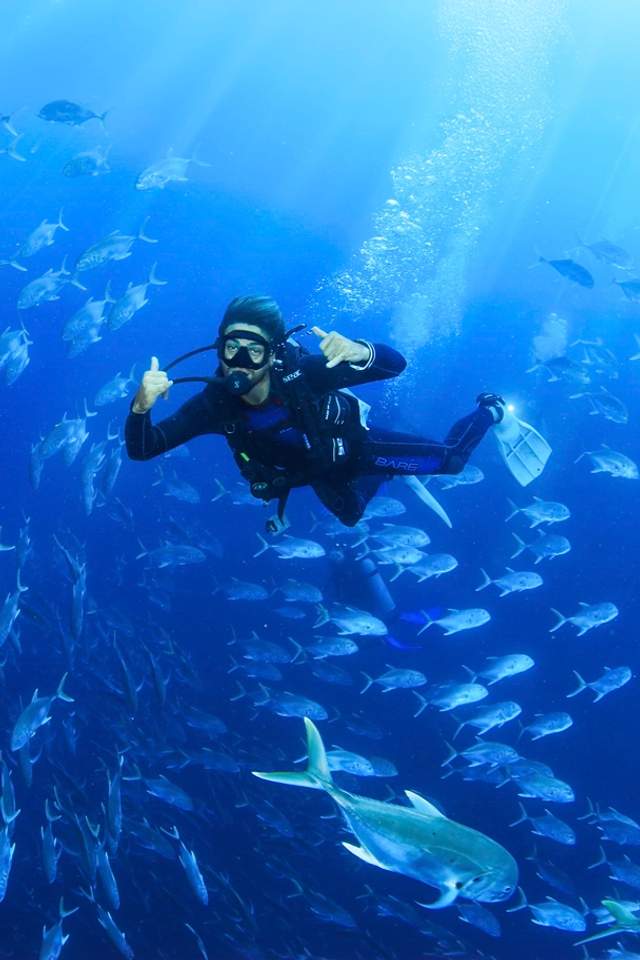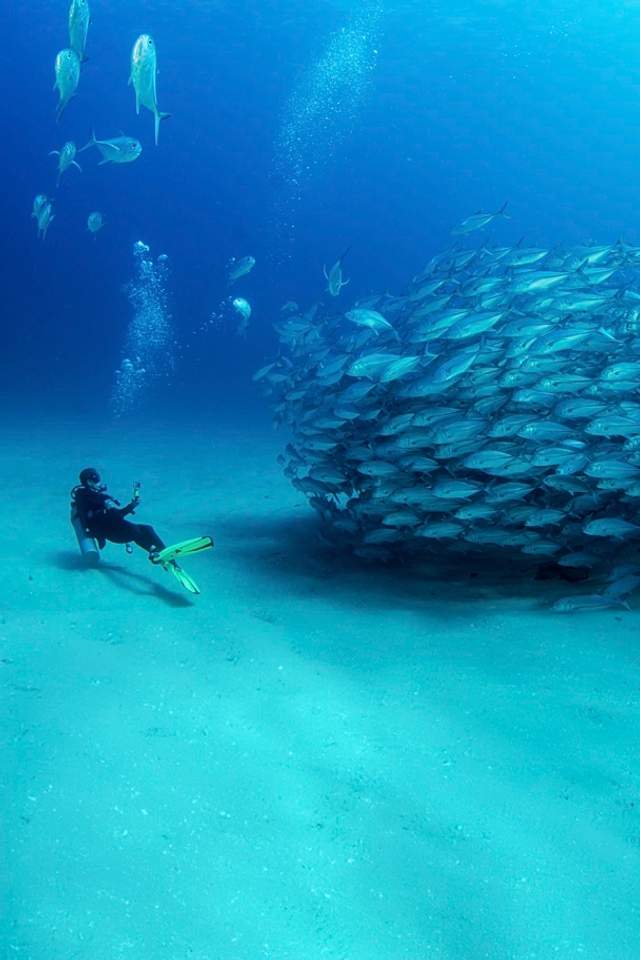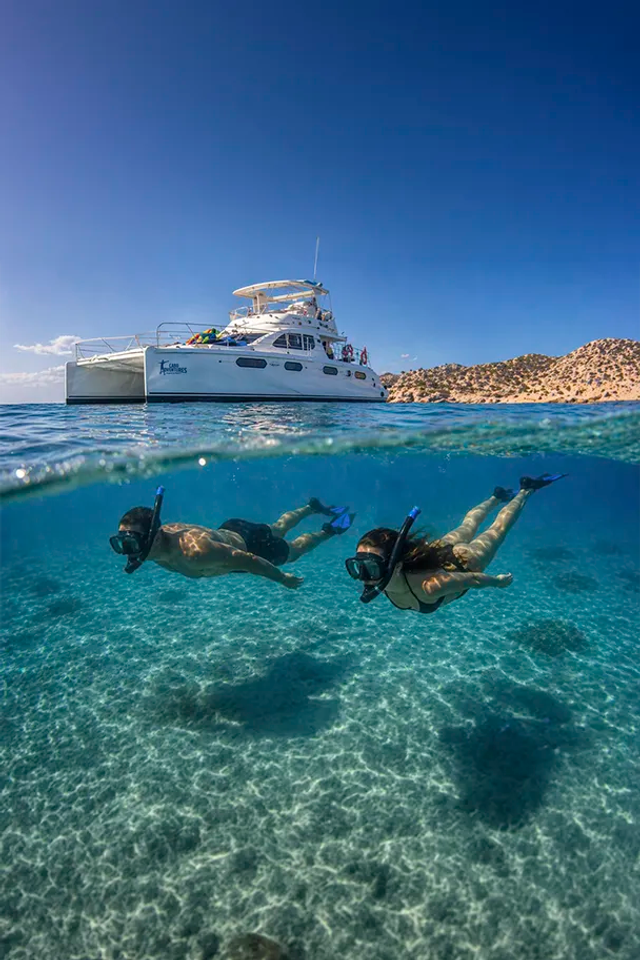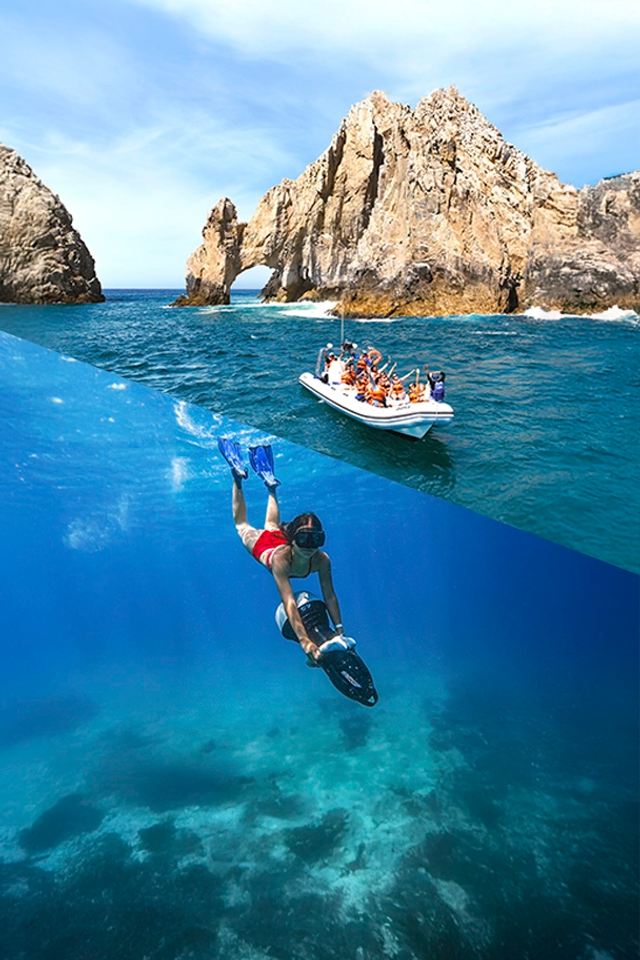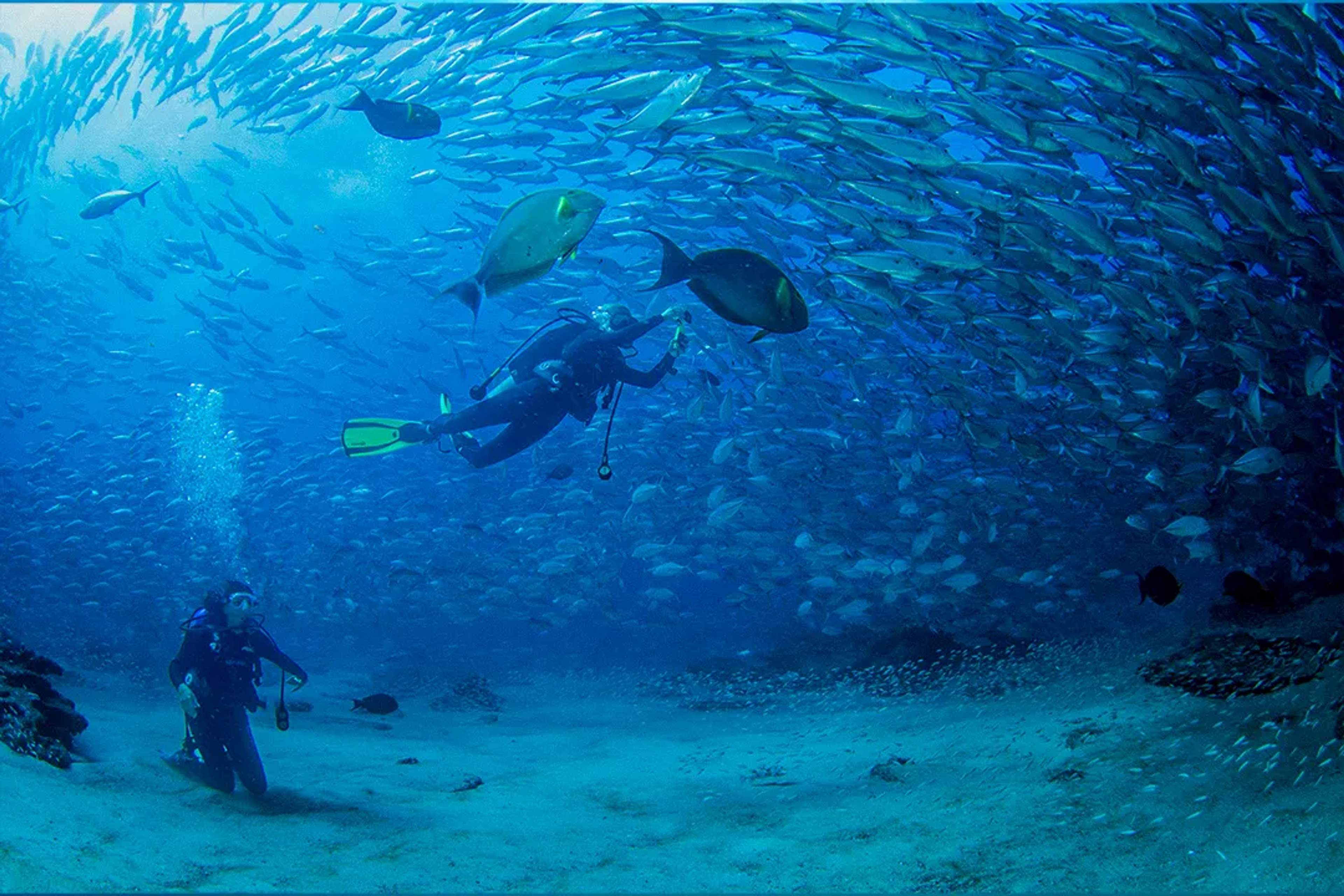
The right dive day in Mexico can put you inches from a curious sea lion one morning and drifting weightless along a coral wall the next. Mexico's best dive destinations span warm reefs, deep pinnacles, freshwater caverns, and open-ocean seamounts, with something to match every logbook.
This guide ranks ten sites by what they ask of you and what they give back. Certification levels, seasons, water temperatures, and marine life encounters accompany each entry, so you can plan around the diving that suits you.
1. Two Oceans at Once at Land's End
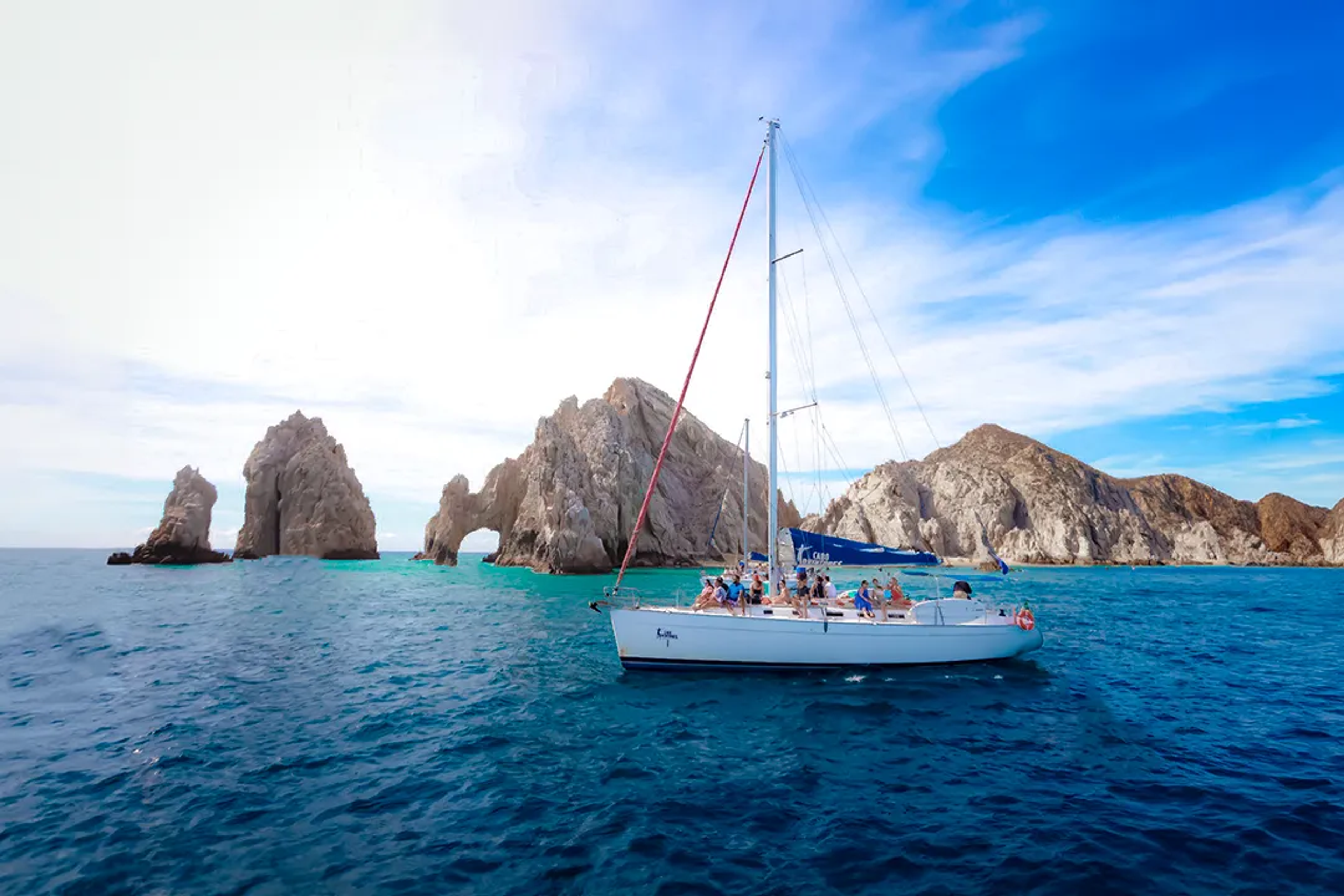
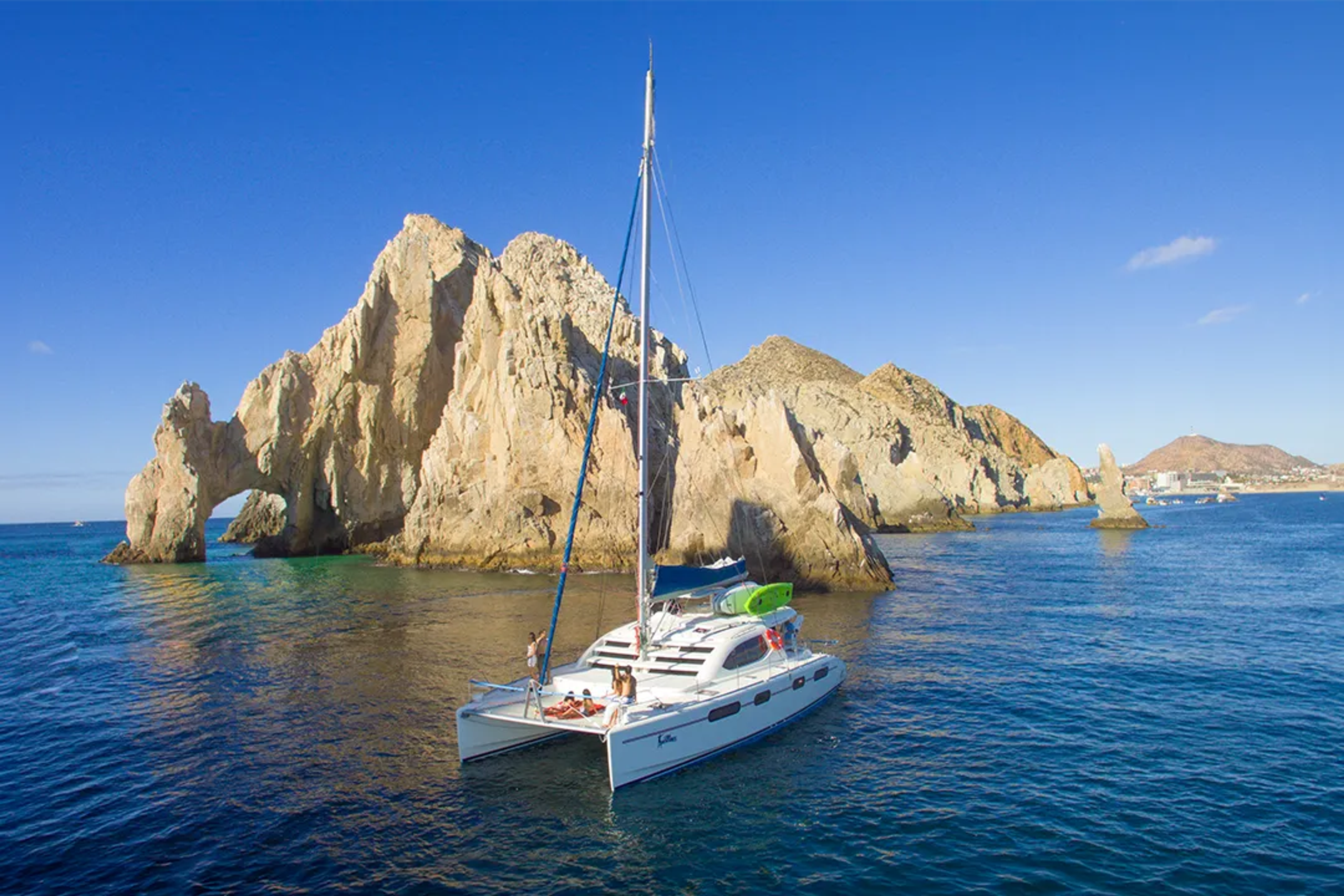
Land's End caps the southern tip of Baja California, where the Pacific Ocean meets the Sea of Cortez. Pelican Rock holds a sea lion colony most visible from November through April, alongside El Arco, the granite arch that marks the cape.
Cabo Scuba Diving at Land's End covers the colony, Arch, and a scattered wreck at 40 to 50 feet in one 3-hour trip. Certified beginner to advanced divers are welcome, and late summer and autumn bring 80 to 100 feet of visibility.
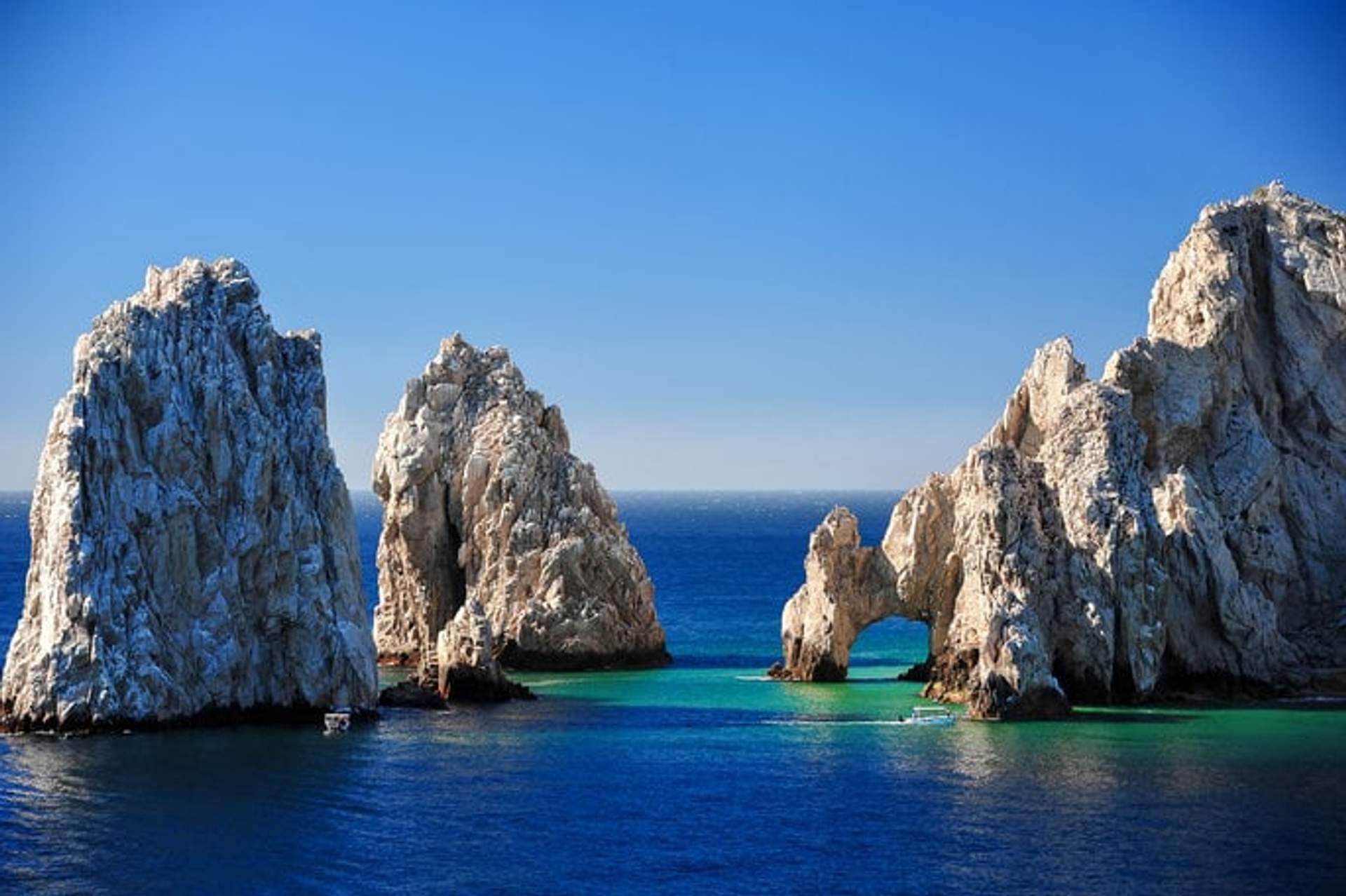
2. Watch the Sand Falls at Neptune's Finger
Neptune's Finger, a rock pinnacle east of Lovers Beach, holds two coral reefs, a vertical wall, and the biggest sand fall in the Cabo San Lucas Marine Park. Sand pours over the lip of a submarine canyon at about 100 feet, above a wall that drops 3,000 feet.
Open Water divers enjoy the shallower reefs, while reaching the sand falls takes Advanced certification and steady buoyancy. Cabo Scuba Diving at Land's End covers this pinnacle on the same boat.
3. The Beginner Wall in Cabo's Bay
North Wall is where beginners fall for Cabo San Lucas bay. Depths run from roughly 20 to 100 feet (6 to 30 meters) off a gentle sandy slope, with minimal current most of the year.
Seahorses, frogfish, nudibranchs, and octopus shelter along the wall, while guitarfish and rays cruise the open sand, making this a macro site for every certification level. Visibility often runs around 50 feet and improves in autumn, though April and May run coldest.
4. Bull Sharks and Living Coral at Cabo Pulmo National Park
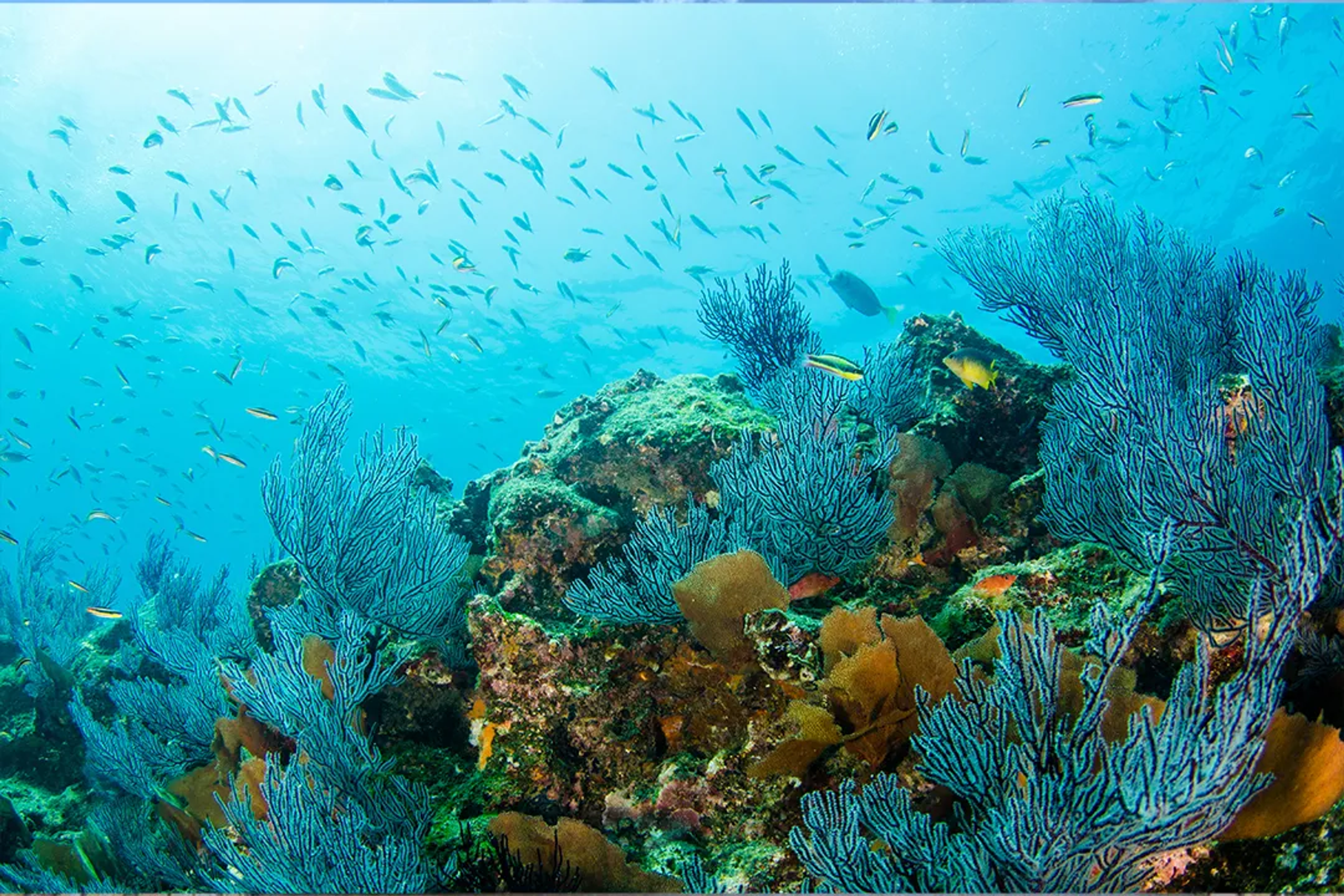
Up the coast from Cabo San Lucas, Cabo Pulmo National Park protects a living coral reef about 20,000 years old, the northernmost in the eastern Pacific Ocean. Bull sharks show up from November through March, with the calmest seas in early morning.
Every dive goes out with an accredited guide under strict no-touch rules, and only certified divers may enter under CONANP diving rules. Cabo Pulmo Diving Tour handles two dives, lunch, and transport across an 8-hour day; reserve early, since access is capped.
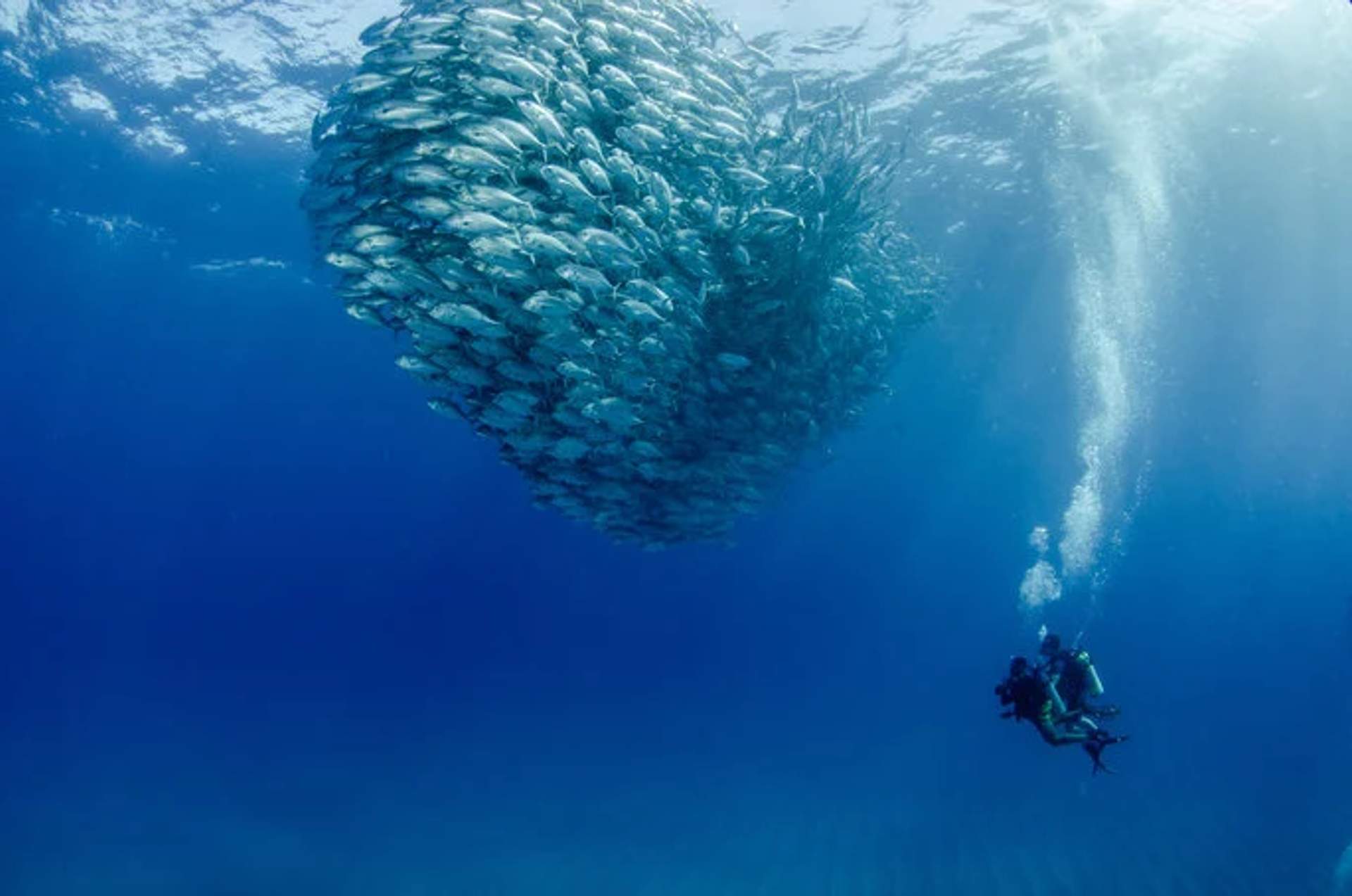
5. Whales and Hidden Beach at the Marietas Islands
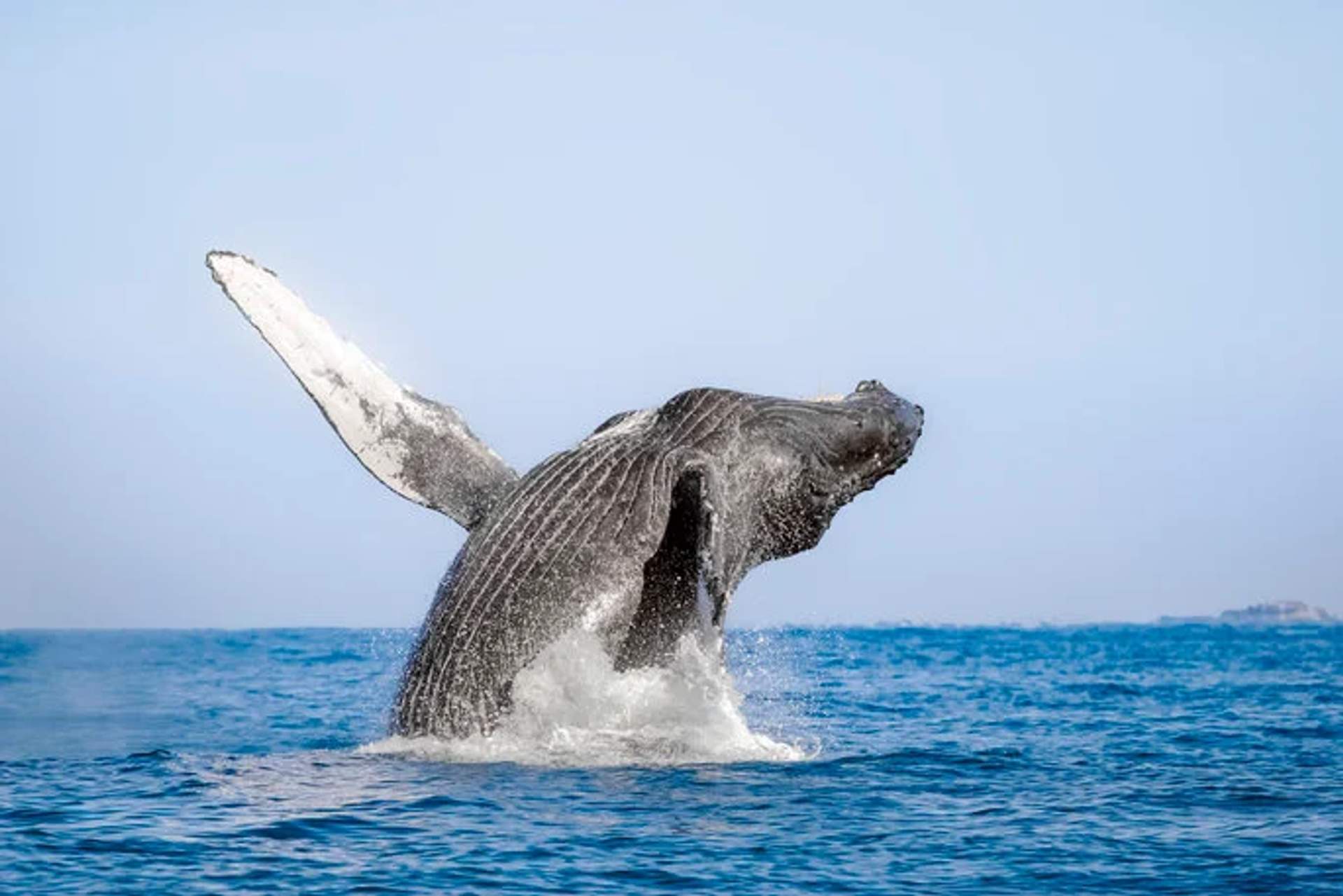
Where the Bay of Banderas meets the open sea off Puerto Vallarta, The Marietas Islands hold diverse fish life over recovering coral gardens. Humpback whales fill the bay from December 8 to March 23, with peak sightings in January and February.
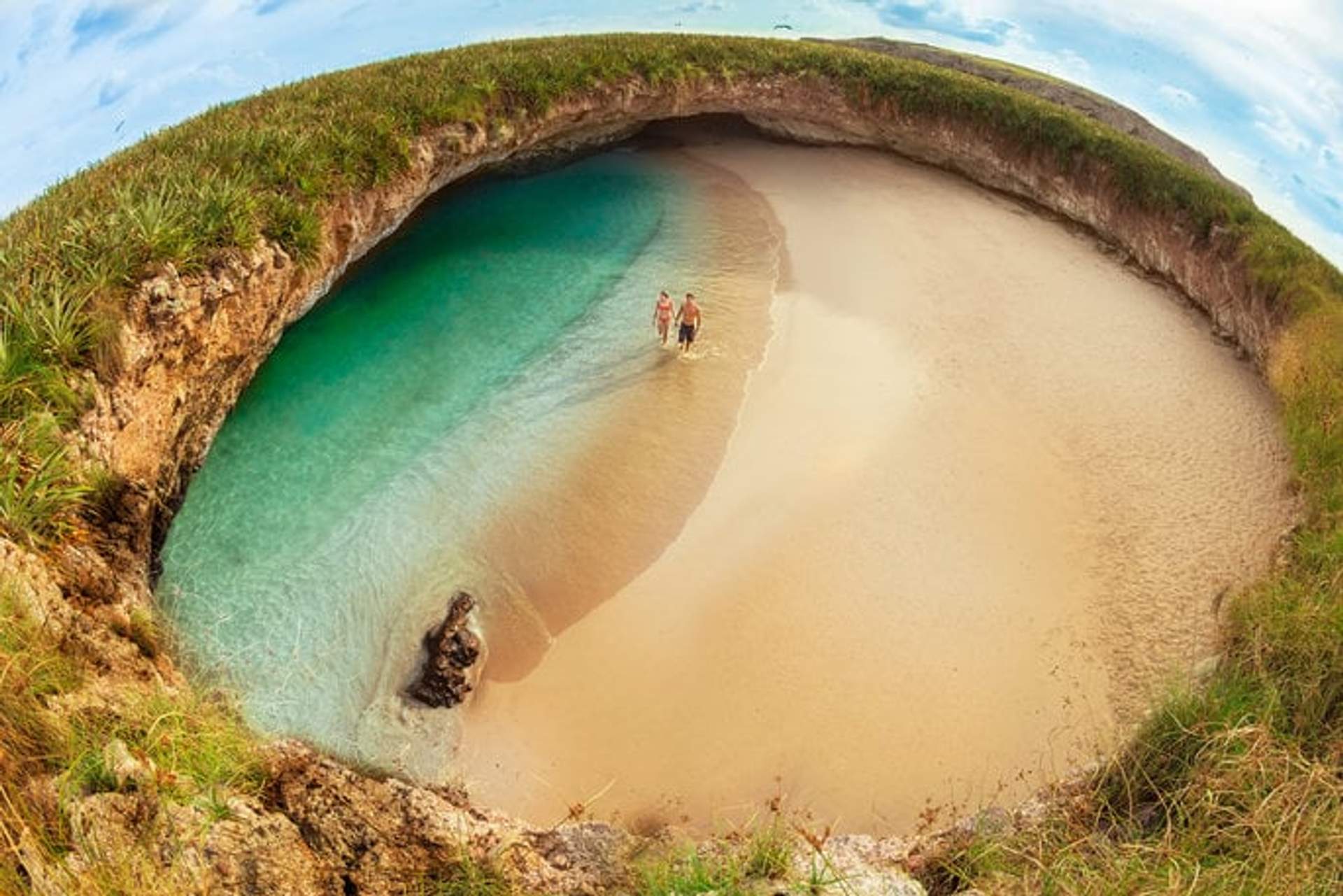
Hidden Beach, enclosed inside one island, admits 116 visitors a day and requires a 60- to 150-meter swim through a rock tunnel. Visitors must be at least 4 years old, life jacket and helmet are mandatory, and beach time is capped at 30 minutes.
Book a Scuba Experience in The Marietas Islands
See all scuba experiences available in Puerto Vallarta
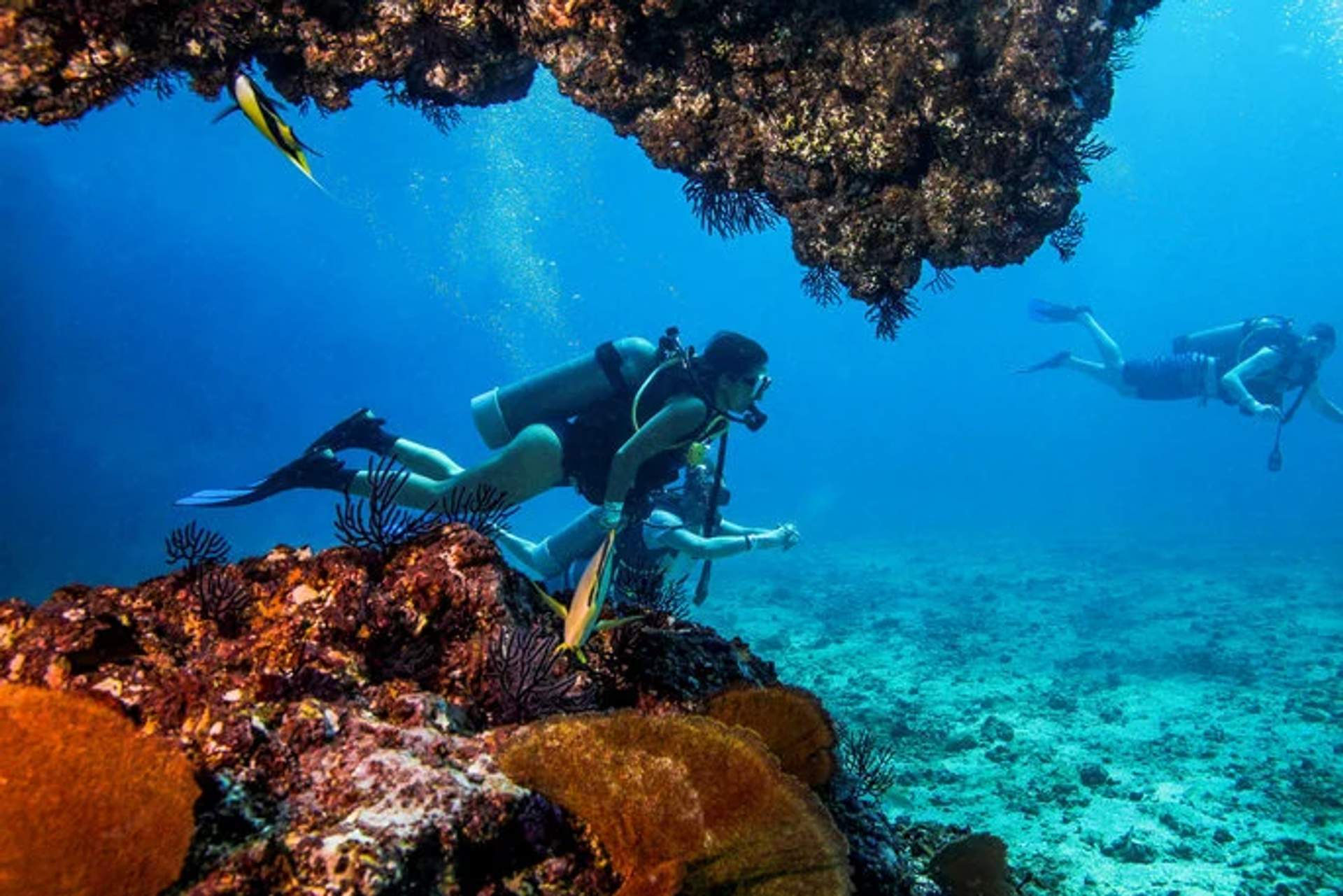
6. Sea Lions and Whale Sharks in the Sea of Cortez
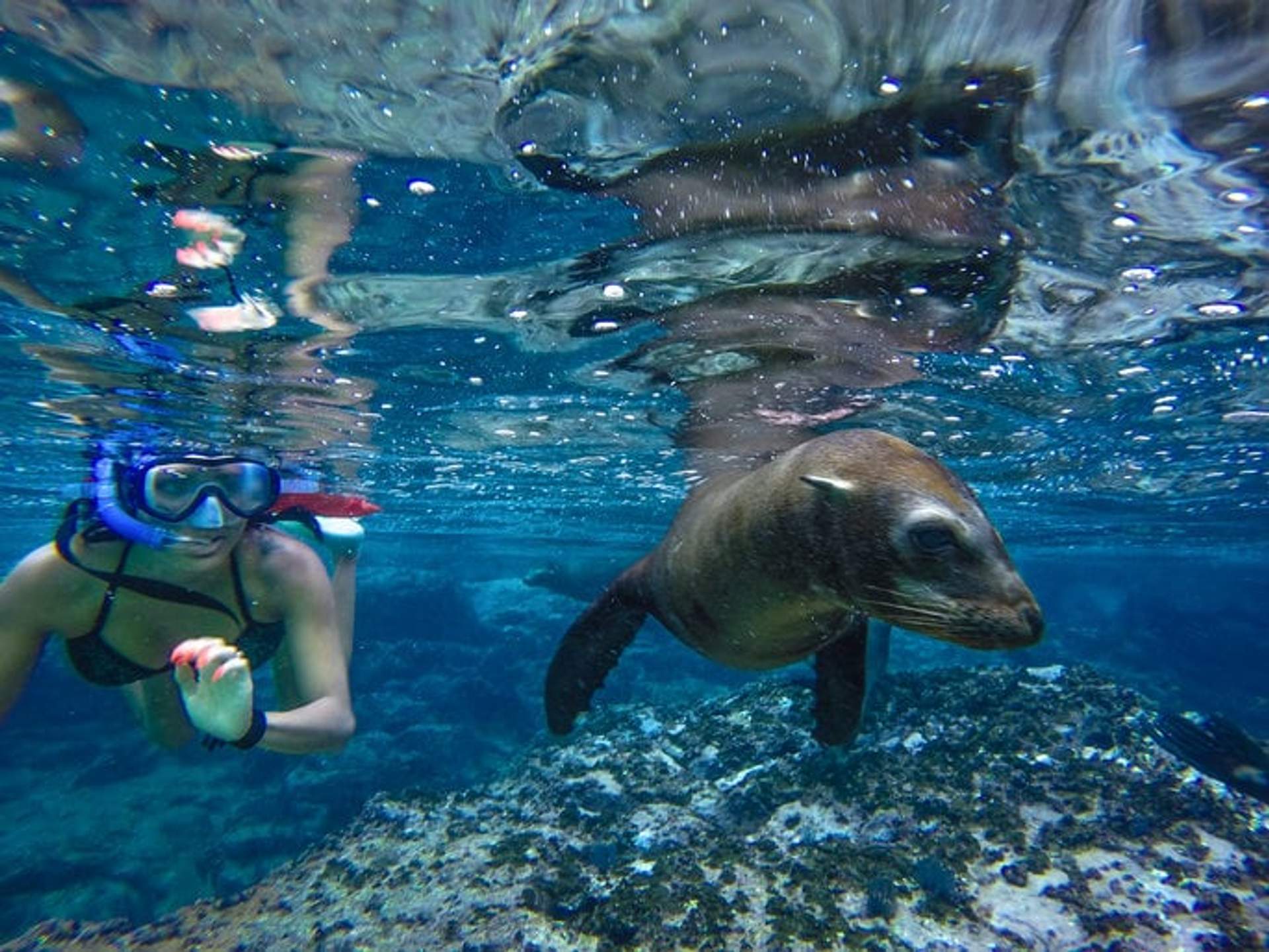
The California sea lions of Los Islotes, near La Paz, are the stars here. Drop in and you get schooling fish over rock reefs, mobula rays crossing open water, and sea lions coming out to meet the boat.
Swimming with sea lions runs September 1 through May 31, with a seasonal sea lion closure covering June through August for breeding. La Paz Bay also adds whale sharks from late autumn into spring, with peak sightings December through March.
7. Let the Current Do the Work in Cozumel
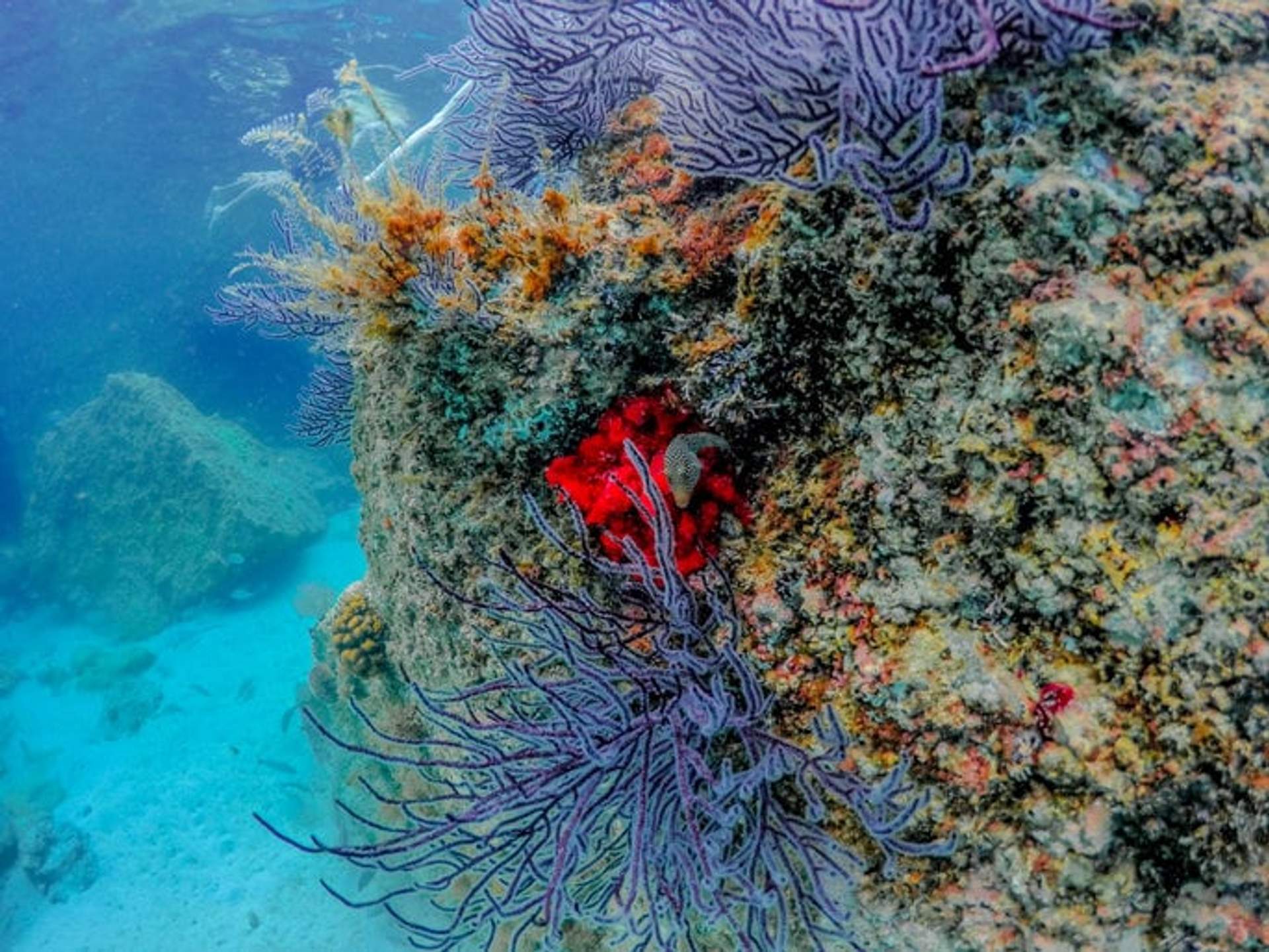
Across the country on the Caribbean side, Cozumel is drift diving. You drop in, the current carries you over coral walls, and the boat follows to pick you up down-reef.
Currents are often mild and visibility often exceeds 40 meters, so drift diving can reduce exertion. Divers must maintain buddy contact and follow separation procedures, since deeper walls require Advanced cards and settled buoyancy. Cozumel dives year-round; hold one flexible day in September for weather.
8. Freshwater Caverns in the Riviera Maya
The Yucatán's cenotes swap ocean for freshwater caverns lit by shafts of jungle sunlight. The water sits still and the only thing moving is the light.
Buoyancy control matters with a ceiling overhead and fine silt below, since one careless fin kick clouds the water. Cavern zones with visible sunlight are open to Open Water divers on a guided tour, while Angelita at about 30 meters calls for Advanced Open Water certification.
9. Summer Whale Sharks at Bahía de los Ángeles
Whale sharks gather in the upper Sea of Cortez at Bahía de los Ángeles from June 1 through December 15, the warm-season counterpart to La Paz and its December-through-March peak. A summer trip to Baja still puts you beside the largest fish in the ocean.
Swimmers stay at the surface here, so no certification is needed. Warm-season water runs 26 to 29°C (79 to 84°F), so a shorty is plenty while the whale shark moves at its own pace.
10. Big-Animal Diving Off Socorro
The Revillagigedo Islands sit far enough offshore that Socorro is reached only by liveaboard, with diving on seamounts and open-ocean drift. Operators generally expect Advanced Open Water certification, at least 50 logged dives, strong buoyancy, and comfort in moderate-to-strong current.
You hang in blue water while current moves past, with no reef as a reference and no bottom below to warn you if you are sinking, so depth control runs on gauge checks. Staying with the group matters because there is no landmark to regroup at.
Learn to Scuba Dive in Cabo
Certification takes less time than most travelers expect. The PADI Open Water course pairs about 8 hours of knowledge development, including theory reading and written tests, with five pool sessions and four ocean dives over a minimum of two days.
Most students finish in three to five days, faster if the reading is done online before the flight. Newly certified divers often book the Cabo Pulmo Diving Tour next, but should first confirm that the planned depth, current, conditions, and operator experience requirements suit their training.
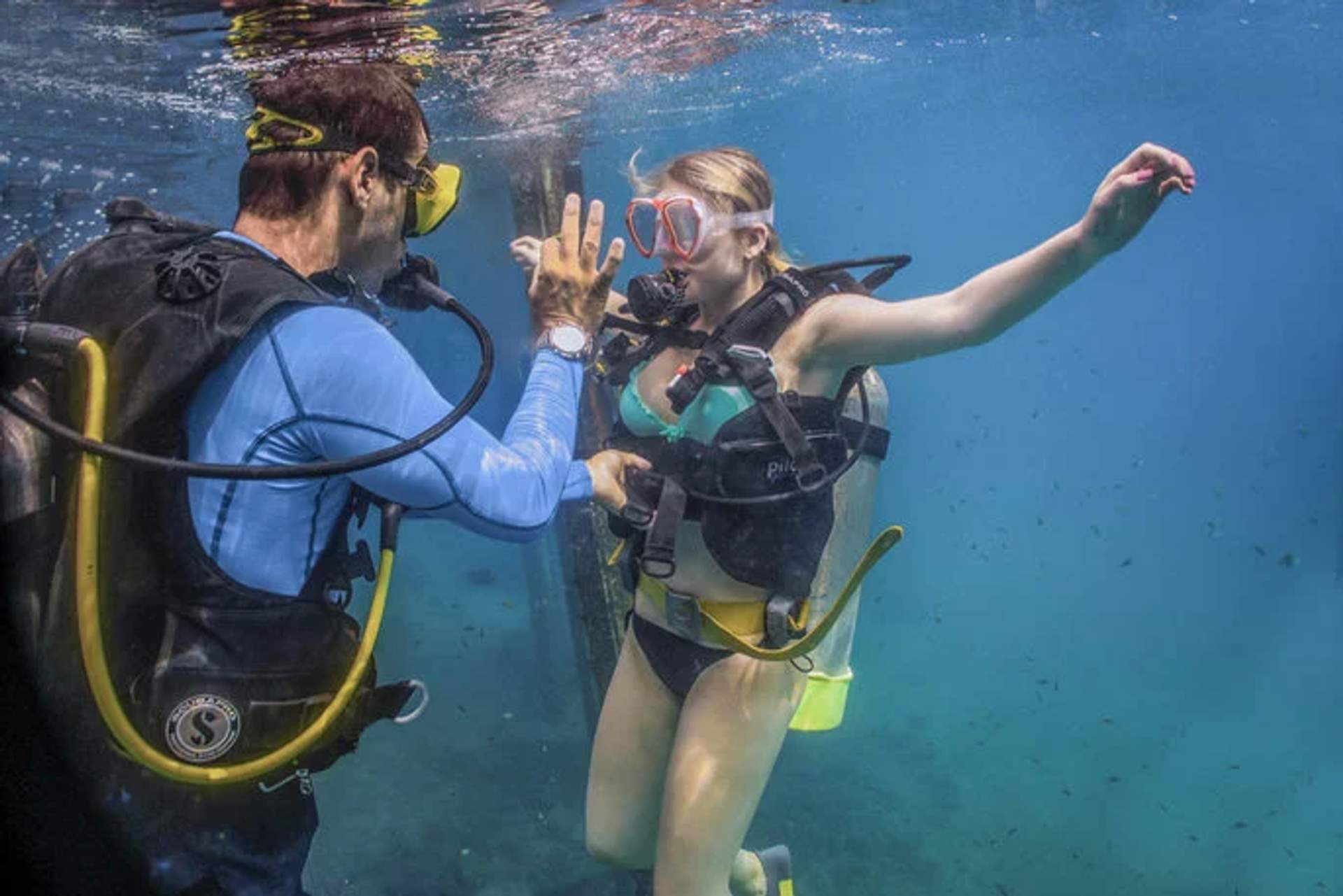
Discover Scuba Diving in Cabo is for ages 10 to 60, no certification required. A PADI-certified instructor covers breathing and equipment basics, then leads a first dive to depths of up to 40 feet (12 meters) in the Sea of Cortez; book a lesson and decide about the full course afterward.
Plan Your Trip to the Best Dive Sites in Mexico
Which coast suits you depends on your dates. Autumn through spring puts the big animals within reach on the Pacific Ocean and Sea of Cortez side, while Cozumel and the cenotes hold their conditions steady whatever week you land.
Groups who would rather skip the tanks have the Cabo Pulmo Snorkeling Expedition, which puts swimmers of every level over the same living reef the divers are working that day. The expedition is family-friendly and includes lunch and round-trip transport. Ask for it when you book the dive day.
Frequently Asked Questions
How long should you wait to fly after scuba diving in Mexico?
Dive-safety guidelines recommend a preflight surface interval of at least twelve hours after a single no-decompression dive, and eighteen hours or more after multiple dives in one day or several consecutive days of diving. Dives that required decompression stops call for longer still.
If a mountain road is on the itinerary, give it the same surface interval you would give a flight. Better still, drive it before the diving starts. Schedule a surface day at the end of the trip and fly out after it. On a week of diving, that day costs one dive.
When is hurricane season on Mexico's Pacific coast, and does it affect diving?
The eastern Pacific Ocean hurricane season officially runs from mid-May through the end of November, so winter and early spring sit outside it entirely. Late summer pays for the risk with the warmest water of the year and the longest visibility.
Anyone traveling inside the season should hold one flexible day, which buys a second attempt at the same site rather than a refund and a lost morning. October through May generally brings calmer seas. February through April are among the coolest months, and spring upwelling can reduce visibility.
Do you need dive insurance for a diving trip to Mexico?
DAN Enhanced Membership includes medical evacuation coverage. Separate dive accident insurance covers the medical costs of a dive accident. Coverage includes hyperbaric chamber treatment and emergency transportation. It also includes physician and hospital charges.
Cabo San Lucas has a hyperbaric chamber at a local specialty hospital, but the bill still falls to the diver without coverage. Buy the cover before you leave home rather than sorting it out on arrival, when a morning boat is already waiting.
Carry proof of membership and the policy number where a guide or hospital can find it, in your dive bag and on your phone, not only in an email account nobody else can open. If you suspect decompression sickness, call the Divers Alert Network emergency hotline before arranging evacuation.
How does Pacific-side diving compare with Caribbean diving in Mexico?
The Pacific Ocean and the Sea of Cortez offer encounters with sea lions and whale sharks. Seasonal whales also enter these waters, while visibility and currents vary by season. The Caribbean side, led by Cozumel, offers warm, clear, consistent reef diving, and it adds the freshwater cenotes as a change of pace.
A thin logbook is better served by the Caribbean, where conditions repeat and a diver builds skill without fighting the water. A first-timer there can concentrate on breathing and depth control while the reef passes below.
Baja asks more of the same diver. Cooler water calls for a thicker suit that changes how you weight yourself. Visibility can also drop to a fraction of what it was the day before. Plan for that, and the Pacific Ocean side pays it back in animals you will not see off Cozumel.